Assidi Mourad, Buhmeida Abdelbaset, Budowle Bruce
Center of Excellence in Genomic Medicine Research, King Abdulaziz University, Jeddah, Saudi Arabia.
Medical Laboratory Department, Faculty of Applied Medical Sciences, King Abdulaziz University, Jeddah, Saudi Arabia.
NPJ Genom Med. 2022 Nov 15;7(1):67. doi: 10.1038/s41525-022-00336-7.
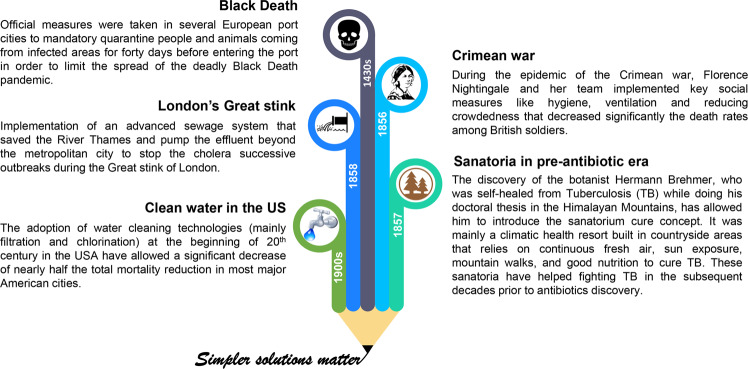
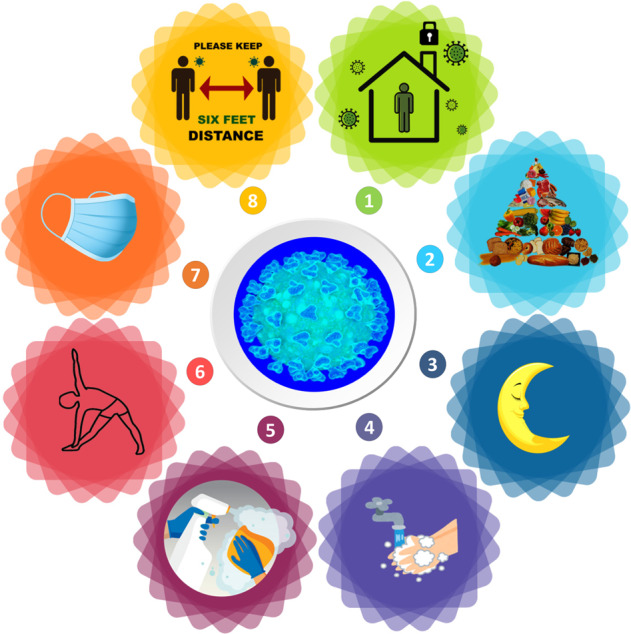
Many biotechnological innovations have shaped the contemporary healthcare system (CHS) with significant progress to treat or cure several acute conditions and diseases of known causes (particularly infectious, trauma). Some have been successful while others have created additional health care challenges. For example, a reliance on drugs has not been a panacea to meet the challenges related to multifactorial noncommunicable diseases (NCDs)-the main health burden of the 21st century. In contrast, the advent of omics-based and big data technologies has raised global hope to predict, treat, and/or cure NCDs, effectively fight even the current COVID-19 pandemic, and improve overall healthcare outcomes. Although this digital revolution has introduced extensive changes on all aspects of contemporary society, economy, firms, job market, and healthcare management, it is facing and will face several intrinsic and extrinsic challenges, impacting precision medicine implementation, costs, possible outcomes, and managing expectations. With all of biotechnology's exciting promises, biological systems' complexity, unfortunately, continues to be underestimated since it cannot readily be compartmentalized as an independent and segregated set of problems, and therefore is, in a number of situations, not readily mimicable by the current algorithm-building proficiency tools. Although the potential of biotechnology is motivating, we should not lose sight of approaches that may not seem as glamorous but can have large impacts on the healthcare of many and across disparate population groups. A balanced approach of "omics and big data" solution in CHS along with a large scale, simpler, and suitable strategies should be defined with expectations properly managed.
许多生物技术创新塑造了当代医疗体系(CHS),在治疗或治愈多种已知病因的急性病症和疾病(尤其是传染病、创伤)方面取得了重大进展。有些创新取得了成功,而有些则带来了更多的医疗挑战。例如,依赖药物并非应对与多因素非传染性疾病(NCDs)相关挑战的万灵药——NCDs是21世纪的主要健康负担。相比之下,基于组学和大数据技术的出现给预测、治疗和/或治愈NCDs带来了全球希望,甚至能有效抗击当前的新冠疫情,并改善整体医疗效果。尽管这场数字革命给当代社会、经济、企业、就业市场和医疗管理的各个方面都带来了广泛变革,但它正面临并将继续面临若干内在和外在挑战,影响精准医学的实施、成本、可能的结果以及管理预期。尽管生物技术有种种令人兴奋的前景,但生物系统的复杂性不幸仍被低估,因为它无法轻易被划分为一组独立且分离的问题,因此在许多情况下,当前的算法构建熟练工具难以轻易模拟。尽管生物技术潜力巨大,但我们不应忽视那些可能看似不那么光鲜但能对众多不同人群的医疗产生重大影响的方法。应确定一种在CHS中采用“组学和大数据”解决方案的平衡方法,同时制定大规模、更简单且合适的策略,并妥善管理预期。