Department of Human Genetics-Precision Medicine in Diabetes, Obesity and Cancer Program, Sidra Medicine, Doha, Qatar.
Saha Institute of Nuclear Physics Complex (MSA-II), Kolkata, West Bengal, India.
J Transl Med. 2022 Nov 18;20(1):534. doi: 10.1186/s12967-022-03765-1.
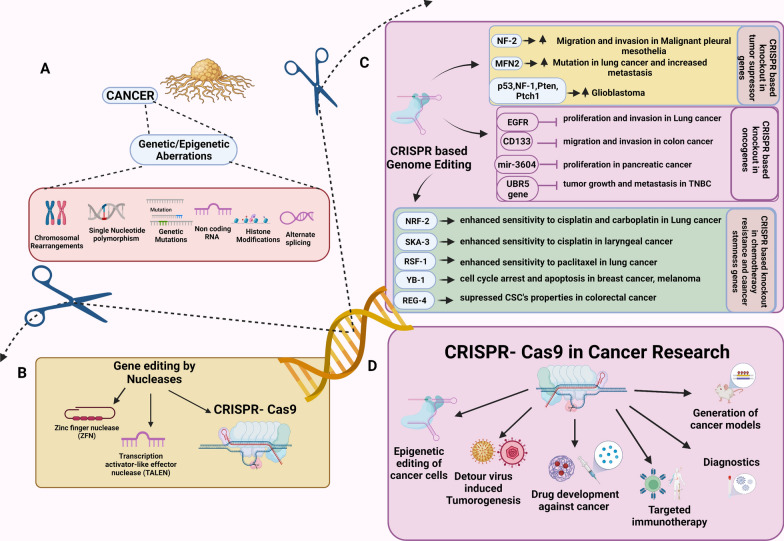
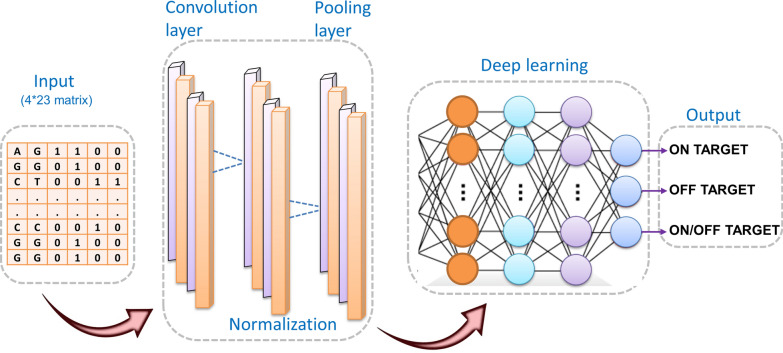
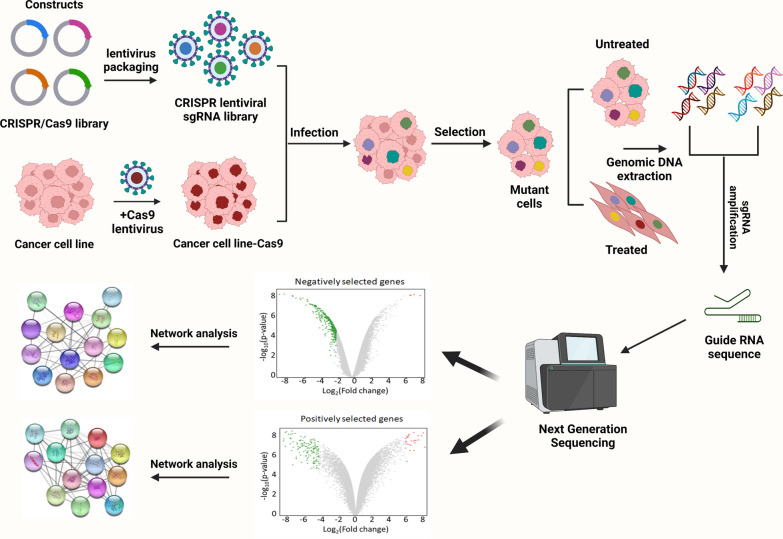
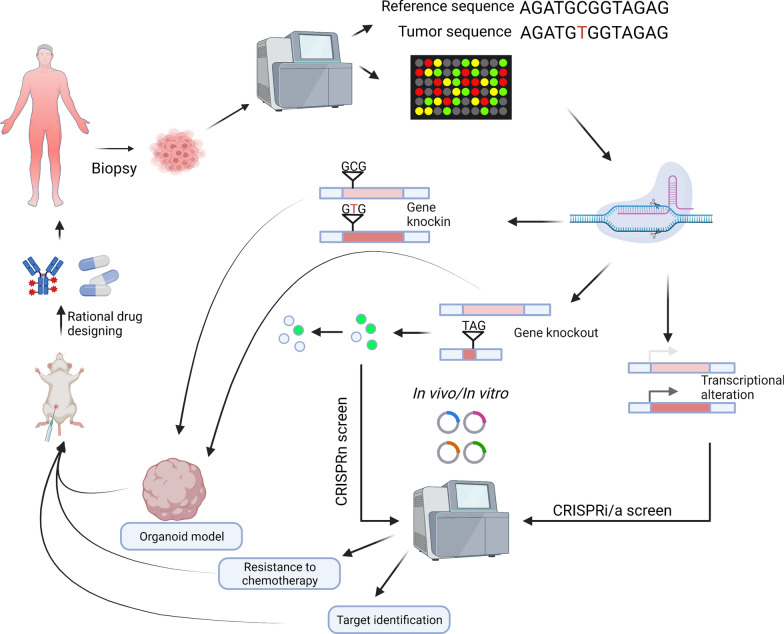
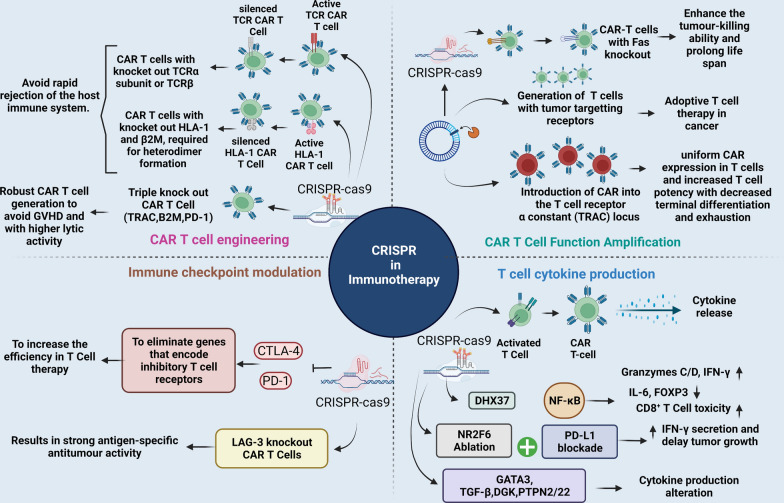
Gene editing has great potential in treating diseases caused by well-characterized molecular alterations. The introduction of clustered regularly interspaced short palindromic repeats (CRISPR)/CRISPR-associated protein 9 (Cas9)-based gene-editing tools has substantially improved the precision and efficiency of gene editing. The CRISPR/Cas9 system offers several advantages over the existing gene-editing approaches, such as its ability to target practically any genomic sequence, enabling the rapid development and deployment of novel CRISPR-mediated knock-out/knock-in methods. CRISPR/Cas9 has been widely used to develop cancer models, validate essential genes as druggable targets, study drug-resistance mechanisms, explore gene non-coding areas, and develop biomarkers. CRISPR gene editing can create more-effective chimeric antigen receptor (CAR)-T cells that are durable, cost-effective, and more readily available. However, further research is needed to define the CRISPR/Cas9 system's pros and cons, establish best practices, and determine social and ethical implications. This review summarizes recent CRISPR/Cas9 developments, particularly in cancer research and immunotherapy, and the potential of CRISPR/Cas9-based screening in developing cancer precision medicine and engineering models for targeted cancer therapy, highlighting the existing challenges and future directions. Lastly, we highlight the role of artificial intelligence in refining the CRISPR system's on-target and off-target effects, a critical factor for the broader application in cancer therapeutics.
基因编辑在治疗由明确分子改变引起的疾病方面具有巨大的潜力。基于成簇规律间隔短回文重复序列(CRISPR)/CRISPR 相关蛋白 9(Cas9)的基因编辑工具的引入,大大提高了基因编辑的精度和效率。CRISPR/Cas9 系统相对于现有的基因编辑方法具有几个优势,例如它能够靶向几乎任何基因组序列,从而能够快速开发和部署新型的 CRISPR 介导的敲除/敲入方法。CRISPR/Cas9 已广泛用于开发癌症模型、验证作为药物靶点的必需基因、研究耐药机制、探索基因非编码区和开发生物标志物。CRISPR 基因编辑可以创造更有效的嵌合抗原受体(CAR)-T 细胞,这些细胞更持久、更具成本效益,并且更容易获得。然而,需要进一步研究来定义 CRISPR/Cas9 系统的优缺点,建立最佳实践,并确定社会和伦理影响。本综述总结了最近在癌症研究和免疫治疗方面的 CRISPR/Cas9 发展情况,以及基于 CRISPR/Cas9 的筛选在开发癌症精准医学和靶向癌症治疗的工程模型方面的潜力,强调了现有挑战和未来方向。最后,我们强调了人工智能在细化 CRISPR 系统的靶标和脱靶效应方面的作用,这是其在癌症治疗中更广泛应用的关键因素。