Department of Pharmacology, Faculty of Pharmaceutical Sciences, Government College University, Faisalabad 38000, Pakistan.
Riphah Institute of Pharmaceutical Sciences, Riphah International University, Lahore, Pakistan.
Biomed Res Int. 2022 Nov 24;2022:1373160. doi: 10.1155/2022/1373160. eCollection 2022.
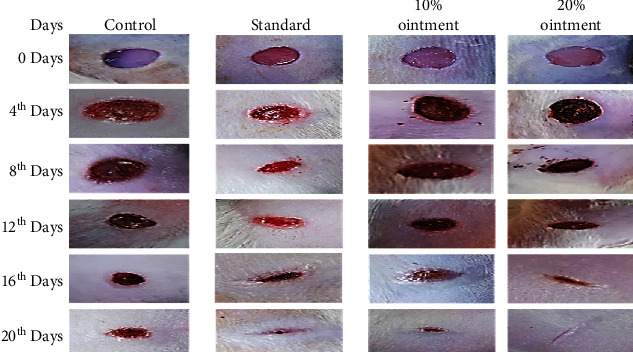
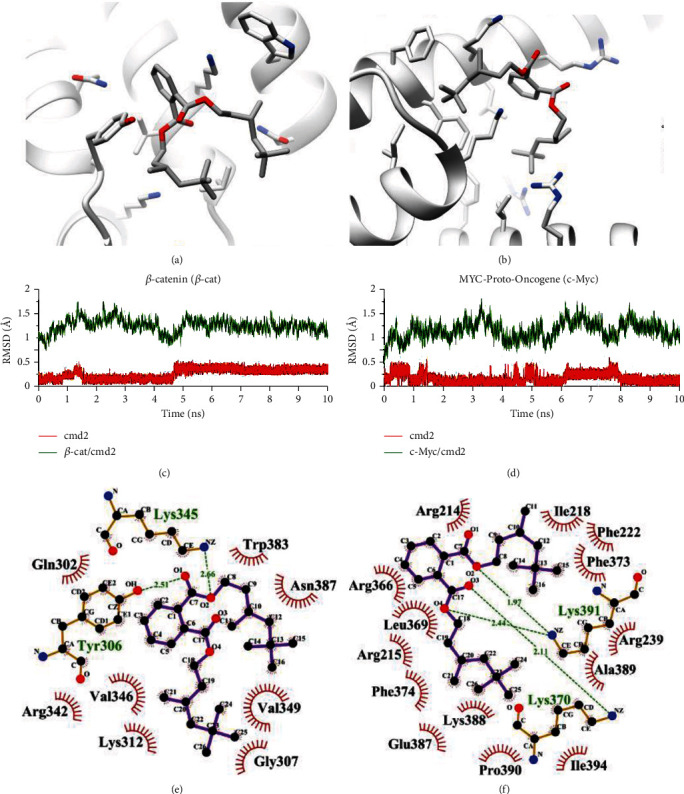
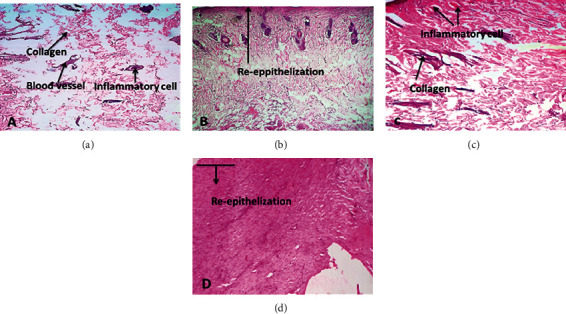
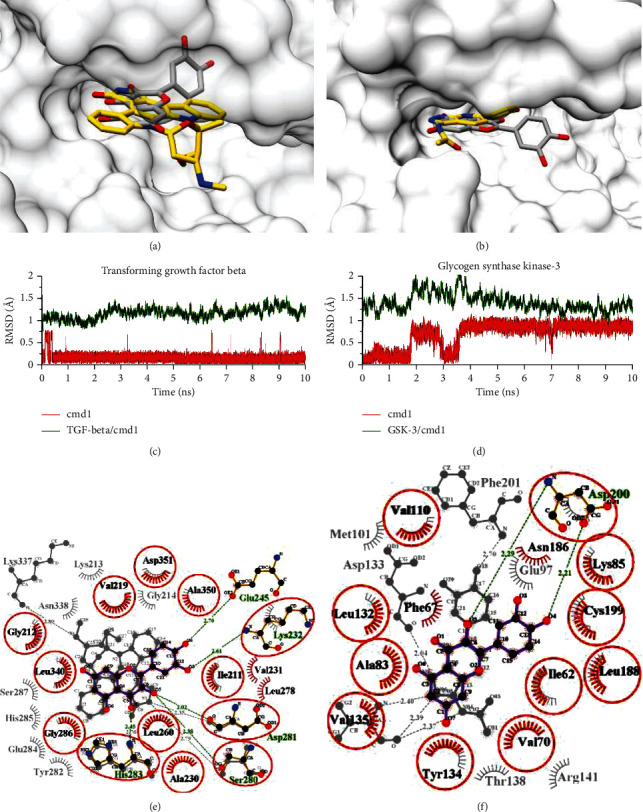
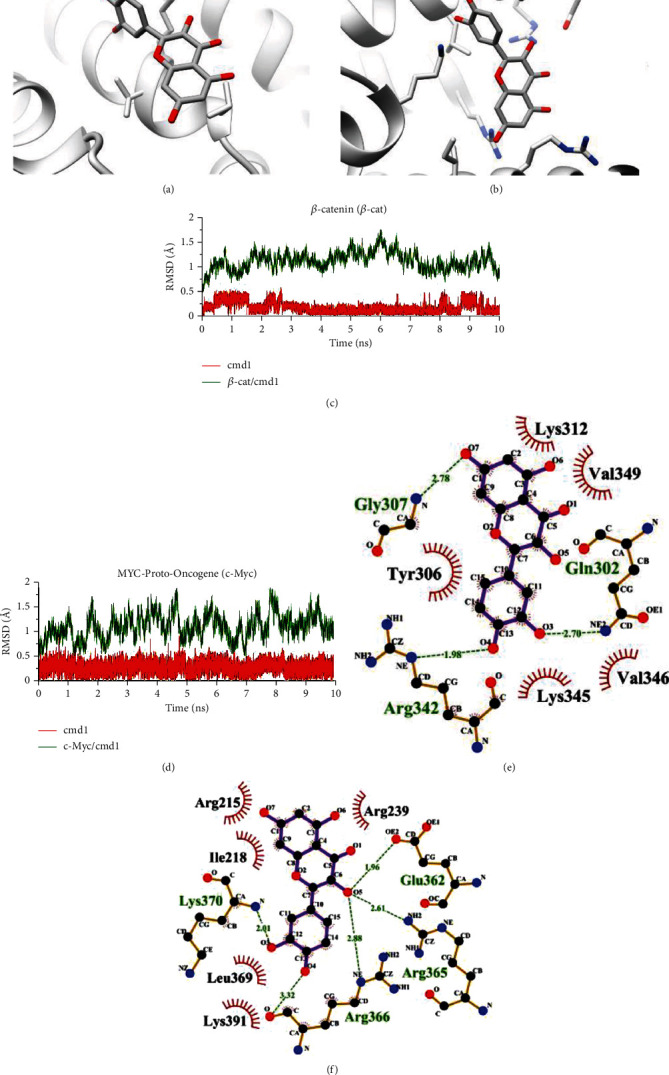
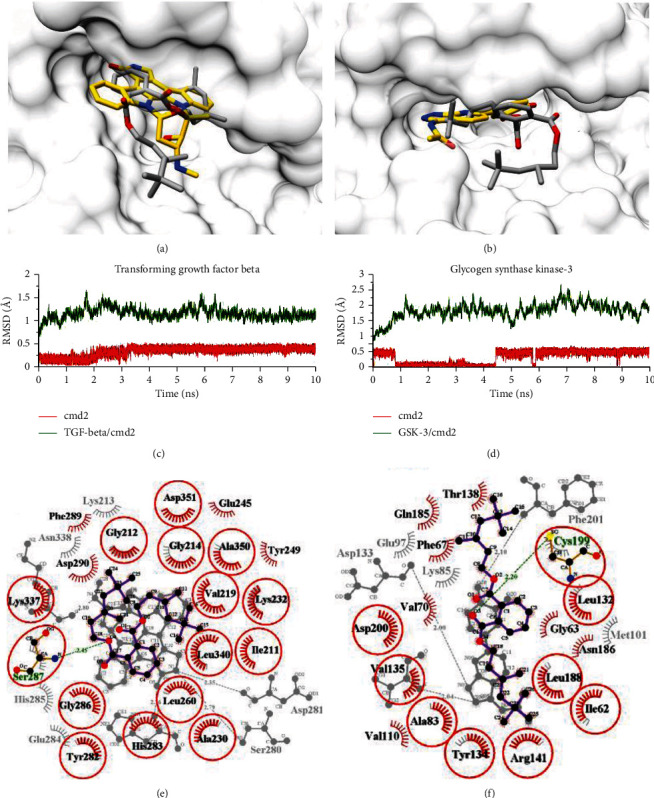
L. is rich in phenolic compounds and traditionally used to treat wounds, skin ulcer, and inflammation. The current study is aimed at scientifically potentiating its traditional wound healing use. The methanolic extract of stem (ME) was analyzed for HPLC and GC-MS analyses. The binding modes of active compounds were investigated against protein targets glycogen synthase kinase-3 (GSK-3), transforming growth factor-beta (TGF-), c-myc, and -catenin by molecular docking followed by molecular dynamic simulations which revealed some conserved mode of binding as reported in crystal structures. The antioxidant potential of CME was evaluated by in vitro methods such as 2,2-diphenyl-1-picrylhydrazyl (DPPH) radical scavenging, hydrogen peroxide scavenging, and ferric reducing power assays. Ointment formulations of 10 and 20% ME were applied topically and evaluated for wound healing potency against the excisional wound on the skin of Wistar rats. Gentamycin (0.1%) served as standard therapy. The healing process was observed for 20 days in the form of wound size and epithelialization followed by histopathological evaluation of the wound area. Chemical characterization showed the presence of 7-hexadecenoic acid, 2-hexadecylicosan-1-ol, quercetin, gallic acid, ferulic acid, and other compounds. The plant extract exhibited significant in vitro antioxidant activity. The animals treated with 10% ointment showed moderate healing, whereas the treatment with 20% ME revealed healing potential comparable to the standard 0.1% gentamycin as coevidenced from histopathological evaluation of skin. The study corroborates promising potential of on the healing of wounds, which possibly will be attributed to its antioxidant activity, fatty acids, quercetin, and gallic and caffeic acids, and binding potential of its phytoconstituents (phenolic acids) with wound healing targets.
叶子富含酚类化合物,传统上用于治疗伤口、皮肤溃疡和炎症。本研究旨在科学地增强其传统的伤口愈合用途。对茎的甲醇提取物(ME)进行了 HPLC 和 GC-MS 分析。通过分子对接和分子动力学模拟研究了活性化合物与蛋白靶标糖原合酶激酶-3(GSK-3)、转化生长因子-β(TGF-β)、c-myc 和-β-catenin 的结合模式,结果显示与晶体结构中报道的一些保守结合模式一致。通过体外方法如 2,2-二苯基-1-苦基肼(DPPH)自由基清除、过氧化氢清除和铁还原能力测定评估了 CME 的抗氧化潜力。将 10%和 20% ME 的软膏制剂局部应用于 Wistar 大鼠皮肤切除伤口,评估其伤口愈合效力。庆大霉素(0.1%)作为标准治疗。以伤口大小和上皮化的形式观察愈合过程 20 天,然后对伤口区域进行组织病理学评估。化学成分分析表明,该植物中存在 7-十六烯酸、2-二十六烷醇、槲皮素、没食子酸、阿魏酸和其他化合物。植物提取物表现出显著的体外抗氧化活性。用 10%软膏治疗的动物显示出适度的愈合,而用 20% ME 治疗的动物显示出与标准 0.1%庆大霉素相当的愈合潜力,这从皮肤的组织病理学评估中得到了证实。该研究证实了 叶子对伤口愈合的潜在治疗作用,这可能归因于其抗氧化活性、脂肪酸、槲皮素、没食子酸和咖啡酸以及其植物成分(酚酸)与伤口愈合靶标的结合潜力。