Zheng Yiwen, Liu Mengyao, Jiang Lixin
Department of Ultrasound, Renji Hospital, School of Medicine, Shanghai Jiaotong University, Shanghai, China.
Front Chem. 2022 Nov 21;10:1077937. doi: 10.3389/fchem.2022.1077937. eCollection 2022.
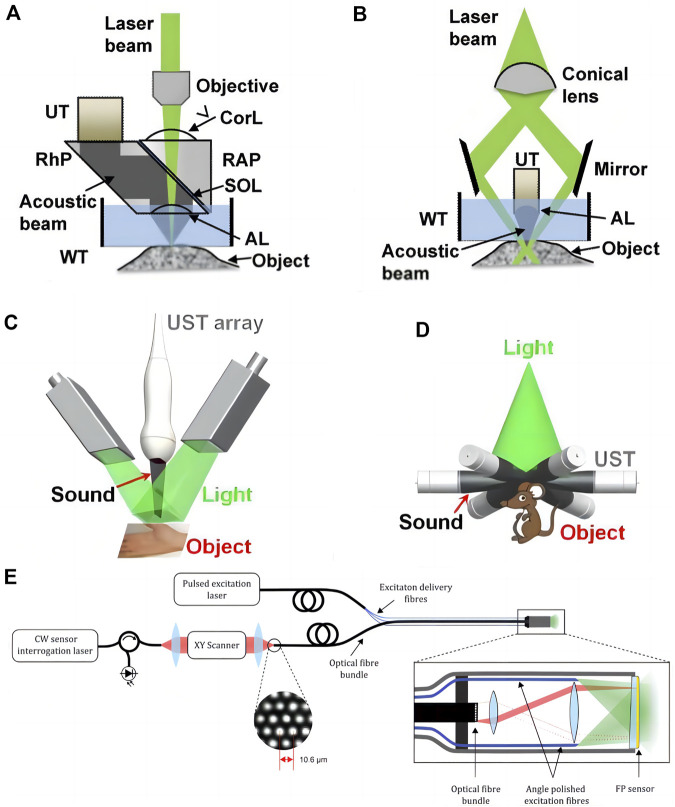
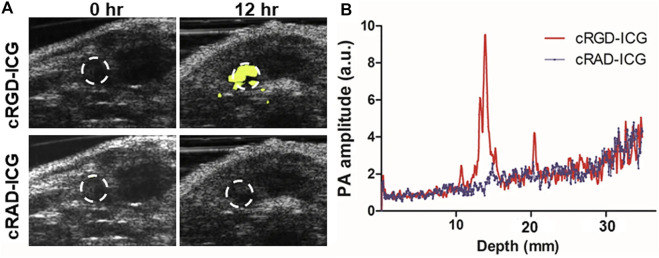
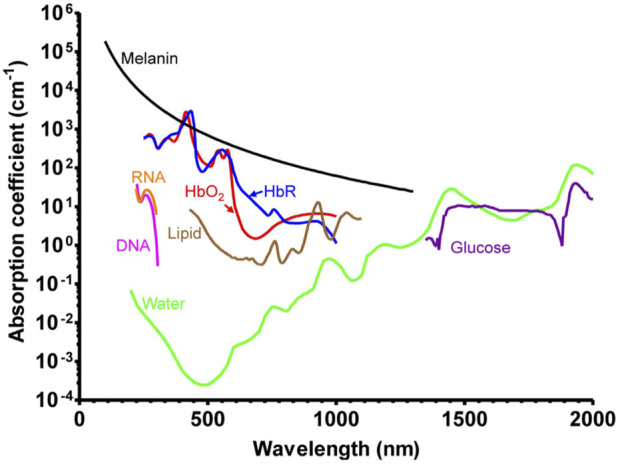
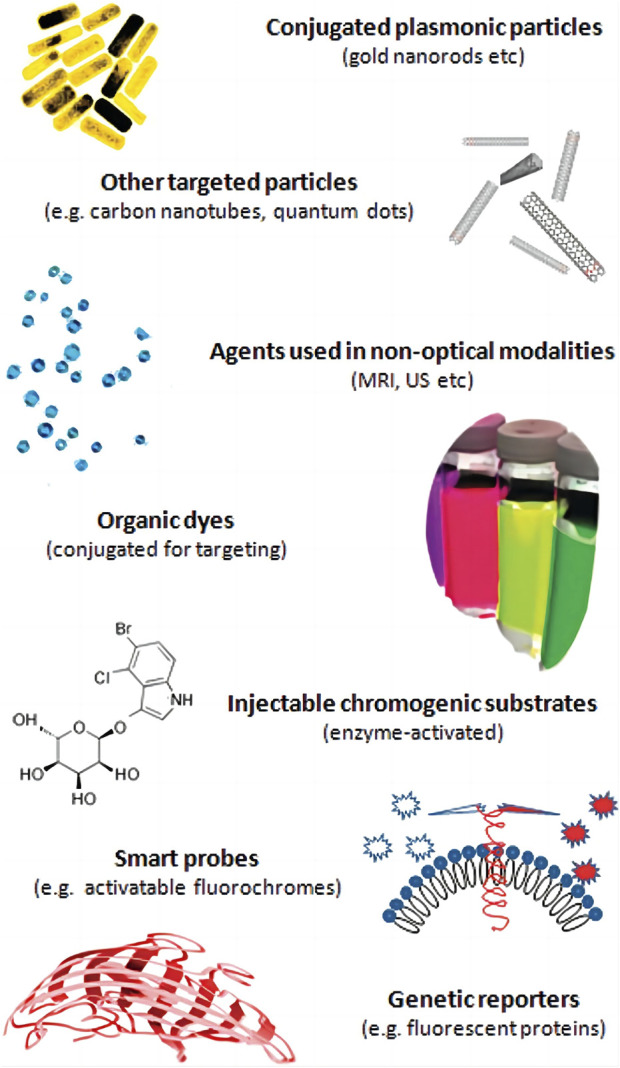
Molecular imaging visualizes, characterizes, and measures biological processes at the molecular and cellular level. In oncology, molecular imaging is an important technology to guide integrated and precise diagnosis and treatment. Photoacoustic imaging is mainly divided into three categories: photoacoustic microscopy, photoacoustic tomography and photoacoustic endoscopy. Different from traditional imaging technology, which uses the physical properties of tissues to detect and identify diseases, photoacoustic imaging uses the photoacoustic effect to obtain the internal information of tissues. During imaging, lasers excite either endogenous or exogenous photoacoustic contrast agents, which then send out ultrasonic waves. Currently, photoacoustic imaging in conjunction with targeted photoacoustic contrast agents is frequently employed in the research of tumor molecular imaging. In this study, we will examine the latest advancements in photoacoustic imaging technology and targeted photoacoustic contrast agents, as well as the developments in tumor molecular imaging research.
分子成像在分子和细胞水平上可视化、表征和测量生物过程。在肿瘤学中,分子成像是指导综合精确诊断和治疗的一项重要技术。光声成像主要分为三类:光声显微镜、光声断层扫描和光声内窥镜检查。与利用组织物理特性检测和识别疾病的传统成像技术不同,光声成像利用光声效应获取组织内部信息。在成像过程中,激光激发内源性或外源性光声造影剂,然后这些造影剂发出超声波。目前,光声成像与靶向光声造影剂相结合在肿瘤分子成像研究中经常被采用。在本研究中,我们将研究光声成像技术和靶向光声造影剂的最新进展,以及肿瘤分子成像研究的发展情况。