Guazzotti Silvia, Pagliano Cristina, Dondero Francesco, Manfredi Marcello
Biological Mass Spectrometry Lab, Department of Translational Medicine (DiMeT), University of Piemonte Orientale, Via Solaroli 17, 28100 Novara, Italy.
Center for Translational Research on Autoimmune & Allergic Diseases-CAAD, University of Piemonte Orientale, Corso Trieste 15/A, 28100 Novara, Italy.
Foods. 2023 Jan 13;12(2):384. doi: 10.3390/foods12020384.
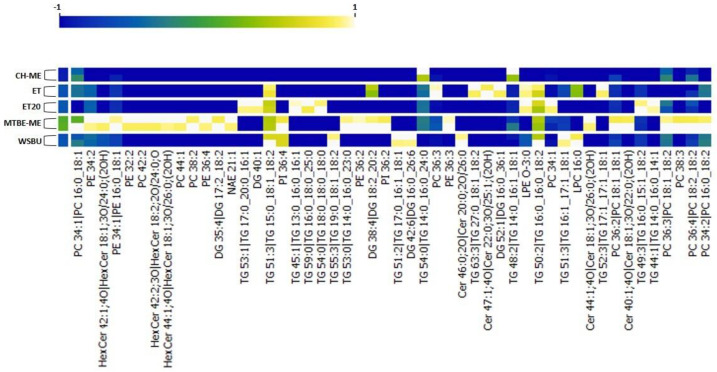
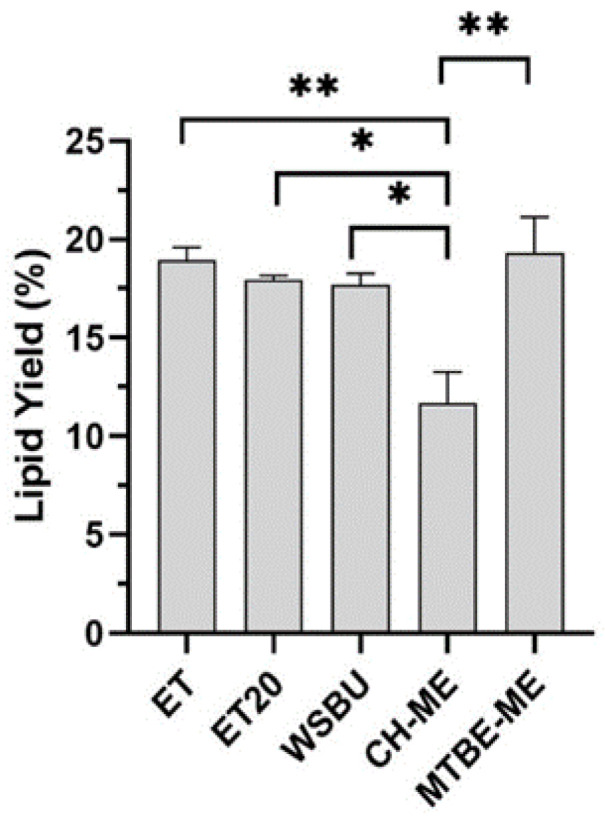
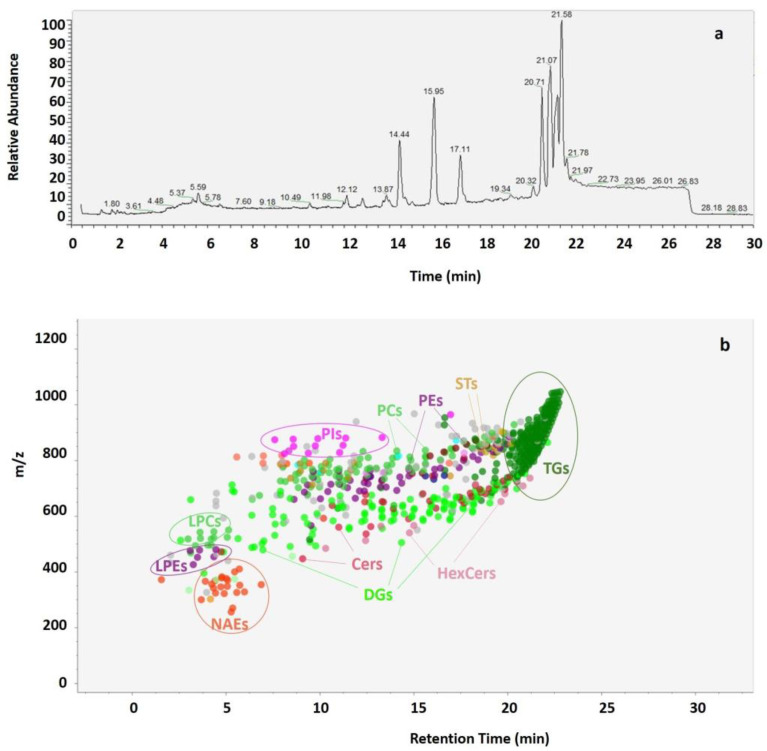
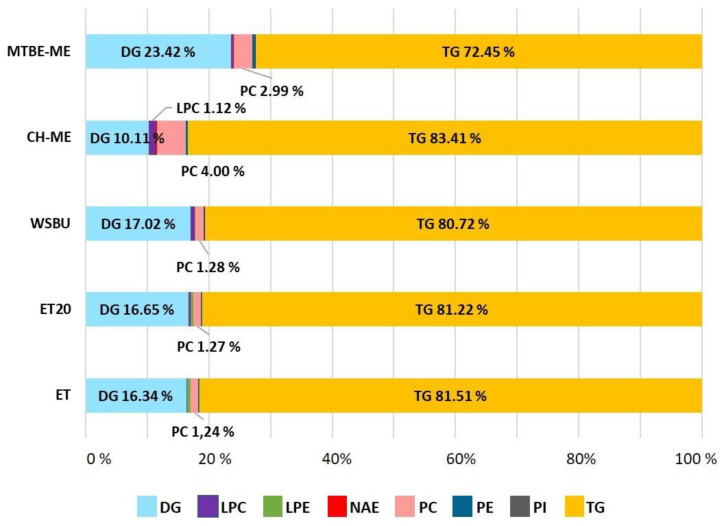
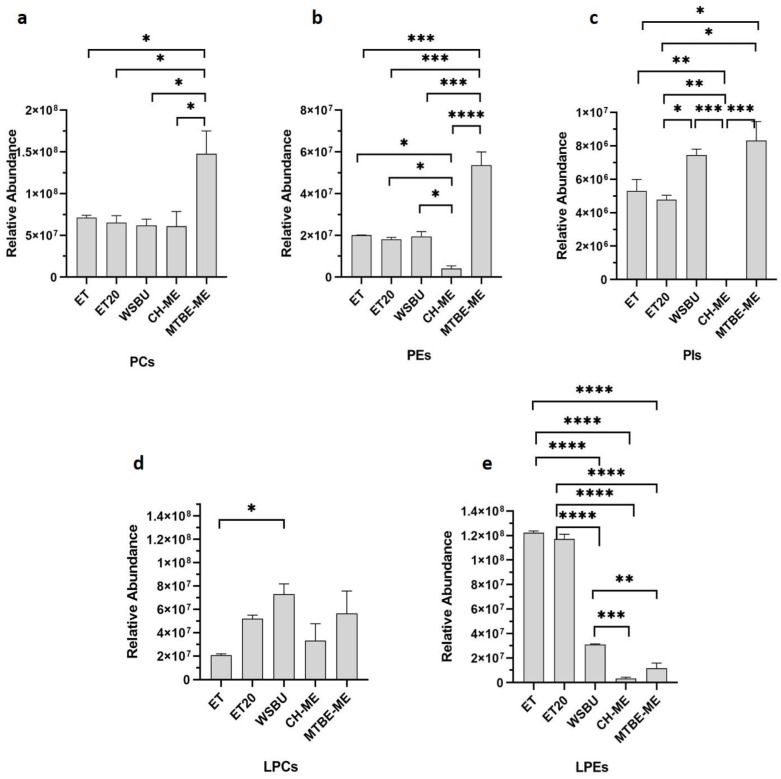
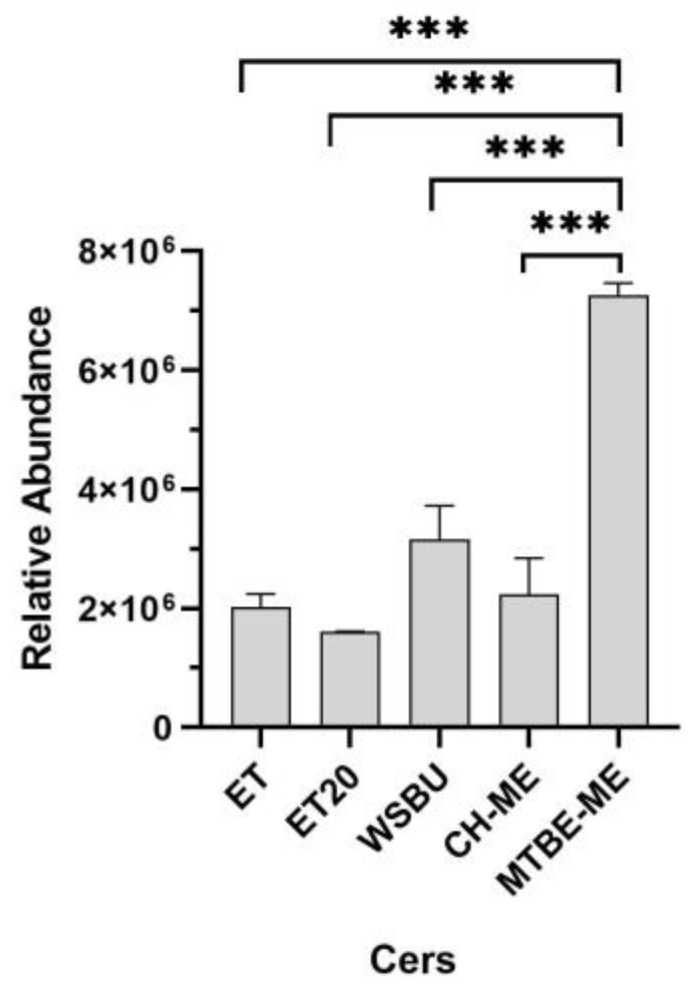
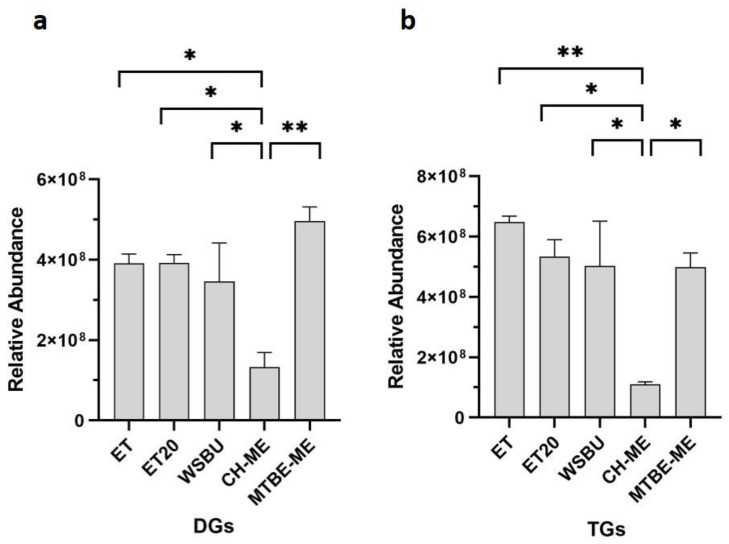
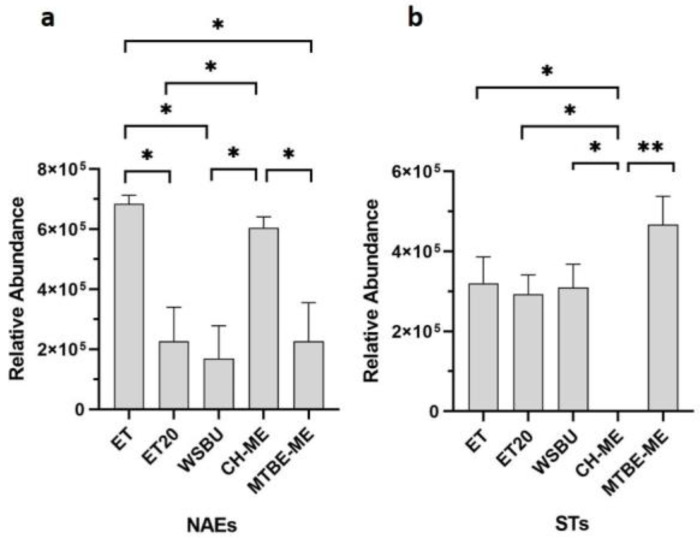
Rice bran is a rather underutilized by-product of the rice industry that nowadays is far from being valorized. In this study, the lipidomic profile of bran of the Italian rice variety, Roma, has been evaluated through ultra performance liquid chromatography-tandem mass spectrometry. Crude lipid extracts were obtained from rice bran treated with different green solvents (1-butanol, ethanol and methyl tert-butyl ether/methanol mixture) in combination with an ultrasonic pre-treatment, and then compared with extracts obtained with standard solvents (chloroform/methanol mixture). Lipid yield, number and type of lipids and composition of prevalent lipid classes extracted were evaluated in order to provide an exhaustive lipid profile of the rice bran and to identify the most efficient green solvent for solid-liquid extractions. Twelve different lipid classes and a maximum of 276 lipids were identified. Ethanol and methyl tert-butyl ether/methanol solvents provided higher lipid extraction yields, the former being the most effective solvent for the extraction of triglycerides and N-acylethanolamines and the latter the most effective for the extraction of diglycerides, phospholipids and ceramides at 4 °C. Moreover, extraction with ethanol at 20 °C gave similar results as at 4 °C in terms of lipid yield and for most of the classes of lipids extracted. Taken together, our results indicate ethanol and methyl tert-butyl ether/methanol as excellent solvents for lipid extraction from rice bran, with the aim to further valorize this food by-product in the perspective of a circular economy.
米糠是稻米产业中一种未得到充分利用的副产品,如今其价值远未得到充分发掘。在本研究中,通过超高效液相色谱 - 串联质谱法对意大利水稻品种罗马(Roma)的米糠脂质组进行了评估。从经不同绿色溶剂(1 - 丁醇、乙醇和甲基叔丁基醚/甲醇混合物)处理并结合超声预处理的米糠中获得粗脂质提取物,然后与用标准溶剂(氯仿/甲醇混合物)获得的提取物进行比较。评估了脂质产量、脂质的数量和类型以及所提取的主要脂质类别的组成,以便提供米糠详尽的脂质概况,并确定用于固液萃取的最有效的绿色溶剂。共鉴定出12种不同的脂质类别和最多276种脂质。乙醇和甲基叔丁基醚/甲醇溶剂提供了更高的脂质提取率,前者是提取甘油三酯和N - 酰基乙醇胺的最有效溶剂,后者在4℃时是提取甘油二酯、磷脂和神经酰胺的最有效溶剂。此外,在20℃下用乙醇提取在脂质产量和大多数提取的脂质类别方面与在4℃时得到的结果相似。综上所述,我们的结果表明乙醇和甲基叔丁基醚/甲醇是从米糠中提取脂质的优良溶剂,旨在从循环经济的角度进一步提升这种食品副产品的价值。