Alhazmi Nuha M
Department of Biology, College of Science, University of Jeddah, Jeddah 21589, Saudi Arabia.
Microorganisms. 2022 Dec 29;11(1):86. doi: 10.3390/microorganisms11010086.
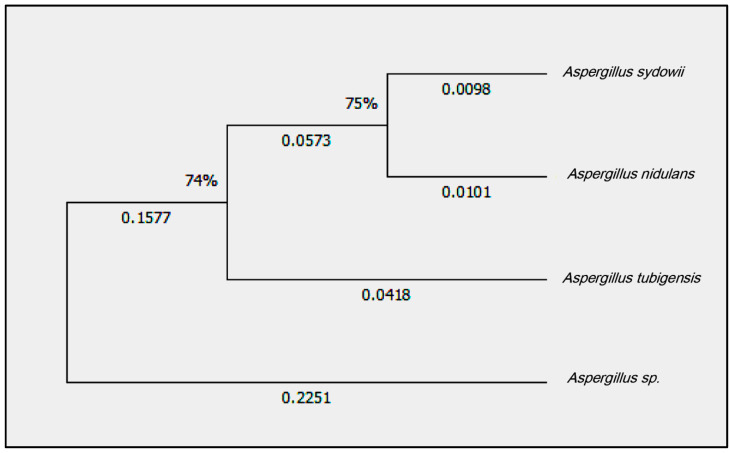
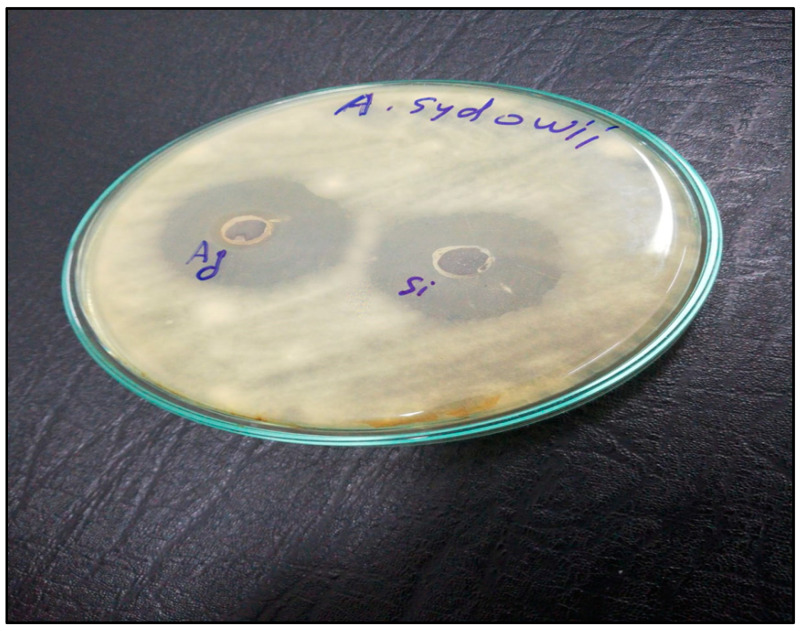
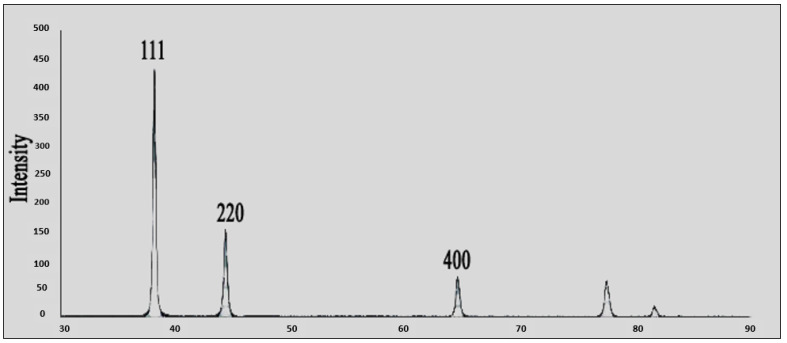
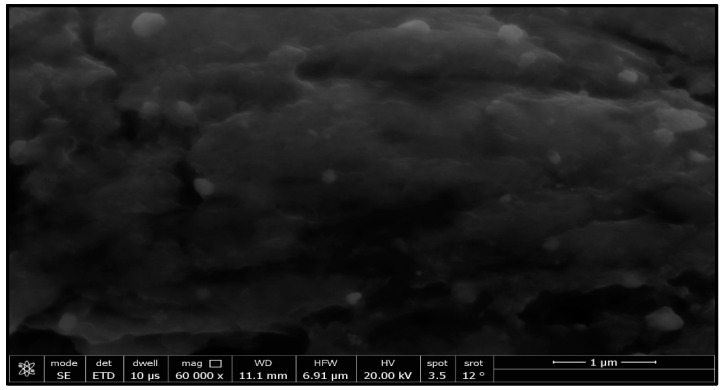
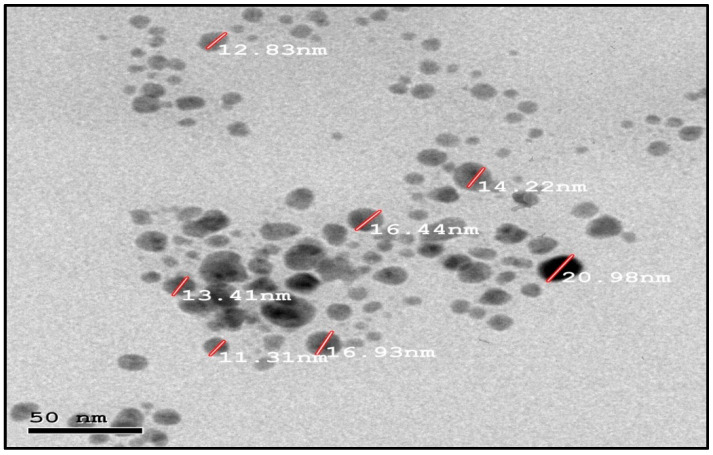
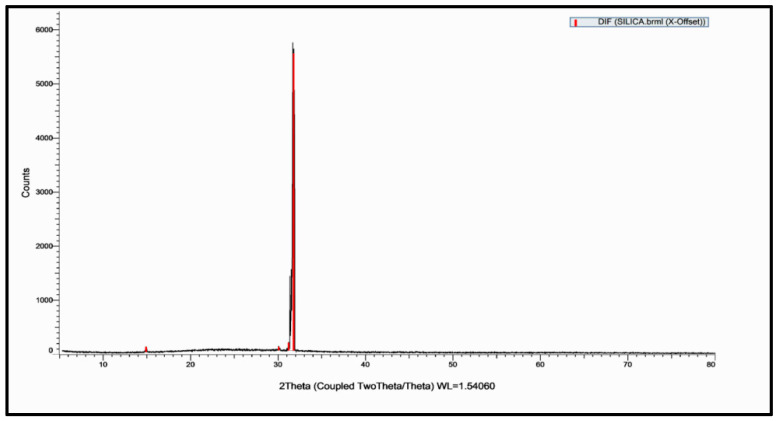
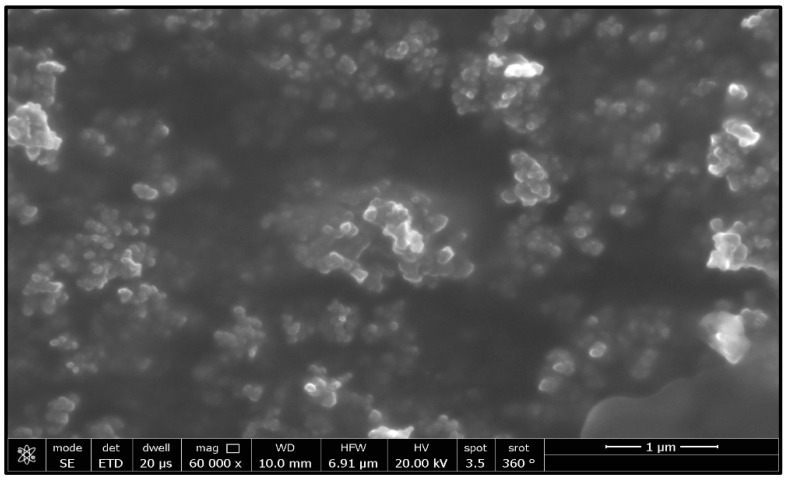
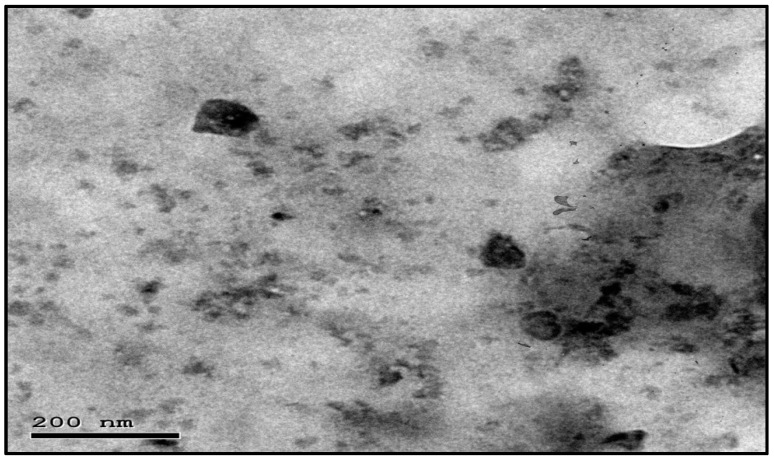
is a mesophilic soil saprobe that is a food contaminant as well as a human pathogen in immune-compromised patients. The biological fabrication of silica and silver nanoparticles provides advancements over the chemical approach, as it is eco-friendly and cost-effective. In the present study, isolates were collected from the soil fields of six different sites in the western area of Saudi Arabia and then identified using the PCR technique following sequencing analysis by BLAST and phylogenetic analysis. Then, applied silica and silver nanoparticles were synthesized by biological methods, using as a reducer. Silver and silica nanoparticles were characterized by X-ray diffraction (XRD), scanning electron microscopy (SEM), and transmission electron microscopy (TEM). The antifungal activity of silver and silica nanoparticles against isolates was evaluated using the disc diffusion method and the minimum inhibitory concentration (MIC). The physiochemical results emphasized the fabrication of silver and silica nanoparticles in spherical shapes with a diameter in the range of 15 and 40 nm, respectively, without any aggregation. MIC of Ag-NPs and Si-NPs against isolates were 31.25 and 62.5 µg/mL, respectively. Finally, the aim of the study is the use of silver as well as silica nanoparticles as antifungal agents against .
是一种嗜温性土壤腐生菌,既是食品污染物,也是免疫功能低下患者的人类病原体。二氧化硅和银纳米颗粒的生物制造比化学方法有进步,因为它环保且具有成本效益。在本研究中,从沙特阿拉伯西部地区六个不同地点的土壤中采集分离株,然后通过BLAST测序分析和系统发育分析后使用PCR技术进行鉴定。然后,以 作为还原剂,通过生物方法合成应用的二氧化硅和银纳米颗粒。通过X射线衍射(XRD)、扫描电子显微镜(SEM)和透射电子显微镜(TEM)对银和二氧化硅纳米颗粒进行表征。使用纸片扩散法和最低抑菌浓度(MIC)评估银和二氧化硅纳米颗粒对分离株的抗真菌活性。理化结果强调分别制造出直径在15至40nm范围内的球形银和二氧化硅纳米颗粒,且无任何聚集。Ag-NPs和Si-NPs对分离株的MIC分别为31.25和62.5μg/mL。最后,该研究的目的是使用银以及二氧化硅纳米颗粒作为针对 的抗真菌剂。