Department of Biological Science and Technology, National Yang Ming Chiao Tung University, Hsinchu, Taiwan; Center for Intelligent Drug Systems and Smart Bio-devices (IDS(2)B), National Yang Ming Chiao Tung University, Hsinchu, Taiwan.
Department of Psychiatry, Chang Gung Memorial Hospital, Keelung, Taiwan; College of Medicine, Chang Gung University, Taoyuan, Taiwan; Community Medicine Research Center, Chang Gung Memorial Hospital, Keelung, Taiwan.
Psychiatry Res Neuroimaging. 2023 Mar;329:111591. doi: 10.1016/j.pscychresns.2023.111591. Epub 2023 Jan 13.
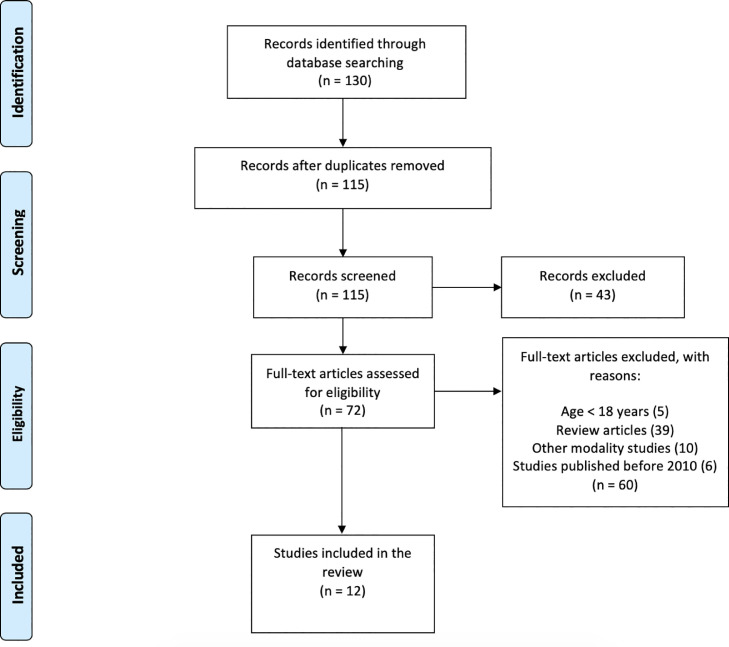
Depression, or major depressive disorder, is a common mental disorder that affects individuals' behavior, mood, and physical health, and its prevalence has increased during the lockdowns implemented to curb the COVID-19 pandemic. There is an urgent need to update the treatment recommendations for mental disorders during such crises. Conventional interventions to treat depression include long-term pharmacotherapy and cognitive behavioral therapy. Electroencephalogram-neurofeedback (EEG-NF) training has been suggested as a non-invasive option to treat depression with minimal side effects. In this systematic review, we summarize the recent literature on EEG-NF training for treating depression. The 12 studies included in our final sample reported that despite several issues related to EEG-NF practices, patients with depression showed significant cognitive, clinical, and neural improvements following EEG-NF training. Given its low cost and the low risk of side effects due to its non-invasive nature, we suggest that EEG-NF is worth exploring as an augmented tool for patients who already receive standard medications but remain symptomatic, and that EEG-NF training may be an effective intervention tool that can be utilized as a supplementary treatment for depression. We conclude by providing some suggestions related to experimental designs and standards to improve current EEG-NF training practices for treating depression.
抑郁,或重度抑郁症,是一种常见的精神障碍,会影响个体的行为、情绪和身体健康,并且在为遏制 COVID-19 大流行而实施的封锁期间,其患病率有所上升。在这种危机时刻,急需更新针对精神障碍的治疗建议。治疗抑郁症的常规干预措施包括长期药物治疗和认知行为疗法。脑电神经反馈(EEG-NF)训练被认为是一种具有最小副作用的非侵入性选择,可用于治疗抑郁症。在这项系统评价中,我们总结了关于 EEG-NF 训练治疗抑郁症的最新文献。我们最终样本中的 12 项研究报告称,尽管 EEG-NF 实践存在一些问题,但接受 EEG-NF 训练的抑郁症患者在认知、临床和神经方面均有显著改善。鉴于其低成本和低副作用风险(由于其非侵入性),我们建议 EEG-NF 作为已经接受标准药物治疗但仍有症状的患者的辅助治疗工具值得探索,并且 EEG-NF 训练可能是一种有效的干预工具,可以作为抑郁症的辅助治疗方法。最后,我们提供了一些与实验设计和标准相关的建议,以改善目前用于治疗抑郁症的 EEG-NF 训练实践。