School of Biological Sciences, University of Southampton, Southampton, United Kingdom.
Department of Biochemistry, School of Science and Technology, Nottingham Trent University, Nottingham, United Kingdom.
PLoS One. 2023 Jan 26;18(1):e0262792. doi: 10.1371/journal.pone.0262792. eCollection 2023.
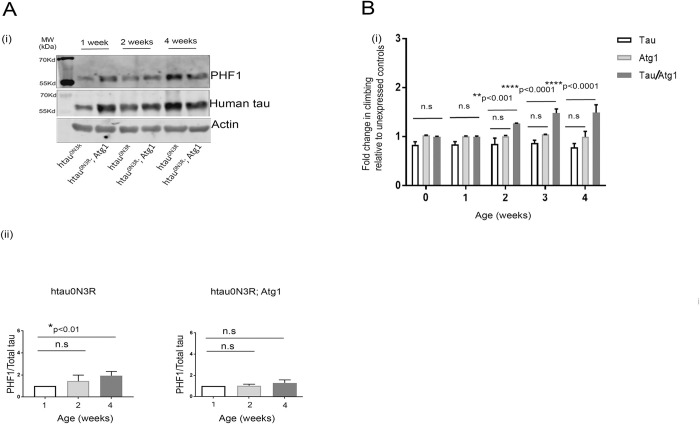
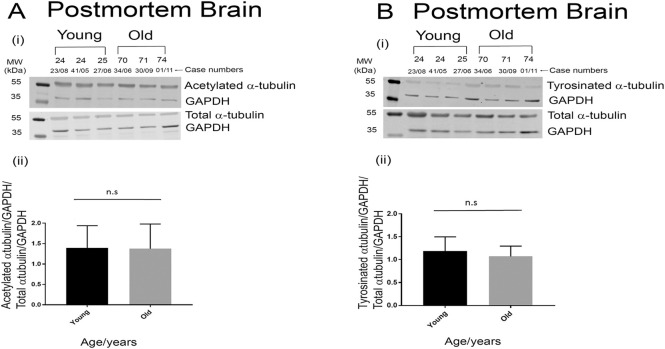
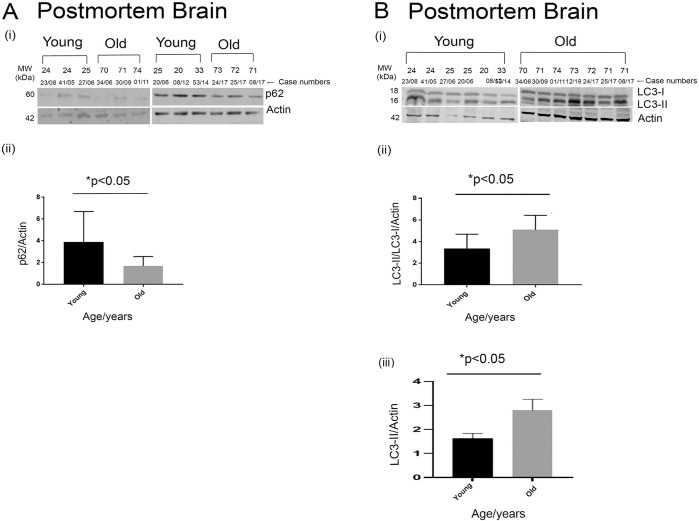
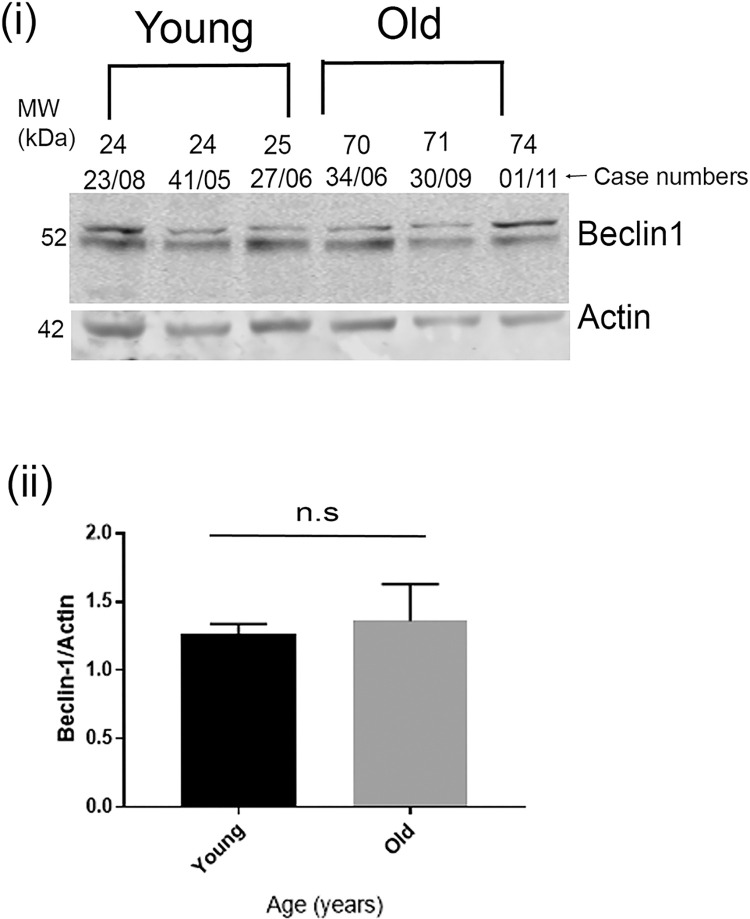
Tau becomes abnormally hyper-phosphorylated and aggregated in tauopathies like Alzheimers disease (AD). As age is the greatest risk factor for developing AD, it is important to understand how tau protein itself, and the pathways implicated in its turnover, change during aging. We investigated age-related changes in total and phosphorylated tau in brain samples from two cohorts of cognitively normal individuals spanning 19-74 years, without overt neurodegeneration. One cohort utilised resected tissue and the other used post-mortem tissue. Total soluble tau levels declined with age in both cohorts. Phosphorylated tau was undetectable in the post-mortem tissue but was clearly evident in the resected tissue and did not undergo significant age-related change. To ascertain if the decline in soluble tau was correlated with age-related changes in autophagy, three markers of autophagy were tested but only two appeared to increase with age and the third was unchanged. This implies that in individuals who do not develop neurodegeneration, there is an age-related reduction in soluble tau which could potentially be due to age-related changes in autophagy. Thus, to explore how an age-related increase in autophagy might influence tau-mediated dysfunctions in vivo, autophagy was enhanced in a Drosophila model and all age-related tau phenotypes were significantly ameliorated. These data shed light on age-related physiological changes in proteins implicated in AD and highlights the need to study pathways that may be responsible for these changes. It also demonstrates the therapeutic potential of interventions that upregulate turnover of aggregate-prone proteins during aging.
在阿尔茨海默病(AD)等tau 病中,tau 蛋白变得异常过度磷酸化和聚集。由于年龄是 AD 发病的最大风险因素,因此了解 tau 蛋白本身及其周转所涉及的途径如何在衰老过程中发生变化非常重要。我们研究了认知正常个体的两个队列的脑组织样本中总 tau 和磷酸化 tau 的年龄相关性变化,这些个体没有明显的神经退行性变。一个队列使用切除的组织,另一个队列使用死后组织。两个队列中的总可溶性 tau 水平均随年龄增长而下降。死后组织中未检测到磷酸化 tau,但在切除的组织中明显可见,且未发生明显的年龄相关变化。为了确定可溶性 tau 的下降是否与自噬的年龄相关变化相关,测试了三种自噬标志物,但只有两种标志物似乎随年龄增长而增加,第三种标志物没有变化。这意味着在没有发生神经退行性变的个体中,可溶性 tau 随年龄呈下降趋势,这可能是由于自噬的年龄相关变化所致。因此,为了探索自噬的年龄相关增加如何影响体内 tau 介导的功能障碍,在果蝇模型中增强了自噬,所有与年龄相关的 tau 表型都得到了显著改善。这些数据阐明了 AD 相关蛋白的年龄相关生理变化,并强调了研究可能导致这些变化的途径的必要性。它还表明,在衰老过程中上调易于聚集的蛋白质周转率的干预措施具有治疗潜力。