Department of Urologic Surgery, Jiangsu Cancer Hospital & Jiangsu Institute of Cancer Research & Affiliated Cancer Hospital of Nanjing Medical University, Nanjing, China.
Department of Urology, The First Affiliated Hospital of Nanjing Medical University, Nanjing, China.
Cancer Sci. 2023 May;114(5):1830-1845. doi: 10.1111/cas.15745. Epub 2023 Feb 13.
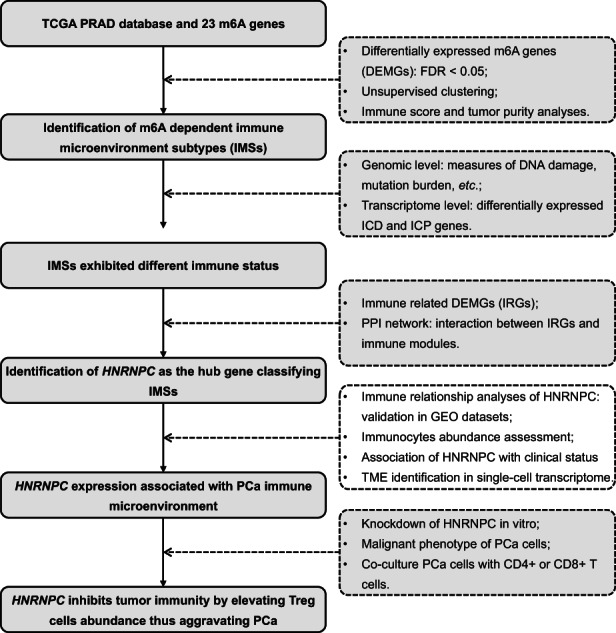
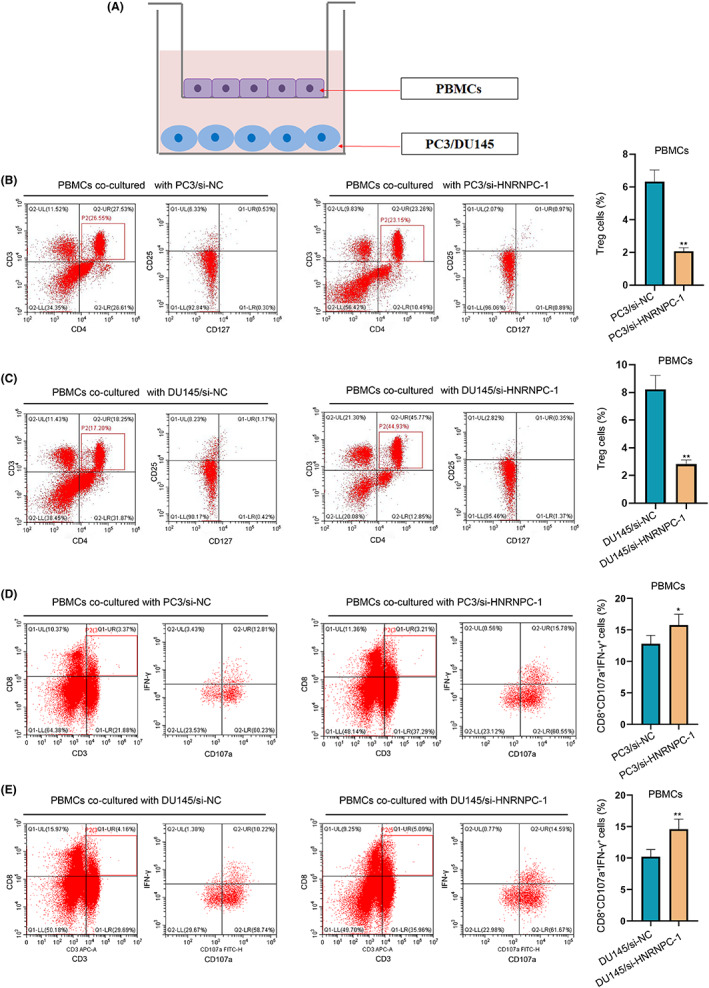
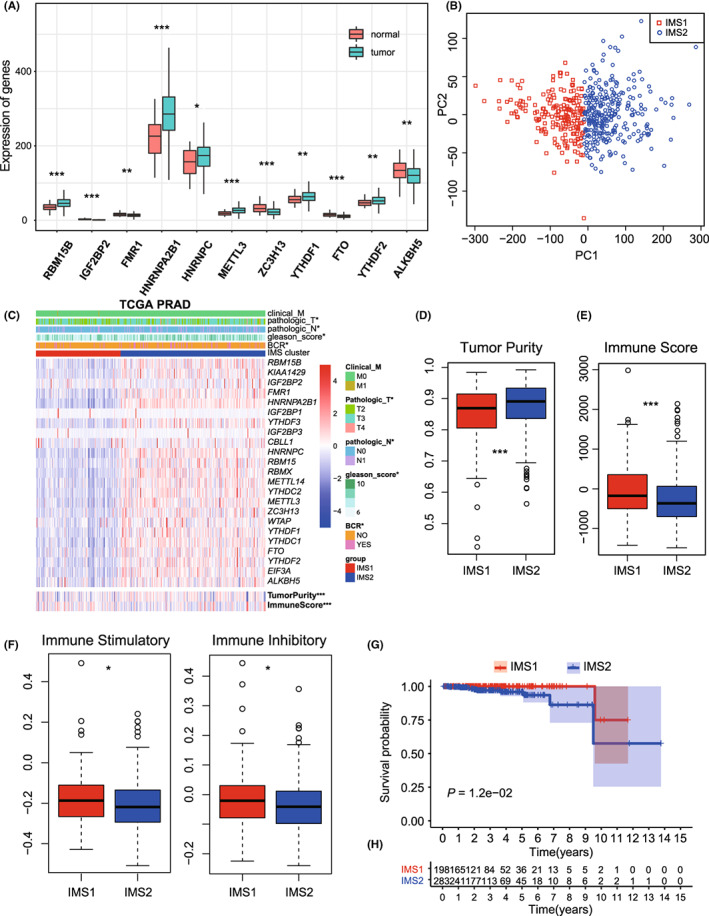
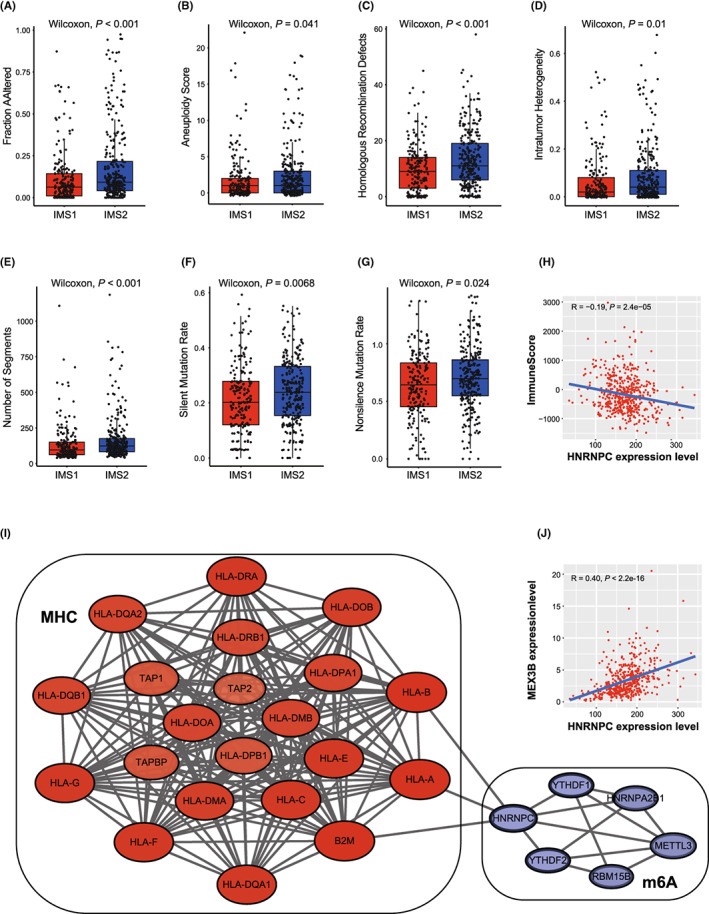
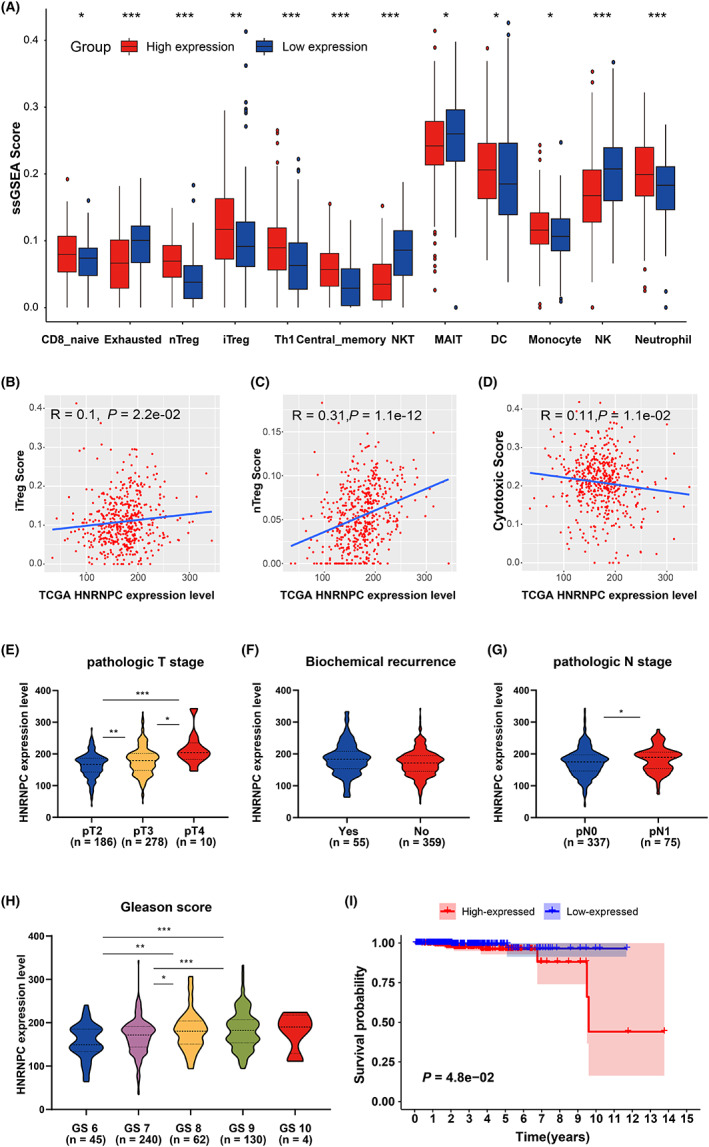
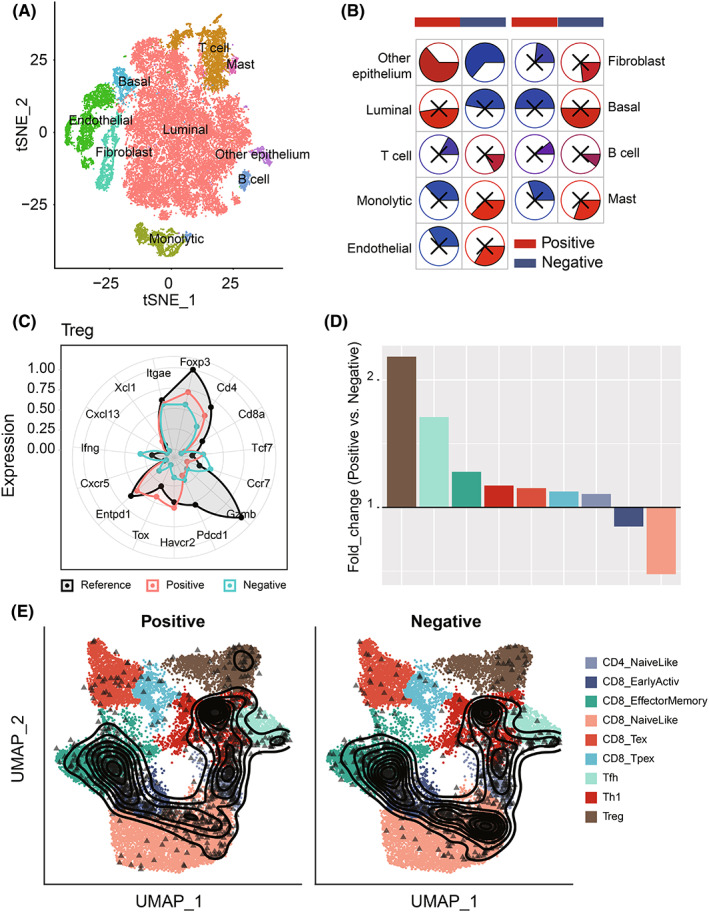
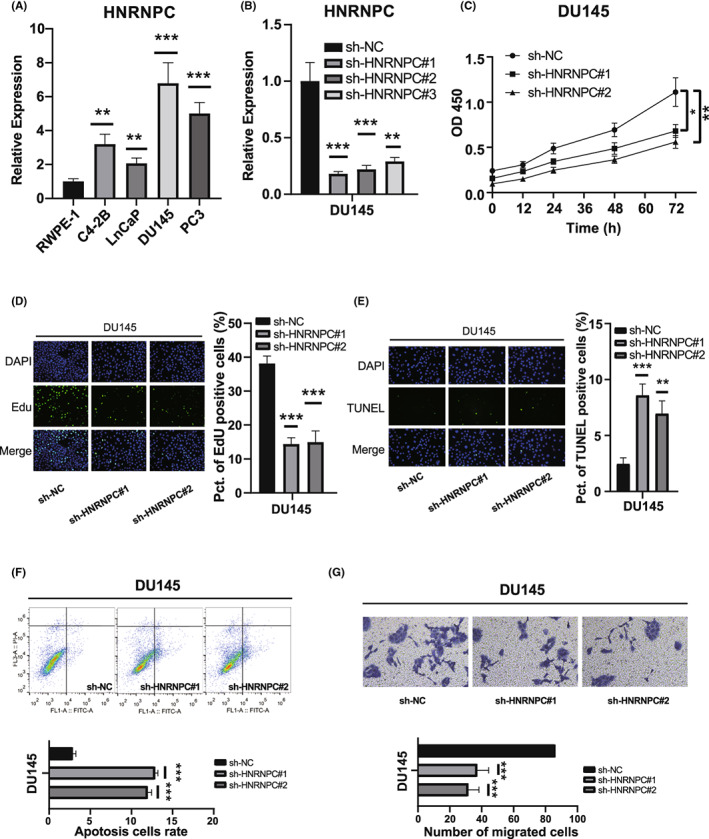
Immune microenvironment could affect the biological progress in prostate cancer (PCa) through N6 methyl adenosine (m6A) methylation. The purpose of this study was to investigate the crosstalk between m6A methylation and immune microenvironment and explore potential biomarkers to improve the immunotherapeutic response. Firstly, according to 11 differentially expressed m6A genes between normal and tumor samples, PCa patients were divided into immune microenvironment subtype 1 (IMS1) and IMS2 based on m6A gene profiles extracted from The Cancer Genome Atlas (TCGA) database. IMS2 showed an immune "cold" phenotype with worse prognoses, and HNRNPC was identified as the biomarker of IMS2 by the protein-protein interaction network. Furthermore, through bioinformatics analyses and in vitro experiments, we found that HNRNPC-high patients showed a suppressive immune-infiltrating tumor microenvironment with a higher infiltration of regulatory T (Treg) cells. Finally, we cocultured transfected PCa cells with peripheral blood mononuclear cells (PBMC) and verified that HNRNPC inhibits tumor immunity by elevating the activation of Treg cells and suppression of effector CD8 T cell. In conclusion, we identified a "cold" immune phenotype in PCa, and HNRNPC regulating the activation of Treg cells. Activation of the immune microenvironment through targeting HNRNPC may be a potential therapeutic option for advanced PCa.
免疫微环境可以通过 N6 甲基腺苷(m6A)甲基化影响前列腺癌(PCa)的生物学进程。本研究旨在探讨 m6A 甲基化与免疫微环境的相互作用,并探索潜在的生物标志物来改善免疫治疗反应。首先,根据来自癌症基因组图谱(TCGA)数据库的 m6A 基因谱,根据 11 个在正常和肿瘤样本之间差异表达的 m6A 基因,将 PCa 患者分为免疫微环境亚型 1(IMS1)和 IMS2。IMS2 表现出免疫“冷”表型,预后较差,通过蛋白质-蛋白质相互作用网络鉴定 HNRNPC 为 IMS2 的生物标志物。此外,通过生物信息学分析和体外实验,我们发现 HNRNPC 高表达的患者表现出抑制性免疫浸润肿瘤微环境,调节性 T(Treg)细胞浸润更高。最后,我们将转染的 PCa 细胞与外周血单核细胞(PBMC)共培养,并验证 HNRNPC 通过提高 Treg 细胞的激活和抑制效应 CD8 T 细胞来抑制肿瘤免疫。总之,我们鉴定出 PCa 中的“冷”免疫表型,以及 HNRNPC 调节 Treg 细胞的激活。通过靶向 HNRNPC 激活免疫微环境可能是晚期 PCa 的一种潜在治疗选择。