Mais Laís Amaral, Mialon Mélissa, Hassan Bruna Kulik, Peres João Marcos Darre, Dos Santos Mariana Gondo, Martins Ana Paula Bortoletto, Coutinho Janine Giuberti, de Carvalho Camila Maranha Paes
Instituto Brasileiro de Defesa do Consumidor (IDEC), São Paulo, Brazil.
Núcleo de Pesquisas Epidemiológicas em Nutrição e Saúde (NUPENS), Universidade de São Paulo (USP), São Paulo, Brazil.
Front Nutr. 2023 Jan 19;9:921498. doi: 10.3389/fnut.2022.921498. eCollection 2022.
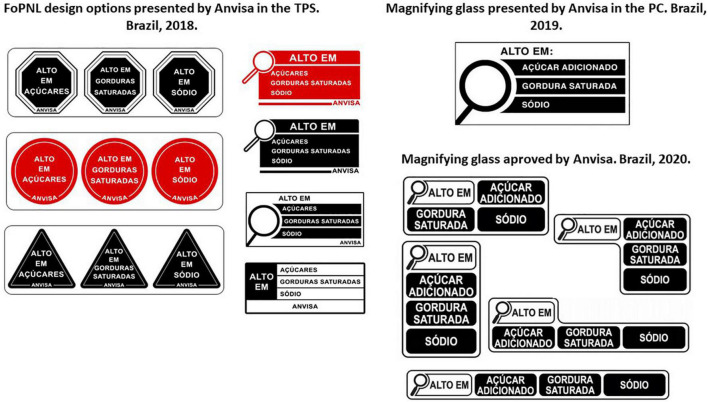
In 2020, Brazil approved the introduction of a new front-of-package nutrition labeling (FoPNL) in the format of a magnifying glass (MG) after years of discussion. There is currently a lack of understanding of the role of the food industry in that process. This study aimed to describe the corporate political activity (CPA) of the food industry and conflicts of interest situations, as they happened during the development and approval of a new FoPNL system in Brazil.
We undertook bibliographical and documentary searches using material from food companies, trade associations and front groups involved in the regulatory process. We (1) collected information about the case study context, (2) collected data from documentary sources, and (3) prepared a synthesis of the results and a timeline of key events.
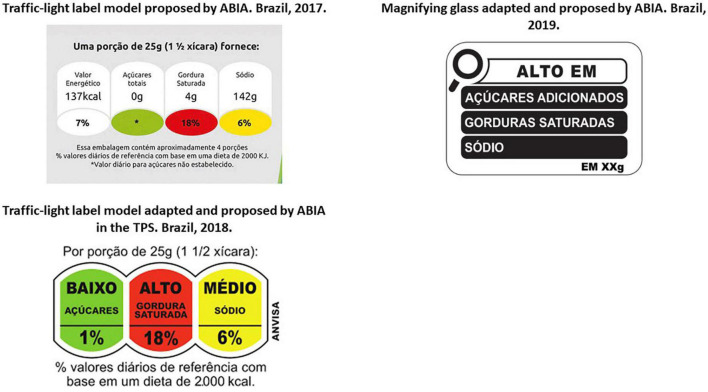
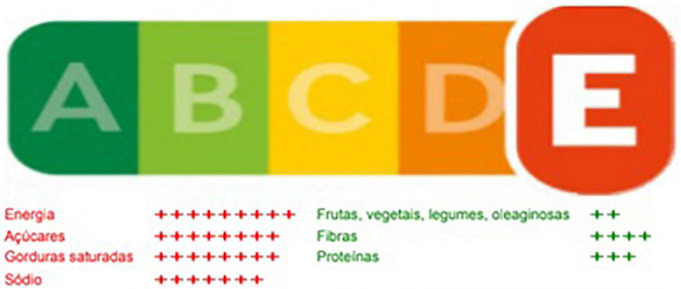
RESULTS/DISCUSSION: During the FoPNL regulatory process in Brazil, the food industry opposed the introduction of warning labels, a model supported by health authorities and implemented with success in other countries in Latin America. The food industry rather promoted a traffic-light labeling system, known to be less effective at guiding individuals to make healthier food choices. Later in the process, when it was evident that its preferred model would not be used, and a MG would rather be introduced, the food industry argued for the use of a different version of this FoPNL model. We found that the food industry, all along the process, was directly involved in and influenced the development of the FoPNL, by providing technical support, advising and lobbying policymakers. The food industry also established relationships with a consumer non-governmental organization and nutrition professional societies. The food industry also produced and disseminated information supporting its position in order to influence public opinion and high-level decision makers, and used the legal system to delay the process.
The FoPNL in Brazil is neither aligned with the recommendations of international health organizations nor with existing independent scientific evidence. The new FoPNL, as adopted in Brazil, reflects some of the preferences of the industry; it is likely that the influence of that sector during the legislative process was pivotal, even if its initial proposal was not adopted.
经过多年讨论,巴西于2020年批准引入一种新的包装正面营养标签(FoPNL),其形式为放大镜(MG)。目前人们对食品行业在这一过程中所起的作用缺乏了解。本研究旨在描述食品行业的企业政治活动(CPA)以及利益冲突情况,这些情况发生在巴西新FoPNL系统的开发和批准过程中。
我们利用参与监管过程的食品公司、行业协会和前沿组织的材料进行了文献和文件检索。我们(1)收集了有关案例研究背景的信息,(2)从文件来源收集数据,(3)对结果进行了综合整理并编制了关键事件时间表。
结果/讨论:在巴西FoPNL监管过程中,食品行业反对引入警示标签,而健康当局支持这一模式,且该模式已在拉丁美洲其他国家成功实施。食品行业反而推广了交通信号灯标签系统,众所周知,该系统在引导个人做出更健康的食品选择方面效果较差。在这一过程的后期,当很明显其首选模式不会被采用,而更有可能引入MG时,食品行业主张使用该FoPNL模式的不同版本。我们发现,在整个过程中,食品行业通过提供技术支持、为政策制定者提供建议和游说,直接参与并影响了FoPNL的发展。食品行业还与一个消费者非政府组织和营养专业协会建立了关系。食品行业还制作并传播支持其立场的信息,以影响公众舆论和高层决策者,并利用法律系统拖延这一进程。
巴西的FoPNL既不符合国际卫生组织的建议,也不符合现有的独立科学证据。巴西采用的新FoPNL反映了该行业的一些偏好;即使其最初的提议未被采纳,该行业在立法过程中的影响可能也起到了关键作用。