Neurosurgery Center, The National Key Clinical Specialty, The Engineering Technology Research Center of Education Ministry of China on Diagnosis and Treatment of Cerebrovascular Disease, Guangdong Provincial Key Laboratory on Brain Function Repair and Regeneration, The Neurosurgery Institute of Guangdong Province, Guangdong-Hong Kong-Macao Greater Bay Area Center for Brain Science and Brain-Inspired Intelligence, Zhujiang Hospital, Southern Medical University, Guangzhou 510282, China.
Department of Obstetrics and Gynaecology, The Chinese University of Hong Kong, Hong Kong, China.
Molecules. 2023 Feb 8;28(4):1623. doi: 10.3390/molecules28041623.
Among cancer-related deaths, hepatocellular carcinoma (HCC) ranks fourth, and traditional Chinese medicine (TCM) treatment is an important complementary alternative therapy for HCC. Curcumin is a natural ingredient extracted from with anti-HCC activity, while the therapeutic mechanisms of curcumin remain unclear, especially on ferroptosis and cuproptosis.
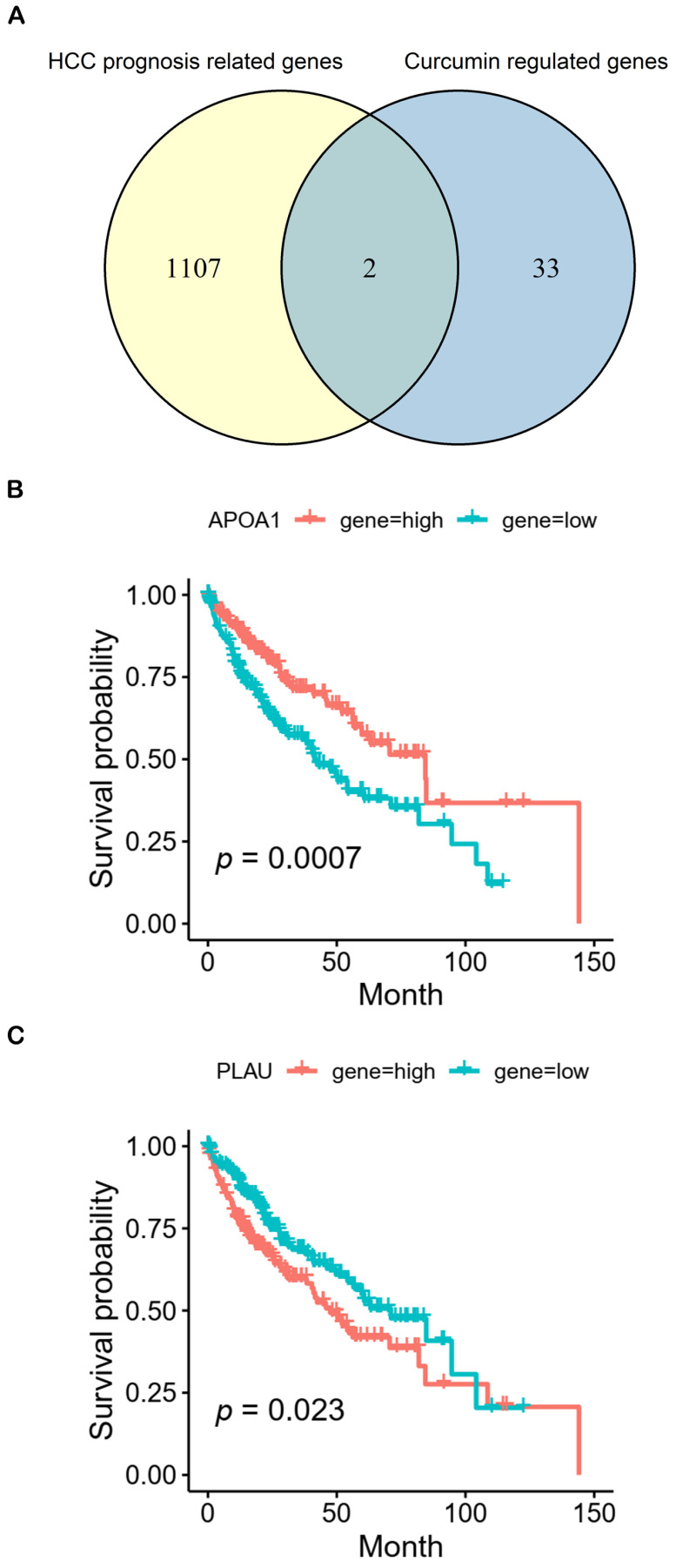
Differentially expressed genes (DEGs) of curcumin treatment in PLC, KMCH, and Huh7 cells were identified, respectively. The common genes among them were then obtained to perform functional enrichment analysis and prognostic analysis. Moreover, weighted gene co-expression network analysis (WGCNA) was carried out for the construction of the co-expression network. The ferroptosis potential index (FPI) and the cuproptosis potential index (CPI) were subsequently used to quantitatively analyze the levels of ferroptosis and cuproptosis. Finally, single-cell transcriptome analysis of liver cancer was conducted.
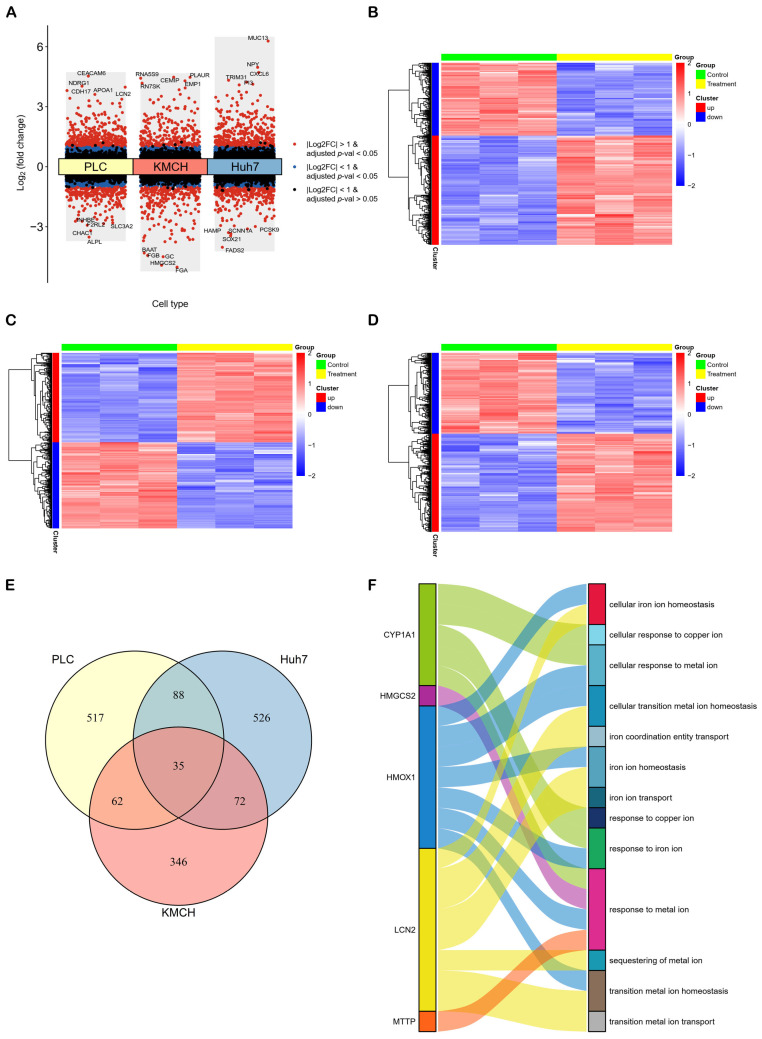
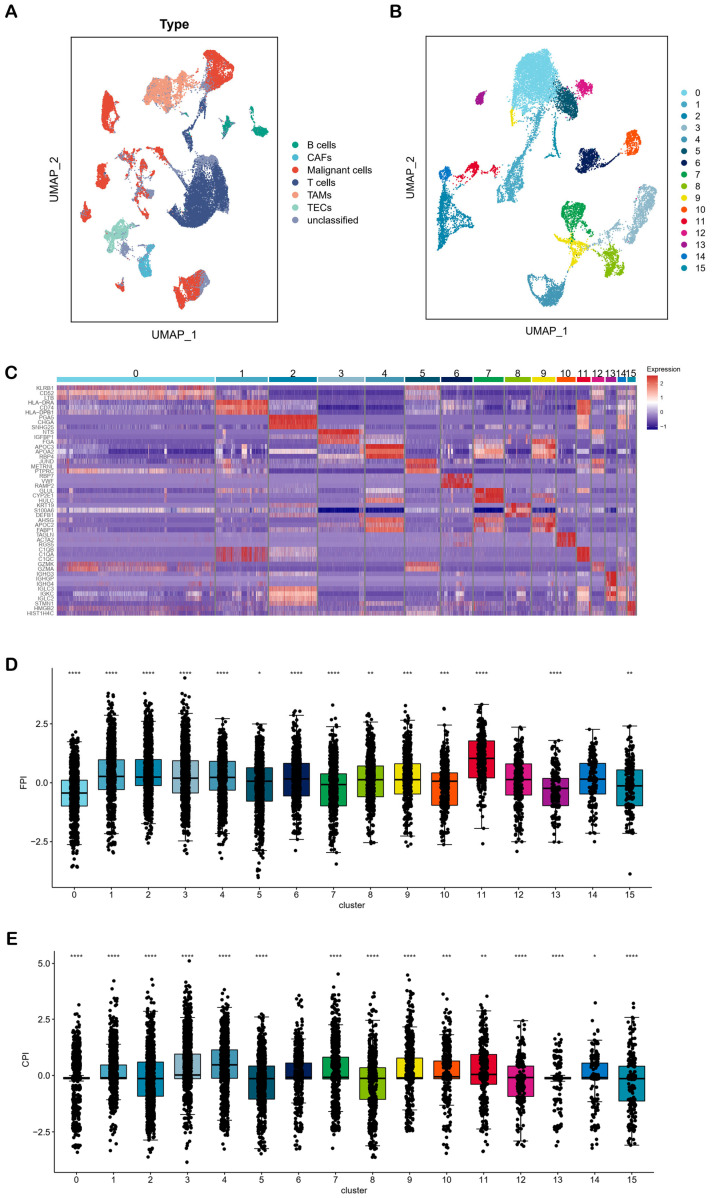
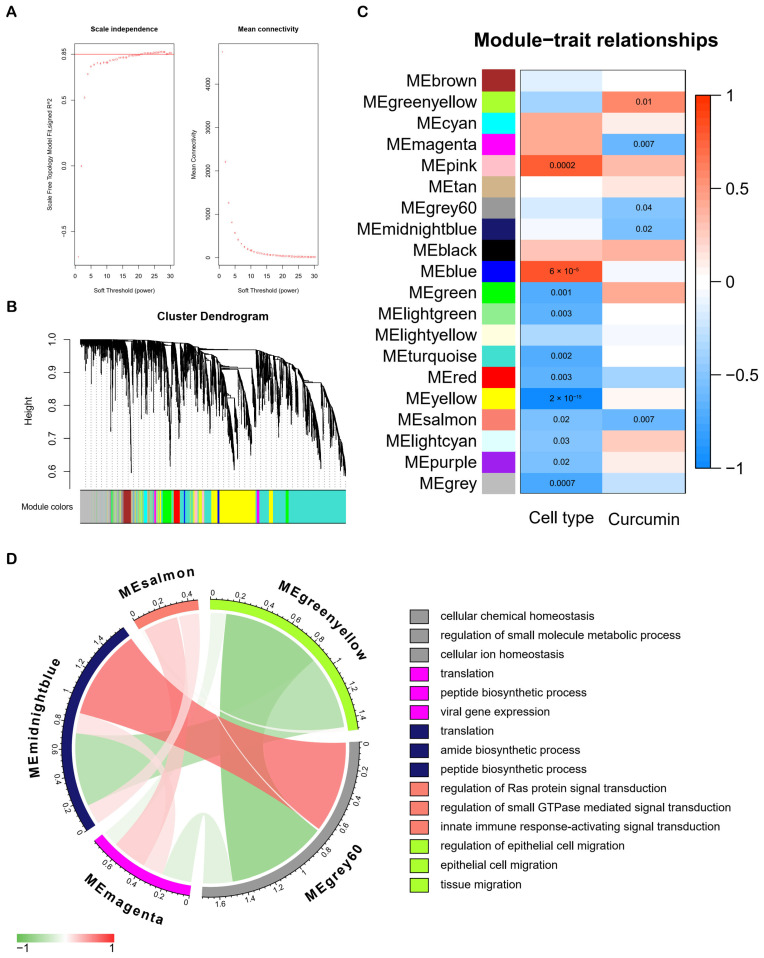
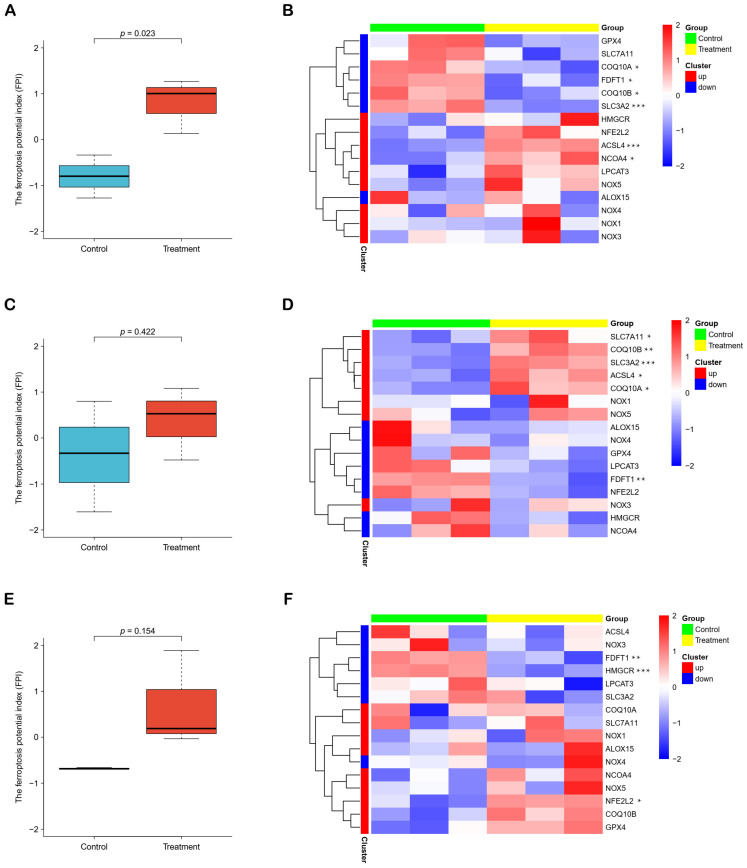
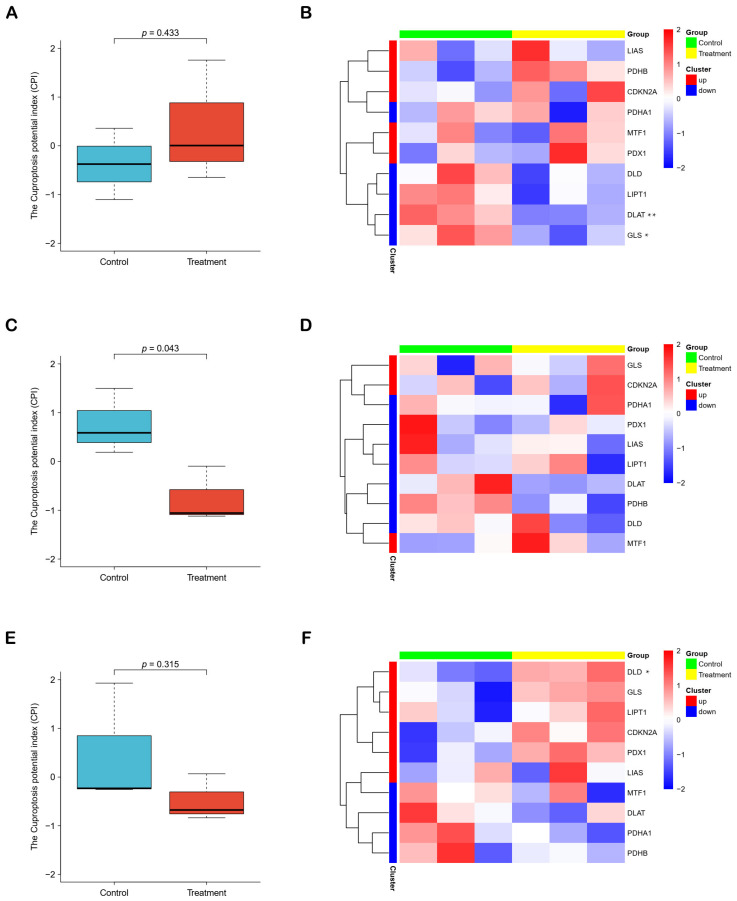
We first identified 702, 515, and 721 DEGs from curcumin-treated PLC, KMCH, and Huh7 cells, respectively. Among them, , , , , and may play an essential role in metal ion homeostasis. By WGCNA, grey60 co-expression module was associated with curcumin treatment and involved in the regulation of ion homeostasis. Furthermore, FPI and CPI assessment showed that curcumin had cell-specific effects on ferroptosis and cuproptosis in different HCC cells. In addition, there are also significant differences in ferroptosis and cuproptosis levels among 16 HCC cell subtypes according to single-cell transcriptome data analysis.
We developed CPI and combined it with FPI to quantitatively analyze curcumin-treated HCC cells. It was found that ferroptosis and cuproptosis, two known metal ion-mediated forms of programmed cell death, may have a vital effect in treating HCC with curcumin, and there are significant differences in various liver cancer cell types and curcumin treatment which should be considered in the clinical application of curcumin.
在癌症相关死亡中,肝细胞癌(HCC)位居第四,中医药治疗是 HCC 的重要补充替代疗法。姜黄素是从 中提取的天然成分,具有抗 HCC 活性,而姜黄素的治疗机制尚不清楚,特别是在铁死亡和铜死亡方面。
分别鉴定姜黄素处理 PLC、KMCH 和 Huh7 细胞的差异表达基因(DEGs)。然后获得它们之间的共同基因,进行功能富集分析和预后分析。此外,进行加权基因共表达网络分析(WGCNA)以构建共表达网络。随后使用铁死亡潜能指数(FPI)和铜死亡潜能指数(CPI)定量分析铁死亡和铜死亡的水平。最后,进行肝癌单细胞转录组分析。
我们首先从姜黄素处理的 PLC、KMCH 和 Huh7 细胞中分别鉴定出 702、515 和 721 个 DEGs。其中, 、 、 、 和 可能在金属离子稳态中发挥重要作用。通过 WGCNA,灰色 60 共表达模块与姜黄素处理相关,参与离子稳态的调节。此外,FPI 和 CPI 评估表明,姜黄素对不同 HCC 细胞中的铁死亡和铜死亡具有细胞特异性作用。此外,根据单细胞转录组数据分析,在 16 种 HCC 细胞亚型中,铁死亡和铜死亡水平也存在显著差异。
我们开发了 CPI 并结合 FPI 对姜黄素处理的 HCC 细胞进行定量分析。结果表明,铁死亡和铜死亡,两种已知的金属离子介导的程序性细胞死亡形式,可能在姜黄素治疗 HCC 中具有重要作用,并且在各种肝癌细胞类型和姜黄素治疗中存在显著差异,这在姜黄素的临床应用中应予以考虑。