Maldonado Edio, Morales-Pison Sebastián, Urbina Fabiola, Solari Aldo
Programa de Biología Celular y Molecular, Instituto de Ciencias Biomédicas, Facultad de Medicina, Universidad de Chile, Santiago 8380453, Chile.
Centro de Oncología de Precisión (COP), Facultad de Medicina y Ciencias de la Salud, Universidad Mayor, Santiago 7560908, Chile.
Antioxidants (Basel). 2023 Mar 6;12(3):651. doi: 10.3390/antiox12030651.
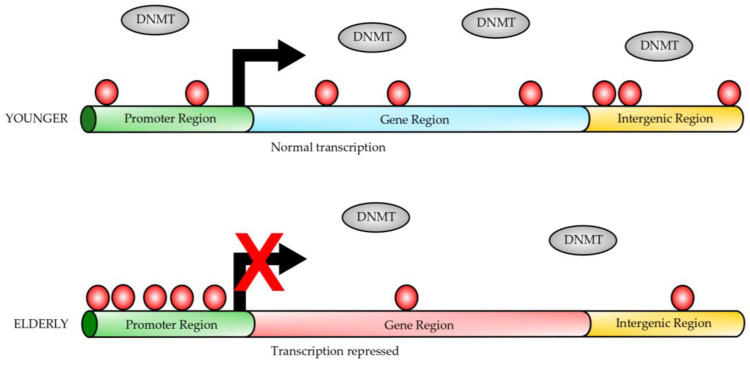
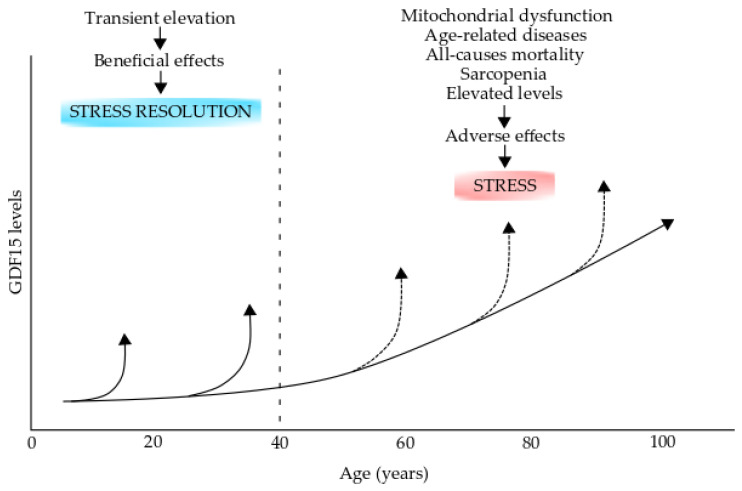
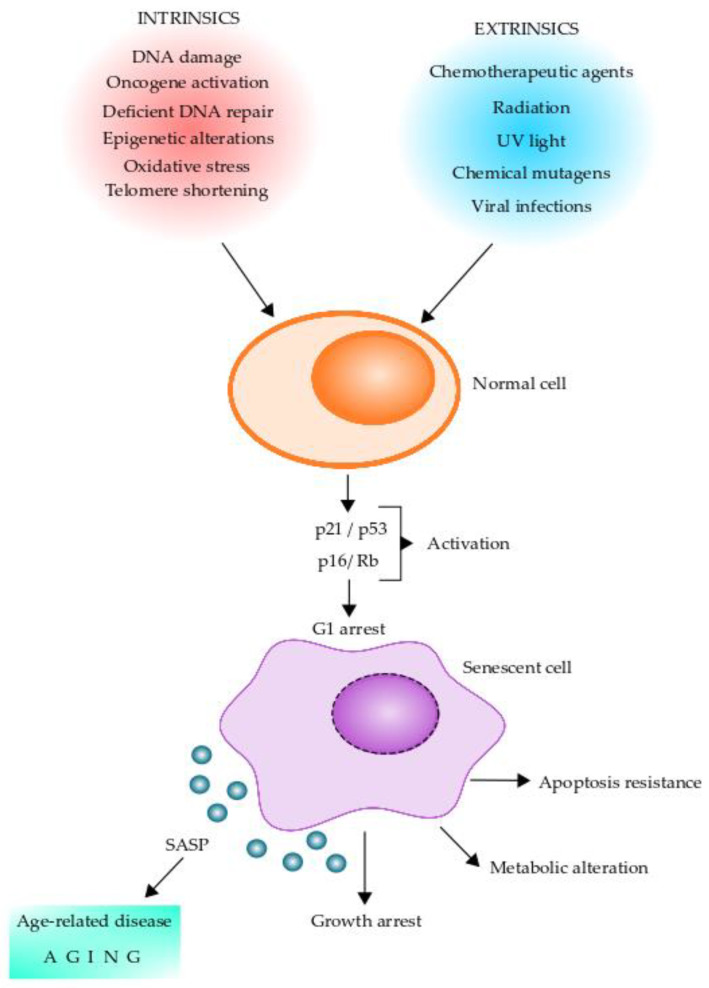
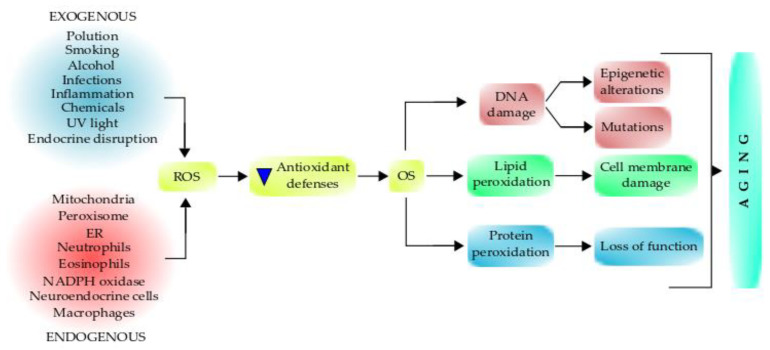
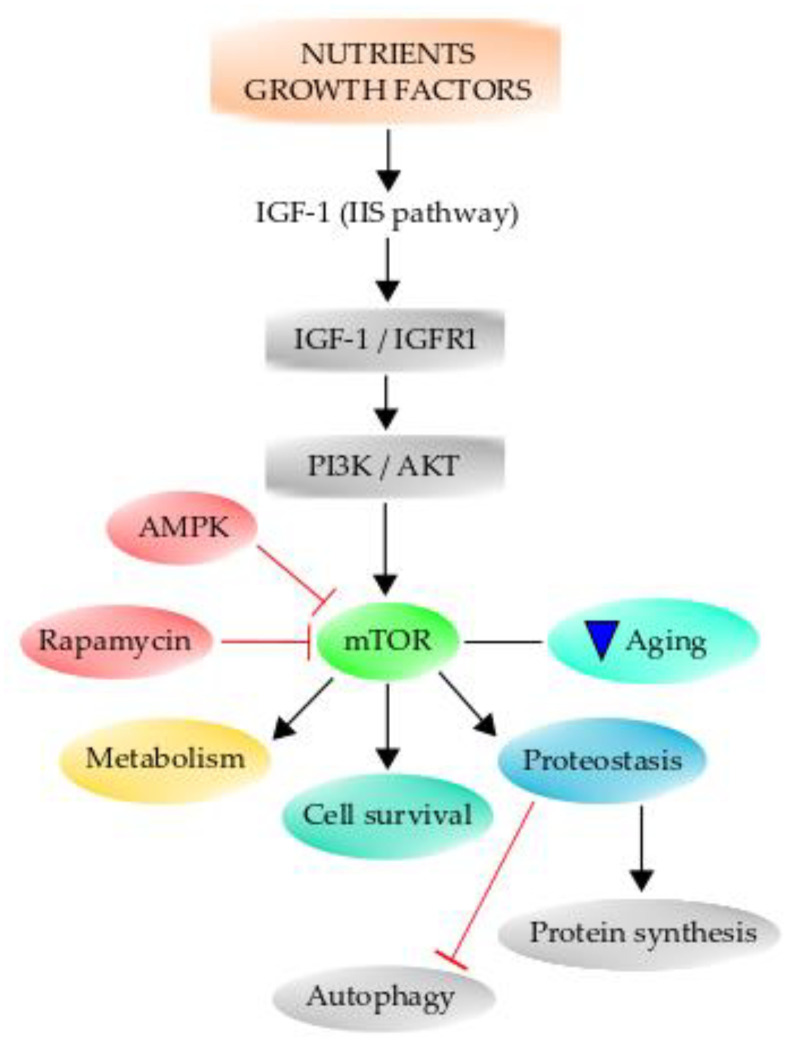
Aging is a complex biological process accompanied by a progressive decline in the physical function of the organism and an increased risk of age-related chronic diseases such as cardiovascular diseases, cancer, and neurodegenerative diseases. Studies have established that there exist nine hallmarks of the aging process, including (i) telomere shortening, (ii) genomic instability, (iii) epigenetic modifications, (iv) mitochondrial dysfunction, (v) loss of proteostasis, (vi) dysregulated nutrient sensing, (vii) stem cell exhaustion, (viii) cellular senescence, and (ix) altered cellular communication. All these alterations have been linked to sustained systemic inflammation, and these mechanisms contribute to the aging process in timing not clearly determined yet. Nevertheless, mitochondrial dysfunction is one of the most important mechanisms contributing to the aging process. Mitochondria is the primary endogenous source of reactive oxygen species (ROS). During the aging process, there is a decline in ATP production and elevated ROS production together with a decline in the antioxidant defense. Elevated ROS levels can cause oxidative stress and severe damage to the cell, organelle membranes, DNA, lipids, and proteins. This damage contributes to the aging phenotype. In this review, we summarize recent advances in the mechanisms of aging with an emphasis on mitochondrial dysfunction and ROS production.
衰老 是一个复杂的生物学过程,伴随着生物体生理功能的逐渐衰退以及患心血管疾病、癌症和神经退行性疾病等与年龄相关的慢性疾病的风险增加。研究表明,衰老过程存在九个特征,包括:(i)端粒缩短;(ii)基因组不稳定;(iii)表观遗传修饰;(iv)线粒体功能障碍;(v)蛋白质稳态丧失;(vi)营养感应失调;(vii)干细胞耗竭;(viii)细胞衰老;以及(ix)细胞通讯改变。所有这些改变都与持续的全身炎症有关,并且这些机制在尚未明确确定的时间点上对衰老过程有影响。然而,线粒体功能障碍是导致衰老过程的最重要机制之一。线粒体是活性氧(ROS)的主要内源性来源。在衰老过程中,ATP生成减少,ROS生成增加,同时抗氧化防御能力下降。ROS水平升高会导致氧化应激并对细胞、细胞器膜、DNA、脂质和蛋白质造成严重损伤。这种损伤导致了衰老表型。在本综述中,我们总结了衰老机制的最新进展,重点是线粒体功能障碍和ROS生成。