Shi Huaqing, Li Xin, Chen Zhou, Jiang Wenkai, Dong Shi, He Ru, Zhou Wence
Second College of Clinical Medicine, Lanzhou University, Lanzhou 730000, China.
The First Clinical Medical College, Lanzhou University, Lanzhou 730030, China.
J Pers Med. 2023 Feb 24;13(3):409. doi: 10.3390/jpm13030409.
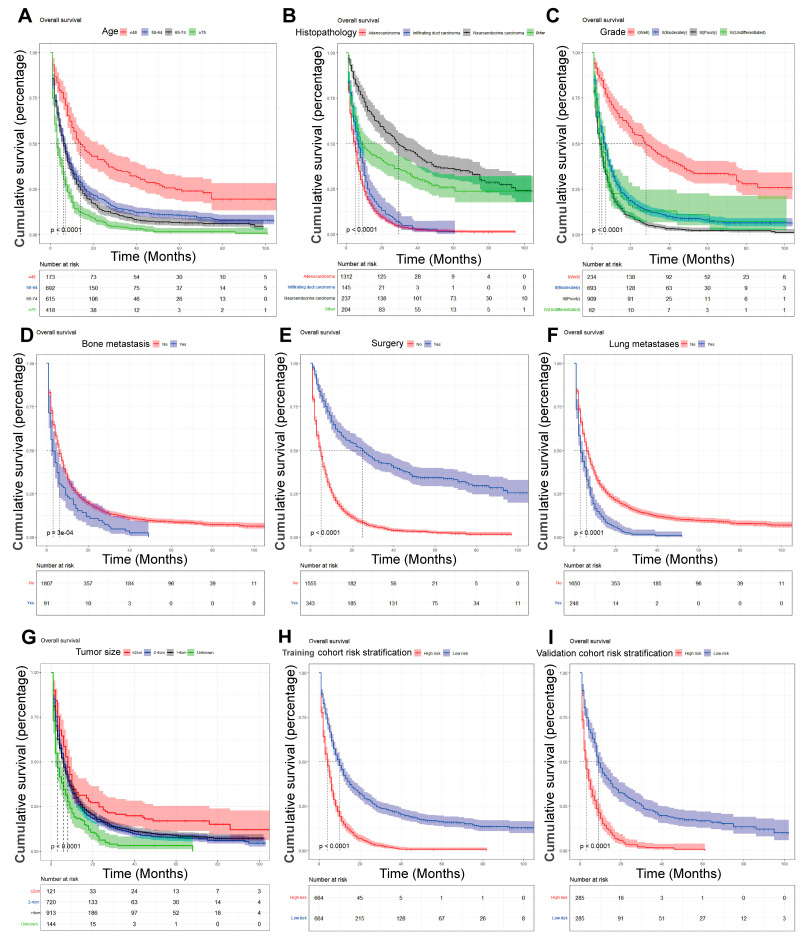
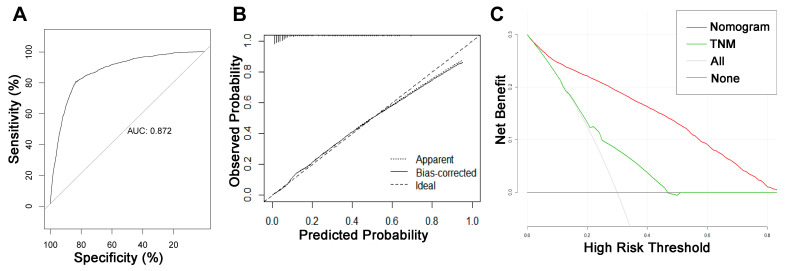
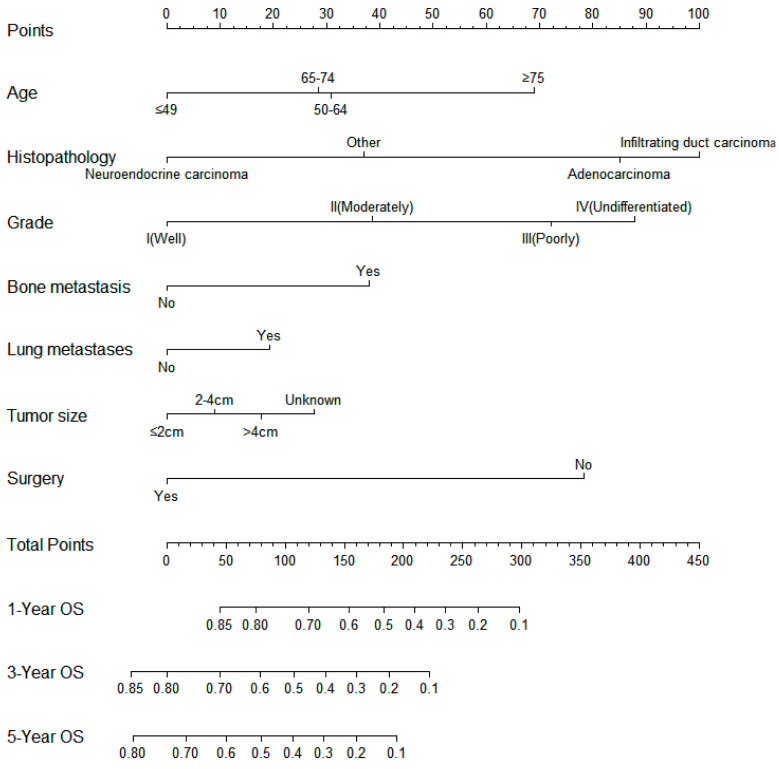
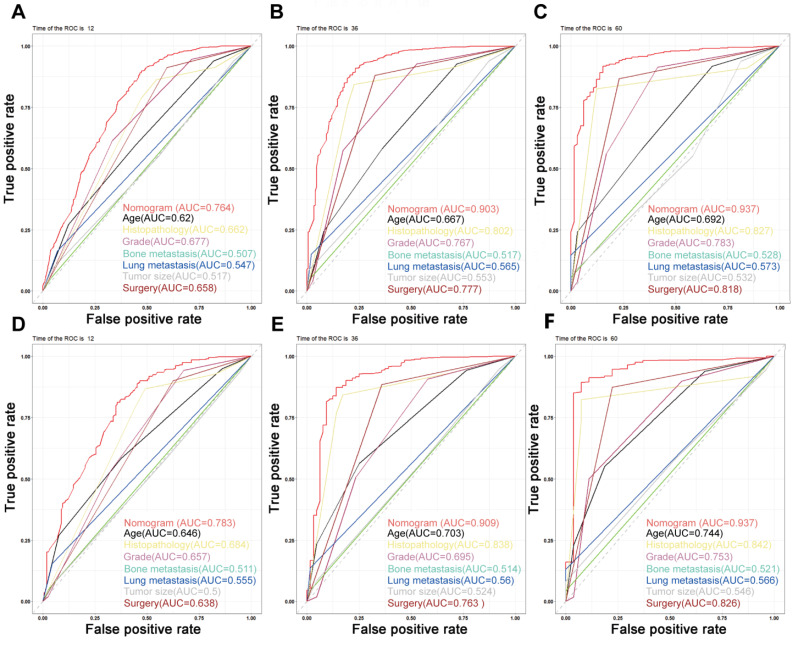
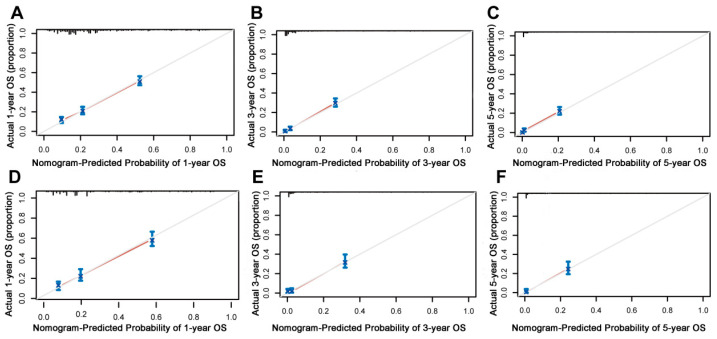
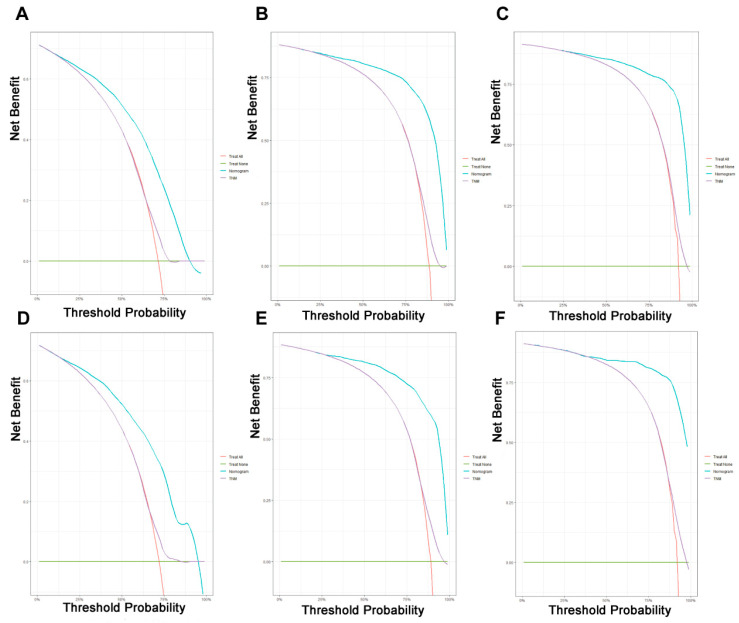
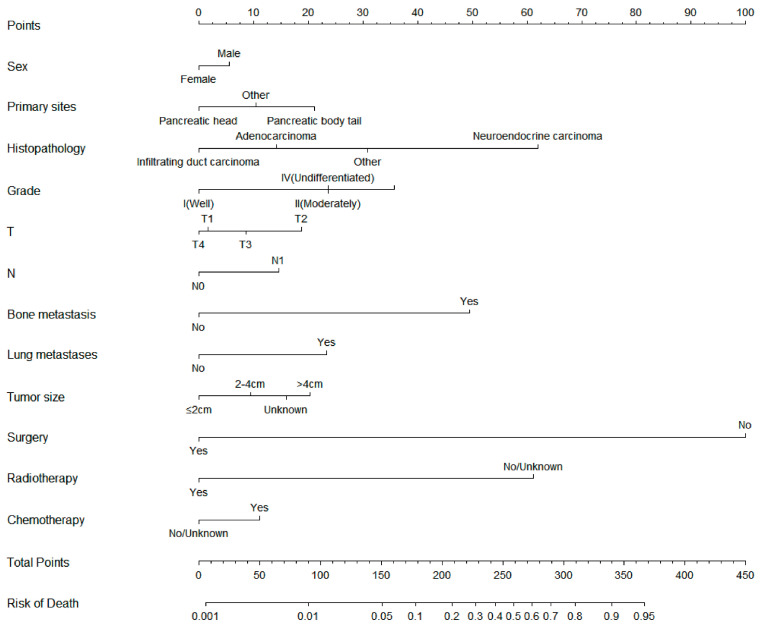
The liver is the most prevalent location of distant metastasis for pancreatic cancer (PC), which is highly aggressive. Pancreatic cancer with liver metastases (PCLM) patients have a poor prognosis. Furthermore, there is a lack of effective predictive tools for anticipating the diagnostic and prognostic techniques that are needed for the PCLM patients in current clinical work. Therefore, we aimed to construct two nomogram predictive models incorporating common clinical indicators to anticipate the risk factors and prognosis for PCLM patients. Clinicopathological information on pancreatic cancer that referred to patients who had been diagnosed between the years of 2004 and 2015 was extracted from the Surveillance, Epidemiology, and End Results (SEER) database. Univariate and multivariate logistic regression analyses and a Cox regression analysis were utilized to recognize the independent risk variables and independent predictive factors for the PCLM patients, respectively. Using the independent risk as well as prognostic factors derived from the multivariate regression analysis, we constructed two novel nomogram models for predicting the risk and prognosis of PCLM patients. The area under the curve (AUC) of the receiver operating characteristic (ROC) curve, the consistency index (C-index), and the calibration curve were then utilized to establish the accuracy of the nomograms' predictions and their discriminability between groups. Using a decision curve analysis (DCA), the clinical values of the two predictors were examined. Finally, we utilized Kaplan-Meier curves to examine the effects of different factors on the prognostic overall survival (OS). As many as 1898 PCLM patients were screened. The patient's sex, primary site, histopathological type, grade, T stage, N stage, bone metastases, lung metastases, tumor size, surgical resection, radiotherapy, and chemotherapy were all found to be independent risks variables for PCLM in a multivariate logistic regression analysis. Using a multivariate Cox regression analysis, we discovered that age, histopathological type, grade, bone metastasis, lung metastasis, tumor size, and surgery were all independent prognostic variables for PCLM. According to these factors, two nomogram models were developed to anticipate the prognostic OS as well as the risk variables for the progression of PCLM in PCLM patients, and a web-based version of the prediction model was constructed. The diagnostic nomogram model had a C-index of 0.884 (95% CI: 0.876-0.892); the prognostic model had a C-index of 0.686 (95% CI: 0.648-0.722) in the training cohort and a C-index of 0.705 (95% CI: 0.647-0.758) in the validation cohort. Subsequent AUC, calibration curve, and DCA analyses revealed that the risk and predictive model of PCLM had high accuracy as well as efficacy for clinical application. The nomograms constructed can effectively predict risk and prognosis factors in PCLM patients, which facilitates personalized clinical decision-making for patients.
肝脏是胰腺癌(PC)远处转移最常见的部位,胰腺癌具有高度侵袭性。伴有肝转移的胰腺癌(PCLM)患者预后较差。此外,在当前临床工作中,缺乏有效的预测工具来预测PCLM患者所需的诊断和预后技术。因此,我们旨在构建两个包含常见临床指标的列线图预测模型,以预测PCLM患者的危险因素和预后。从监测、流行病学和最终结果(SEER)数据库中提取了2004年至2015年间确诊的胰腺癌患者的临床病理信息。单因素和多因素逻辑回归分析以及Cox回归分析分别用于识别PCLM患者的独立风险变量和独立预测因素。利用多因素回归分析得出的独立风险和预后因素,我们构建了两个新的列线图模型,用于预测PCLM患者的风险和预后。然后利用受试者工作特征(ROC)曲线下面积(AUC)、一致性指数(C-index)和校准曲线来确定列线图预测的准确性及其在组间的区分能力。使用决策曲线分析(DCA)来检验这两个预测指标的临床价值。最后,我们利用Kaplan-Meier曲线来检验不同因素对预后总生存期(OS)的影响。共筛选出1898例PCLM患者。在多因素逻辑回归分析中,患者的性别、原发部位、组织病理学类型、分级、T分期、N分期、骨转移、肺转移、肿瘤大小、手术切除、放疗和化疗均被发现是PCLM的独立风险变量。通过多因素Cox回归分析,我们发现年龄、组织病理学类型、分级、骨转移、肺转移、肿瘤大小和手术都是PCLM的独立预后变量。根据这些因素,开发了两个列线图模型,以预测PCLM患者的预后OS以及PCLM进展的风险变量,并构建了基于网络的预测模型版本。诊断列线图模型的C-index为0.884(95%CI:0.876-0.892);预后模型在训练队列中的C-index为0.686(95%CI:0.648-0.722),在验证队列中的C-index为0.705(95%CI:0.647-0.758)。随后的AUC、校准曲线和DCA分析表明,PCLM的风险和预测模型具有较高的准确性以及临床应用效能。构建的列线图可以有效预测PCLM患者的风险和预后因素,有助于为患者进行个性化的临床决策。