Kairey Lana, Agnew Tamara, Bowles Esther Joy, Barkla Bronwyn J, Wardle Jon, Lauche Romy
National Centre for Naturopathic Medicine, Southern Cross University, Lismore, NSW, Australia.
Southern Cross Plant Science, Faculty of Science and Engineering, Southern Cross University, Lismore, NSW, Australia.
Front Pharmacol. 2023 Mar 24;14:1116077. doi: 10.3389/fphar.2023.1116077. eCollection 2023.
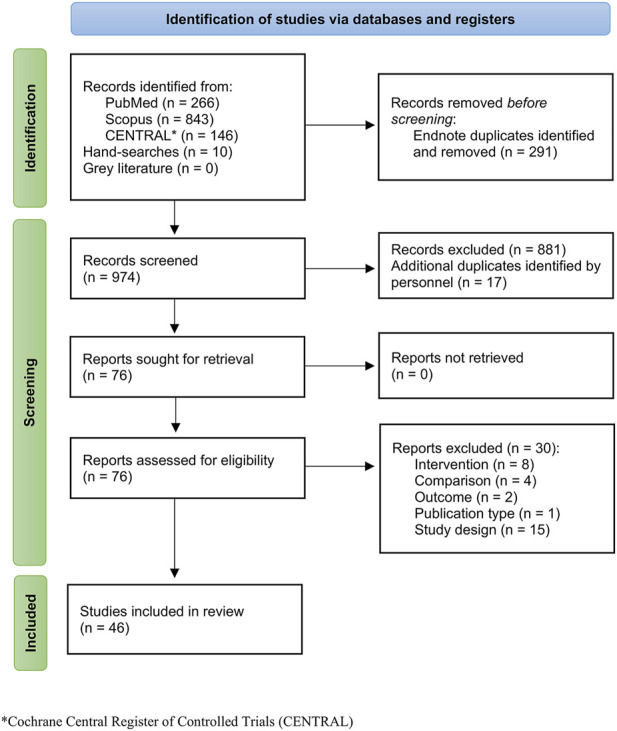
Leaves of the Australian tea tree plant were used traditionally by First Nations Australians for treating wounds, burns, and insect bites. Tea tree oil, the essential oil steam-distilled from , is well-known for its medicinal properties, the evidence for most applications however is limited. This review aimed to critically appraise evidence from clinical trials examining the therapeutic efficacy and safety of tea tree oil on outcomes. Randomized controlled trials with participants of any age, gender, or health status, comparing tea tree oil to any control were included, without limit on publication date. Electronic databases were searched on 12 August 2022 with additional records sourced from article reference sections, reviews, and industry white papers. Risk of bias was assessed by two authors independently using the Cochrane risk-of-bias 1.0 tool. Results were summarized and synthesized thematically. Forty-six articles were eligible from the following medical fields ( = 18, = 9, = 9, = 6, = 3; and = 1). Results indicate that oral mouthwashes with 0.2%-0.5% tea tree oil may limit accumulation of dental plaque. Gels containing 5% tea tree oil applied directly to the periodontium may aid treatment of periodontitis as an adjunctive therapy to scaling and root planing. More evidence is needed to confirm the benefits of tea tree oil for reducing acne lesions and severity. Local anti-inflammatory effects on skin, if any, also require further elucidation. Topical tea tree oil regimens show similar efficacy to standard treatments for decolonizing the body from methicillin-resistant , although intra-nasal use of tea tree oil may cause irritation to mucous membranes. Tea tree oil with added iodine may provide an effective treatment for lesions in young children. More evidence on efficacy of tea tree oil-based eyelid wipes for mite control are needed. Side effects were reported in 60% of included studies and were minor, except where tea tree oil was applied topically in concentrations ≥ 25%. Overall, the quality of research was poor to modest and higher quality trials with larger samples and better reporting are required to substantiate potential therapeutic applications of tea tree oil. PROSPERO, identifier [CRD42021285168].
澳大利亚原住民传统上使用澳洲茶树的叶子来治疗伤口、烧伤和蚊虫叮咬。从澳洲茶树中通过水蒸气蒸馏得到的茶树油,因其药用特性而闻名,然而大多数应用的证据有限。本综述旨在严格评估来自临床试验的证据,这些试验考察了茶树油在各项结果上的治疗效果和安全性。纳入了针对任何年龄、性别或健康状况的参与者,将茶树油与任何对照进行比较的随机对照试验,且对发表日期没有限制。于2022年8月12日检索了电子数据库,并从文章参考文献、综述和行业白皮书获取了额外的记录。由两位作者独立使用Cochrane偏倚风险1.0工具评估偏倚风险。对结果进行了总结并按主题进行了综合分析。从以下医学领域筛选出46篇文章(皮肤病学 = 18篇,牙科 = 9篇,感染病学 = 9篇,儿科学 = 6篇,眼科学 = 3篇;其他 = 1篇)。结果表明,含0.2%-0.5%茶树油的口腔含漱液可能会限制牙菌斑的积聚。直接涂抹于牙周组织的含5%茶树油的凝胶,作为洗牙和根面平整的辅助治疗,可能有助于治疗牙周炎。需要更多证据来证实茶树油对减少痤疮皮损和严重程度的益处。其对皮肤的局部抗炎作用(如果有的话)也需要进一步阐明。局部使用茶树油方案在使身体从耐甲氧西林金黄色葡萄球菌定植中脱定植方面显示出与标准治疗相似的疗效,尽管鼻内使用茶树油可能会刺激黏膜。添加碘的茶树油可能为幼儿的皮肤损伤提供有效治疗。需要更多关于以茶树油为基础的眼睑擦拭巾控制睑缘炎螨虫效果的证据。在纳入的研究中,60%报告了副作用,且副作用较小,除非茶树油以≥25%的浓度局部应用。总体而言,研究质量较差至中等,需要进行样本量更大、报告更好的高质量试验,以证实茶树油潜在的治疗应用。国际前瞻性系统评价注册库,标识符[CRD42021285168]