Ford T J, Buchanan Derrick M, Azeez Azeezat, Benrimoh David A, Kaloiani Irakli, Bandeira Igor D, Hunegnaw Saron, Lan Lucy, Gholmieh Mia, Buch Vivek, Williams Nolan R
Brain Stimulation Laboratory, Department of Psychiatry and Behavioral Sciences, Stanford University, Palo Alto, CA, United States.
Department of Psychiatry, McGill University, Montreal, QC, Canada.
Front Digit Health. 2023 Mar 24;5:1146806. doi: 10.3389/fdgth.2023.1146806. eCollection 2023.
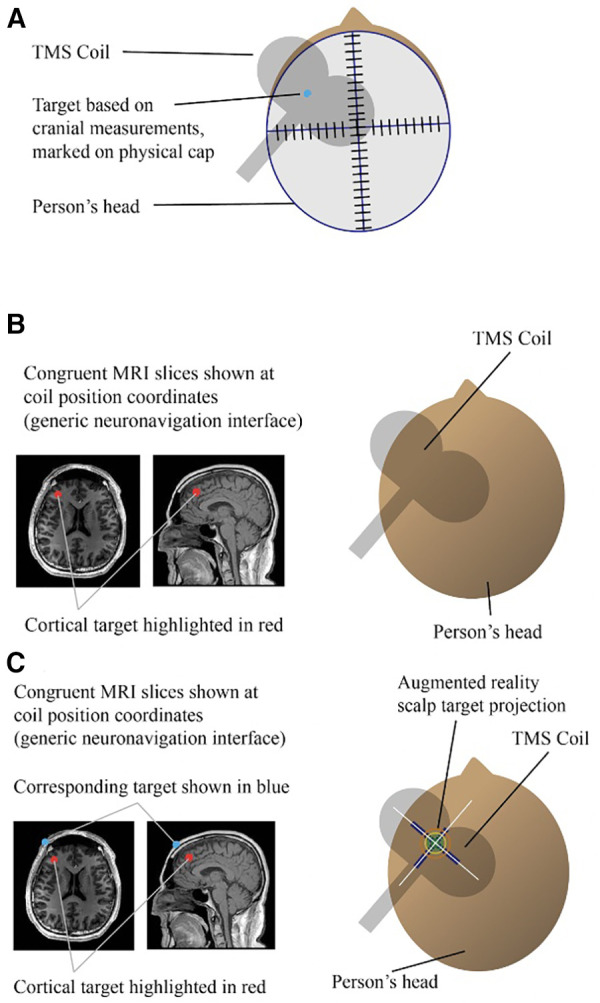
The landscape of psychiatry is ever evolving and has recently begun to be influenced more heavily by new technologies. One novel technology which may have particular application to psychiatry is the metaverse, a three-dimensional digital social platform accessed via augmented, virtual, and mixed reality (AR/VR/MR). The metaverse allows the interaction of users in a virtual world which can be measured and manipulated, posing at once exciting new possibilities and significant potential challenges and risks. While the final form of the nascent metaverse is not yet clear, the immersive simulation and holographic mixed reality-based worlds made possible by the metaverse have the potential to redefine neuropsychiatric care for both patients and their providers. While a number of applications for this technology can be envisioned, this article will focus on leveraging the metaverse in three specific domains: medical education, brain stimulation, and biofeedback. Within medical education, the metaverse could allow for more precise feedback to students performing patient interviews as well as the ability to more easily disseminate highly specialized technical skills, such as those used in advanced neurostimulation paradigms. Examples of potential applications in brain stimulation and biofeedback range from using AR to improve precision targeting of non-invasive neuromodulation modalities to more innovative practices, such as using physiological and behavioral measures derived from interactions in VR environments to directly inform and personalize treatment parameters for patients. Along with promising future applications, we also discuss ethical implications and data security concerns that arise when considering the introduction of the metaverse and related AR/VR technologies to psychiatric research and care.
精神病学领域一直在不断发展,最近开始更多地受到新技术的影响。一种可能在精神病学中有特殊应用的新技术是元宇宙,它是一个通过增强现实、虚拟现实和混合现实(AR/VR/MR)访问的三维数字社交平台。元宇宙允许用户在一个可以被测量和操控的虚拟世界中进行互动,这立刻带来了令人兴奋的新可能性以及重大的潜在挑战和风险。虽然新兴元宇宙的最终形式尚不明朗,但元宇宙所实现的沉浸式模拟和基于全息混合现实的世界有潜力为患者及其医护人员重新定义神经精神科护理。虽然可以设想这项技术的许多应用,但本文将重点关注在三个特定领域利用元宇宙:医学教育、脑刺激和生物反馈。在医学教育中,元宇宙可以为进行患者访谈的学生提供更精确的反馈,还能更轻松地传播高度专业化的技术技能,比如先进神经刺激范式中使用的技能。脑刺激和生物反馈方面潜在应用的例子包括利用AR提高非侵入性神经调节方式的精准靶向,到更具创新性的做法,比如利用从VR环境中的互动得出的生理和行为测量结果来直接为患者提供信息并个性化治疗参数。除了有前景的未来应用,我们还讨论了在考虑将元宇宙及相关AR/VR技术引入精神病学研究和护理时出现的伦理问题和数据安全问题。