Li Yuying, Feng Tao, Wang Yan
College of Marine Life Sciences, Ocean University of China, Qingdao, 266003 China.
Institute of Evolution and Marine Biodiversity, Ocean University of China, Qingdao, 266003 China.
Mar Life Sci Technol. 2022 Mar 28;4(2):163-178. doi: 10.1007/s42995-022-00126-1. eCollection 2022 May.
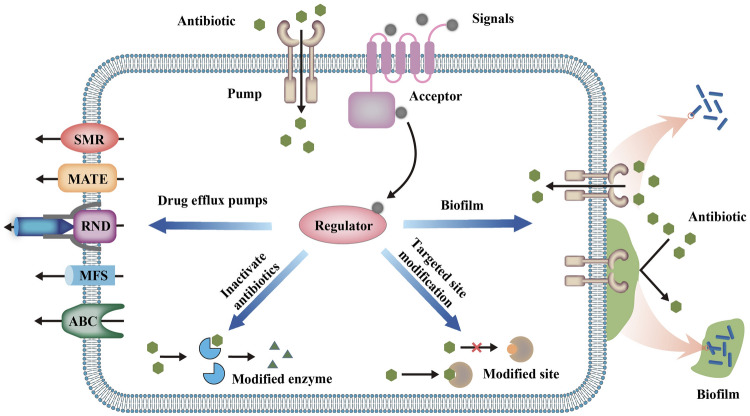
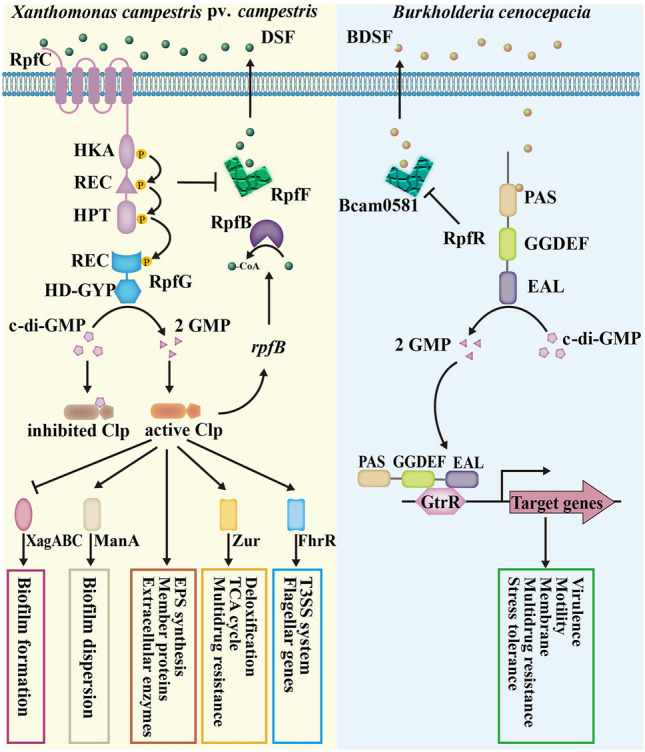
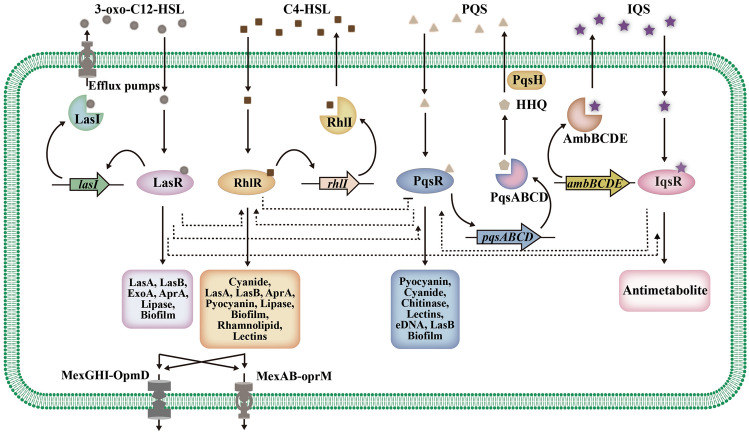
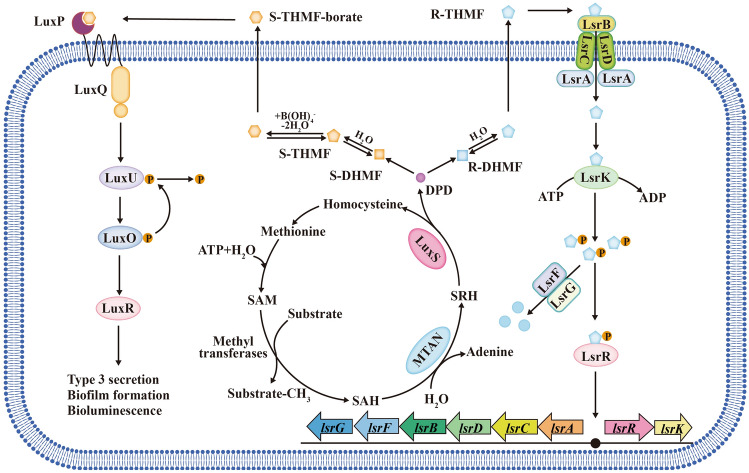
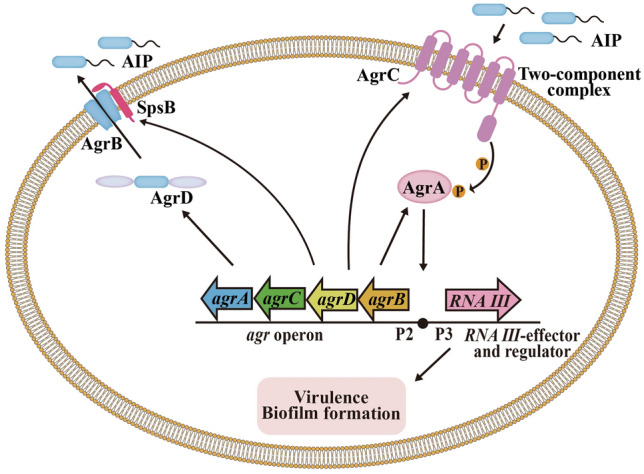
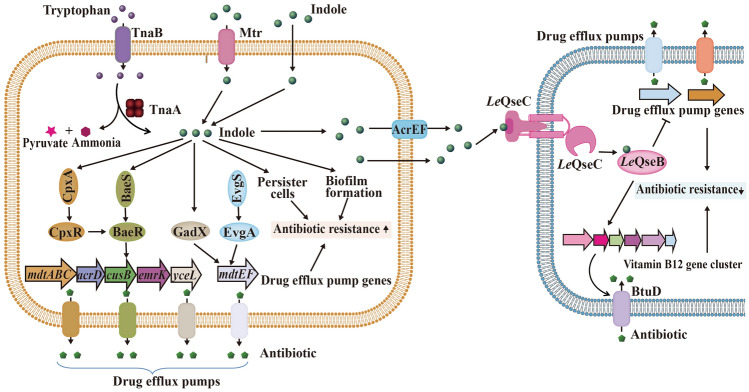
Excessive use of antibiotics poses a threat to public health and the environment. In ecosystems, such as the marine environment, antibiotic contamination has led to an increase in bacterial resistance. Therefore, the study of bacterial response to antibiotics and the regulation of resistance formation have become an important research field. Traditionally, the processes related to antibiotic responses and resistance regulation have mainly included the activation of efflux pumps, mutation of antibiotic targets, production of biofilms, and production of inactivated or passivation enzymes. In recent years, studies have shown that bacterial signaling networks can affect antibiotic responses and resistance regulation. Signaling systems mostly alter resistance by regulating biofilms, efflux pumps, and mobile genetic elements. Here we provide an overview of how bacterial intraspecific and interspecific signaling networks affect the response to environmental antibiotics. In doing so, this review provides theoretical support for inhibiting bacterial antibiotic resistance and alleviating health and ecological problems caused by antibiotic contamination.
过度使用抗生素对公众健康和环境构成威胁。在海洋环境等生态系统中,抗生素污染已导致细菌耐药性增加。因此,研究细菌对抗生素的反应以及耐药性形成的调控已成为一个重要的研究领域。传统上,与抗生素反应和耐药性调控相关的过程主要包括外排泵的激活、抗生素靶点的突变、生物膜的产生以及失活或钝化酶的产生。近年来,研究表明细菌信号网络可以影响抗生素反应和耐药性调控。信号系统大多通过调节生物膜、外排泵和可移动遗传元件来改变耐药性。在此,我们概述了细菌种内和种间信号网络如何影响对环境抗生素的反应。通过这样做,本综述为抑制细菌抗生素耐药性以及缓解抗生素污染引起的健康和生态问题提供了理论支持。