State Key Laboratory of High-Performance Ceramics and Superfine Microstructures, Shanghai Institute of Ceramics, Chinese Academy of Sciences, 1295 Dingxi Road, Shanghai, 200050, People's Republic of China.
Graduate School of the Chinese Academy of Sciences, No.19(A) Yuquan Road, Beijing, 100049, People's Republic of China.
J Nanobiotechnology. 2023 May 6;21(1):149. doi: 10.1186/s12951-023-01890-7.
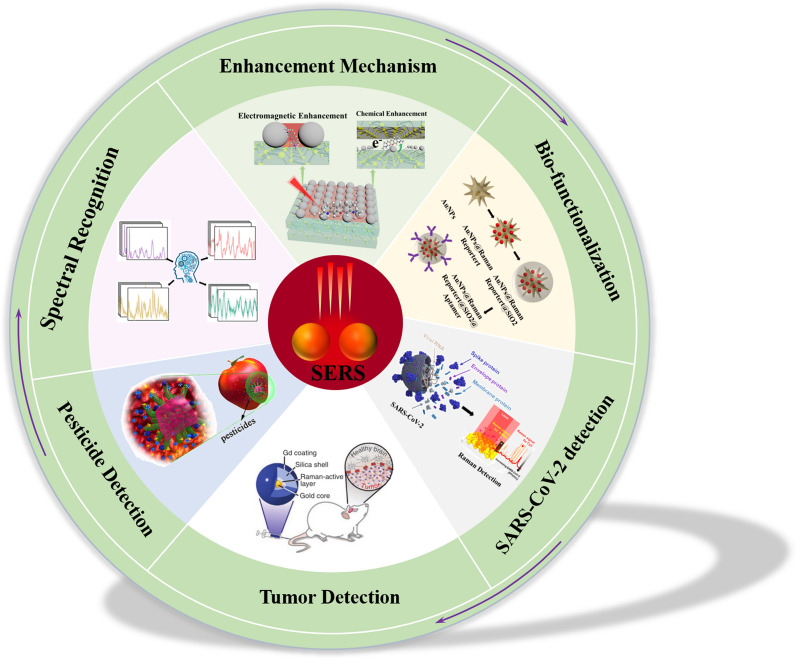
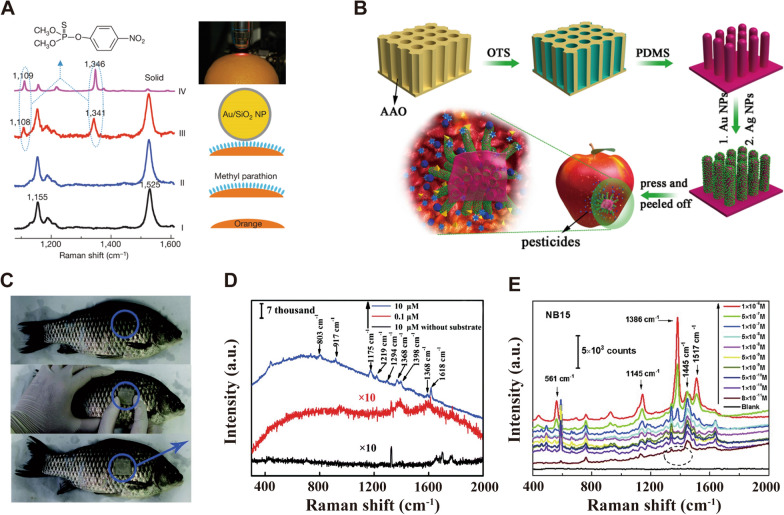
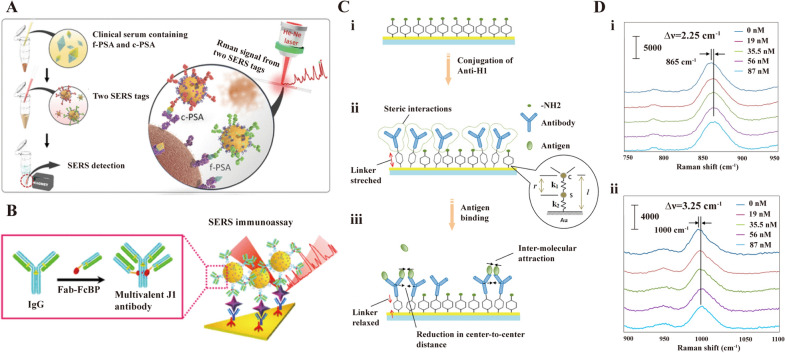
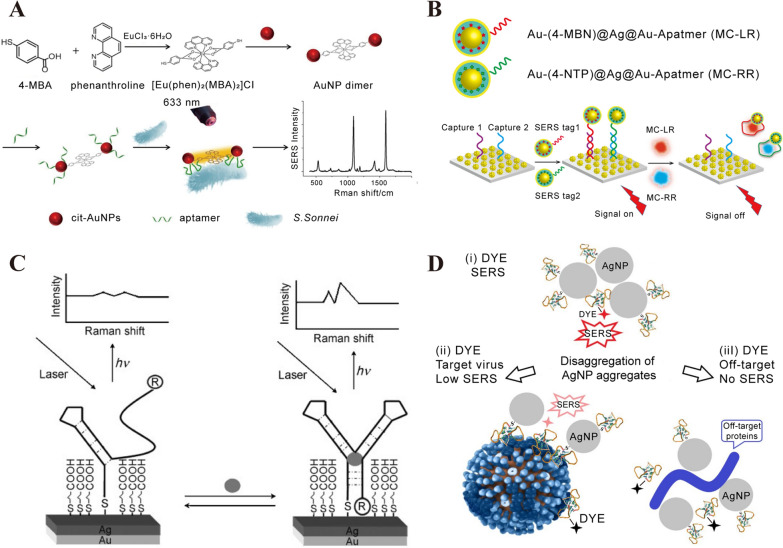
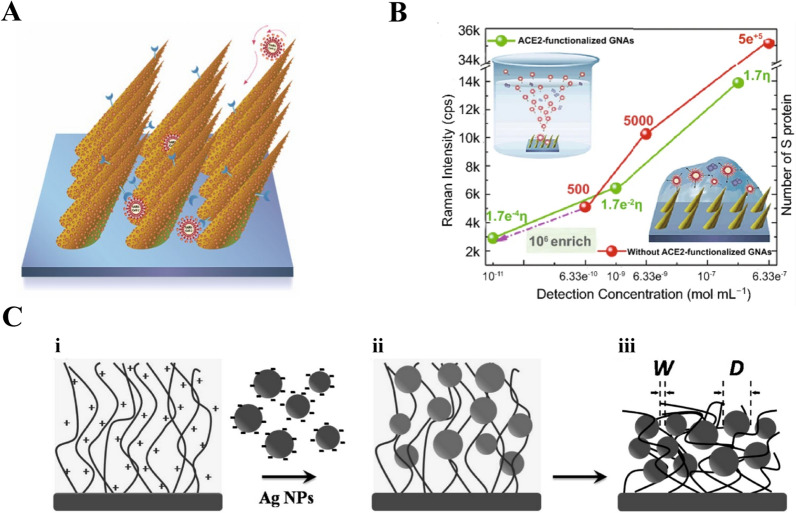
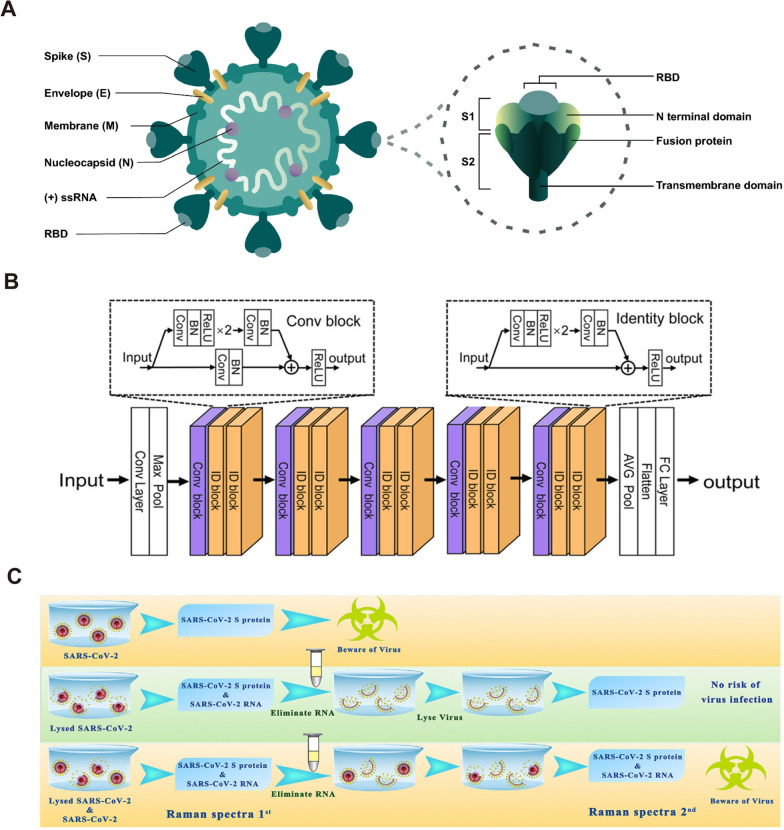
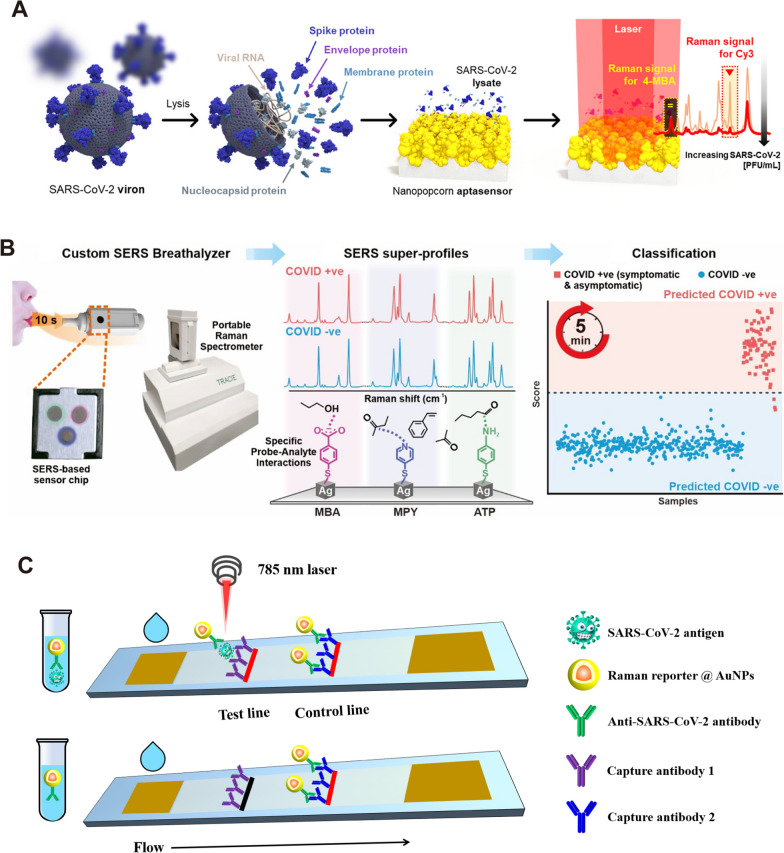
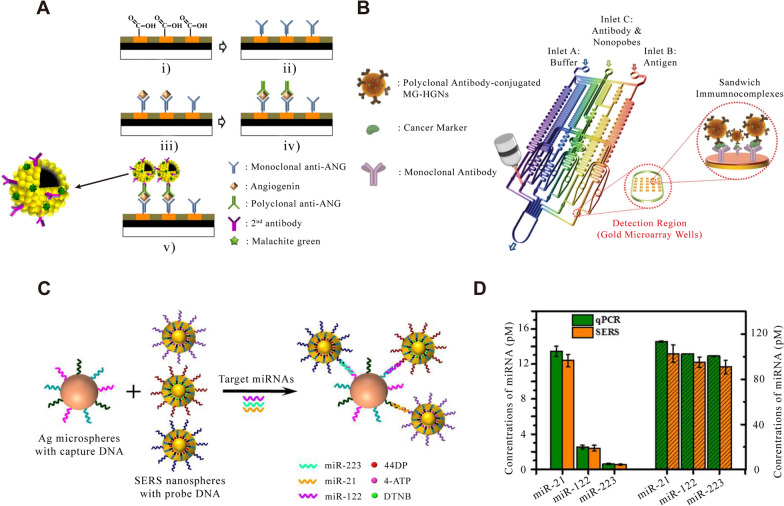
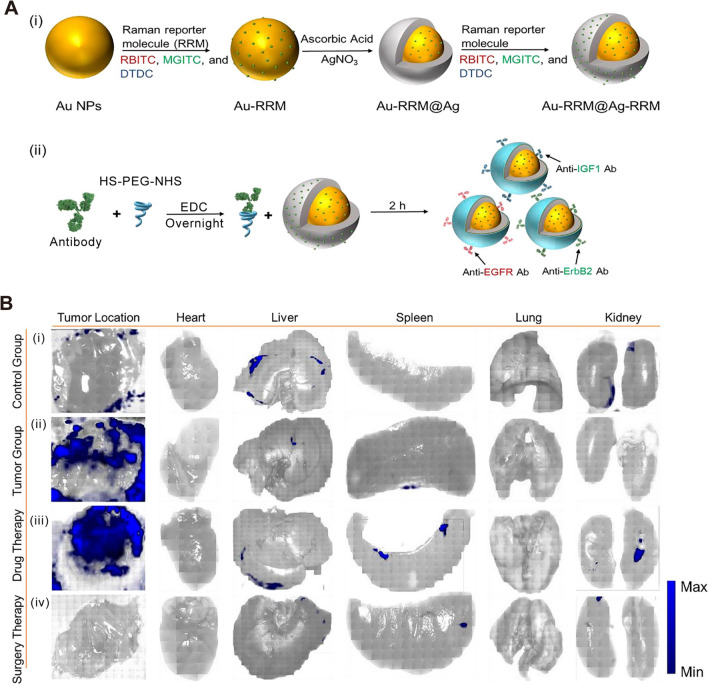
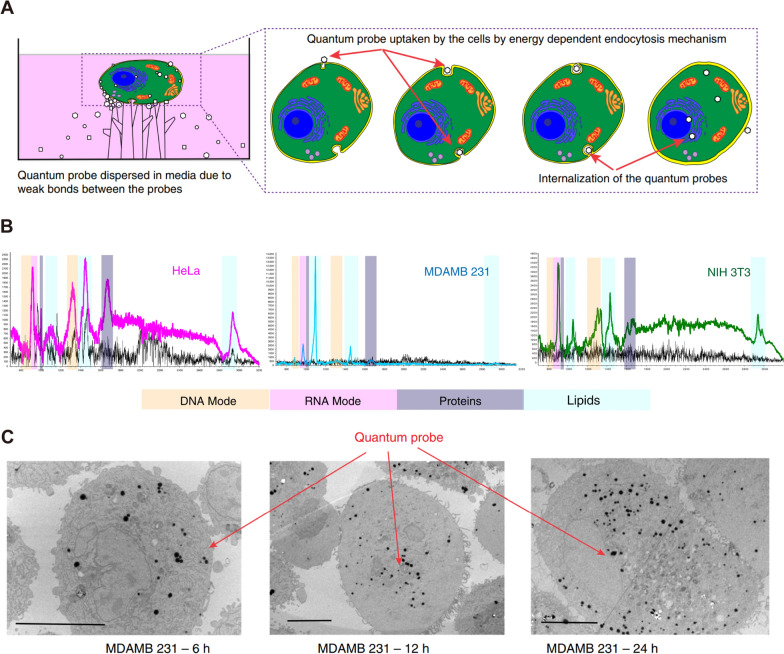
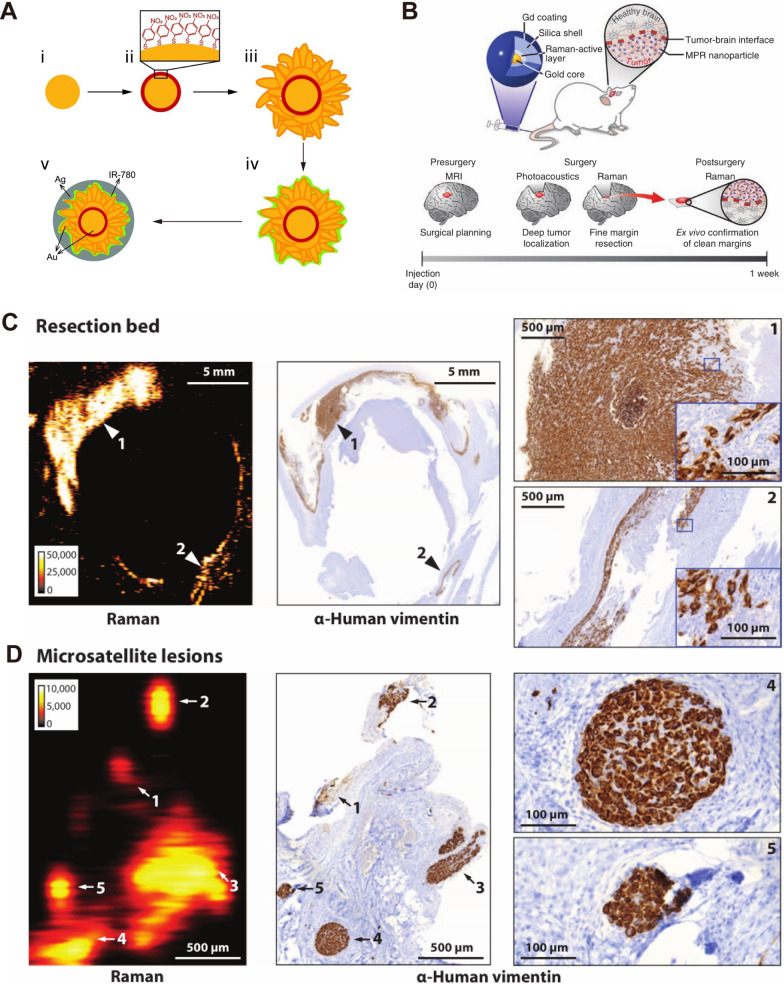
Surface-Enhanced Raman Scattering (SERS) technology, as a powerful tool to identify molecular species by collecting molecular spectral signals at the single-molecule level, has achieved substantial progresses in the fields of environmental science, medical diagnosis, food safety, and biological analysis. As deepening research is delved into SERS sensing, more and more high-performance or multifunctional SERS substrate materials emerge, which are expected to push Raman sensing into more application fields. Especially in the field of biological analysis, intrinsic and extrinsic SERS sensing schemes have been widely used and explored due to their fast, sensitive and reliable advantages. Herein, recent developments of SERS substrates and their applications in biomolecular detection (SARS-CoV-2 virus, tumor etc.), biological imaging and pesticide detection are summarized. The SERS concepts (including its basic theory and sensing mechanism) and the important strategies (extending from nanomaterials with tunable shapes and nanostructures to surface bio-functionalization by modifying affinity groups or specific biomolecules) for improving SERS biosensing performance are comprehensively discussed. For data analysis and identification, the applications of machine learning methods and software acquisition sources in SERS biosensing and diagnosing are discussed in detail. In conclusion, the challenges and perspectives of SERS biosensing in the future are presented.
表面增强拉曼散射(SERS)技术作为一种通过在单分子水平上收集分子光谱信号来识别分子种类的强大工具,在环境科学、医学诊断、食品安全和生物分析等领域取得了实质性的进展。随着对 SERS 传感的深入研究,越来越多的高性能或多功能 SERS 衬底材料涌现出来,有望将拉曼传感推向更多的应用领域。特别是在生物分析领域,由于其快速、灵敏和可靠的优点,内源性和外源性 SERS 传感方案得到了广泛的应用和探索。本文总结了 SERS 衬底及其在生物分子检测(SARS-CoV-2 病毒、肿瘤等)、生物成像和农药检测中的应用的最新进展。全面讨论了提高 SERS 生物传感性能的 SERS 概念(包括其基本理论和传感机制)和重要策略(从具有可调形状和纳米结构的纳米材料扩展到通过修饰亲和基团或特定生物分子进行表面生物功能化)。对于数据分析和识别,详细讨论了机器学习方法和软件采集源在 SERS 生物传感和诊断中的应用。最后,提出了 SERS 生物传感在未来面临的挑战和展望。