Institute of Computational Biology, Helmholtz Center Munich, Munich, Germany.
Department of Molecular Life Sciences, University of Zurich, Zurich, Switzerland.
Nat Methods. 2023 Jul;20(7):1058-1069. doi: 10.1038/s41592-023-01894-z. Epub 2023 May 29.
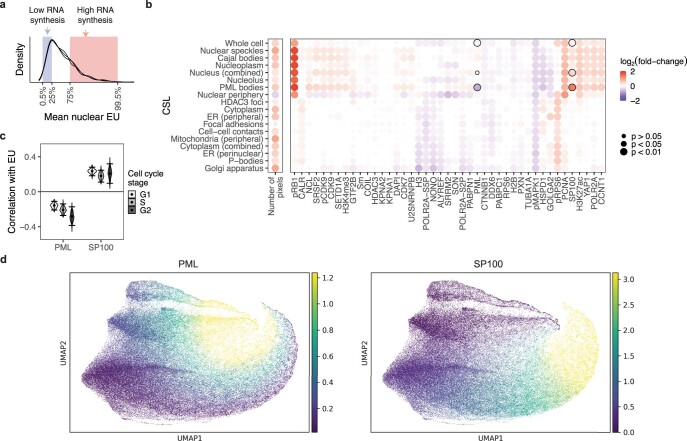
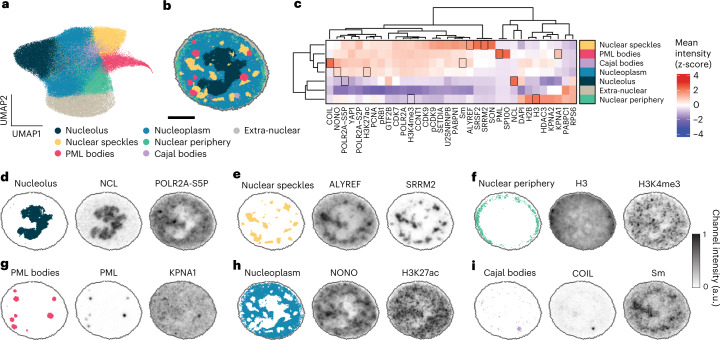
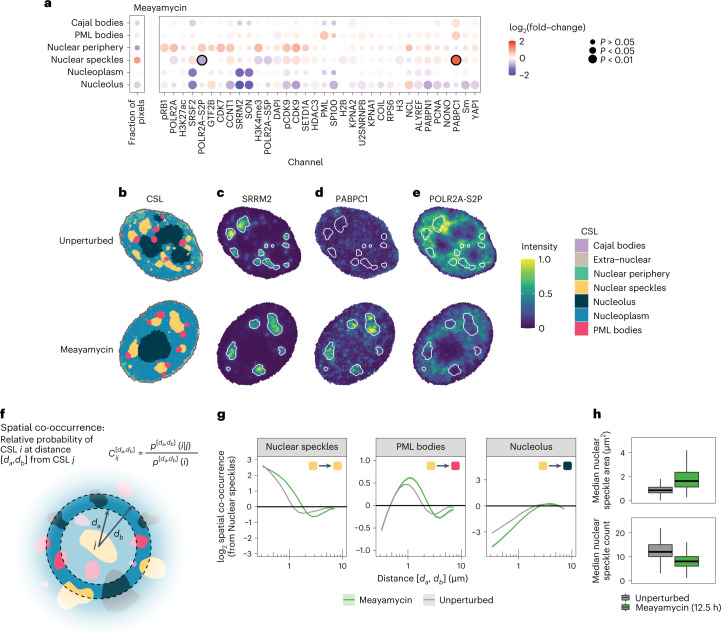
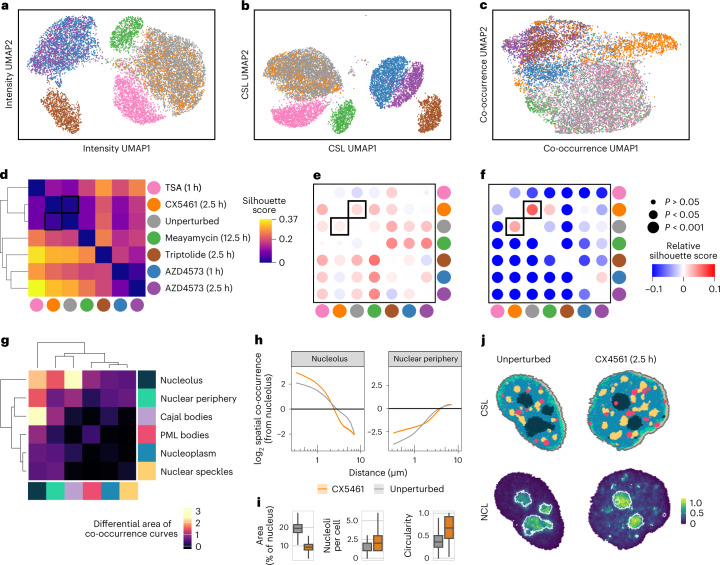
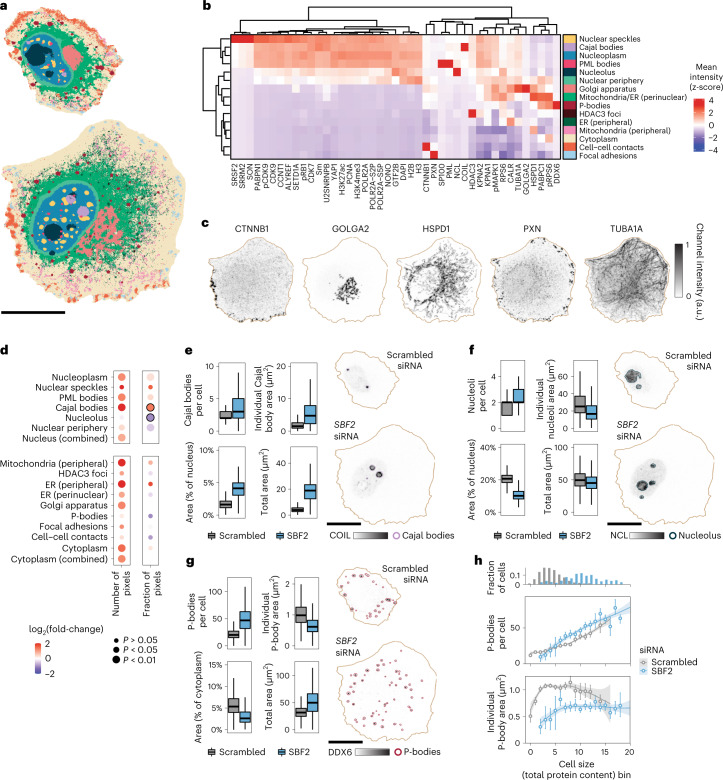
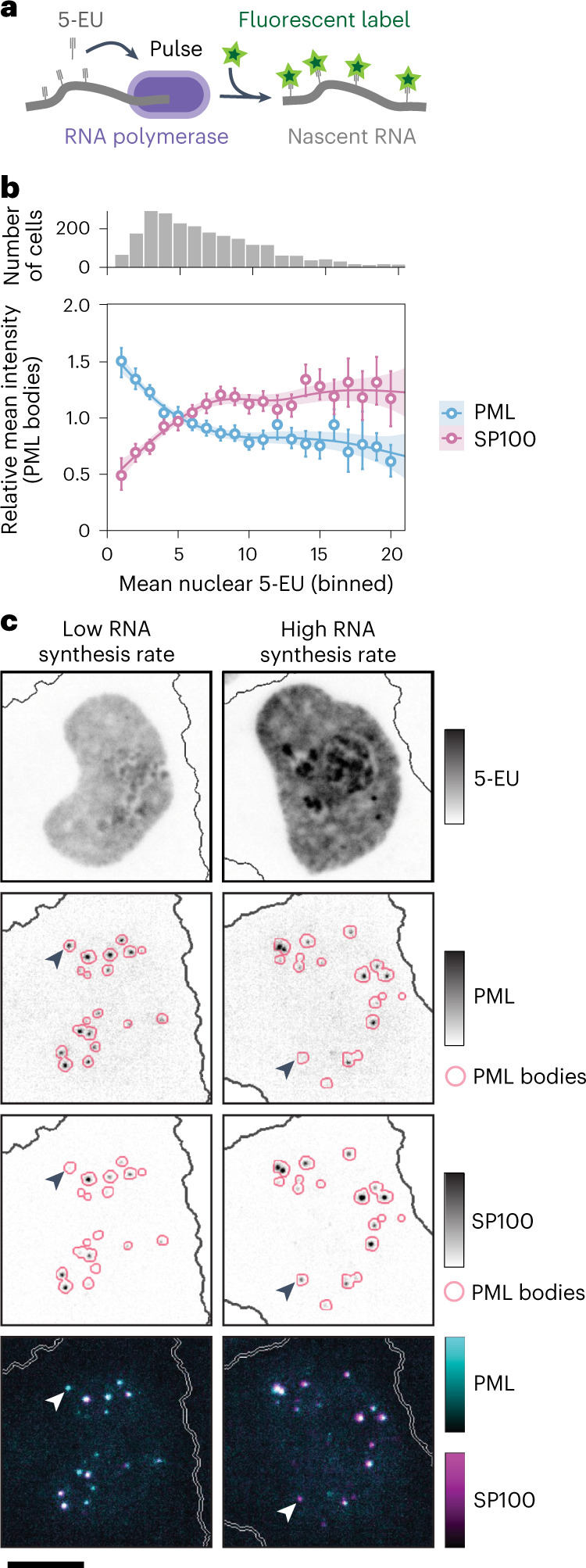
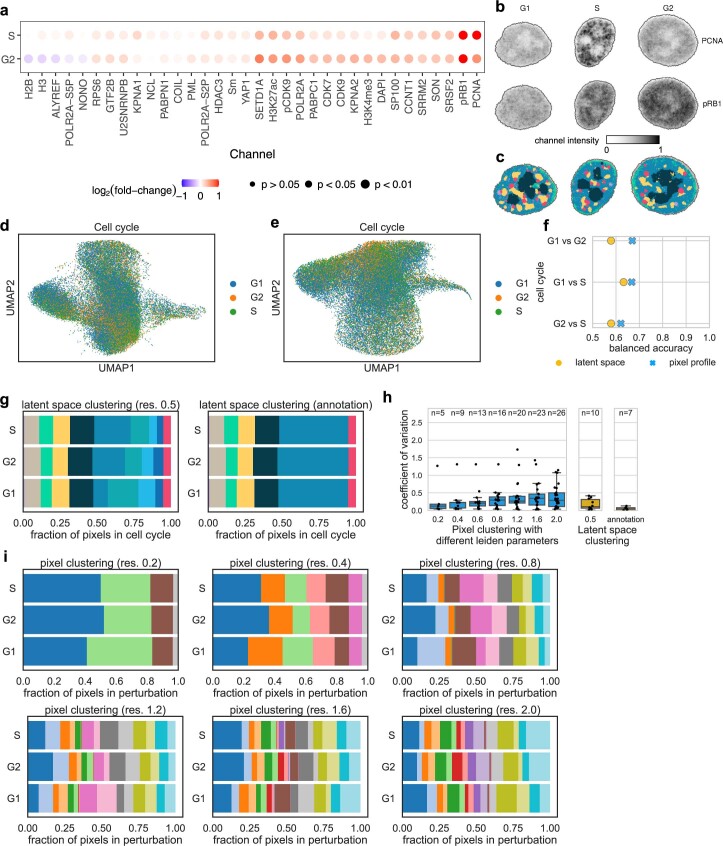
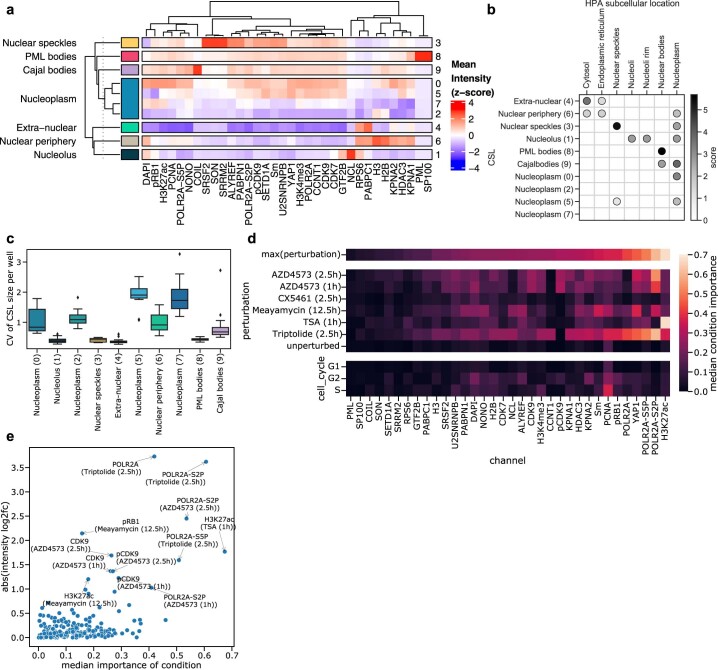
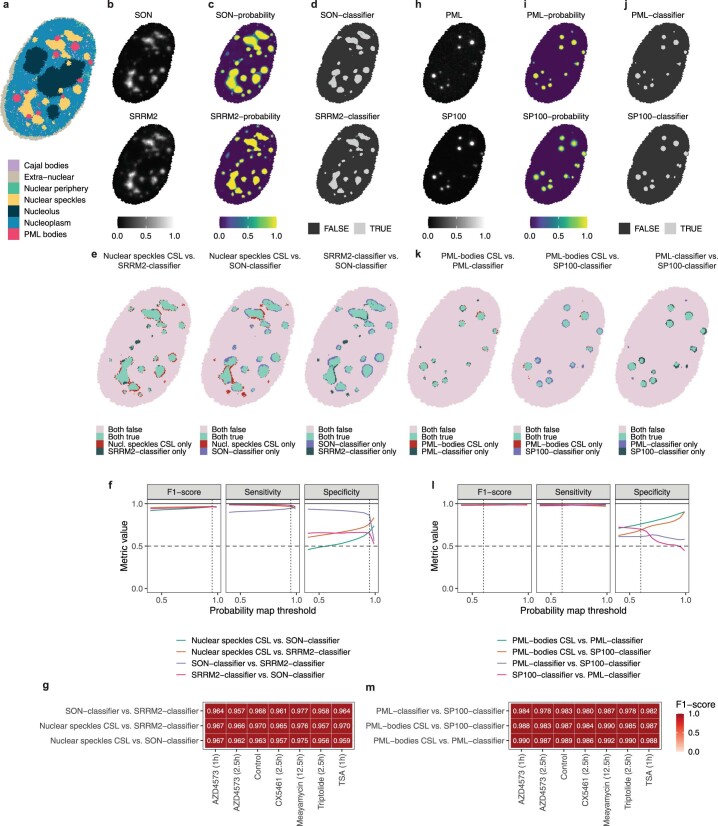
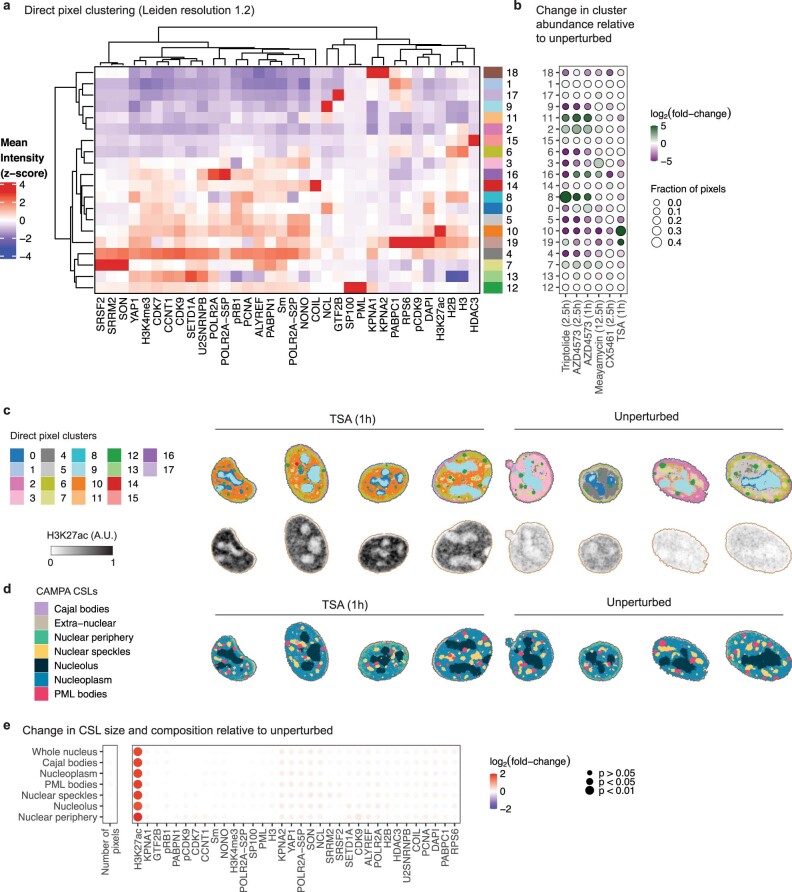
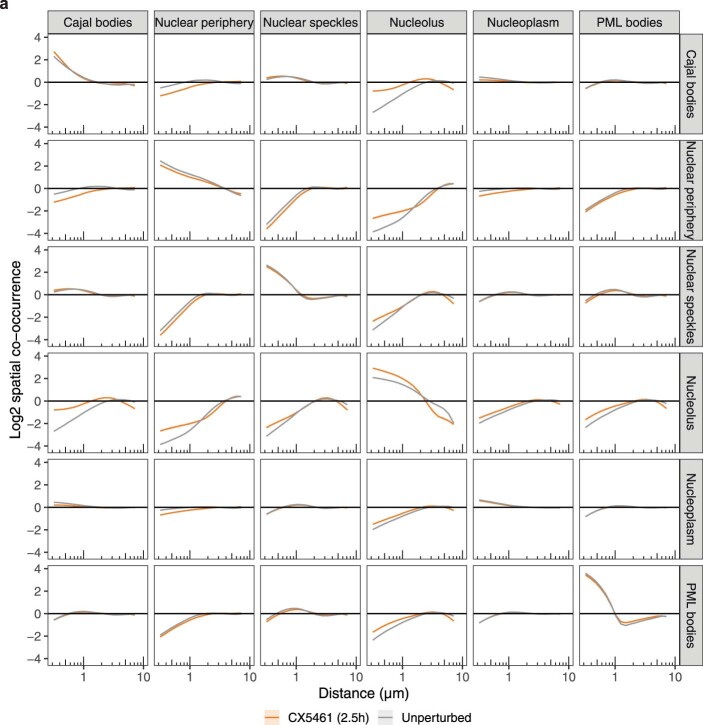
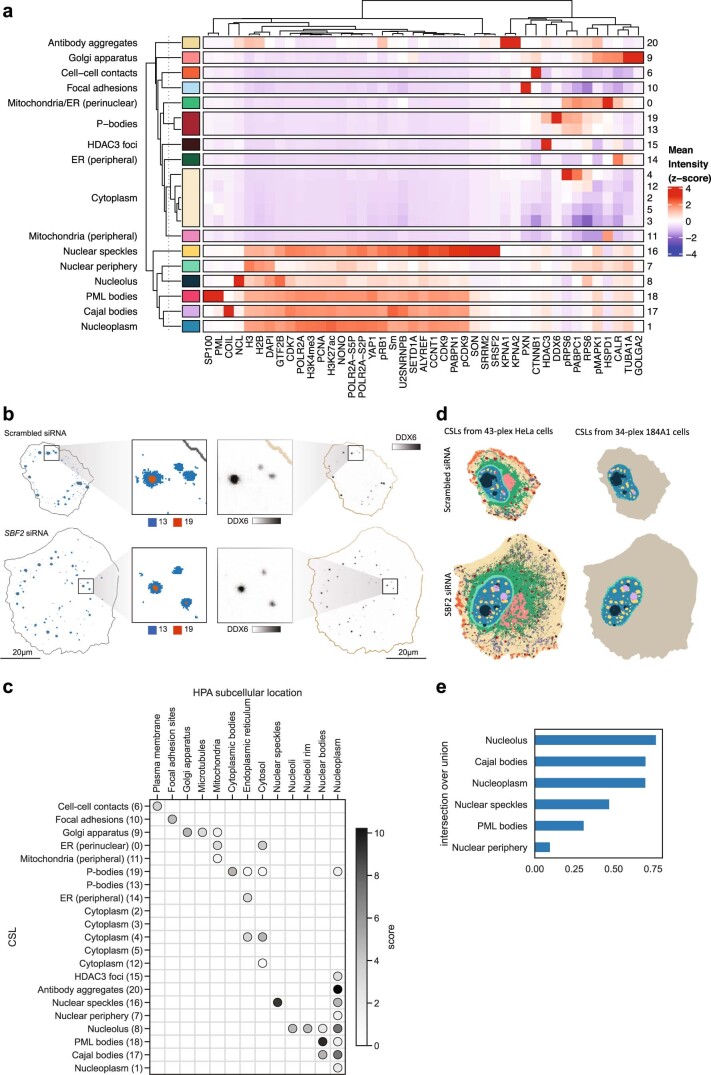
Highly multiplexed imaging holds enormous promise for understanding how spatial context shapes the activity of the genome and its products at multiple length scales. Here, we introduce a deep learning framework called CAMPA (Conditional Autoencoder for Multiplexed Pixel Analysis), which uses a conditional variational autoencoder to learn representations of molecular pixel profiles that are consistent across heterogeneous cell populations and experimental perturbations. Clustering these pixel-level representations identifies consistent subcellular landmarks, which can be quantitatively compared in terms of their size, shape, molecular composition and relative spatial organization. Using high-resolution multiplexed immunofluorescence, this reveals how subcellular organization changes upon perturbation of RNA synthesis, RNA processing or cell size, and uncovers links between the molecular composition of membraneless organelles and cell-to-cell variability in bulk RNA synthesis rates. By capturing interpretable cellular phenotypes, we anticipate that CAMPA will greatly accelerate the systematic mapping of multiscale atlases of biological organization to identify the rules by which context shapes physiology and disease.
高通量成像技术在理解空间环境如何影响基因组及其产物在多个长度尺度上的活性方面具有巨大的潜力。在这里,我们介绍了一个名为 CAMPA(用于多像素分析的条件自动编码器)的深度学习框架,该框架使用条件变分自动编码器来学习分子像素轮廓的表示,这些表示在异质细胞群体和实验扰动中是一致的。对这些像素级表示进行聚类可以识别出一致的亚细胞标志物,可以根据其大小、形状、分子组成和相对空间组织进行定量比较。使用高分辨率的高通量免疫荧光技术,这揭示了在 RNA 合成、RNA 处理或细胞大小受到干扰时亚细胞组织如何变化,并揭示了无膜细胞器的分子组成与批量 RNA 合成率的细胞间变异性之间的联系。通过捕获可解释的细胞表型,我们预计 CAMPA 将极大地加速多尺度生物组织图谱的系统绘制,以确定环境塑造生理和疾病的规则。