Pedram Shiva, Kennedy Grace, Sanzone Sal
SMART Infrastructure Facility, Faculty of Engineering and Information Sciences, University of Wollongong, Wollongong, Australia.
Faculty of Science, Medicine and Health, School of Medicine, University of Wollongong, Wollongong, Australia.
Virtual Real. 2023 May 13:1-26. doi: 10.1007/s10055-023-00802-2.
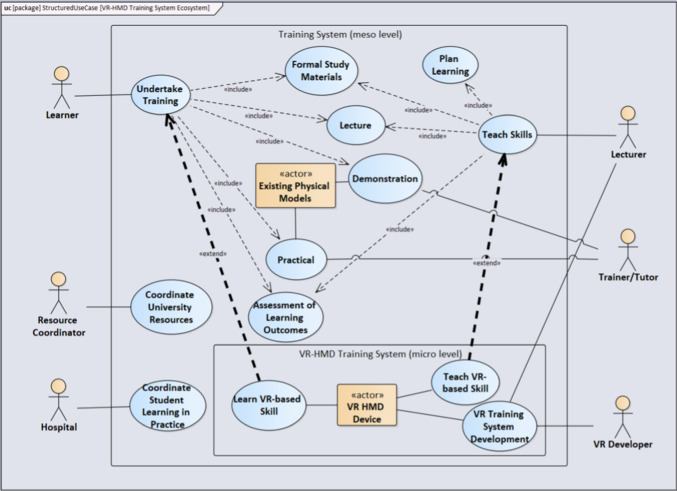
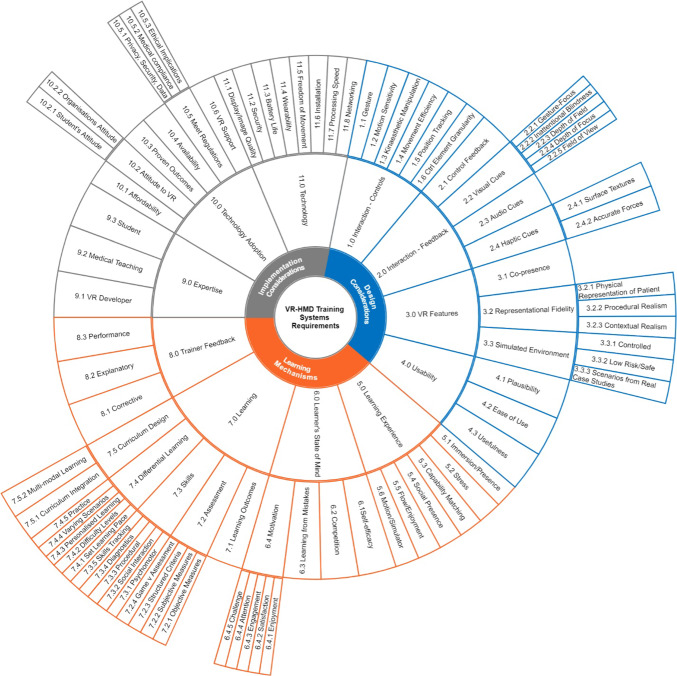
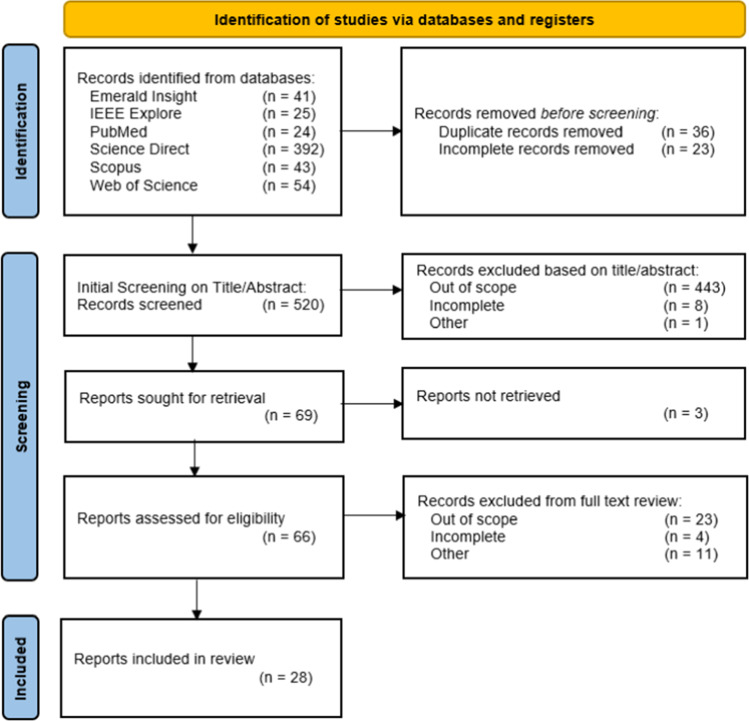
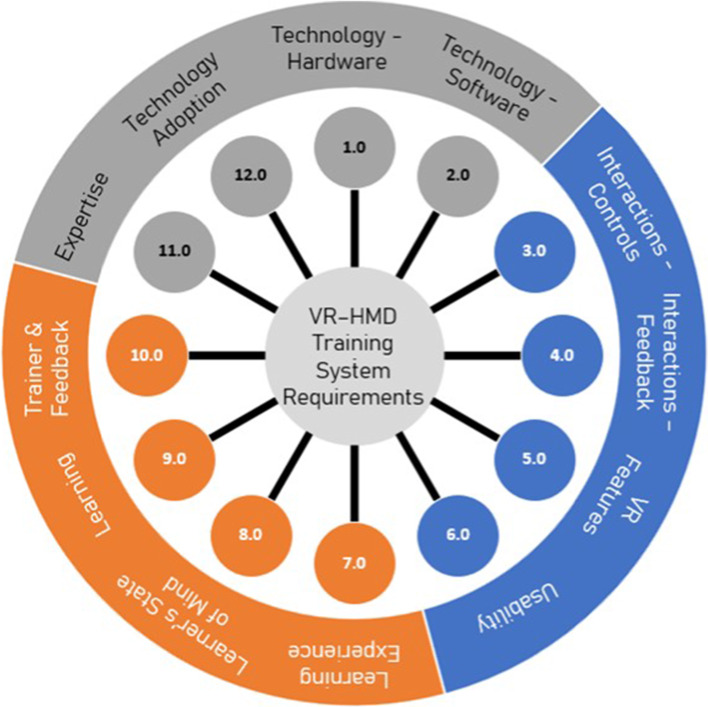
The latest technological advancements in the domain of virtual reality (VR) have created new opportunities to use VR as a training platform for medical students and practitioners more broadly. Despite the growing interest in the use of VR as a training tool, a commonly identified gap in VR-training for medical education is the confidence in the long-term validity of the applications. A systematic literature review was undertaken to explore the extent of VR (in particular head-mounted displays) applications for medical training with an additional focus on validation measures. The papers included in this review discussed empirical case studies of specific applications; however, these were mostly concerned with human-computer interaction and were polarized between demonstrating that a conceptual technology solution was feasible for simulation or looked at specific areas of VR usability with little discussion on validation measures for long-term training effectiveness and outcomes. The review uncovered a wide range of ad hoc applications and studies in terms of technology vendors, environments, tasks, envisaged users and effectiveness of learning outcomes. This presents decision-making challenges for those seeking to adopt, implement and embed such systems in teaching practice. The authors of this paper then take a wider socio-technical systems perspective to understand how the holistic training system can be engineered and validated effectively as fit for purpose, through distillation of a generic set of requirements from the literature review to aid design specification and implementation, and to drive more informed and traceable validation of these types of systems. In this review, we have identified 92 requirement statements in 11 key areas against which a VR-HMD training system could be validated; these were grouped into design considerations, learning mechanisms and implementation considerations.
虚拟现实(VR)领域的最新技术进步为更广泛地将VR用作医学生和从业者的培训平台创造了新机会。尽管人们对将VR用作培训工具的兴趣与日俱增,但在医学教育的VR培训中,一个普遍存在的差距是对应用程序长期有效性的信心。本研究进行了系统的文献综述,以探讨VR(特别是头戴式显示器)在医学培训中的应用程度,并额外关注验证措施。本综述纳入的论文讨论了特定应用的实证案例研究;然而,这些研究大多关注人机交互,并且在证明概念性技术解决方案对于模拟是可行的,或者关注VR可用性的特定领域之间两极分化,很少讨论长期培训效果和结果的验证措施。该综述发现,在技术供应商、环境、任务、预期用户和学习成果有效性方面,存在广泛的临时应用和研究。这给那些寻求在教学实践中采用、实施和嵌入此类系统的人带来了决策挑战。本文作者随后从更广泛的社会技术系统视角出发,通过从文献综述中提炼出一组通用要求,以帮助设计规范和实施,并推动对这类系统进行更明智、可追溯的验证,从而理解如何有效地设计和验证整体培训系统以使其符合目的。在本综述中,我们确定了11个关键领域中的92条要求声明,可据此对VR - HMD培训系统进行验证;这些要求被分为设计考量、学习机制和实施考量。