Department of Neurosurgery, Renmin Hospital of Wuhan University, Wuhan, China.
Department of Pathology, Renmin Hospital of Wuhan University, Wuhan, China.
CNS Neurosci Ther. 2024 Feb;30(2):e14380. doi: 10.1111/cns.14380. Epub 2023 Jul 28.
Cell death, except for cuproptosis, in gliomas has been extensively studied, providing novel targets for immunotherapy by reshaping the tumor immune microenvironment through multiple mechanisms. This study aimed to explore the effect of cuproptosis on the immune microenvironment and its predictive power in prognosis and immunotherapy response.
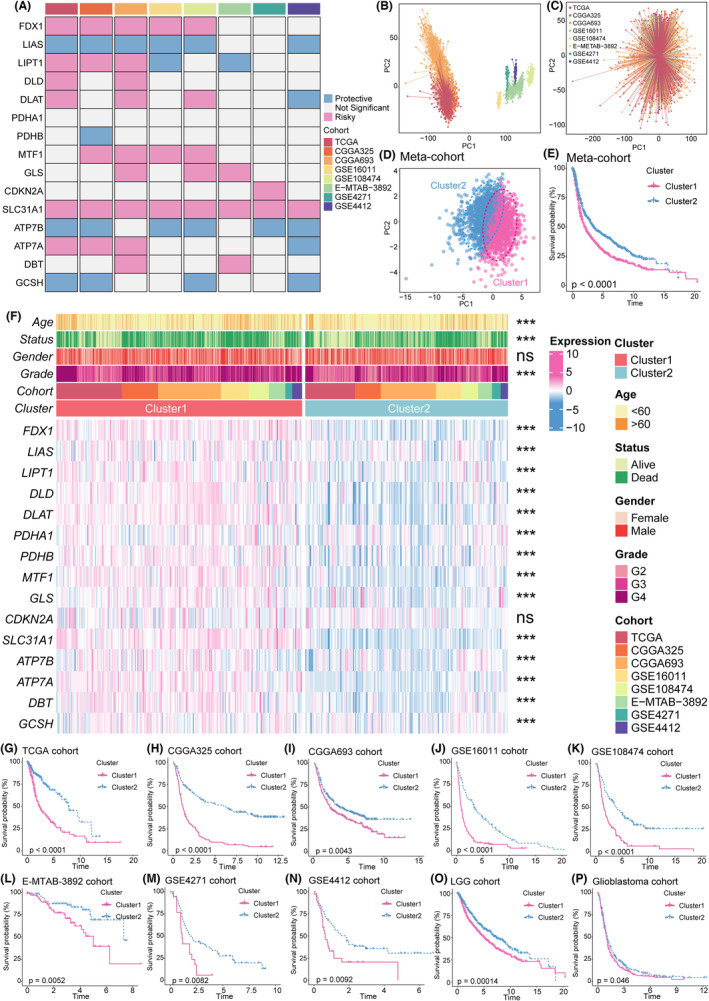
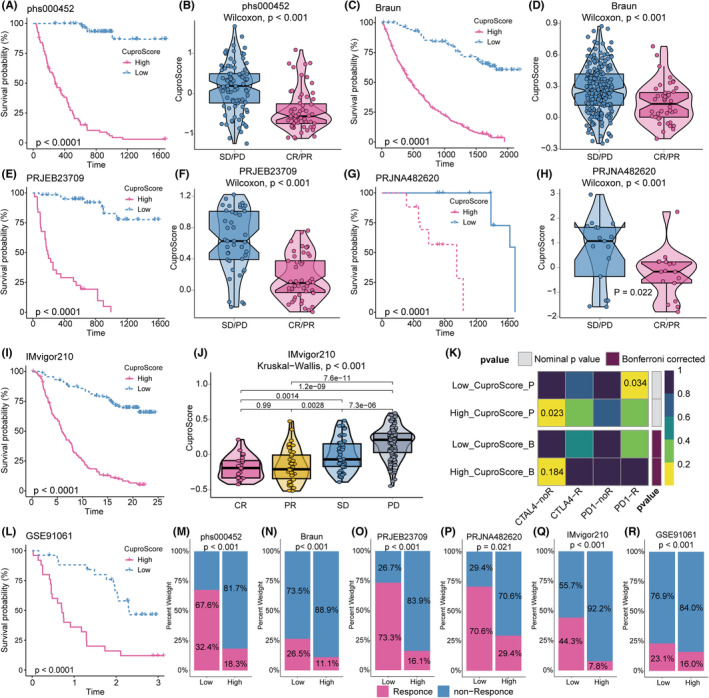
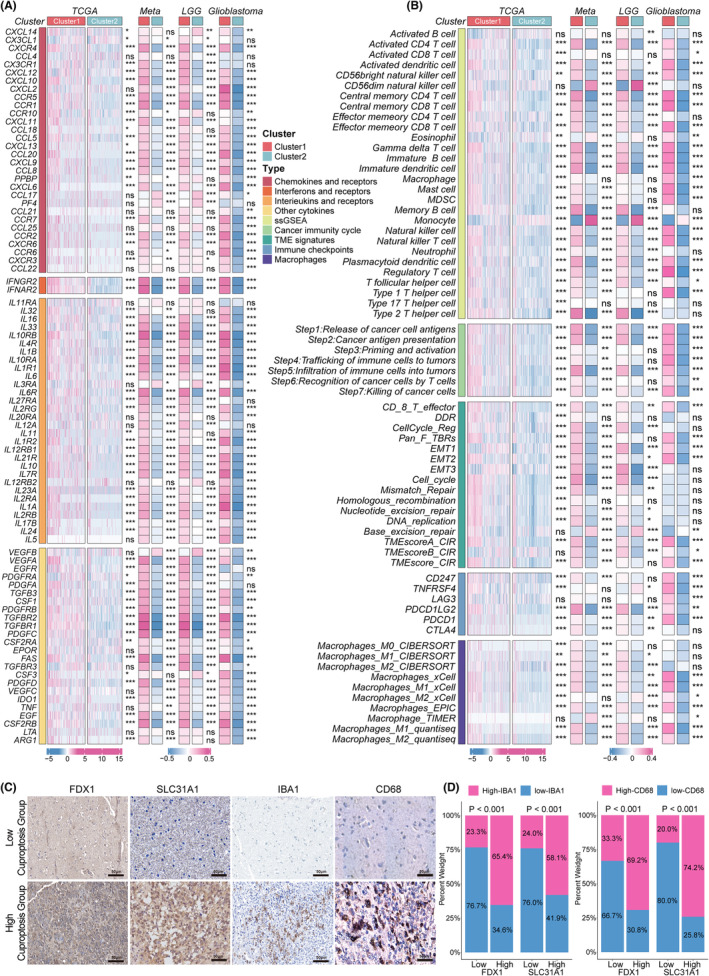
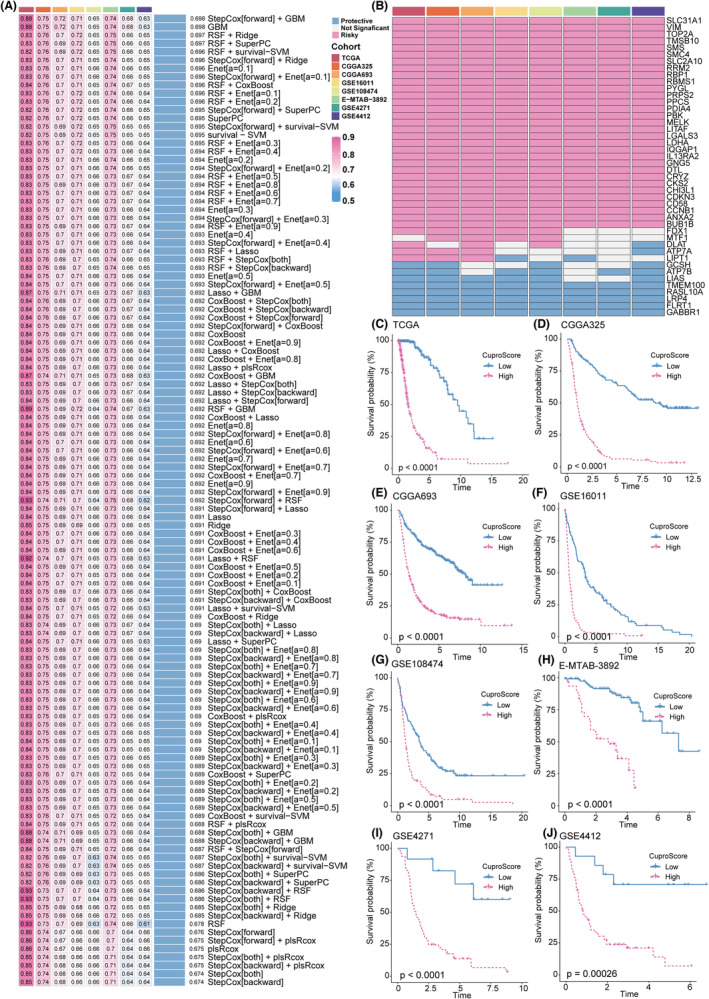
Eight glioma cohorts were included in this study. We employed the unsupervised clustering algorithm to identify novel cuproptosis clusters and described their immune microenvironmental characteristics, mutation landscape, and altered signaling pathways. We verified the correlation among FDX1, SLC31A1, and macrophage infiltration in 56 glioma tissues. Next, based on multicenter cohorts and 10 machine learning algorithms, we constructed an artificial intelligence-driven cuproptosis-related signature named CuproScore.
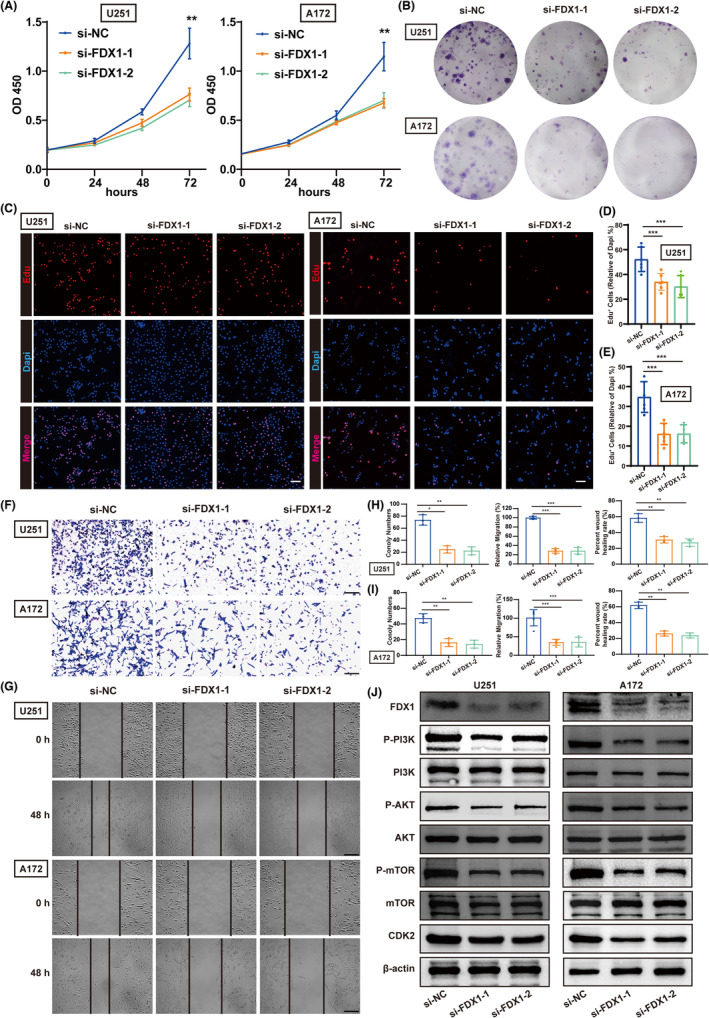
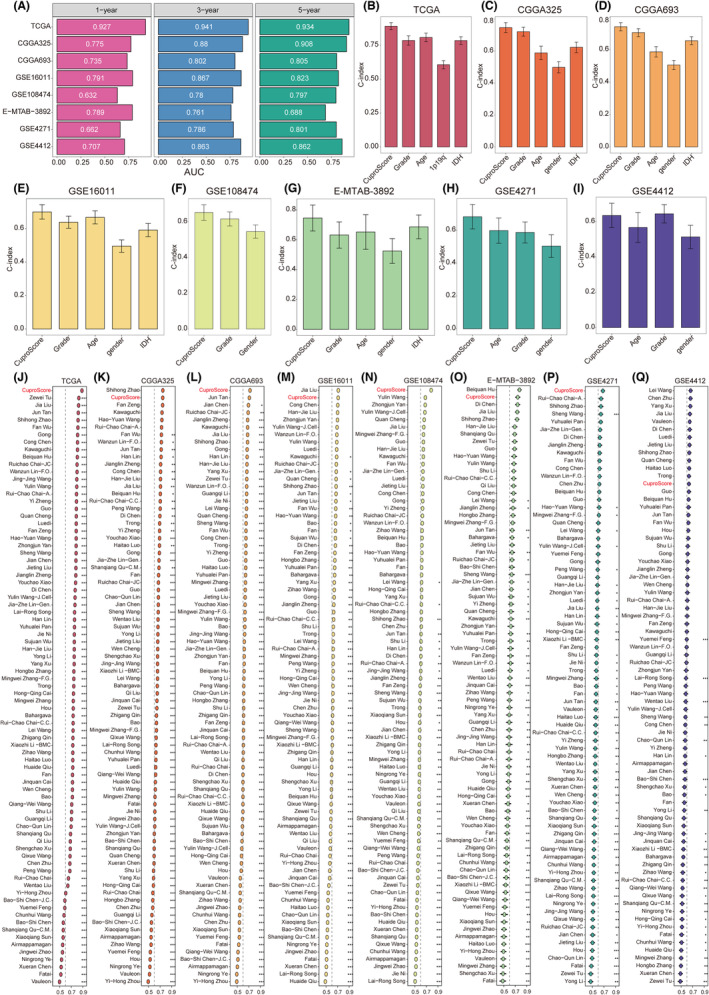
Our findings suggested that glioma patients with high levels of cuproptosis had a worse prognosis owing to immunosuppression caused by unique immune escape mechanisms. Meanwhile, we experimentally validated the positive association between cuproptosis and macrophages and its tumor-promoting mechanism in vitro. Furthermore, our CuproScore exhibited powerful and robust prognostic predictive ability. It was also capable of predicting response to immunotherapy and chemotherapy drug sensitivity.
Cuproptosis facilitates immune activation but promotes immune escape. The CuproScore could predict prognosis and immunotherapy response in gliomas.
除铜死亡外,胶质瘤中的细胞死亡已得到广泛研究,通过多种机制重塑肿瘤免疫微环境,为免疫治疗提供了新的靶点。本研究旨在探讨铜死亡对免疫微环境的影响及其在预后和免疫治疗反应中的预测能力。
本研究纳入了 8 个胶质瘤队列。我们采用无监督聚类算法来识别新的铜死亡簇,并描述其免疫微环境特征、突变景观和改变的信号通路。我们在 56 个胶质瘤组织中验证了 FDX1、SLC31A1 和巨噬细胞浸润之间的相关性。接下来,基于多中心队列和 10 种机器学习算法,我们构建了一个人工智能驱动的铜死亡相关特征命名为 CuproScore。
我们的研究结果表明,铜死亡水平较高的胶质瘤患者由于独特的免疫逃逸机制导致免疫抑制而预后较差。同时,我们在体外实验中验证了铜死亡与巨噬细胞之间的正相关关系及其促肿瘤机制。此外,我们的 CuproScore 具有强大而稳健的预后预测能力。它还能够预测免疫治疗和化疗药物敏感性的反应。
铜死亡促进免疫激活,但促进免疫逃逸。CuproScore 可以预测胶质瘤的预后和免疫治疗反应。