Applied Nano and Thermal Science Lab, Department of Mechanical Engineering, Seoul National University, Seoul 08826, Korea.
Institute of Engineering Research/Institute of Advanced Machinery and Design (SNU-IAMD), Seoul National University, Seoul 08826, South Korea.
Chem Rev. 2023 Aug 23;123(16):9982-10078. doi: 10.1021/acs.chemrev.3c00139. Epub 2023 Aug 5.
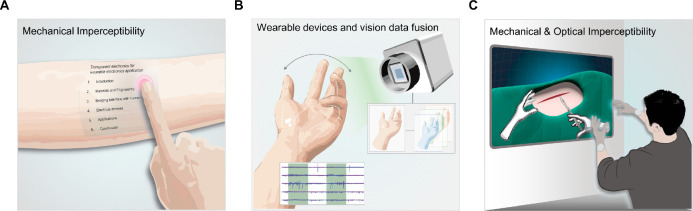
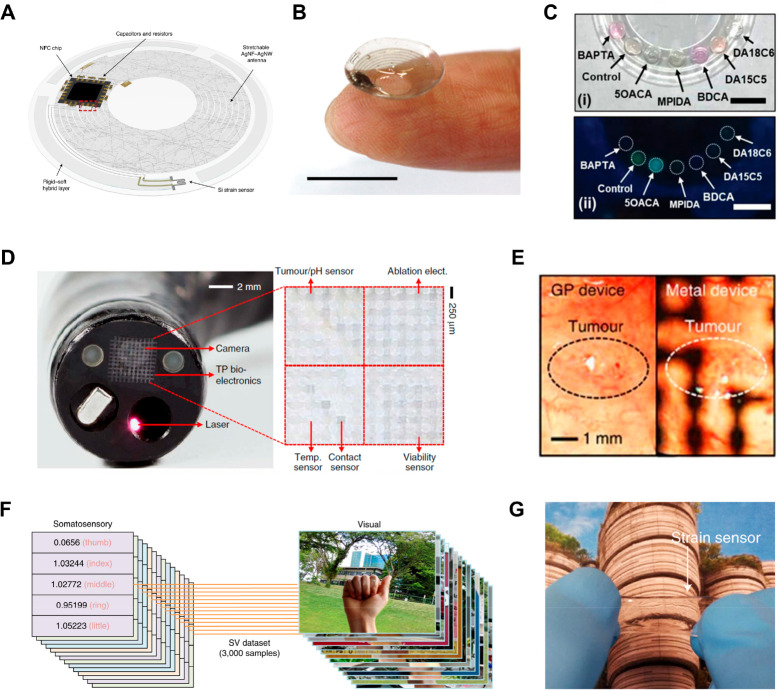
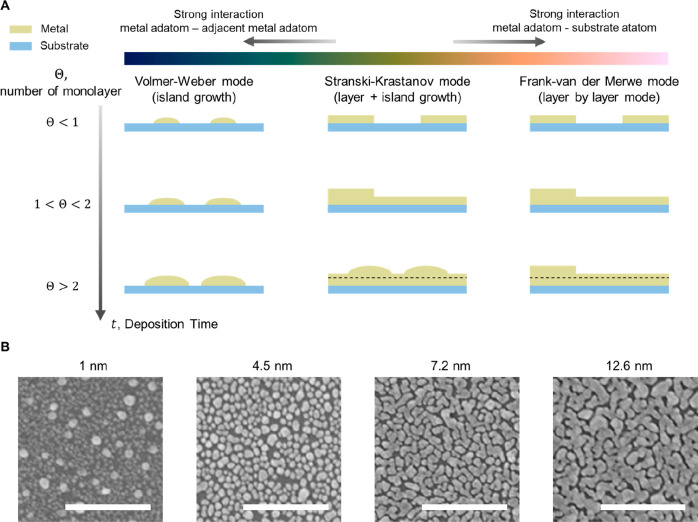
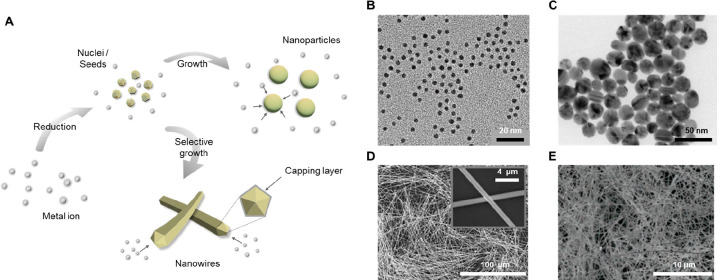
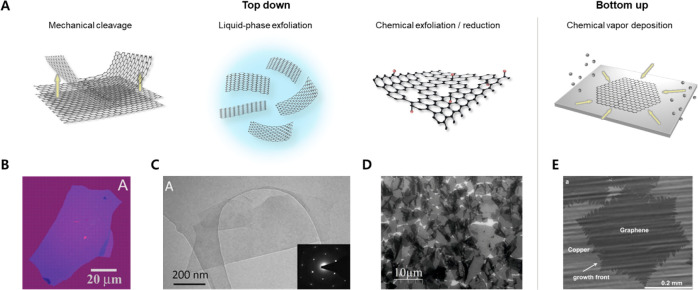
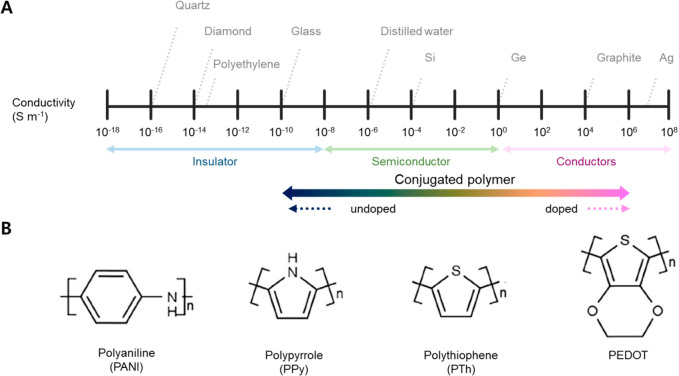
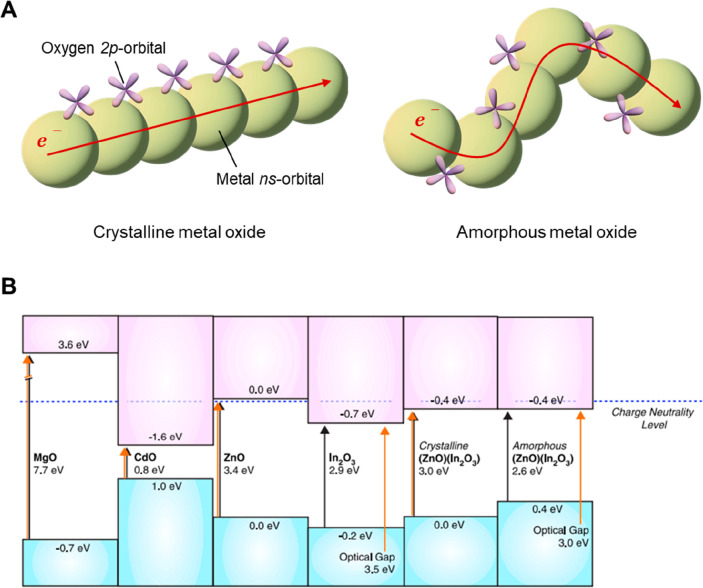
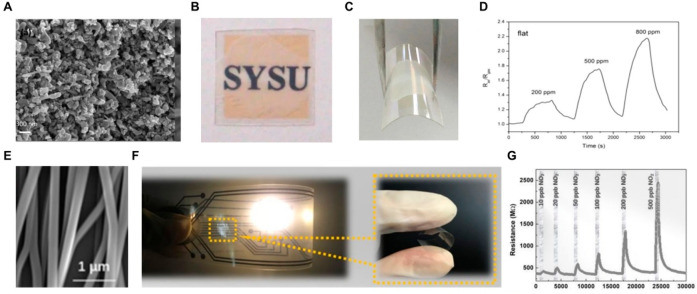
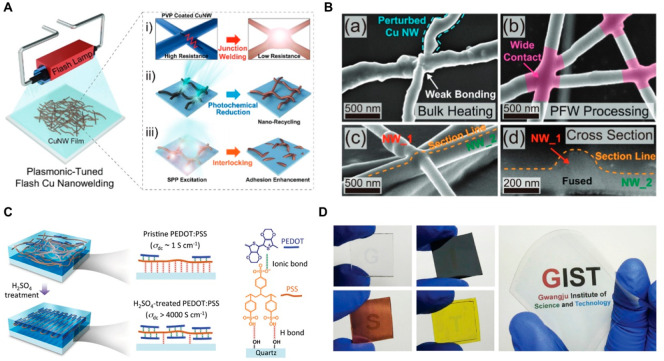
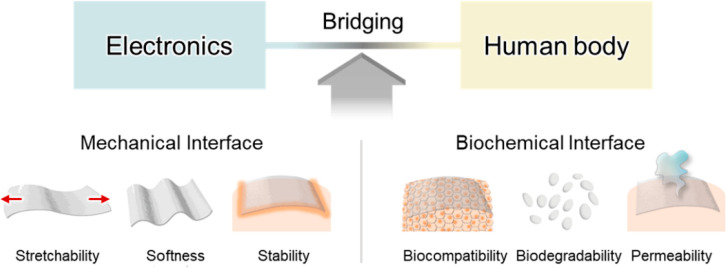
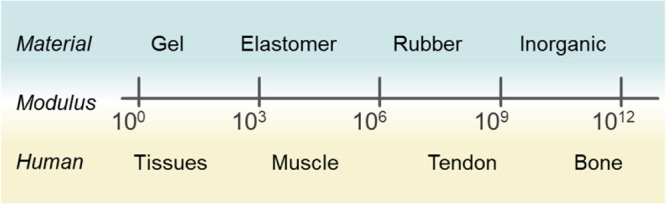
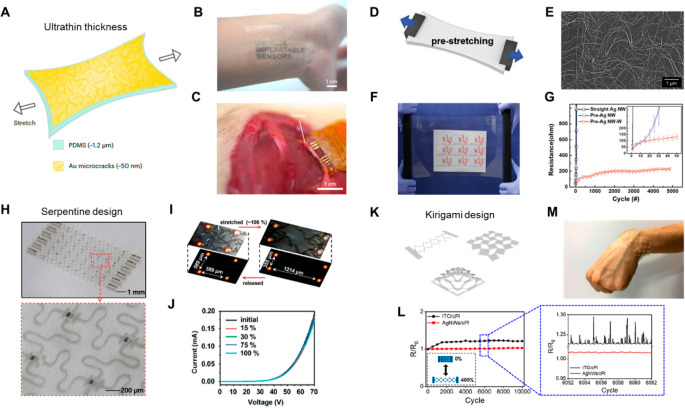
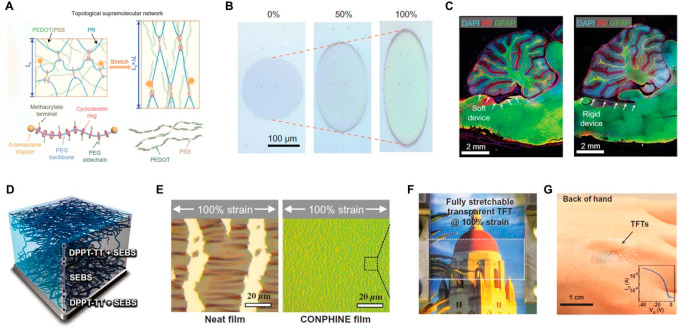
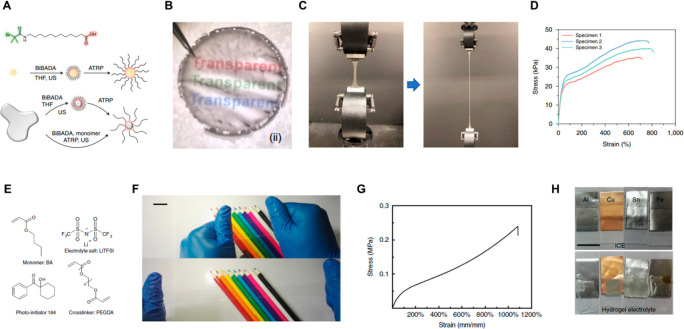
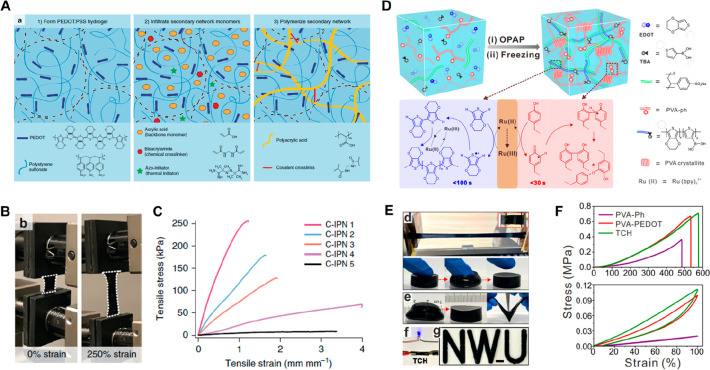
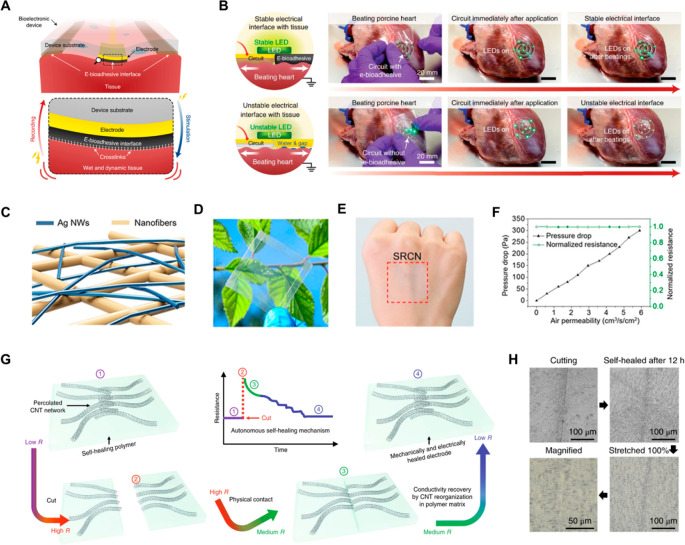
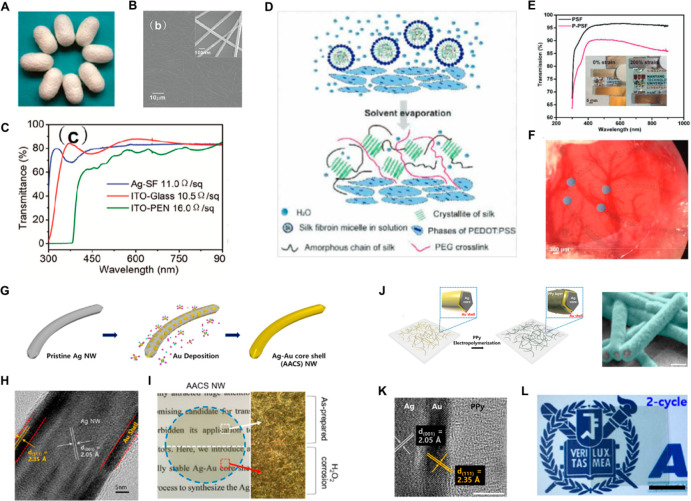
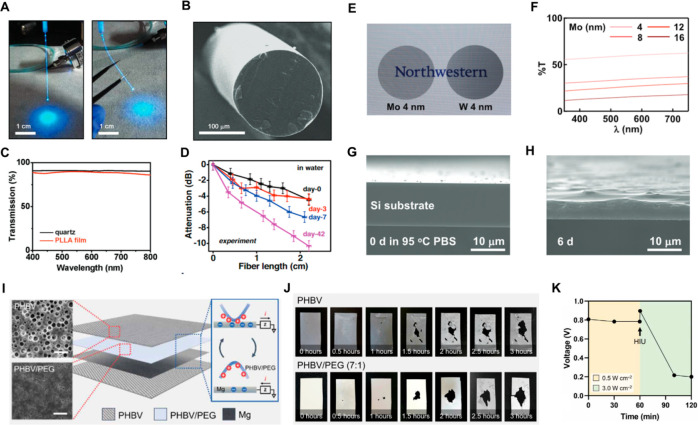
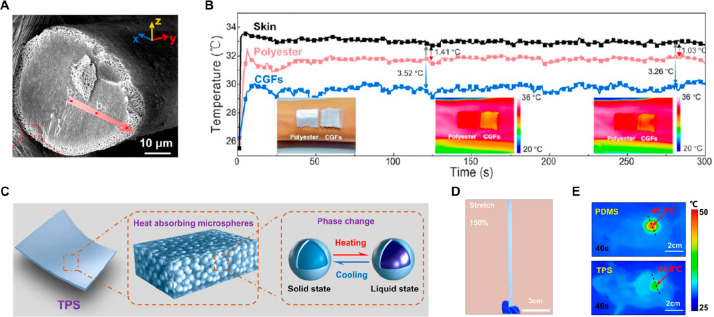
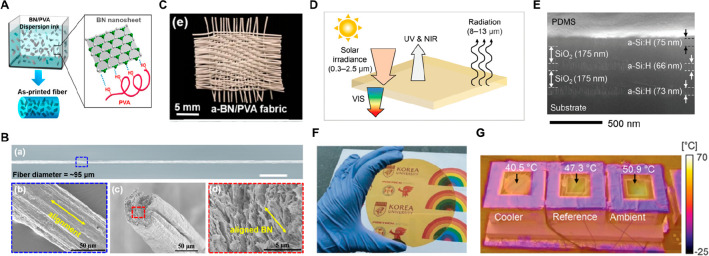
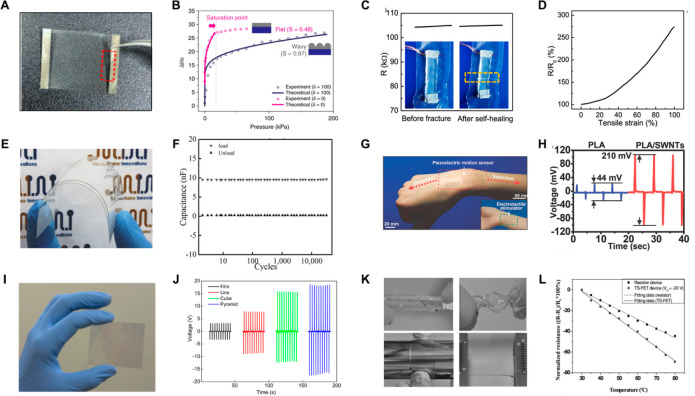
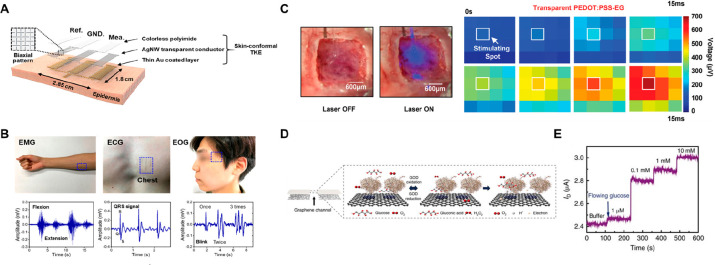
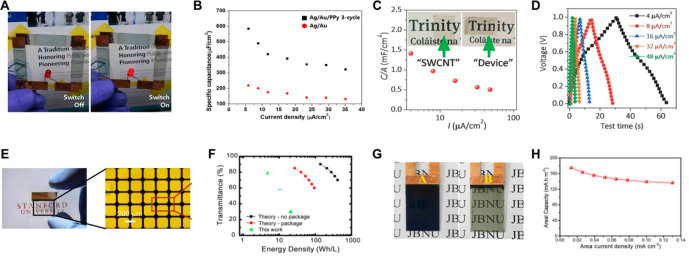
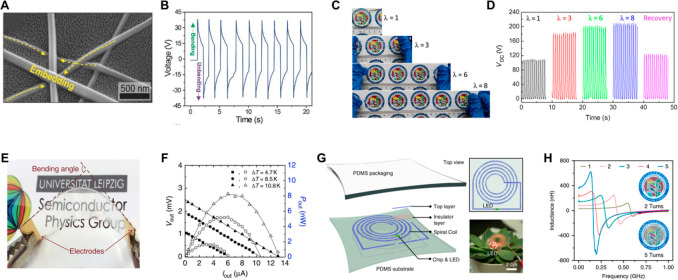
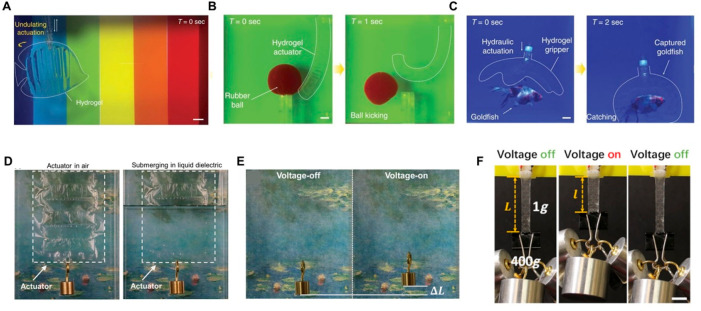
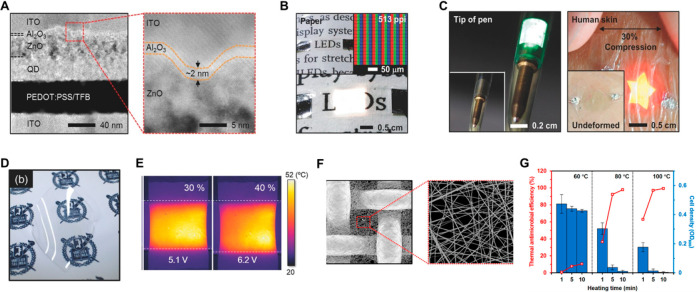
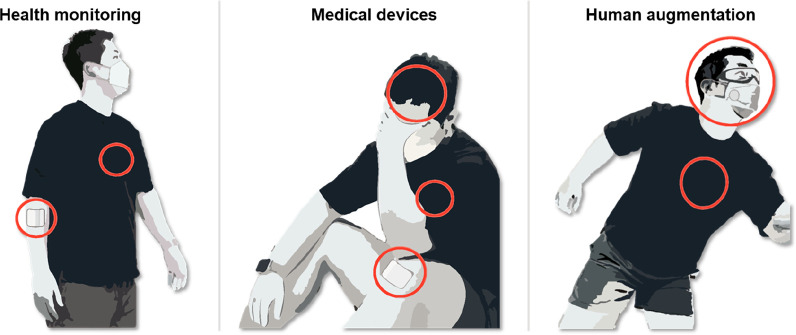
Recent advancements in wearable electronics offer seamless integration with the human body for extracting various biophysical and biochemical information for real-time health monitoring, clinical diagnostics, and augmented reality. Enormous efforts have been dedicated to imparting stretchability/flexibility and softness to electronic devices through materials science and structural modifications that enable stable and comfortable integration of these devices with the curvilinear and soft human body. However, the optical properties of these devices are still in the early stages of consideration. By incorporating transparency, visual information from interfacing biological systems can be preserved and utilized for comprehensive clinical diagnosis with image analysis techniques. Additionally, transparency provides optical imperceptibility, alleviating reluctance to wear the device on exposed skin. This review discusses the recent advancement of transparent wearable electronics in a comprehensive way that includes materials, processing, devices, and applications. Materials for transparent wearable electronics are discussed regarding their characteristics, synthesis, and engineering strategies for property enhancements. We also examine bridging techniques for stable integration with the soft human body. Building blocks for wearable electronic systems, including sensors, energy devices, actuators, and displays, are discussed with their mechanisms and performances. Lastly, we summarize the potential applications and conclude with the remaining challenges and prospects.
近年来,可穿戴电子产品取得了显著进展,能够与人体无缝集成,以提取各种生物物理和生物化学信息,实现实时健康监测、临床诊断和增强现实。研究人员通过材料科学和结构改进,致力于为电子设备赋予可拉伸/柔韧性和柔软性,从而使这些设备能够稳定、舒适地与曲线形和柔软的人体集成。然而,这些设备的光学性质仍处于初步考虑阶段。通过引入透明度,可以保留与生物系统接口的视觉信息,并利用图像分析技术进行全面的临床诊断。此外,透明度提供了光学不可感知性,减轻了人们对在暴露皮肤上佩戴设备的抵触情绪。本综述全面讨论了透明可穿戴电子产品的最新进展,包括材料、加工、器件和应用。我们首先讨论了透明可穿戴电子产品的材料,包括它们的特性、合成以及用于性能提升的工程策略。我们还研究了与柔软人体稳定集成的桥接技术。接着讨论了可穿戴电子系统的构建模块,包括传感器、能源设备、致动器和显示器,并介绍了它们的工作机制和性能。最后,我们总结了潜在的应用,并讨论了剩余的挑战和展望。