Rane Dharma, Dash Deba Prasad, Dutt Alakananda, Dutta Anirban, Das Abhijit, Lahiri Uttama
Indian Institute of Technology Gandhinagar, Electrical Engineering, Palaj, Gujarat, India.
AMRI Hospital, Mukundapur, Kolkata, West Bengal, India.
Front Aging Neurosci. 2023 Jul 20;15:1125651. doi: 10.3389/fnagi.2023.1125651. eCollection 2023.
One's eye movement (in response to visual tasks) provides a unique window into the cognitive processes and higher-order cognitive functions that become adversely affected in cases with cognitive decline, such as those mild cognitive impairment (MCI) and dementia. MCI is a transitional stage between normal aging and dementia.
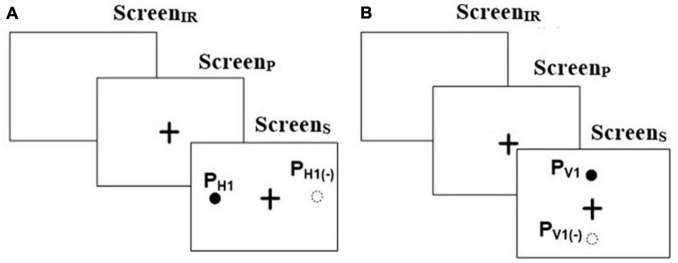
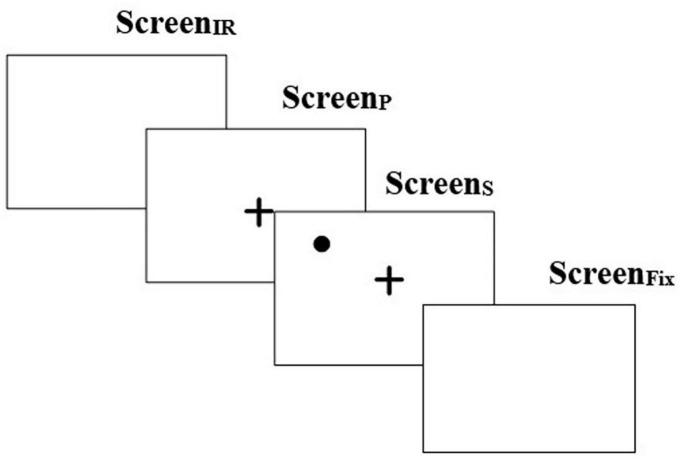
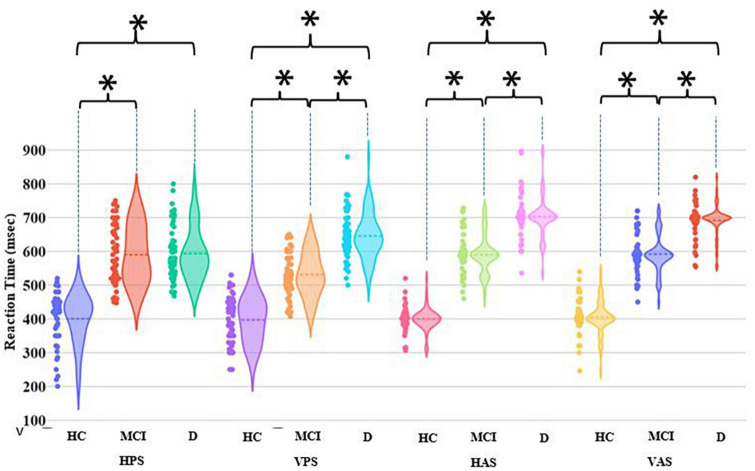
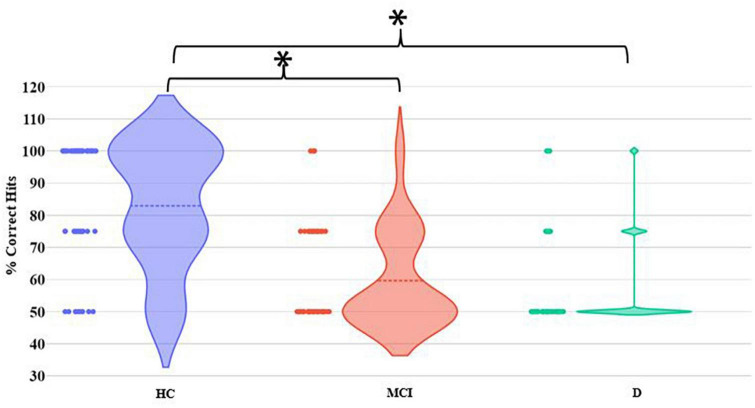
In the current work, we have focused on identifying visual tasks (such as horizontal and vertical Pro-saccade, Anti-saccade and Memory Guided Fixation tasks) that can differentiate individuals with MCI and dementia from their cognitively unimpaired healthy aging counterparts based on oculomotor Performance indices. In an attempt to identify the optimal combination of visual tasks that can be used to differentiate the participant groups, clustering was performed using the oculomotor Performance indices.
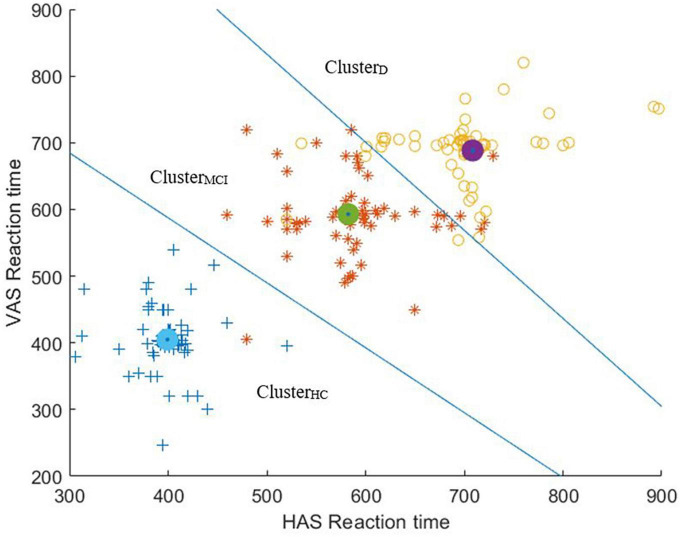
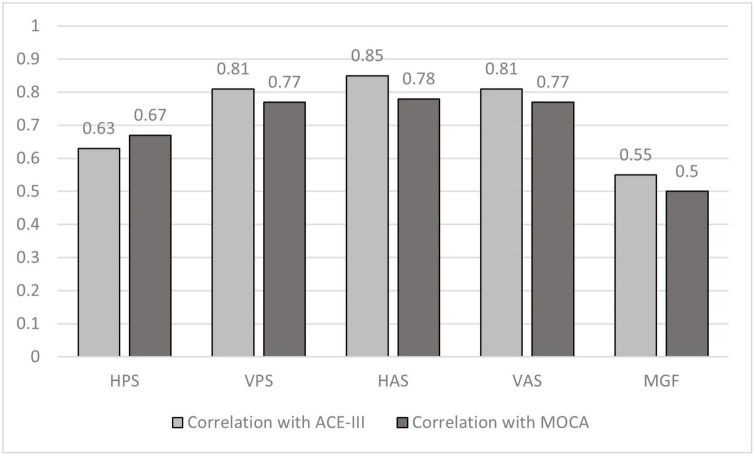
Results of our study with a group of 60 cognitively unimpaired healthy aging individuals, a group with 60 individuals with MCI and a group with 60 individuals with dementia indicate that the horizontal and vertical Anti-saccade tasks provided the optimal combination that could differentiate individuals with MCI and dementia from their cognitively unimpaired healthy aging counterparts with clustering accuracy of ∼92% based on the saccade latencies. Also, the saccade latencies during both of these Anti-saccade tasks were found to strongly correlate with the Neuropsychological test scores.
This suggests that the Anti-saccade tasks can hold promise in clinical practice for professionals working with individuals with MCI and dementia.
一个人的眼动(对视觉任务的反应)为认知过程和高阶认知功能提供了一个独特的窗口,而这些认知过程和功能在认知衰退的情况下,如轻度认知障碍(MCI)和痴呆症患者中会受到不利影响。MCI是正常衰老和痴呆之间的过渡阶段。
在当前的研究中,我们专注于识别视觉任务(如水平和垂直的顺向扫视、反向扫视和记忆引导注视任务),这些任务能够根据眼动表现指标,将患有MCI和痴呆症的个体与认知未受损的健康老年人区分开来。为了确定可用于区分参与者组别的视觉任务的最佳组合,我们使用眼动表现指标进行了聚类分析。
我们对一组60名认知未受损的健康老年人、一组60名患有MCI的个体和一组60名患有痴呆症的个体进行的研究结果表明,水平和垂直反向扫视任务提供了最佳组合,能够根据扫视潜伏期,以约92%的聚类准确率将患有MCI和痴呆症的个体与认知未受损的健康老年人区分开来。此外,在这两项反向扫视任务中的扫视潜伏期与神经心理学测试分数密切相关。
这表明反向扫视任务对于处理MCI和痴呆症患者的专业人员在临床实践中具有应用前景。