Marwaa Mille Nabsen, Guidetti Susanne, Ytterberg Charlotte, Kristensen Hanne Kaae
Department of Physiotherapy Education, University College Southern Denmark, Esbjerg, Denmark.
Department of Neurobiology Care Sciences and Society, Karolinska Institutet, Huddinge, Sweden.
Res Involv Engagem. 2023 Aug 24;9(1):69. doi: 10.1186/s40900-023-00472-z.
To investigate and describe the process of using experience-based co-design (EBCD) to develop mobile/tablet applications to support a person-centred and empowering stroke rehabilitation.
Two cross-sectoral stroke rehabilitation settings in Denmark comprising six rehabilitation units.
Stroke survivors (n = 23), significant others (n = 18), occupational therapists (n = 12), physiotherapists (n = 9), representative of a patient organization (n = 1), application developers (n = 3) and researchers (n = 2).
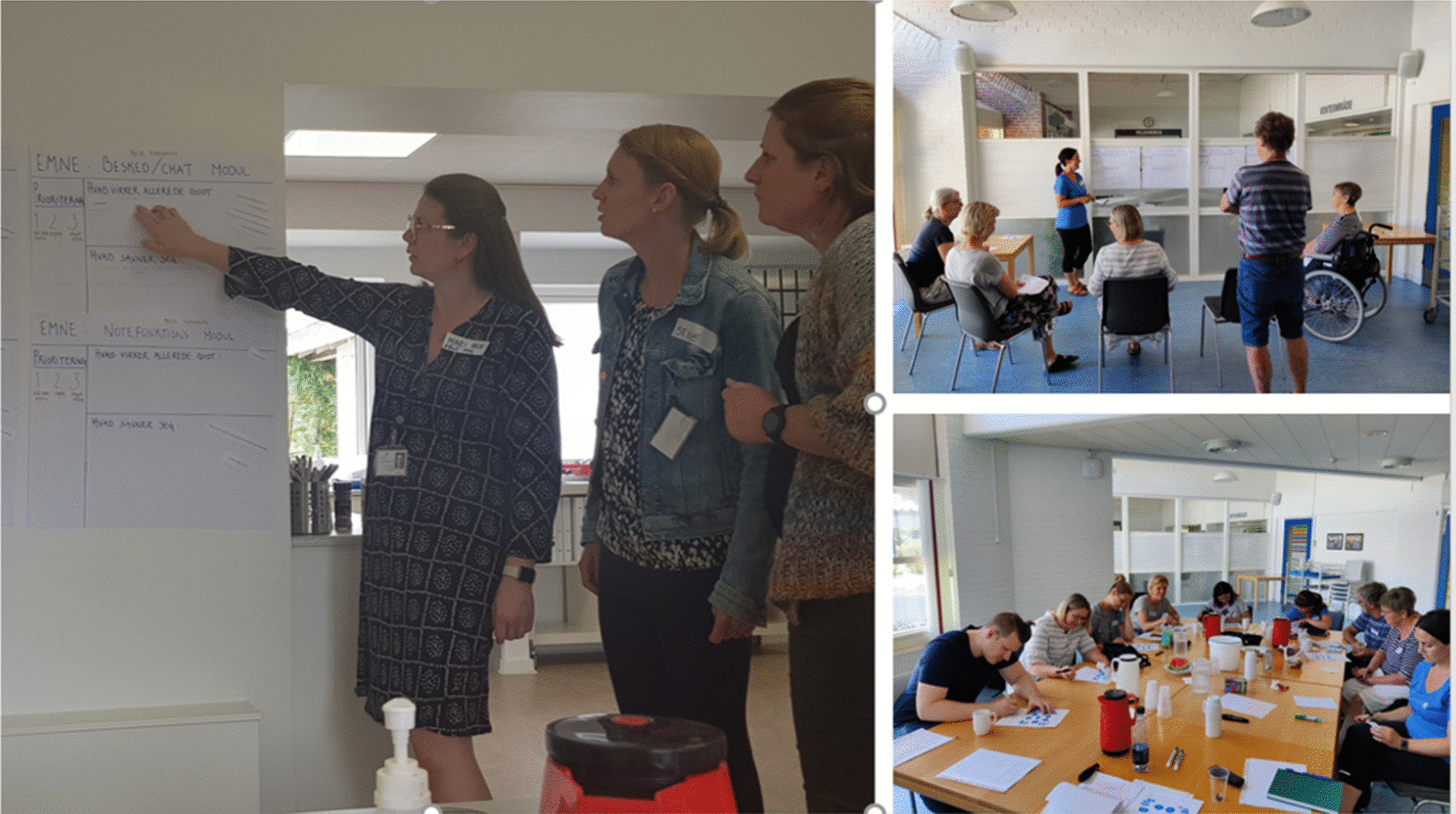
A structured, facilitated EBCD approach comprising six stages was used to co-design a service that aimed to address the priorities and needs of all relevant end-users. Data were collected by interviews, participant observations, notes on "flip sheets" and written feedback on the content in the apps and on the instruction pages. Data were analyzed descriptively and with a constructivist grounded theory analysis.
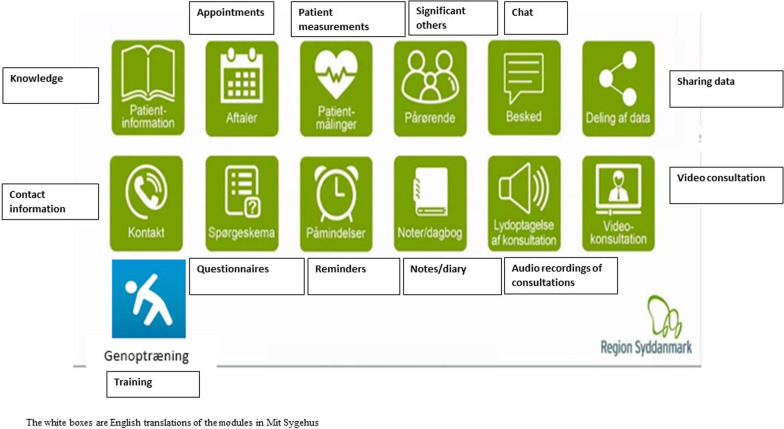
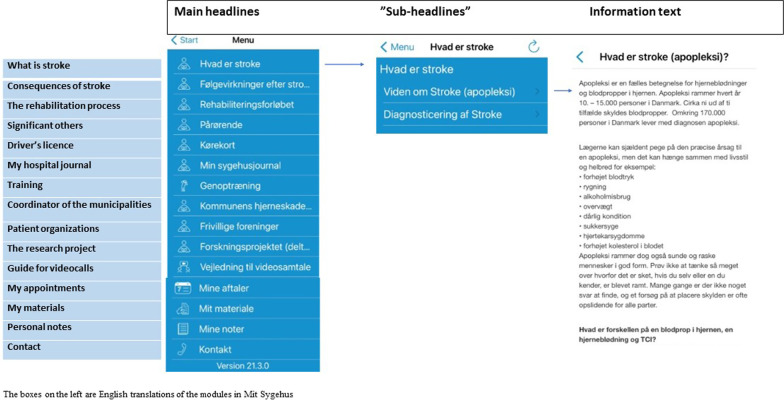
The content in the application solutions "Mit Sygehus" and "Genoptræn.dk" were co-designed to support the needs identified by all end-users. Relevant evidence-based knowledge, person-centred exercises and guidelines using video recordings were the most important among the developed content in the applications to support person-centred and empowering stroke rehabilitation. Furthermore, easy, and seamless communication were considered important.
EBCD facilitated the development of content in the applications to support a person-centred and empowering stroke rehabilitation. Participants experienced that their contribution was considered important and valued.
调查并描述使用基于经验的协同设计(EBCD)来开发移动/平板电脑应用程序以支持以患者为中心且具有赋能作用的中风康复过程。
丹麦的两个跨部门中风康复机构,包括六个康复单元。
中风幸存者(n = 23)、重要他人(n = 18)、职业治疗师(n = 12)、物理治疗师(n = 9)、患者组织代表(n = 1)、应用程序开发者(n = 3)和研究人员(n = 2)。
采用一种结构化的、经过推动的包含六个阶段的EBCD方法来协同设计一项旨在满足所有相关终端用户的优先事项和需求的服务。通过访谈、参与观察、在“活页”上做记录以及对应用程序内容和说明页面的书面反馈来收集数据。对数据进行描述性分析以及建构主义扎根理论分析。
应用程序解决方案“我的医院”(Mit Sygehus)和“重新训练.dk”(Genoptræn.dk)中的内容是协同设计的,以支持所有终端用户所确定的需求。相关的循证知识、以患者为中心的练习以及使用视频记录的指南在应用程序中所开发的内容中对于支持以患者为中心且具有赋能作用的中风康复最为重要。此外,便捷、无缝的沟通也被认为很重要。
EBCD促进了应用程序中支持以患者为中心且具有赋能作用的中风康复内容的开发。参与者体验到他们的贡献被视为重要且有价值。