Department of Obstetrics and Gynecology, Tongji Hospital, Tongji Medical College, Huazhong University of Science and Technology, Wuhan, Hubei, 430030, China.
Cancer Biology Research Center (Key Laboratory of the Ministry of Education), Tongji Hospital, Tongji Medical College, Huazhong University of Science and Technology, Wuhan, Hubei, 430030, China.
Signal Transduct Target Ther. 2023 Aug 28;8(1):320. doi: 10.1038/s41392-023-01522-4.
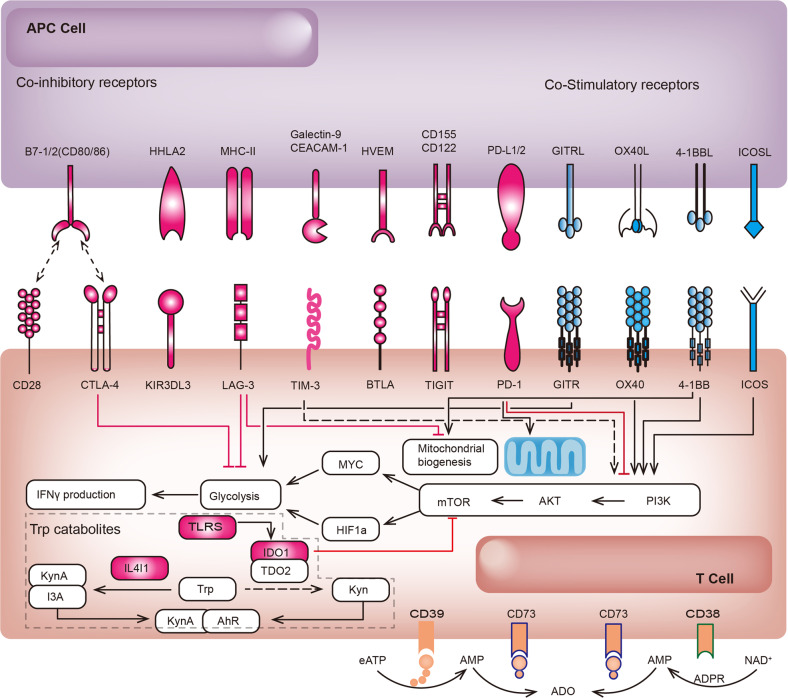
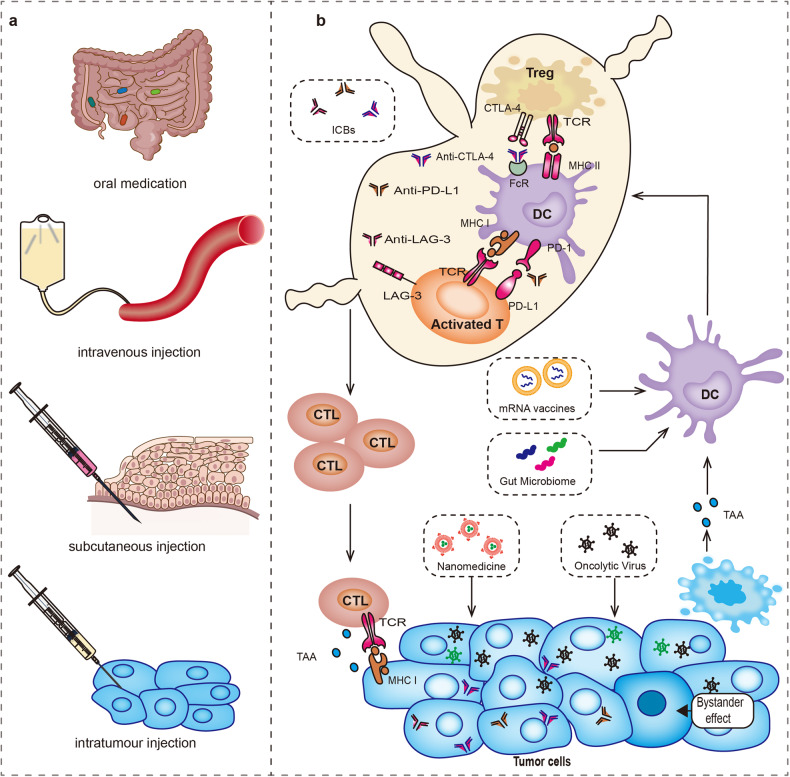
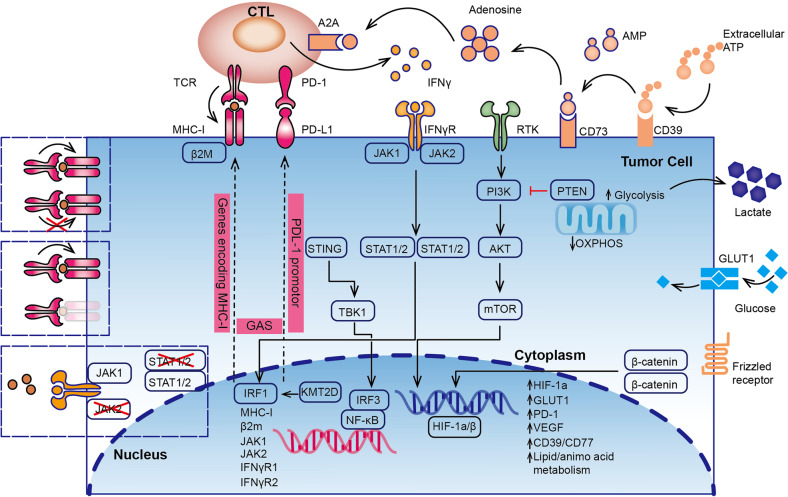
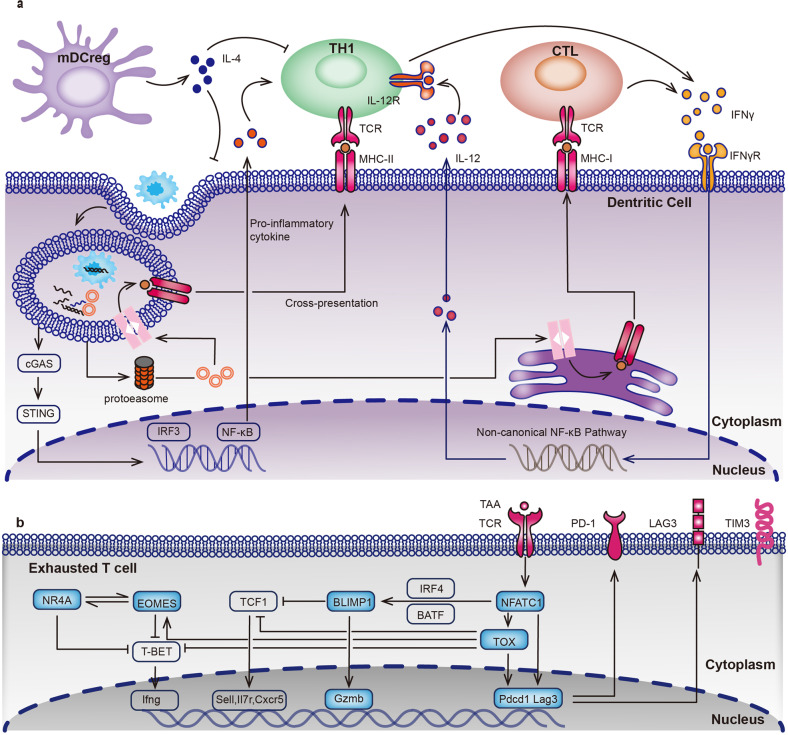
Immune-checkpoint inhibitors (ICBs), in addition to targeting CTLA-4, PD-1, and PD-L1, novel targeting LAG-3 drugs have also been approved in clinical application. With the widespread use of the drug, we must deeply analyze the dilemma of the agents and seek a breakthrough in the treatment prospect. Over the past decades, these agents have demonstrated dramatic efficacy, especially in patients with melanoma and non-small cell lung cancer (NSCLC). Nonetheless, in the field of a broad concept of solid tumours, non-specific indications, inseparable immune response and side effects, unconfirmed progressive disease, and complex regulatory networks of immune resistance are four barriers that limit its widespread application. Fortunately, the successful clinical trials of novel ICB agents and combination therapies, the advent of the era of oncolytic virus gene editing, and the breakthrough of the technical barriers of mRNA vaccines and nano-delivery systems have made remarkable breakthroughs currently. In this review, we enumerate the mechanisms of each immune checkpoint targets, associations between ICB with tumour mutation burden, key immune regulatory or resistance signalling pathways, the specific clinical evidence of the efficacy of classical targets and new targets among different tumour types and put forward dialectical thoughts on drug safety. Finally, we discuss the importance of accurate triage of ICB based on recent advances in predictive biomarkers and diagnostic testing techniques.
免疫检查点抑制剂(ICB)除了靶向 CTLA-4、PD-1 和 PD-L1 外,新型靶向 LAG-3 的药物也已在临床应用中获得批准。随着药物的广泛应用,我们必须深入分析这些药物的困境,并寻求治疗前景的突破。在过去的几十年中,这些药物已经显示出了显著的疗效,尤其是在黑色素瘤和非小细胞肺癌(NSCLC)患者中。然而,在广义的实体瘤领域,非特异性适应证、不可分割的免疫反应和副作用、未确认的进展性疾病以及免疫抵抗的复杂调节网络是限制其广泛应用的四大障碍。幸运的是,新型 ICB 药物和联合疗法的成功临床试验、溶瘤病毒基因编辑时代的到来以及 mRNA 疫苗和纳米递药系统技术障碍的突破,目前都取得了显著的突破。在这篇综述中,我们列举了每个免疫检查点靶点的作用机制、ICB 与肿瘤突变负担之间的关系、关键的免疫调节或抵抗信号通路、不同肿瘤类型中经典靶点和新靶点的具体临床疗效,并对药物安全性提出了辩证的思考。最后,我们讨论了基于预测性生物标志物和诊断检测技术的最新进展,对 ICB 进行准确分类的重要性。