Department of Sociology, Duke University, Durham, USA.
Department of Statistics, Duke University, Durham, USA.
Sci Rep. 2023 Aug 28;13(1):14051. doi: 10.1038/s41598-023-39359-0.
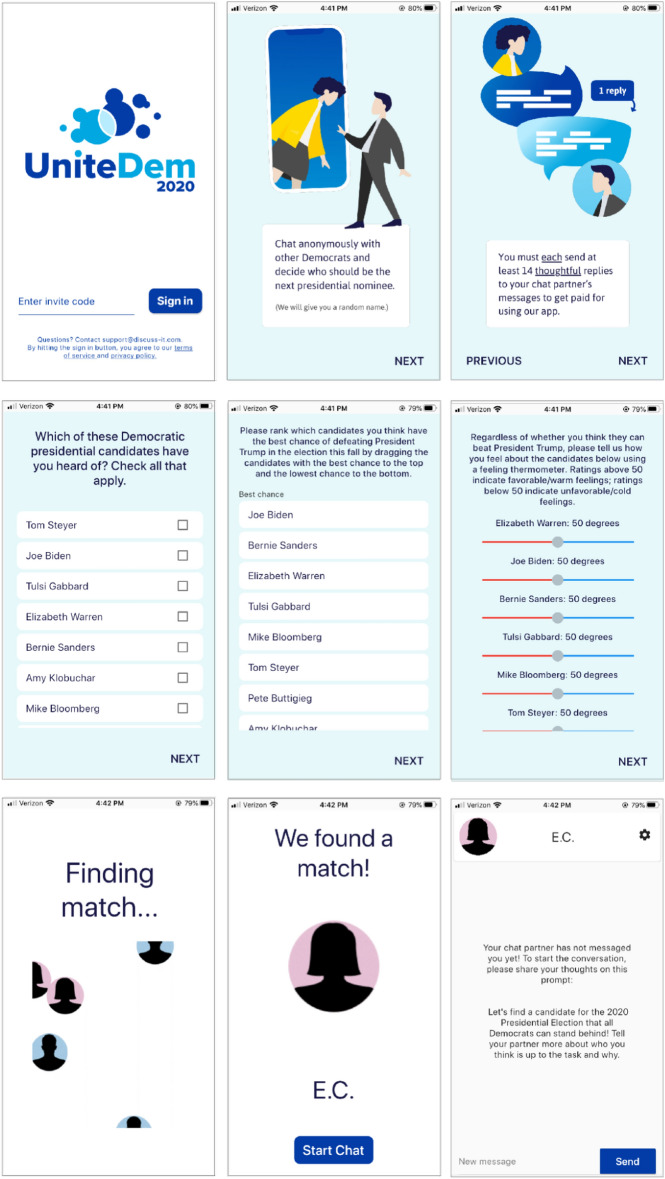
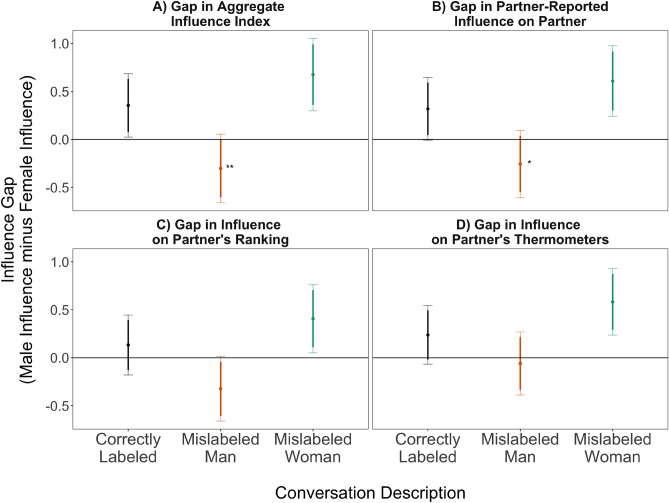
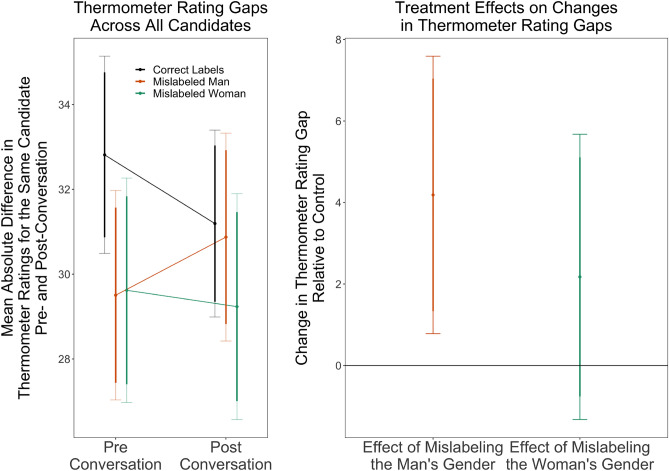
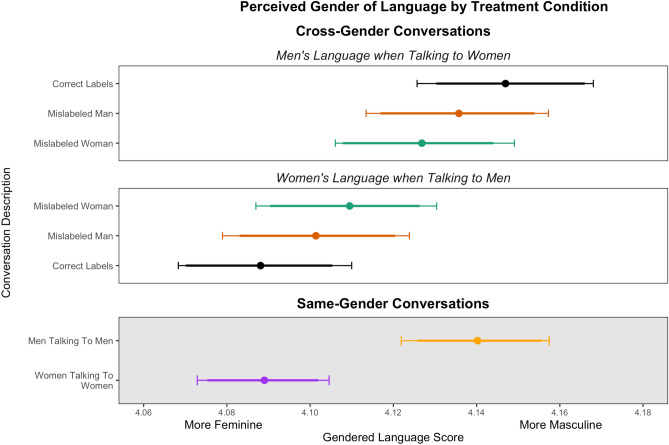
Women have less influence than men in a variety of settings. Does this result from stereotypes that depict women as less capable, or biased interpretations of gender differences in behavior? We present a field experiment that-unbeknownst to the participants-randomized the gender of avatars assigned to Democrats using a social media platform we created to facilitate discussion about the 2020 Primary Election. We find that misrepresenting a man as a woman undermines his influence, but misrepresenting a woman as a man does not increase hers. We demonstrate that men's higher resistance to being influenced-and gendered word use patterns-both contribute to this outcome. These findings challenge prevailing wisdom that women simply need to behave more like men to overcome gender discrimination and suggest that narrowing the gap will require simultaneous attention to the behavior of people who identify as women and as men.
在各种情况下,女性的影响力都不如男性。这是因为刻板印象认为女性能力较弱,还是因为对行为中的性别差异存在有偏见的解释?我们进行了一项现场实验,参与者并不知道,我们使用一个社交媒体平台随机改变了分配给民主党的虚拟形象的性别,该平台旨在促进关于 2020 年初选的讨论。我们发现,将一个男性描述成女性会削弱他的影响力,但将一个女性描述成男性并不会增加她的影响力。我们证明,男性更难被影响,以及性别化的用词模式,都促成了这一结果。这些发现挑战了一种流行观点,即女性只需表现得更像男性就能克服性别歧视,并表明缩小差距需要同时关注那些自认为是女性和男性的人的行为。