Shetty Asha P, Halemani Kurvatteppa, Issac Alwin, Thimmappa Latha, Dhiraaj Sanjay, K Radha, Mishra Prabhaker, Upadhyaya Vijai Datta
College of Nursing, All India Institute of Medical Sciences, Bhubaneswar, Odish, India.
College of Nursing, All India Institute of Medical Sciences, Raeberali, Uttar Pradesh, India.
Clin Exp Pediatr. 2024 Feb;67(2):104-115. doi: 10.3345/cep.2023.00486. Epub 2023 Nov 14.
Neonatal intensive care unit (NICU) admission causes significant distress that can hinder the successful transition into parenthood, child-parent relations, and child development.
This systematic review and meta-analysis aimed to understand parental psychological phenomena. Here we assessed the emotional response of parents of newborns during NICU admission.
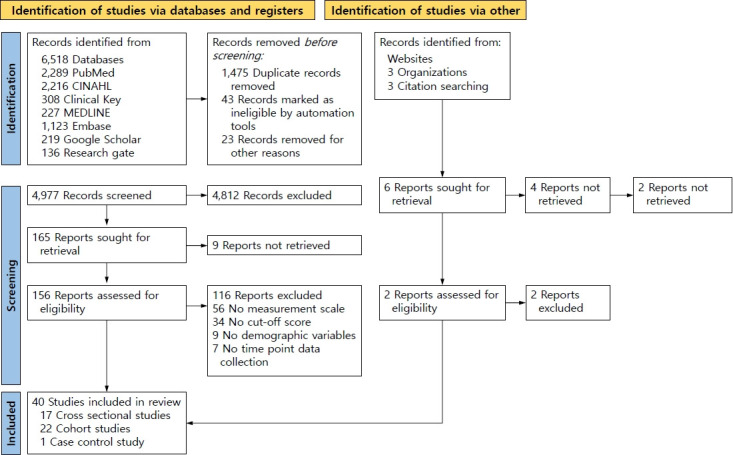
Two authors independently searched the PubMed, Cumulative Index to Nursing and Allied Health Literature, Embase, Clinical Key, and Google Scholar databases for studies published between January 01, 2004, and December 31, 2021. The review followed Cochrane collaboration guidelines and the PRISMA (Preferred Reporting Items for Systematic Review and Meta-Analysis) statement. The quality of the included studies was assessed using the modified Newcastle-Ottawa Scale. Stata software (version 16) was used to compute the results.
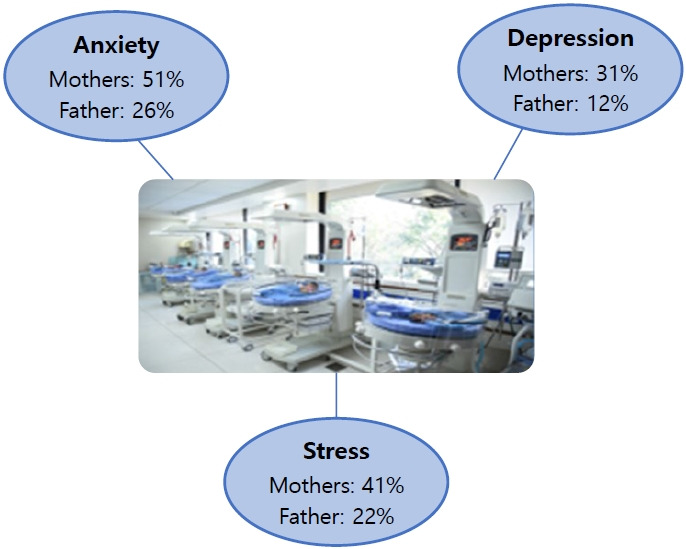
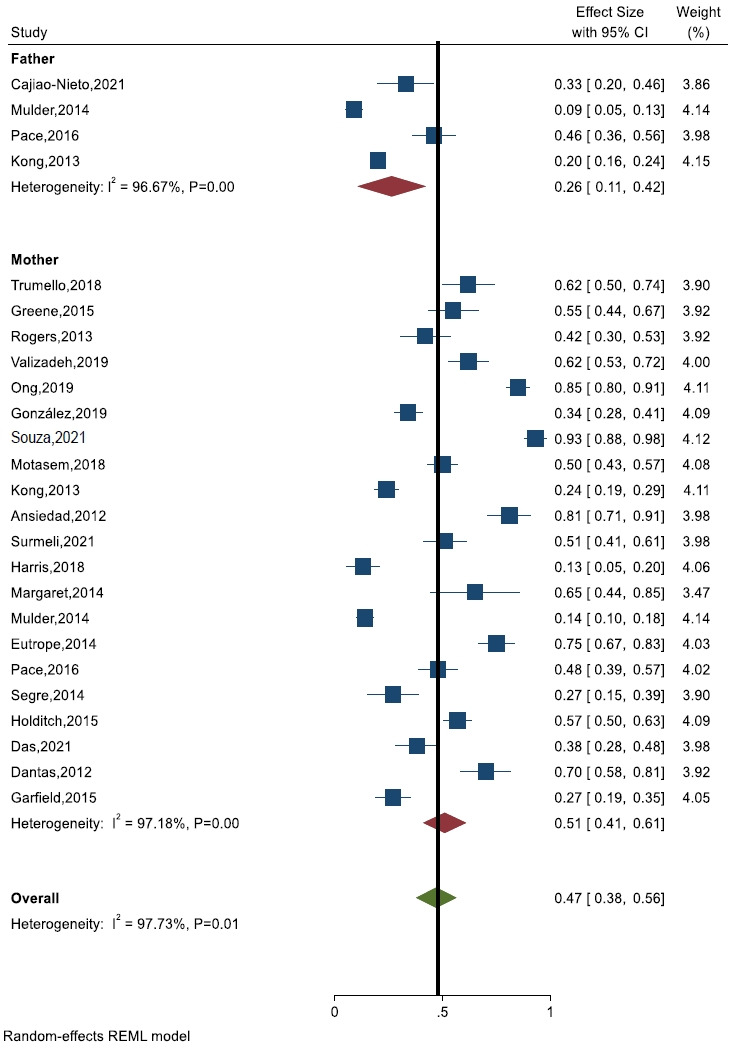
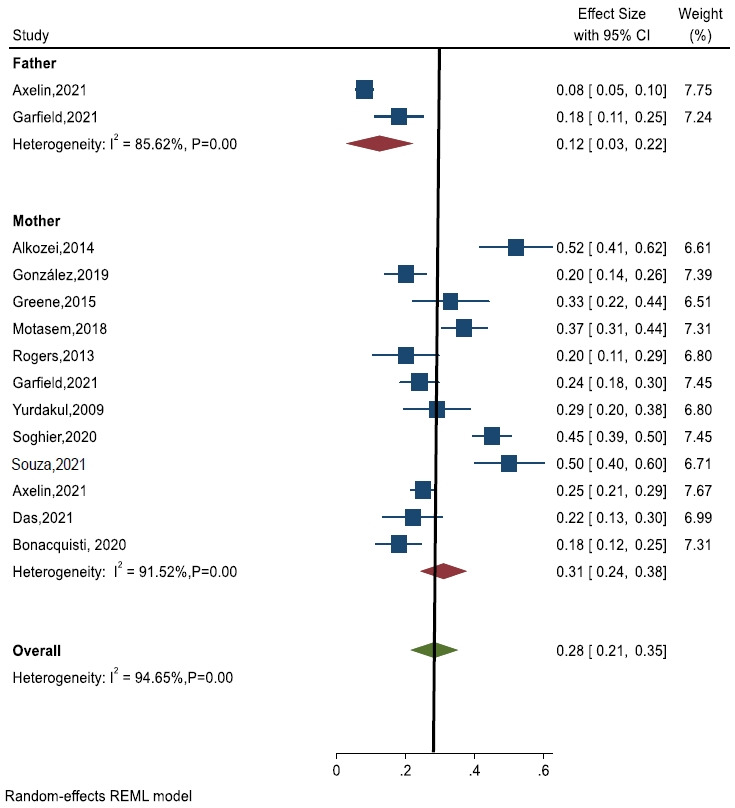
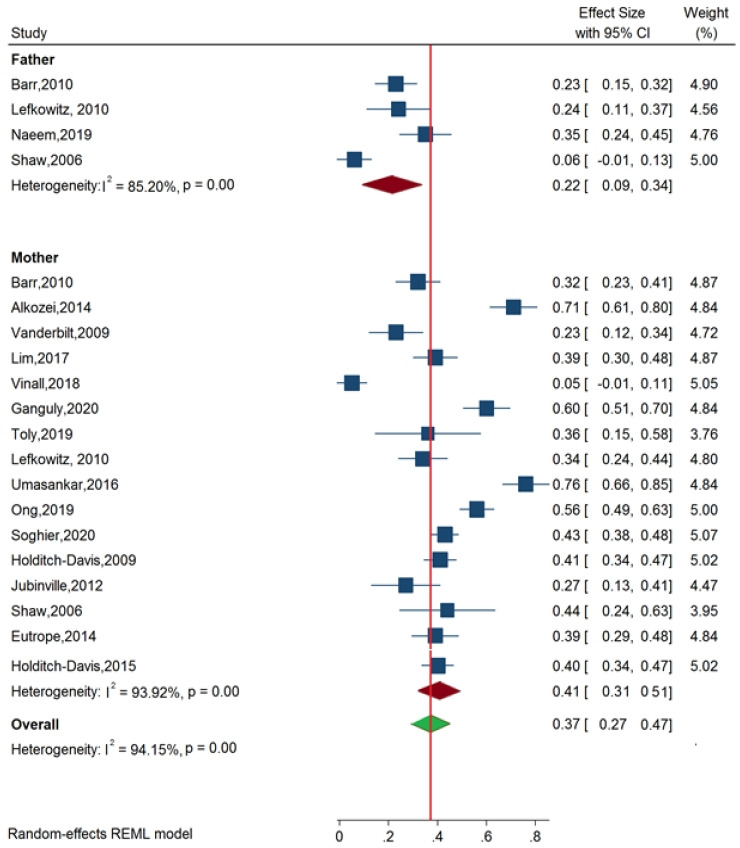
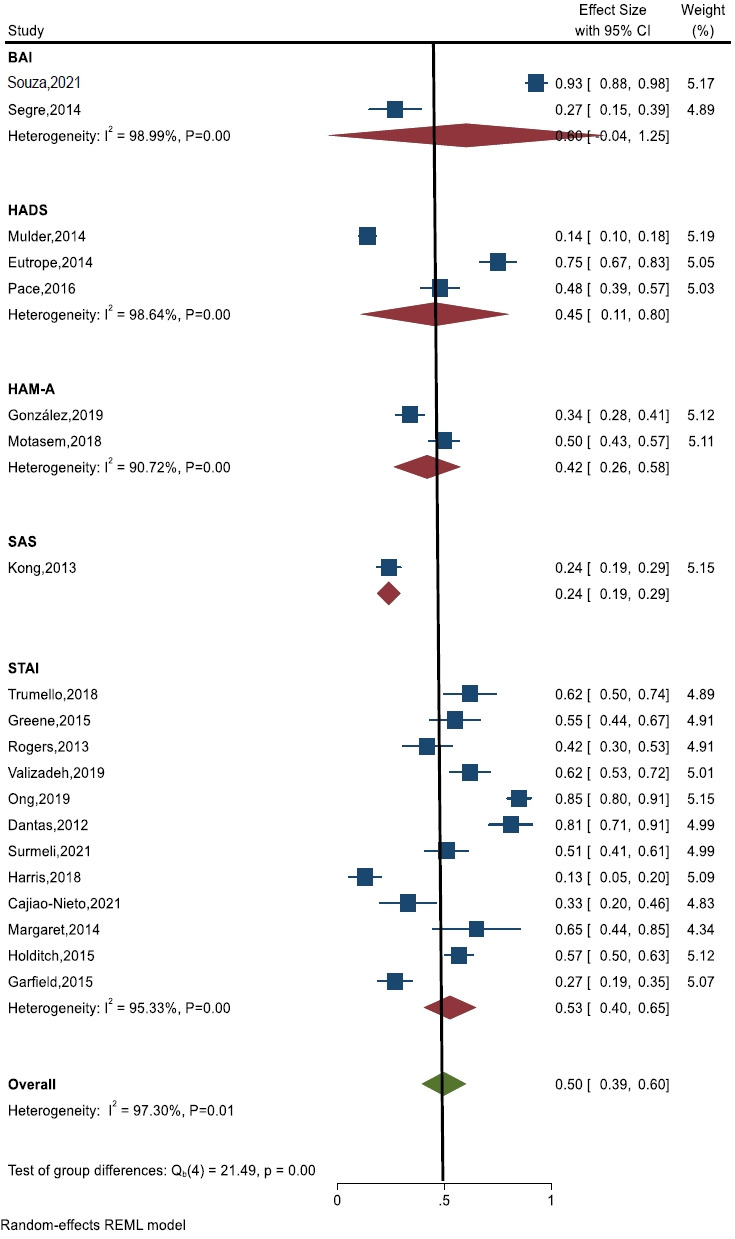
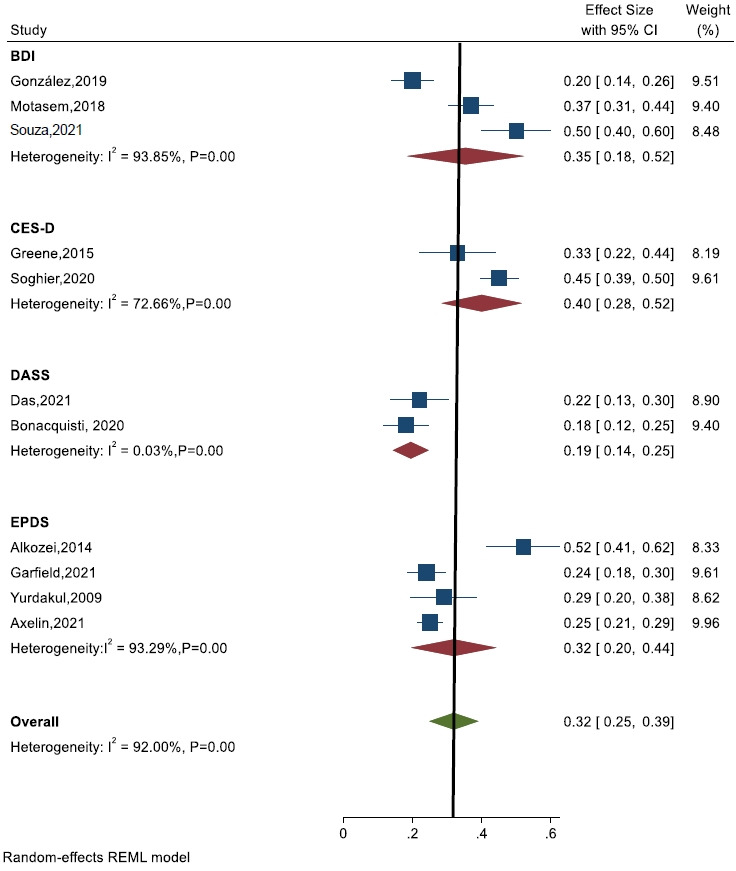
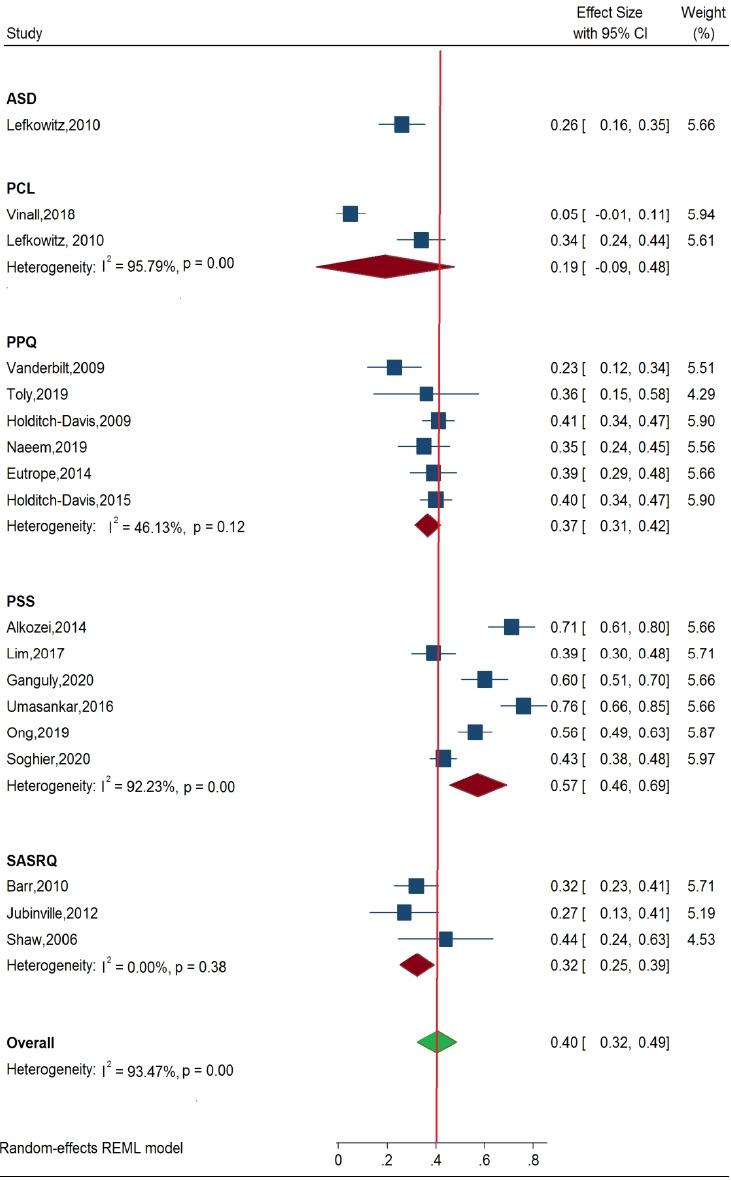
This review comprised 6,822 parents (5,083 mothers, 1,788 fathers; age range, 18-37 years) of NICU patients. The gestational ages and neonatal weights were 25.5-42 weeks and 750-2,920 g, respectively. The pooled prevalence of anxiety was higher among mothers (effect size [ES], 0.51; 95% confidence interval [CI], 0.41-0.61; and heterogeneity [I2]=97.1%; P<0.001) than among fathers (ES, 0.26; 95% CI, 0.11-0.42; I2=96.6%; P<0.001). Further, the pooled prevalence of depression was higher among mothers (ES, 0.31; 95% CI, 0.24-0.38; I2=91.5%; P<0.001) than among fathers (ES, 0.12; 95% CI, 0.03-0.22; I2=85.6%; P<0.001). Similarly, the pooled prevalence of stress was higher among mothers (ES, 0.41; 95% CI, 0.31-0.51; I2= 93.9%; P<0.001) than among fathers (ES, 0.22; 95% CI, 0.09-0.34; I2=85.2%; P<0.001).
NICU admission is more stressful for mothers than fathers and can affect mental health and quality of life. Mothers reported a higher pooled prevalence of stress, anxiety, and depression than fathers, possibly attributable to their feelings about birthing a sick child.
新生儿重症监护病房(NICU)收治会引发巨大痛苦,这可能会阻碍顺利过渡到为人父母的角色、影响亲子关系以及儿童发育。
本系统评价和荟萃分析旨在了解父母的心理现象。在此,我们评估了新生儿在NICU住院期间其父母的情绪反应。
两位作者独立检索了PubMed、护理及相关健康文献累积索引、Embase、Clinical Key和谷歌学术数据库,以查找2004年1月1日至2021年12月31日期间发表的研究。该评价遵循Cochrane协作组指南和PRISMA(系统评价和荟萃分析的首选报告项目)声明。使用改良的纽卡斯尔-渥太华量表评估纳入研究的质量。使用Stata软件(版本16)计算结果。
本评价纳入了6822名NICU患儿的父母(5083名母亲,1788名父亲;年龄范围18 - 37岁)。胎龄和新生儿体重分别为25.5 - 42周和750 - 2920克。母亲中焦虑的合并患病率高于父亲(效应量[ES],0.51;95%置信区间[CI],0.41 - 0.61;异质性[I²]=97.1%;P<0.001)(ES,0.26;95% CI,0.11 - 0.42;I²=96.6%;P<0.001)。此外,母亲中抑郁的合并患病率高于父亲(ES,0.31;95% CI,0.24 - 0.38;I²=91.5%;P<0.001)(ES,0.12;95% CI,0.03 - 0.22;I²=85.6%;P<0.