Cao Yue, Chen Jinyao, Bian Qian, Ning Junyu, Yong Ling, Ou Tong, Song Yan, Wei Sheng
Key Laboratory of Food Safety Risk Assessment, National Health Commission of the People's Republic of China (China National Center for Food Safety Risk Assessment), Guangqu Road, Beijing 100022, China.
School of Public Health, Tongji Medical College, Huazhong University of Science and Technology, Hangkong Road, Wuhan 430030, China.
Toxics. 2023 Oct 27;11(11):882. doi: 10.3390/toxics11110882.
Recent studies have raised concerns about genotoxic effects associated with titanium dioxide nanoparticles (TiO NPs), which are commonly used. This meta-analysis aims to investigate the potential genotoxicity of TiO NPs and explore influencing factors.
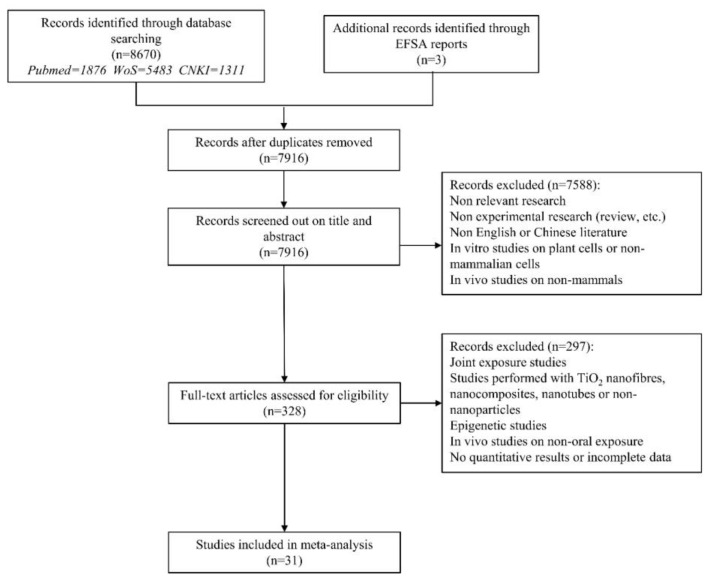
This study systematically searched Chinese and English literature. The literature underwent quality evaluation, including reliability evaluation using the toxicological data reliability assessment method and relevance evaluation using routine evaluation forms. Meta-analysis and subgroup analyses were performed using R software, with the standardized mean difference (SMD) as the combined effect value.
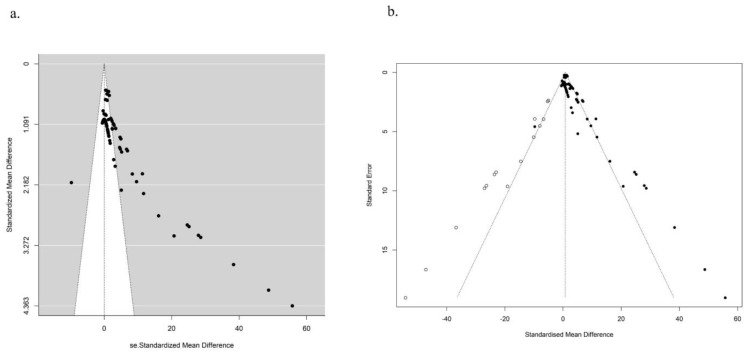
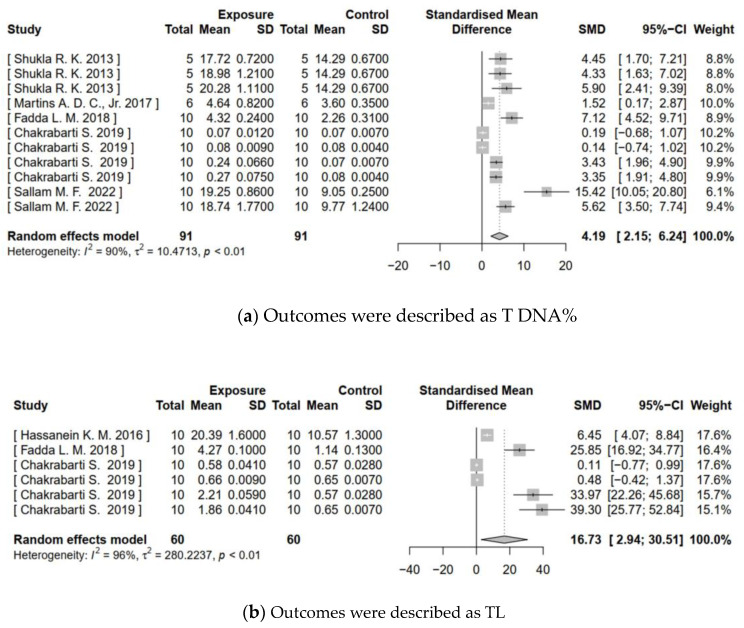
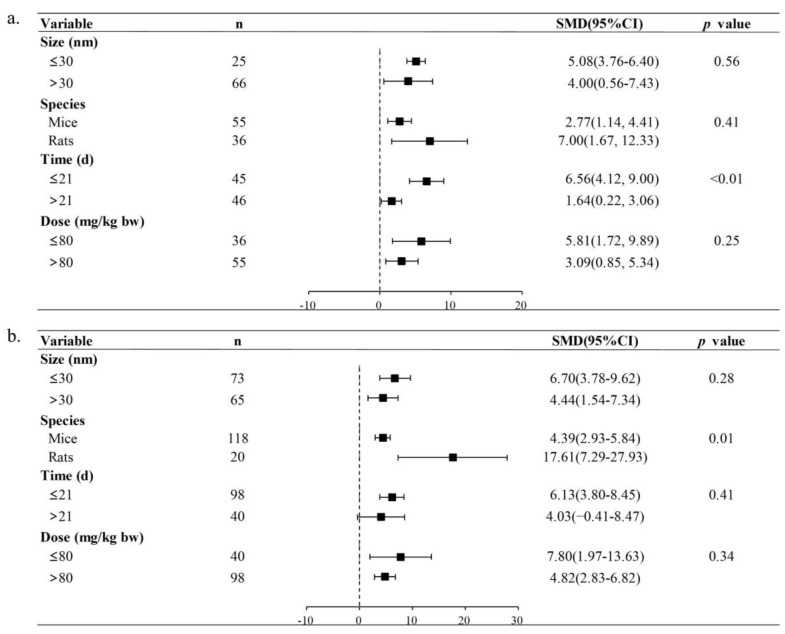
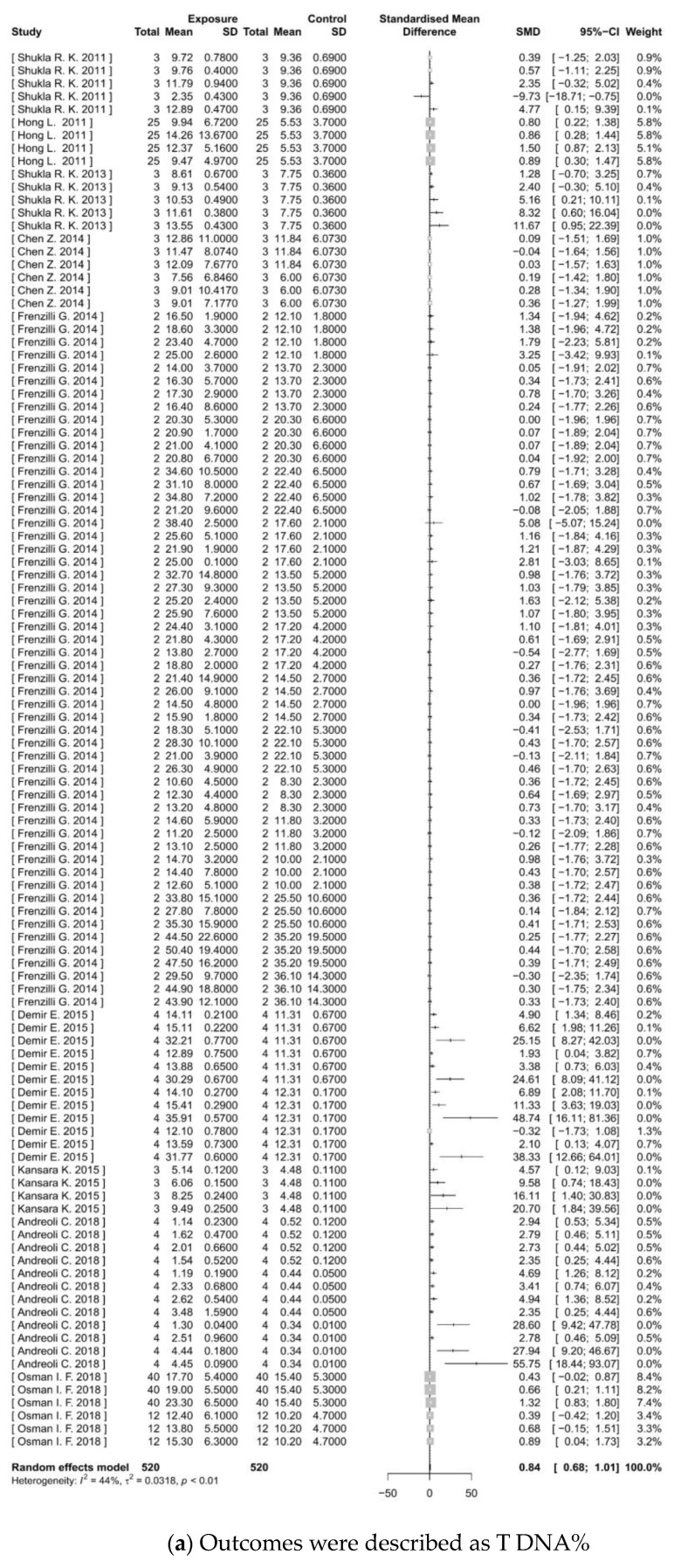
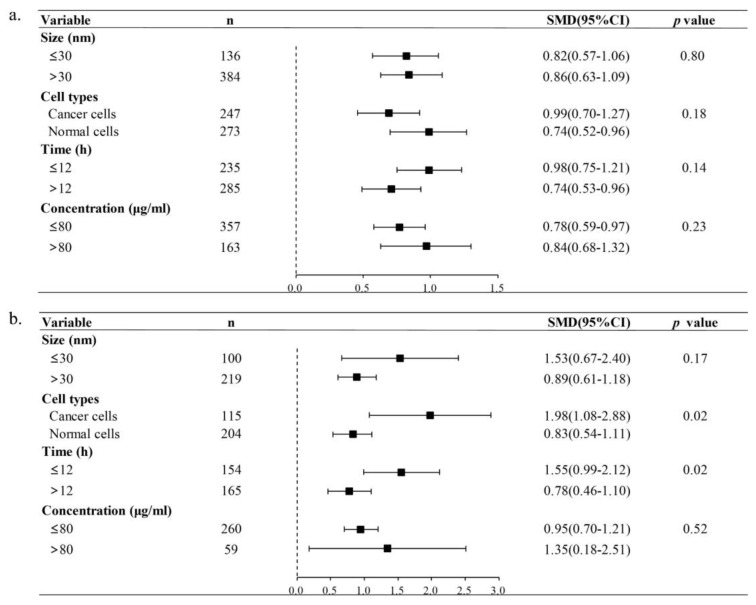
A total of 26 studies met the inclusion criteria and passed the quality assessment. Meta-analysis results indicated that the SMD for each genotoxic endpoint was greater than 0. This finding implies a significant association between TiO NP treatment and DNA damage and chromosome damage both in vivo and in vitro and gene mutation in vitro. Subgroup analysis revealed that short-term exposure to TiO NPs increased DNA damage. Rats and cancer cells exhibited heightened susceptibility to DNA damage triggered by TiO NPs ( < 0.05).
TiO NPs could induce genotoxicity, including DNA damage, chromosomal damage, and in vitro gene mutations. The mechanism of DNA damage response plays a key role in the genotoxicity induced by TiO NPs.
近期研究引发了对常用的二氧化钛纳米颗粒(TiO NPs)相关遗传毒性效应的关注。本荟萃分析旨在研究TiO NPs的潜在遗传毒性并探索影响因素。
本研究系统检索了中英文文献。对文献进行质量评估,包括使用毒理学数据可靠性评估方法进行可靠性评估以及使用常规评估表进行相关性评估。使用R软件进行荟萃分析和亚组分析,以标准化均数差(SMD)作为合并效应值。
共有26项研究符合纳入标准并通过质量评估。荟萃分析结果表明,每个遗传毒性终点的SMD均大于0。这一发现意味着TiO NP处理与体内外DNA损伤、染色体损伤以及体外基因突变之间存在显著关联。亚组分析显示,短期暴露于TiO NPs会增加DNA损伤。大鼠和癌细胞对TiO NPs引发的DNA损伤表现出更高的易感性(<0.05)。
TiO NPs可诱导遗传毒性,包括DNA损伤、染色体损伤和体外基因突变。DNA损伤反应机制在TiO NPs诱导的遗传毒性中起关键作用。