Makiso Markos Urugo, Tola Yetenayet Bekele, Ogah Onwuchekwa, Endale Fitsum Liben
Department of Food Science and Postharvest Technology College of Agricultural Sciences Wachemo University Hossana Ethiopia.
Department of Postharvest Management College of Agriculture and Veterinary Medicine Jimma University Jimma Ethiopia.
Food Sci Nutr. 2023 Nov 22;12(2):734-764. doi: 10.1002/fsn3.3848. eCollection 2024 Feb.
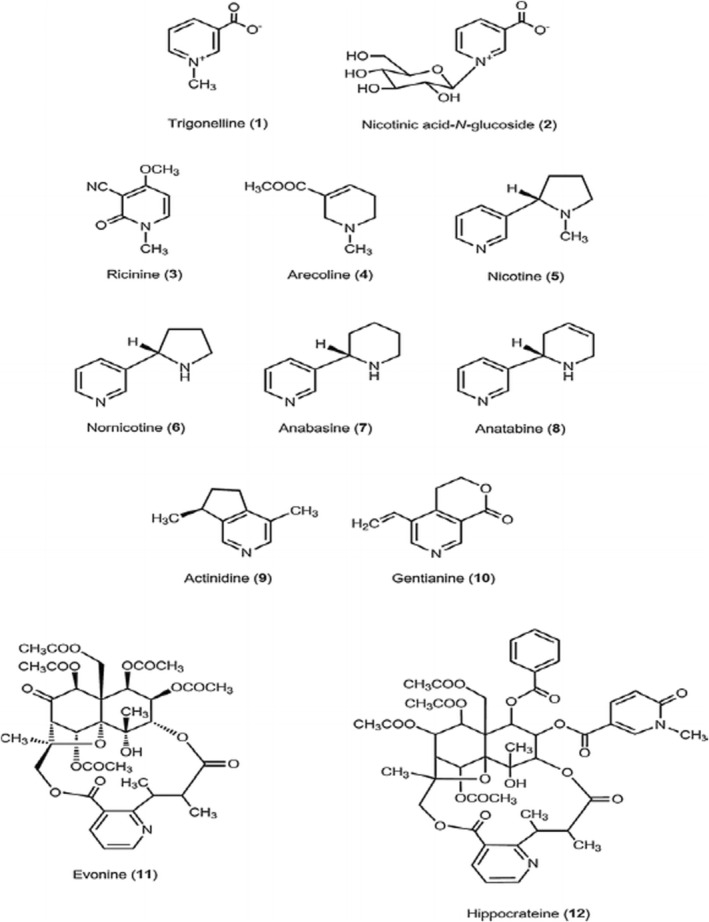
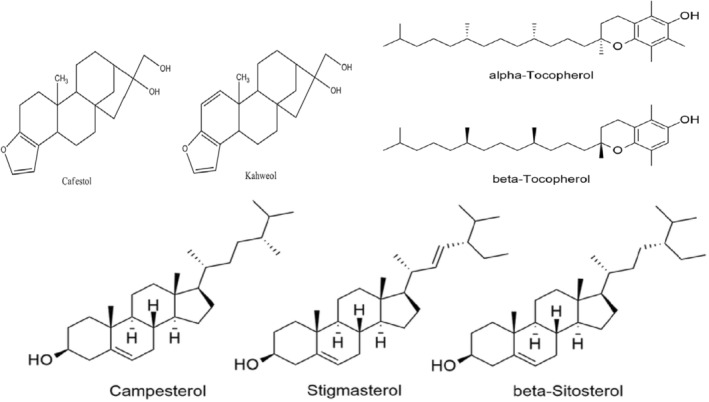
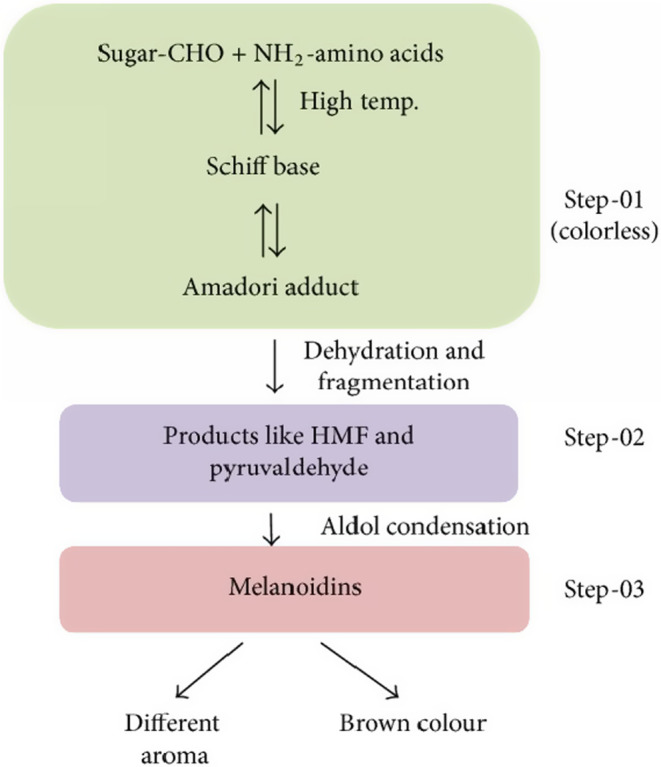
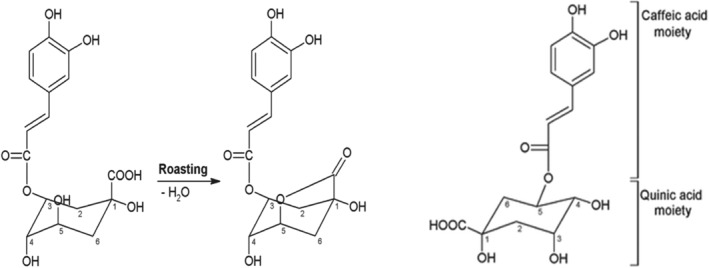
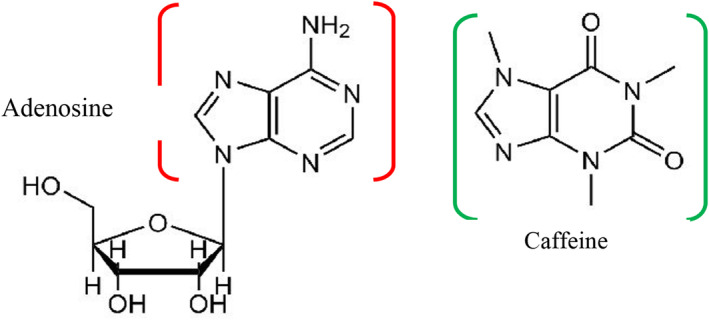
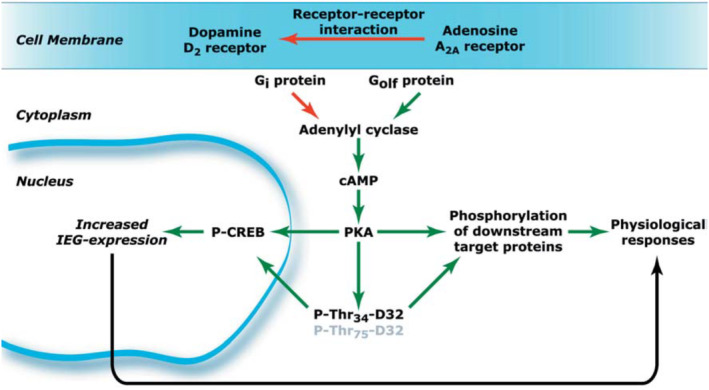
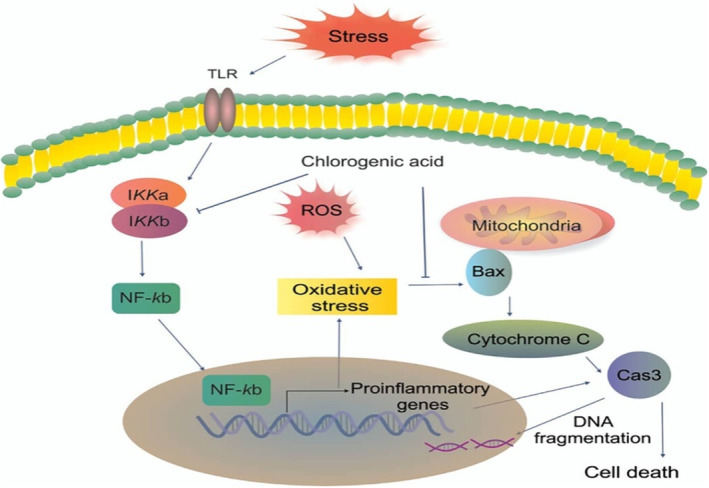
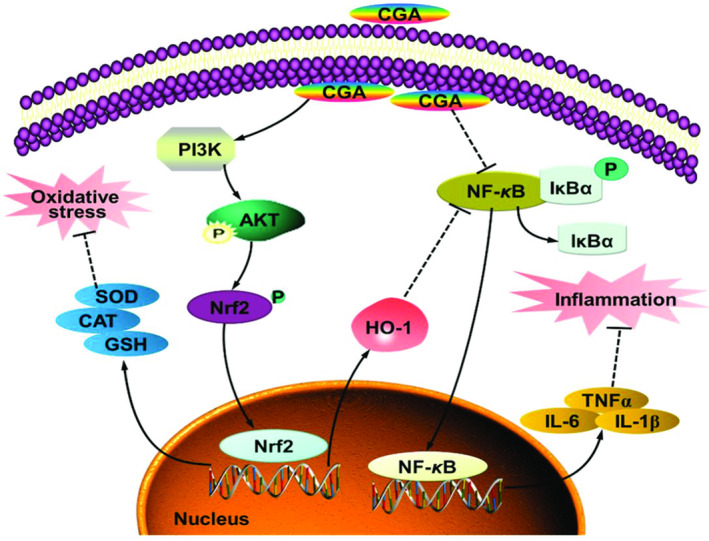
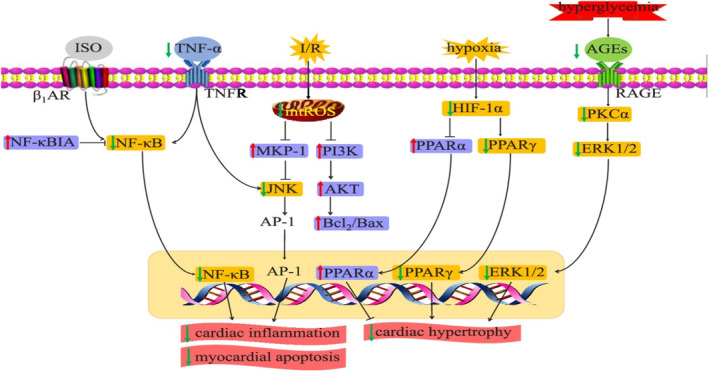
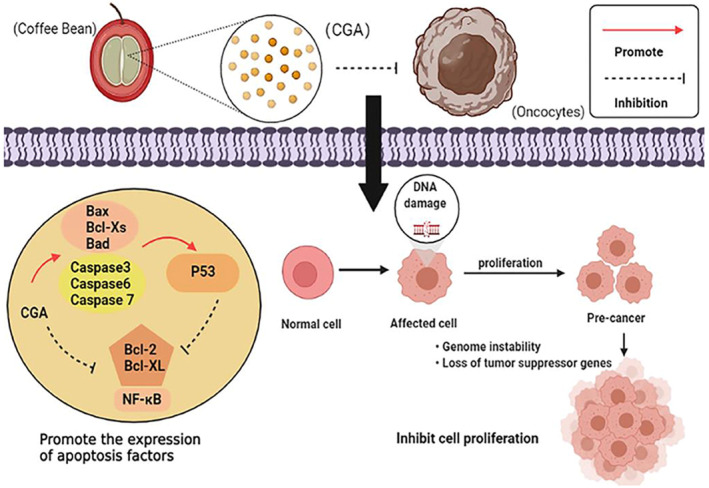
This article addresses the bioactive components in coffee aroma, their metabolism, and the mechanism of action in lowering the risk of various potential health problems. The main bioactive components involved in the perceived aroma of coffee and its related health benefits are caffeine, chlorogenic acid (CGA), trigonelline, diterpenes, and melanoids. These compounds are involved in various physiological activities. Caffeine has been shown to have anticancer properties, as well as the ability to prevent the onset and progression of hepatocellular carcinoma and to be anti-inflammatory. CGA exhibits antioxidant action and is implicated in gut health, neurodegenerative disease protection, type 2 diabetes, and cardiovascular disease prevention. Furthermore, together with diterpenes, CGA has been linked to anticancer activity. Trigonelline, on the other side, has been found to lower oxidative stress by increasing antioxidant enzyme activity and scavenging reactive oxygen species. It also prevents the formation of kidney stones. Diterpenes and melanoids possess anti-inflammatory and antioxidant properties, respectively. Consuming three to four cups of filtered coffee per day, depending on an individual's physiological condition and health status, has been linked to a lower risk of several degenerative diseases. Despite their health benefits, excessive coffee intake above the recommended daily dosage, calcium and vitamin D deficiency, and unfiltered coffee consumption all increase the risk of potential health concerns. In conclusion, moderate coffee consumption lowers the risk of different noncommunicable diseases.
本文探讨了咖啡香气中的生物活性成分、它们的代谢以及降低各种潜在健康问题风险的作用机制。与咖啡的感知香气及其相关健康益处有关的主要生物活性成分是咖啡因、绿原酸(CGA)、胡芦巴碱、二萜类化合物和类黑素。这些化合物参与各种生理活动。咖啡因已被证明具有抗癌特性,以及预防肝细胞癌的发生和发展的能力,并且具有抗炎作用。CGA具有抗氧化作用,与肠道健康、神经退行性疾病保护、2型糖尿病和心血管疾病预防有关。此外,CGA与二萜类化合物一起,与抗癌活性有关。另一方面,胡芦巴碱已被发现通过增加抗氧化酶活性和清除活性氧来降低氧化应激。它还能预防肾结石的形成。二萜类化合物和类黑素分别具有抗炎和抗氧化特性。根据个人的生理状况和健康状况,每天饮用三到四杯过滤咖啡与降低几种退行性疾病的风险有关。尽管咖啡对健康有益,但超过推荐日剂量的过量咖啡摄入、钙和维生素D缺乏以及饮用未过滤的咖啡都会增加潜在健康问题的风险。总之,适量饮用咖啡可降低不同非传染性疾病的风险。