Wei Xinrui, Yuan Meng, Zheng Bao-Qiang, Zhou Lin, Wang Yan
State Key Laboratory of Tree Genetics and Breeding; Research Institute of Forestry, Chinese Academy of Forestry, Beijing, China.
Front Plant Sci. 2024 Feb 5;15:1352119. doi: 10.3389/fpls.2024.1352119. eCollection 2024.
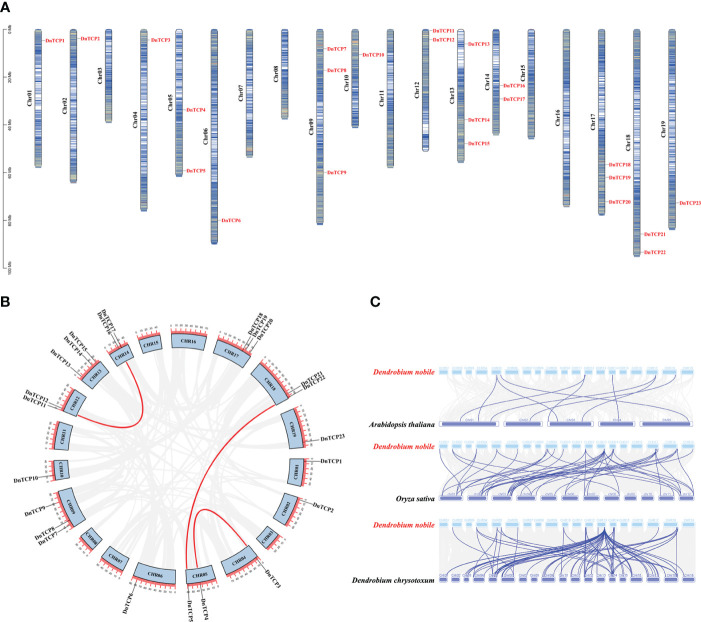
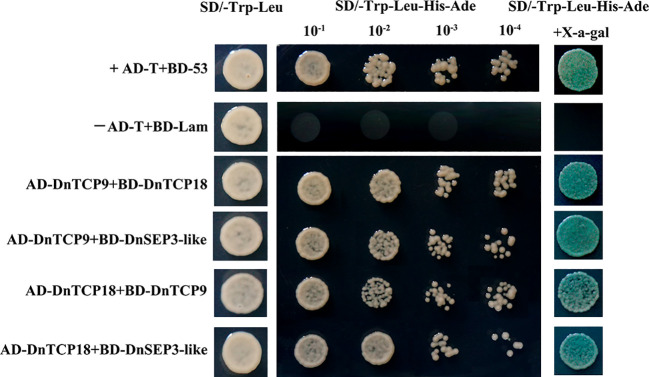
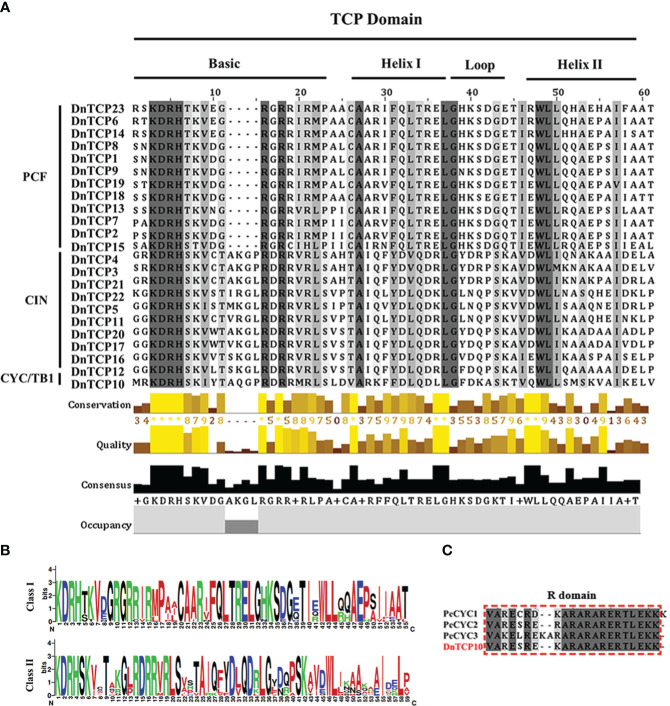
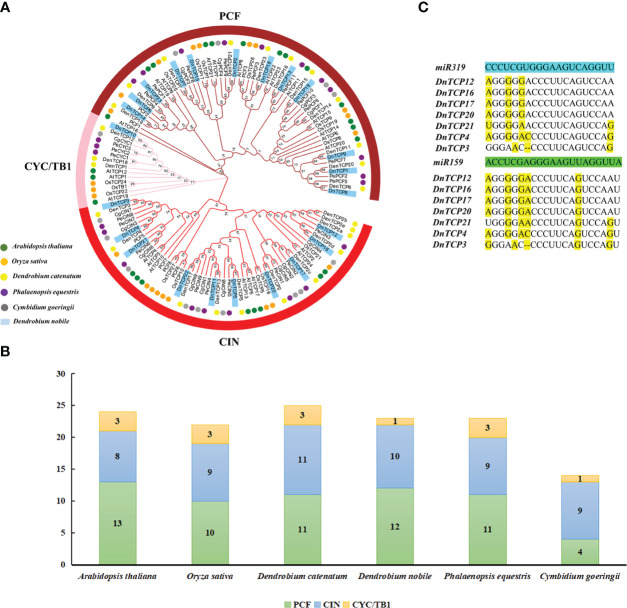
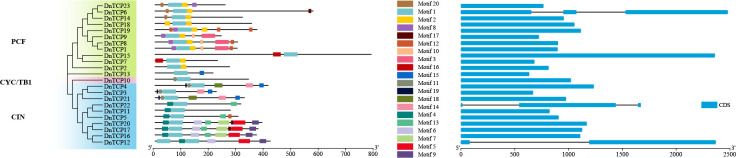
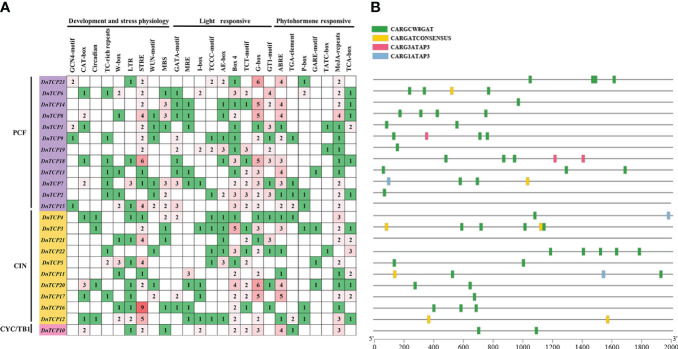
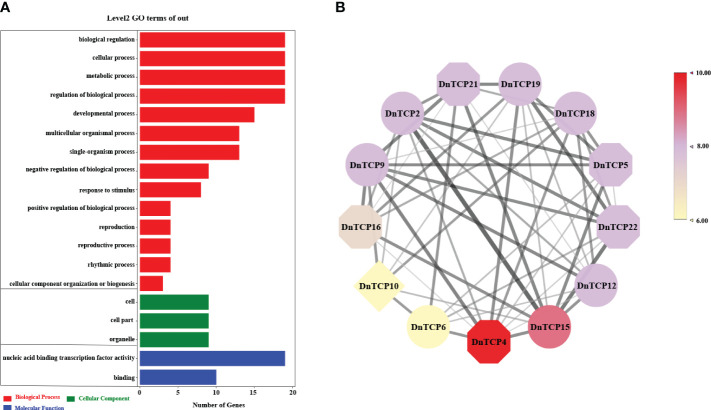
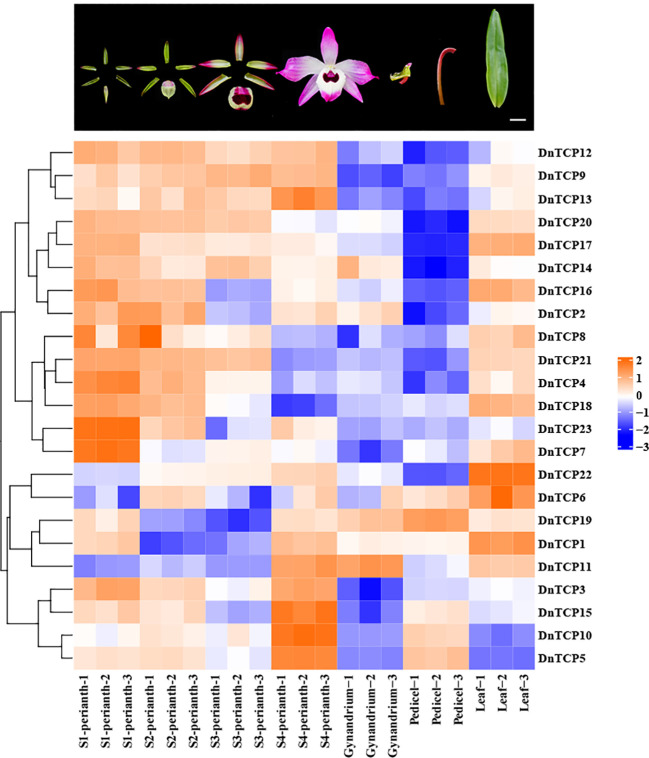
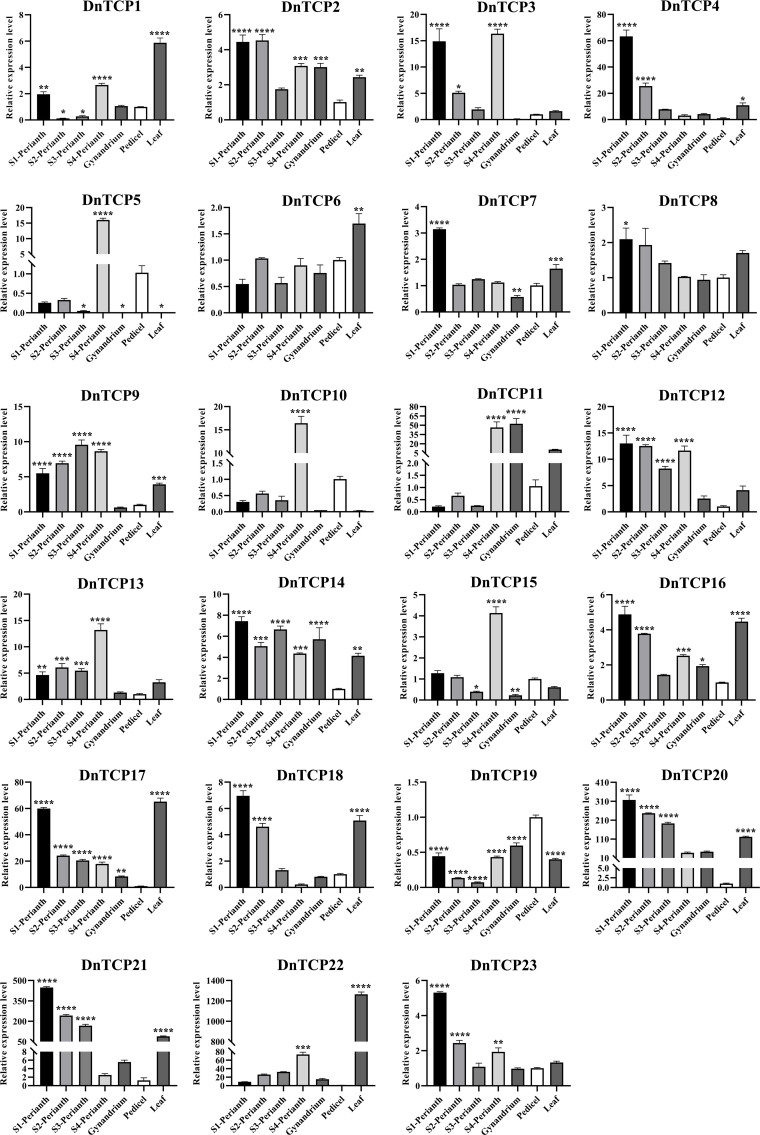
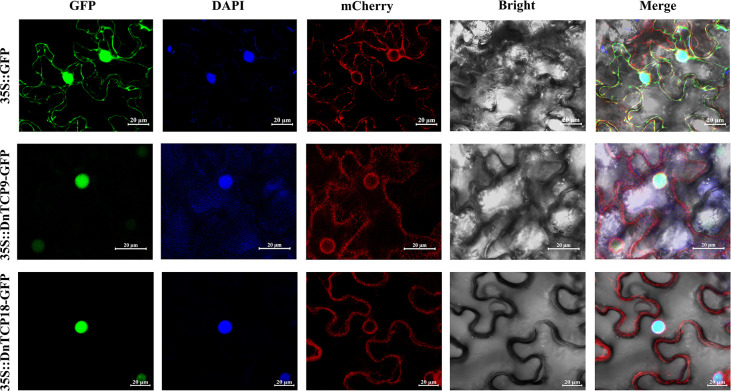
TCP is a widely distributed, essential plant transcription factor that regulates plant growth and development. An in-depth study of genes in , a crucial parent in genetic breeding and an excellent model material to explore perianth development in , has not been conducted. We identified 23 genes unevenly distributed across 19 chromosomes and classified them as Class I PCF (12 members), Class II: CIN (10 members), and CYC/TB1 (1 member) based on the conserved domain and phylogenetic analysis. Most DnTCPs in the same subclade had similar gene and motif structures. Segmental duplication was the predominant duplication event for genes, and no tandem duplication was observed. Seven genes in the CIN subclade had potential miR319 and -159 target sites. Cis-acting element analysis showed that most genes contained many developmental stress-, light-, and phytohormone-responsive elements in their promoter regions. Distinct expression patterns were observed among the 23 genes, suggesting that these genes have diverse regulatory roles at different stages of perianth development or in different organs. For instance, and play a role in early perianth development, and and are significantly expressed during late perianth development. , , , and are the most likely to be involved in perianth and leaf development. was significantly expressed in the gynandrium. Specially, MADS-specific binding sites were present in most genes putative promoters, and two Class I DnTCPs were in the nucleus and interacted with each other or with the MADS-box. The interactions between TCP and the MADS-box have been described for the first time in orchids, which broadens our understanding of the regulatory network of TCP involved in perianth development in orchids.
TCP是一种广泛分布的、重要的植物转录因子,可调控植物的生长发育。然而,尚未对[具体植物名称](遗传育种中的关键亲本以及探索[具体植物名称]花被发育的优良模式材料)中的基因进行深入研究。我们鉴定出23个[具体植物名称]TCP基因,它们不均匀地分布在19条染色体上,并根据保守结构域和系统发育分析将它们分为I类PCF(12个成员)、II类:CIN(10个成员)和CYC/TB1(1个成员)。同一亚分支中的大多数[具体植物名称]TCP基因具有相似的基因和基序结构。片段重复是[具体植物名称]TCP基因的主要重复事件,未观察到串联重复。CIN亚分支中的7个基因具有潜在的miR319和-159靶位点。顺式作用元件分析表明,大多数[具体植物名称]TCP基因在其启动子区域含有许多发育应激、光和植物激素响应元件。在23个[具体植物名称]TCP基因中观察到不同的表达模式,表明这些基因在花被发育的不同阶段或不同器官中具有多种调控作用。例如,[具体基因名称1]和[具体基因名称2]在花被早期发育中起作用,[具体基因名称3]和[具体基因名称4]在花被后期发育中显著表达。[具体基因名称5]、[具体基因名称6]、[具体基因名称7]和[具体基因名称8]最有可能参与花被和叶片发育。[具体基因名称9]在雌雄蕊群中显著表达。特别地,大多数[具体植物名称]TCP基因的推定启动子中存在MADS特异性结合位点,并且两个I类[具体植物名称]TCP蛋白在细胞核中相互作用或与MADS盒相互作用。TCP与MADS盒之间的相互作用在兰花中首次被描述,这拓宽了我们对参与兰花花被发育的TCP调控网络的理解。