Graves R A, Marzluff W F, Giebelhaus D H, Schultz G A
Proc Natl Acad Sci U S A. 1985 Sep;82(17):5685-9. doi: 10.1073/pnas.82.17.5685.
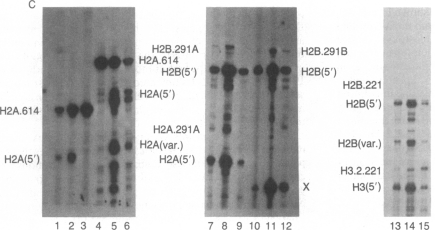
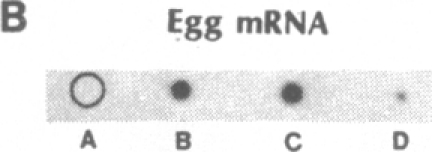
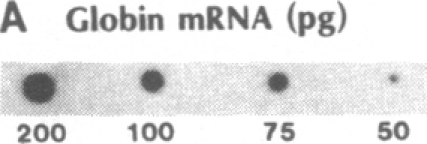
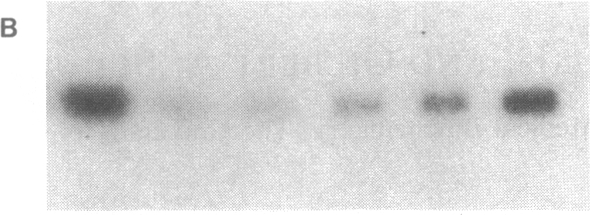
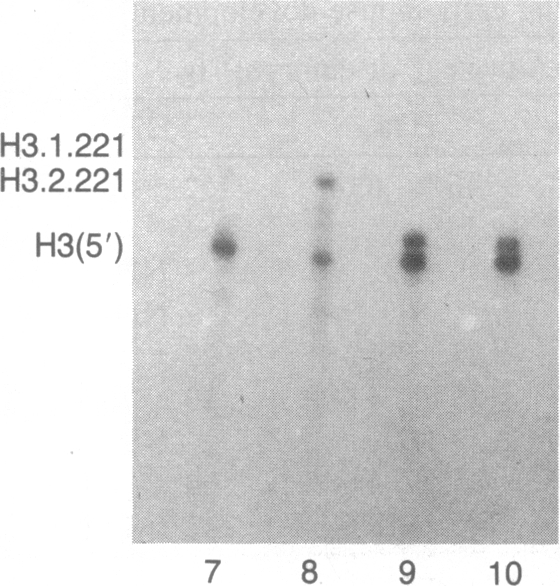
There are large amounts of histone mRNA present in mouse eggs. These RNAs are rapidly degraded, as are other mRNAs, after fertilization and prior to the second cleavage. During cleavage, the histone mRNA accumulates as the embryo divides. The same sets of histone genes are expressed in eggs and embryos, although there are large qualitative differences in the amounts of particular histone mRNAs. The function of the egg histone mRNA is unknown. The amount of histone mRNA in cleaving and blastocyst embryos is probably sufficient to code for the blastocyst histone proteins.
小鼠卵子中存在大量组蛋白mRNA。这些RNA在受精后及第二次卵裂前会像其他mRNA一样迅速降解。在卵裂过程中,随着胚胎分裂,组蛋白mRNA会积累。尽管特定组蛋白mRNA的量存在很大的质的差异,但相同的组蛋白基因集在卵子和胚胎中均有表达。卵子组蛋白mRNA的功能尚不清楚。正在卵裂的胚胎和囊胚中的组蛋白mRNA量可能足以编码囊胚的组蛋白。