
钙化性主动脉瓣疾病中自噬相关基因及免疫浸润的研究:一项生物信息学分析及实验验证
Investigation of autophagy‑related genes and immune infiltration in calcific aortic valve disease: A bioinformatics analysis and experimental validation.
作者信息
Hu Tie, Jiang Ying, Yang Jue-Sheng, Hu Fa-Jia, Yuan Yong, Liu Ji-Chun, Wang Li-Jun
机构信息
Department of Cardiovascular Surgery, The Second Affiliated Hospital of Nanchang University, Nanchang, Jiangxi 330006, P.R. China.
出版信息
Exp Ther Med. 2024 Mar 26;27(5):233. doi: 10.3892/etm.2024.12521. eCollection 2024 May.
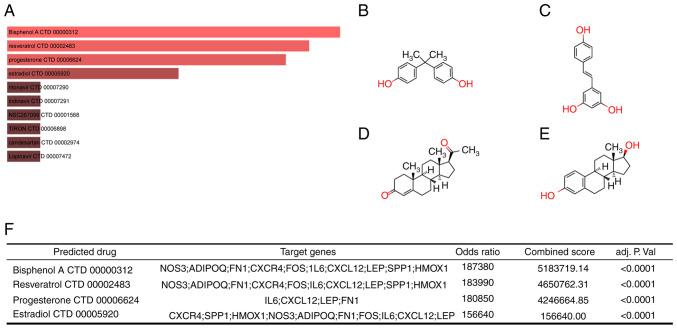
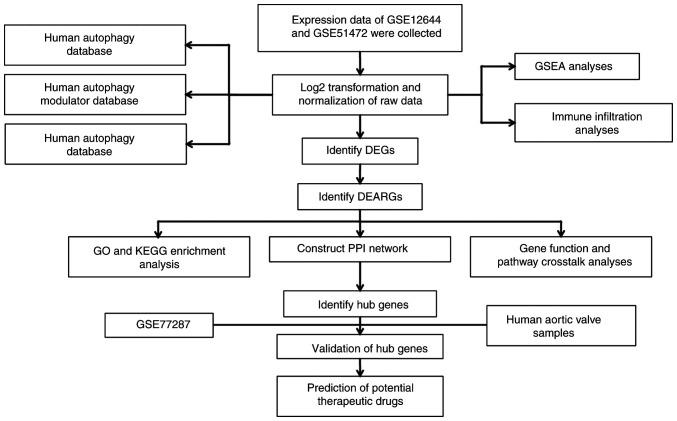
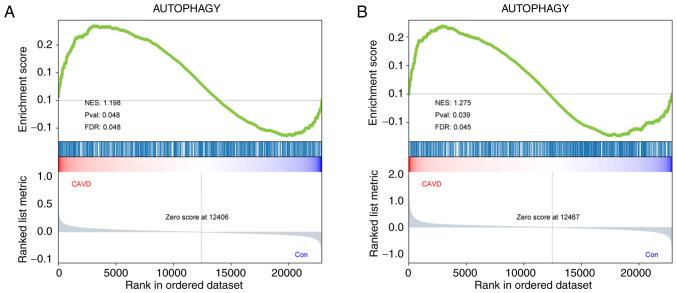
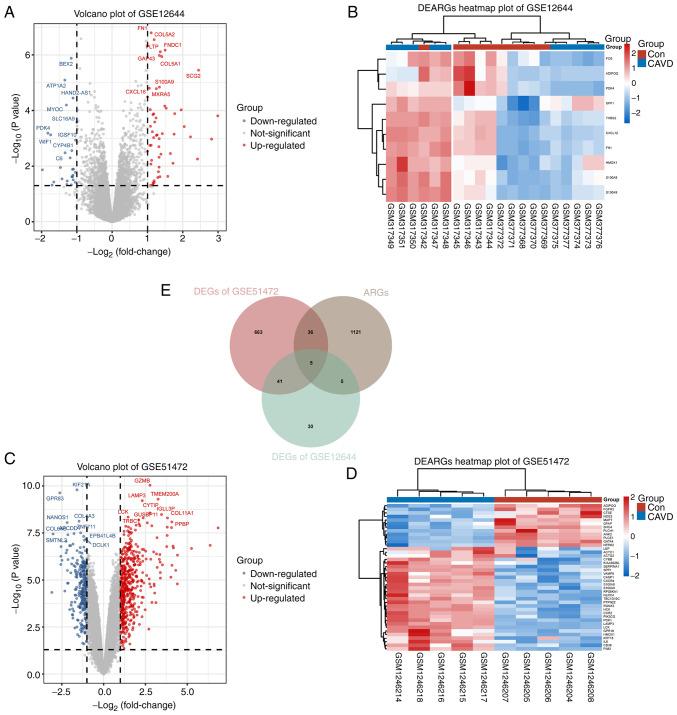
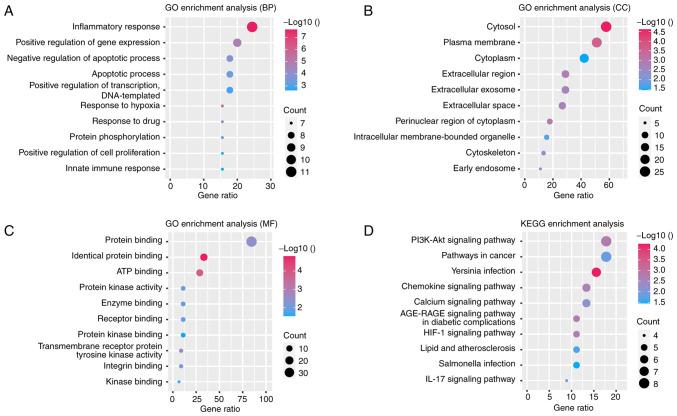
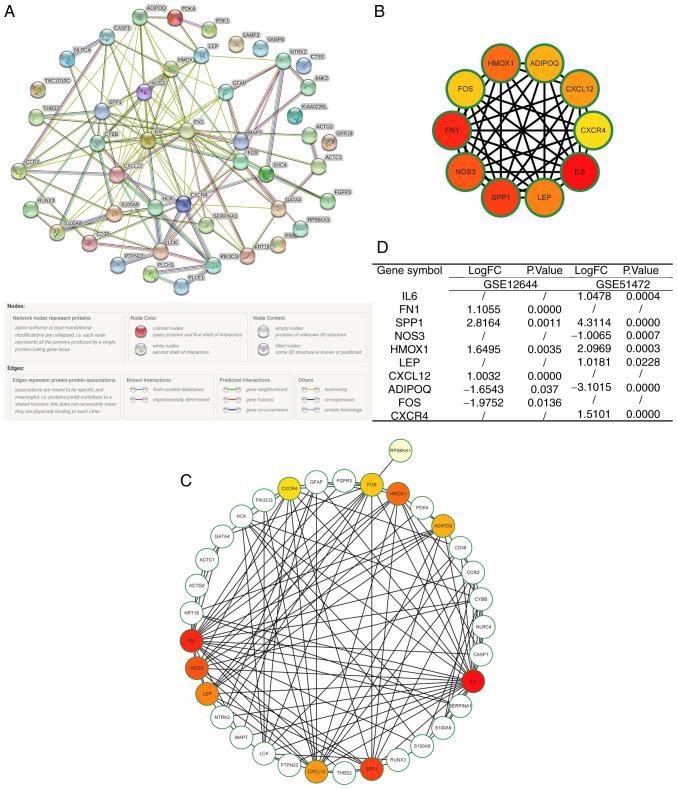
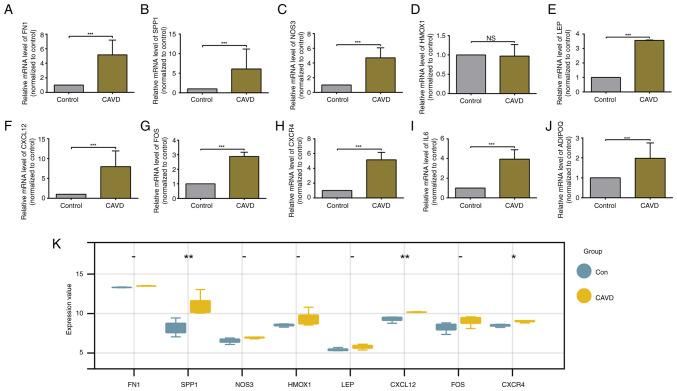
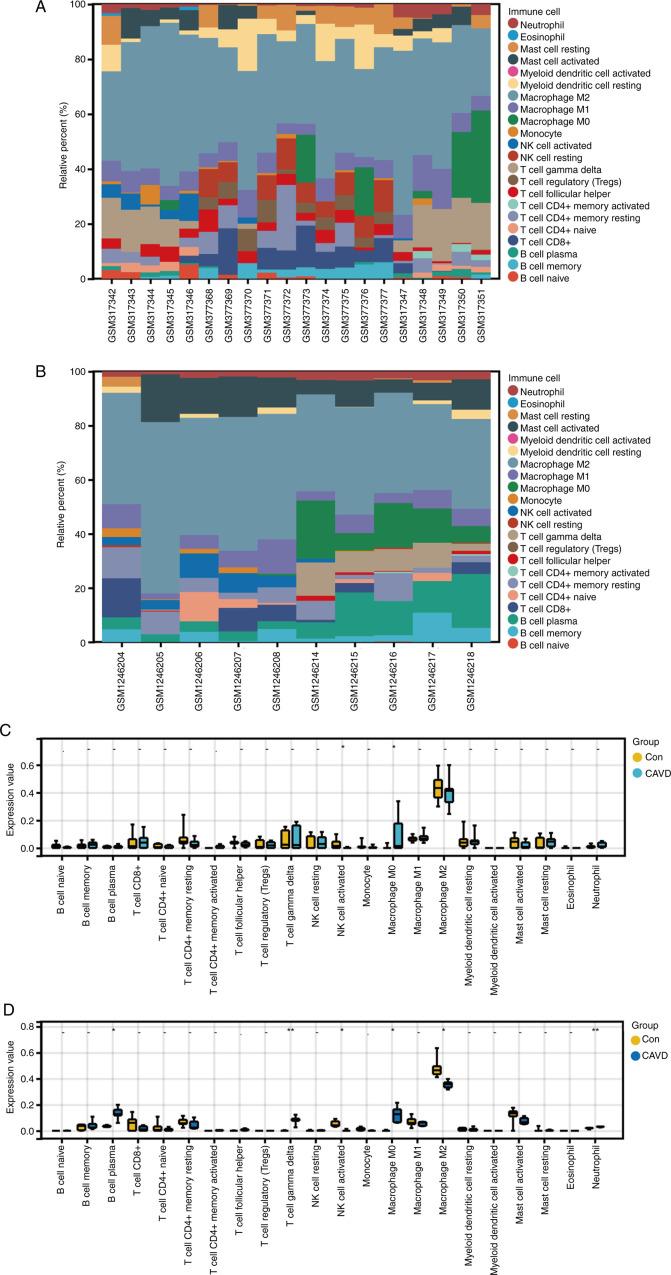
The present study aimed to elucidate the role of autophagy-related genes (ARGs) in calcific aortic valve disease (CAVD) and their potential interactions with immune infiltration via experimental verification and bioinformatics analysis. A total of three microarray datasets (GSE12644, GSE51472 and GSE77287) were obtained from the Gene Expression Omnibus database, and gene set enrichment analysis was performed to identify the relationship between autophagy and CAVD. After differentially expressed genes and differentially expressed ARGs (DEARGs) were identified using CAVD samples and normal aortic valve samples, a functional analysis was performed, including Gene Ontology (GO) and Kyoto Encyclopedia of Genes and Genomes pathway enrichment analyses, protein-protein interaction network construction, hub gene identification and validation, immune infiltration and drug prediction. The results of the present study indicated a significant relationship between autophagy and CAVD. A total of 46 DEARGs were identified. GO and pathway enrichment analyses revealed the complex roles of DEARGs in regulating CAVD, including multiple gene functions and pathways. A total of 10 hub genes were identified, with three (SPP1, CXCL12 and CXCR4) consistently upregulated in CAVD samples compared with normal aortic valve samples in multiple datasets and experimental validation. Immune infiltration analyses demonstrated significant differences in immune cell proportions between CAVD samples and normal aortic valve samples, thus showing the crucial role of immune infiltration in CAVD development. Furthermore, therapeutic drugs were predicted that could target the identified hub genes, including bisphenol A, resveratrol, progesterone and estradiol. In summary, the present study illuminated the crucial role of autophagy in CAVD development and identified key ARGs as potential therapeutic targets. In addition, the observed immune cell infiltration and predicted autophagy-related drugs suggest promising avenues for future research and novel CAVD treatments.
本研究旨在通过实验验证和生物信息学分析,阐明自噬相关基因(ARGs)在钙化性主动脉瓣疾病(CAVD)中的作用及其与免疫浸润的潜在相互作用。从基因表达综合数据库中获取了总共三个微阵列数据集(GSE12644、GSE51472和GSE77287),并进行基因集富集分析以确定自噬与CAVD之间的关系。使用CAVD样本和正常主动脉瓣样本鉴定出差异表达基因和差异表达的ARGs(DEARGs)后,进行了功能分析,包括基因本体(GO)和京都基因与基因组百科全书通路富集分析、蛋白质-蛋白质相互作用网络构建、枢纽基因鉴定与验证、免疫浸润和药物预测。本研究结果表明自噬与CAVD之间存在显著关系。共鉴定出46个DEARGs。GO和通路富集分析揭示了DEARGs在调节CAVD中的复杂作用,包括多种基因功能和通路。共鉴定出10个枢纽基因,其中三个(SPP1、CXCL12和CXCR4)在多个数据集中与正常主动脉瓣样本相比,在CAVD样本中持续上调,并经实验验证。免疫浸润分析表明CAVD样本和正常主动脉瓣样本之间免疫细胞比例存在显著差异,从而显示免疫浸润在CAVD发展中的关键作用。此外,预测了可靶向已鉴定枢纽基因的治疗药物,包括双酚A、白藜芦醇、孕酮和雌二醇。总之,本研究阐明了自噬在CAVD发展中的关键作用,并鉴定出关键的ARGs作为潜在治疗靶点。此外,观察到的免疫细胞浸润和预测的自噬相关药物为未来研究和新型CAVD治疗提供了有希望的途径。

 Zotero 插件