Complex Microbial Systems Group, National Institute of Standards and Technology (NIST), Gaithersburg, MD, USA.
Novo Nordisk, Copenhagen, Denmark.
Sci Rep. 2024 Apr 29;14(1):9785. doi: 10.1038/s41598-024-57981-4.
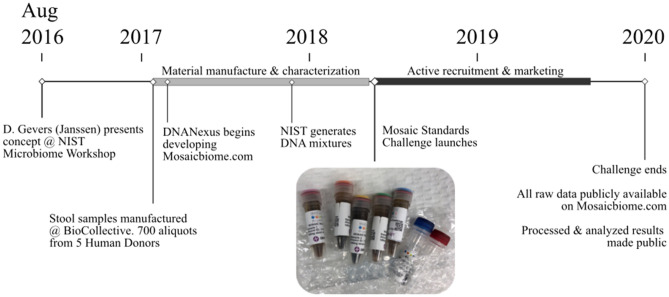
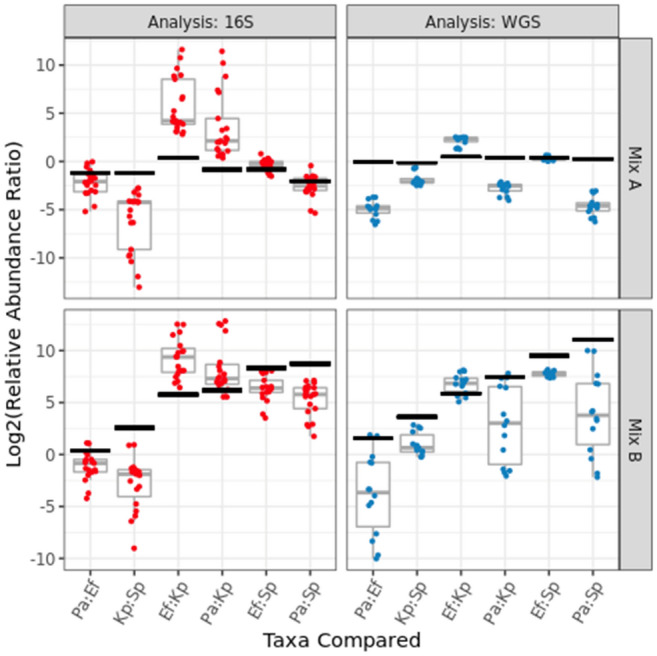
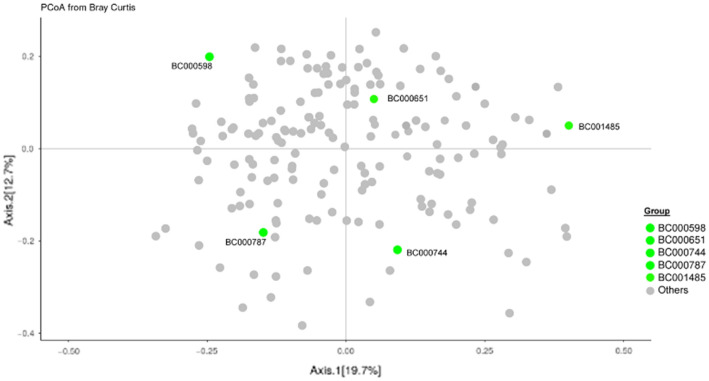
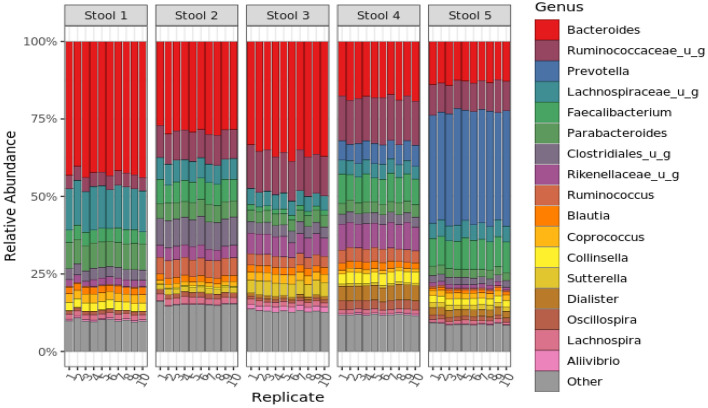
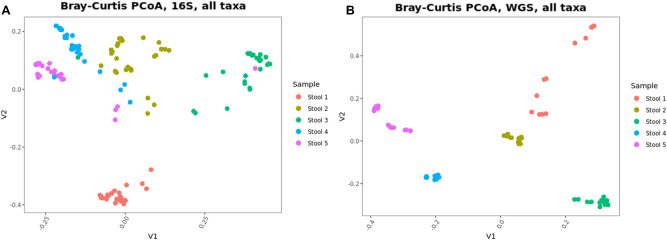
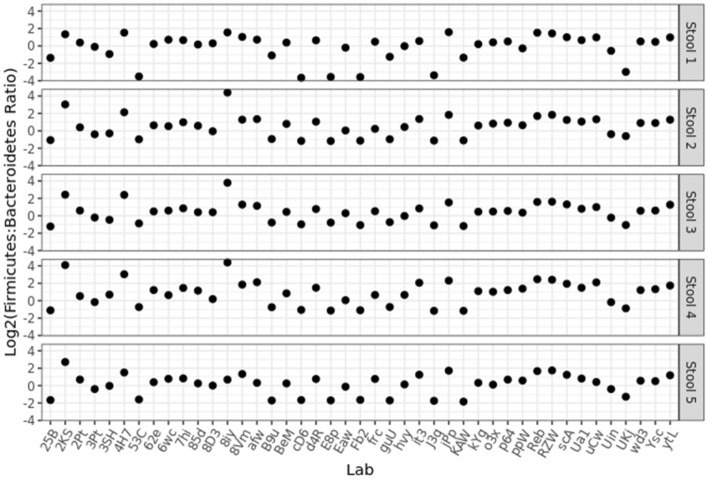
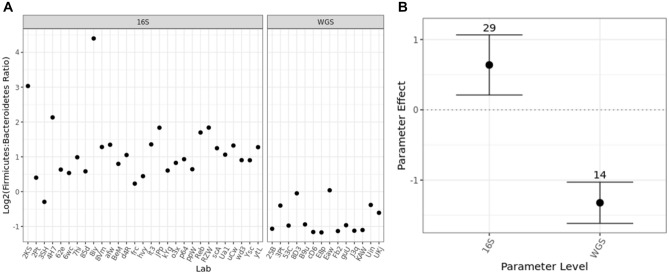
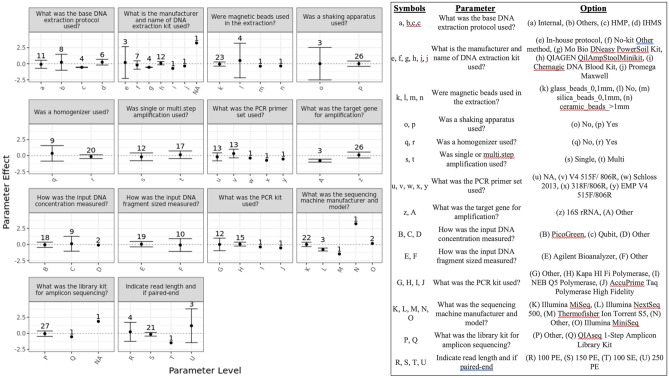
Several studies have documented the significant impact of methodological choices in microbiome analyses. The myriad of methodological options available complicate the replication of results and generally limit the comparability of findings between independent studies that use differing techniques and measurement pipelines. Here we describe the Mosaic Standards Challenge (MSC), an international interlaboratory study designed to assess the impact of methodological variables on the results. The MSC did not prescribe methods but rather asked participating labs to analyze 7 shared reference samples (5 × human stool samples and 2 × mock communities) using their standard laboratory methods. To capture the array of methodological variables, each participating lab completed a metadata reporting sheet that included 100 different questions regarding the details of their protocol. The goal of this study was to survey the methodological landscape for microbiome metagenomic sequencing (MGS) analyses and the impact of methodological decisions on metagenomic sequencing results. A total of 44 labs participated in the MSC by submitting results (16S or WGS) along with accompanying metadata; thirty 16S rRNA gene amplicon datasets and 14 WGS datasets were collected. The inclusion of two types of reference materials (human stool and mock communities) enabled analysis of both MGS measurement variability between different protocols using the biologically-relevant stool samples, and MGS bias with respect to ground truth values using the DNA mixtures. Owing to the compositional nature of MGS measurements, analyses were conducted on the ratio of Firmicutes: Bacteroidetes allowing us to directly apply common statistical methods. The resulting analysis demonstrated that protocol choices have significant effects, including both bias of the MGS measurement associated with a particular methodological choices, as well as effects on measurement robustness as observed through the spread of results between labs making similar methodological choices. In the analysis of the DNA mock communities, MGS measurement bias was observed even when there was general consensus among the participating laboratories. This study was the result of a collaborative effort that included academic, commercial, and government labs. In addition to highlighting the impact of different methodological decisions on MGS result comparability, this work also provides insights for consideration in future microbiome measurement study design.
已有多项研究证明了在微生物组分析中方法选择的重要性。可用的方法种类繁多,这使得结果的复制变得复杂,并且通常限制了使用不同技术和测量管道的独立研究之间结果的可比性。在这里,我们描述了马赛克标准挑战赛(MSC),这是一项国际实验室间研究,旨在评估方法变量对结果的影响。MSC 并没有规定方法,而是要求参与实验室使用其标准实验室方法分析 7 个共享参考样本(5×人类粪便样本和 2×模拟群落)。为了捕捉方法变量的多样性,每个参与实验室完成了一份元数据报告表,其中包含 100 个关于其方案细节的不同问题。本研究的目的是调查微生物组宏基因组测序(MGS)分析的方法学现状以及方法决策对宏基因组测序结果的影响。共有 44 个实验室通过提交结果(16S 或 WGS)和相关元数据参与了 MSC;共收集了 30 个 16S rRNA 基因扩增数据集和 14 个 WGS 数据集。包含两种类型的参考材料(人类粪便和模拟群落),使得可以使用生物学上相关的粪便样本分析不同方案之间的 MGS 测量变异性,以及使用 DNA 混合物分析 MGS 相对于真实值的偏差。由于 MGS 测量的组成性质,我们对厚壁菌门:拟杆菌门的比例进行了分析,使我们能够直接应用常见的统计方法。分析结果表明,方案选择有显著影响,包括与特定方法选择相关的 MGS 测量偏差,以及在具有类似方法选择的实验室之间结果传播中观察到的测量稳健性的影响。在对 DNA 模拟群落的分析中,即使参与实验室之间存在普遍共识,也观察到了 MGS 测量偏差。这项研究是学术、商业和政府实验室合作努力的结果。除了强调不同方法决策对 MGS 结果可比性的影响外,这项工作还为未来微生物组测量研究设计提供了参考。