Merces Leandro, Ferro Letícia Mariê Minatogau, Nawaz Ali, Sonar Prashant
Research Center for Materials, Architectures, and Integration of Nanomembranes (MAIN), Chemnitz University of Technology, 09126, Chemnitz, Germany.
Center for Sensors and Devices, Bruno Kessler Foundation (FBK), Trento, 38123, Italy.
Adv Sci (Weinh). 2024 Jul;11(27):e2305611. doi: 10.1002/advs.202305611. Epub 2024 May 17.
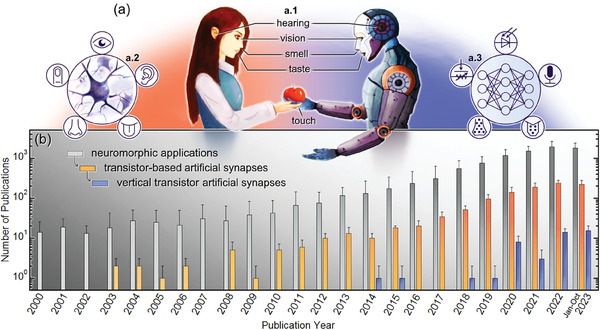
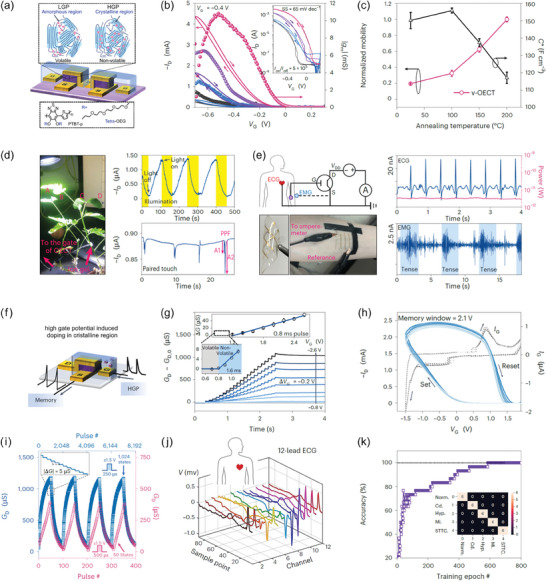
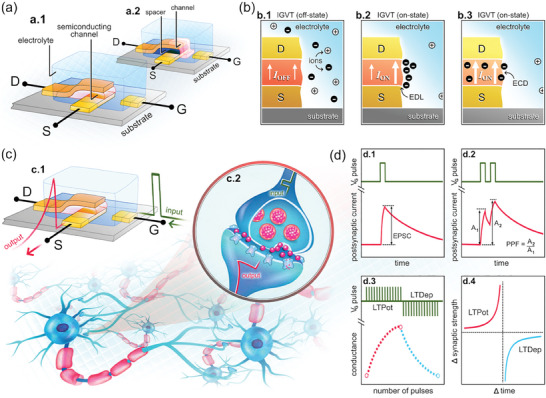
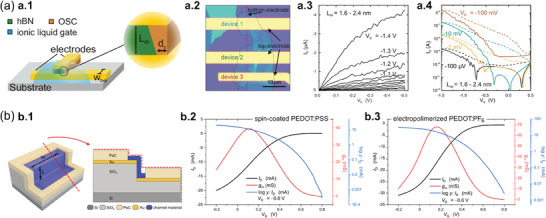
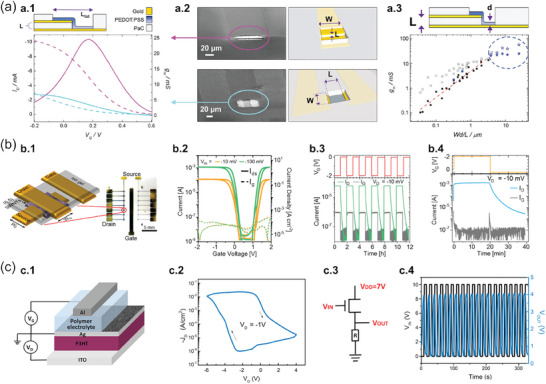
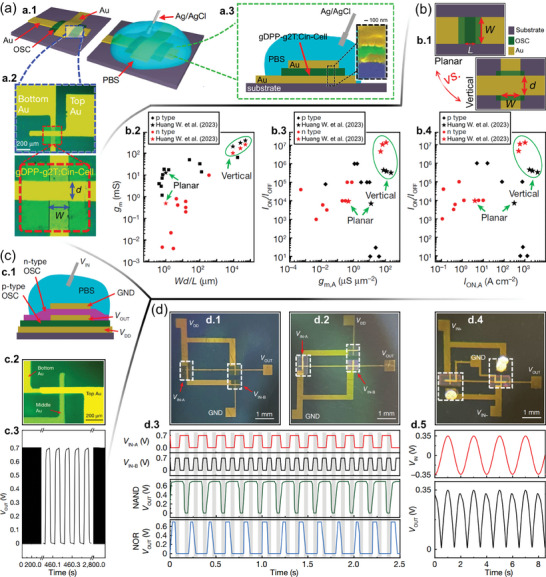
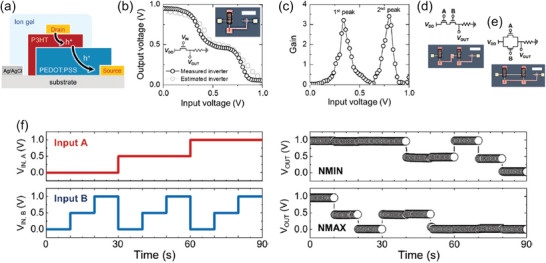
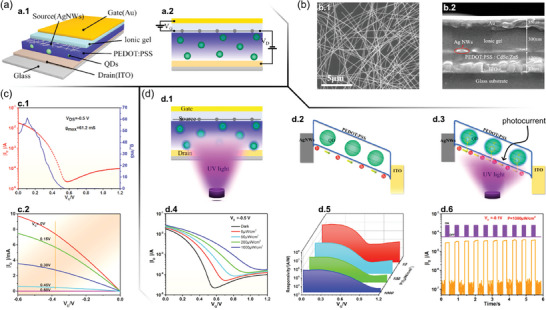
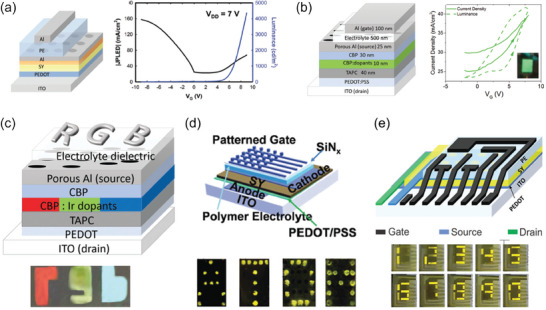
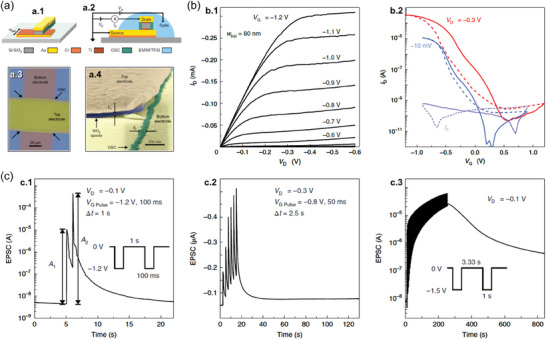
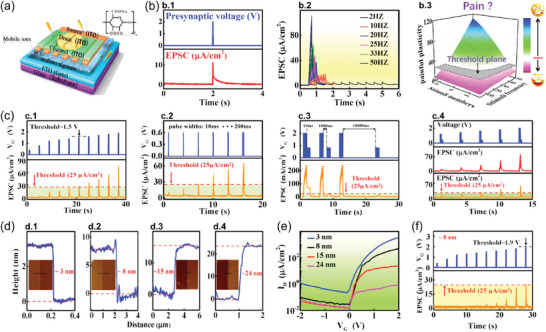
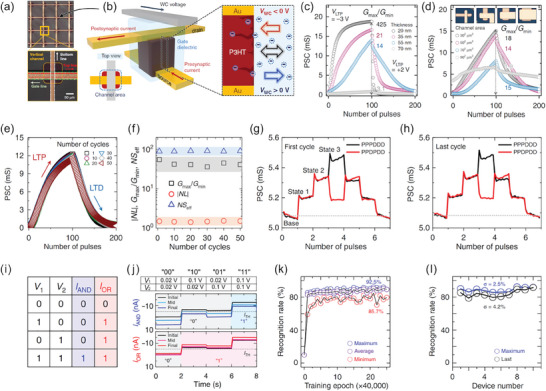
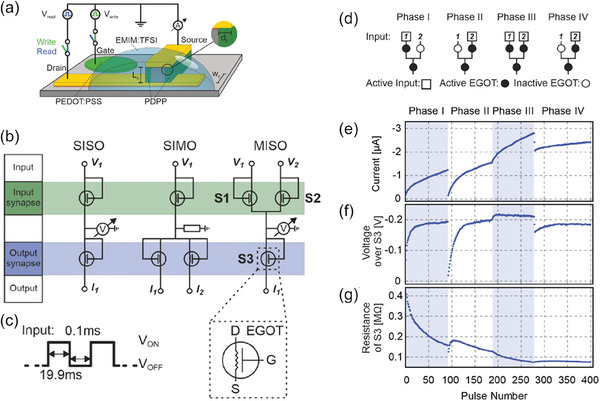
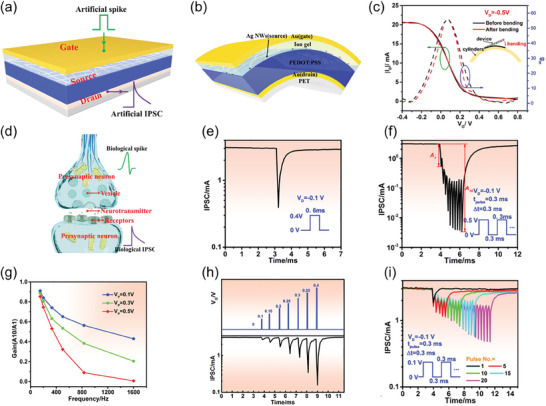
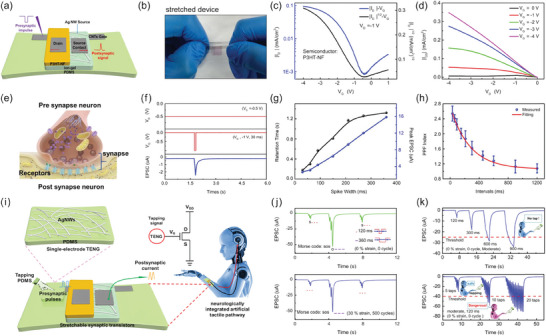
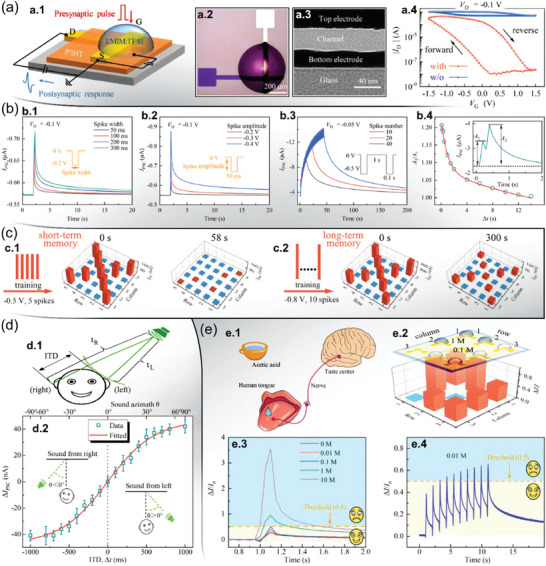
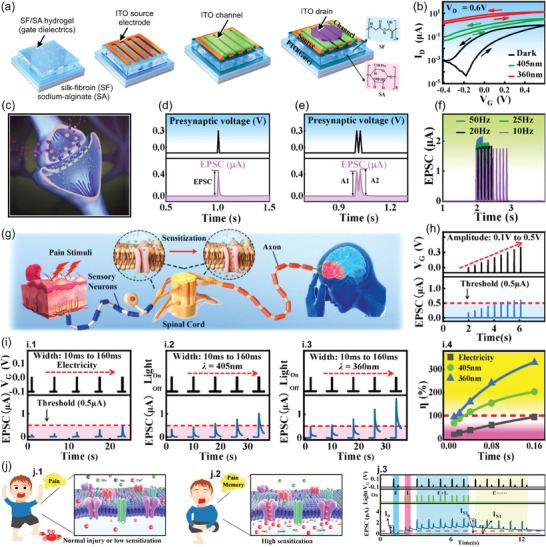
Bioinspired synaptic devices have shown great potential in artificial intelligence and neuromorphic electronics. Low energy consumption, multi-modal sensing and recording, and multifunctional integration are critical aspects limiting their applications. Recently, a new synaptic device architecture, the ion-gating vertical transistor (IGVT), has been successfully realized and timely applied to perform brain-like perception, such as artificial vision, touch, taste, and hearing. In this short time, IGVTs have already achieved faster data processing speeds and more promising memory capabilities than many conventional neuromorphic devices, even while operating at lower voltages and consuming less power. This work focuses on the cutting-edge progress of IGVT technology, from outstanding fabrication strategies to the design and realization of low-voltage multi-sensing IGVTs for artificial-synapse applications. The fundamental concepts of artificial synaptic IGVTs, such as signal processing, transduction, plasticity, and multi-stimulus perception are discussed comprehensively. The contribution draws special attention to the development and optimization of multi-modal flexible sensor technologies and presents a roadmap for future high-end theoretical and experimental advancements in neuromorphic research that are mostly achievable by the synaptic IGVTs.
受生物启发的突触器件在人工智能和神经形态电子学中已展现出巨大潜力。低能耗、多模态传感与记录以及多功能集成是限制其应用的关键方面。最近,一种新的突触器件架构——离子门控垂直晶体管(IGVT)已成功实现,并及时应用于执行类似大脑的感知,如人工视觉、触觉、味觉和听觉。在如此短的时间内,IGVT已实现了比许多传统神经形态器件更快的数据处理速度和更有前景的存储能力,即便在更低电压下运行且功耗更低。这项工作聚焦于IGVT技术的前沿进展,从出色的制造策略到用于人工突触应用的低电压多传感IGVT的设计与实现。全面讨论了人工突触IGVT的基本概念,如信号处理、转导、可塑性和多刺激感知。该贡献特别关注多模态柔性传感器技术的发展与优化,并为神经形态研究中未来高端理论和实验进展提出了路线图,这些进展大多可通过突触IGVT实现。