Deng Yao, Xie Shichao, Zhan Wenhao, Peng Hongyu, Cao Haiqing, Tang Zheng, Tian Yinqiu, Zhu Tingting, Jin Min, Zhou Qicun
Laboratory of Fish and Shellfish Nutrition, School of Marine Sciences, Ningbo University, Ningbo 315211, China.
Key Laboratory of Green Mariculture (Co-Construction by Ministry and Province), Ministry of Agriculture and Rural, Ningbo 315211, China.
Antioxidants (Basel). 2024 Apr 26;13(5):522. doi: 10.3390/antiox13050522.
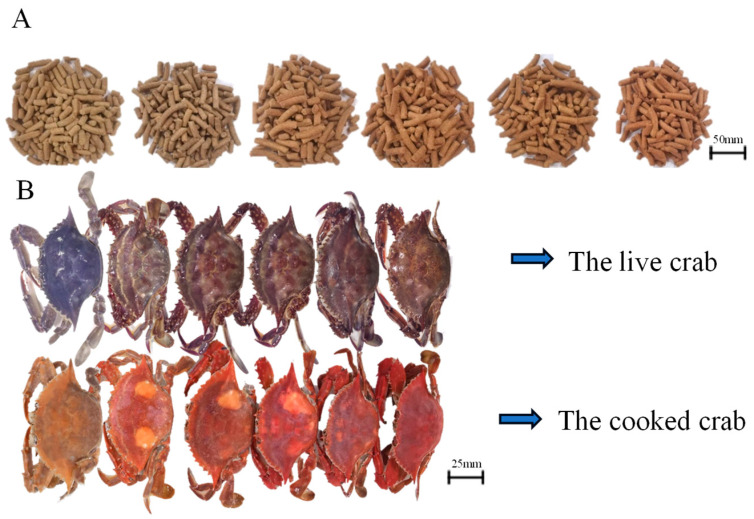
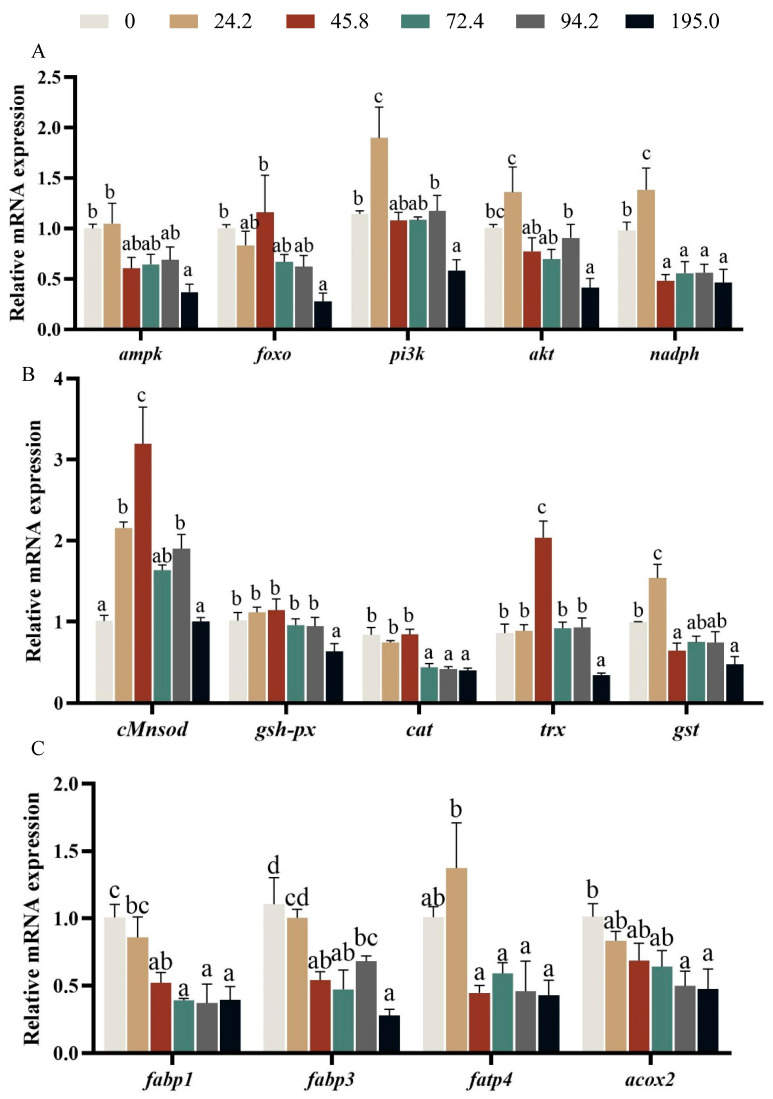
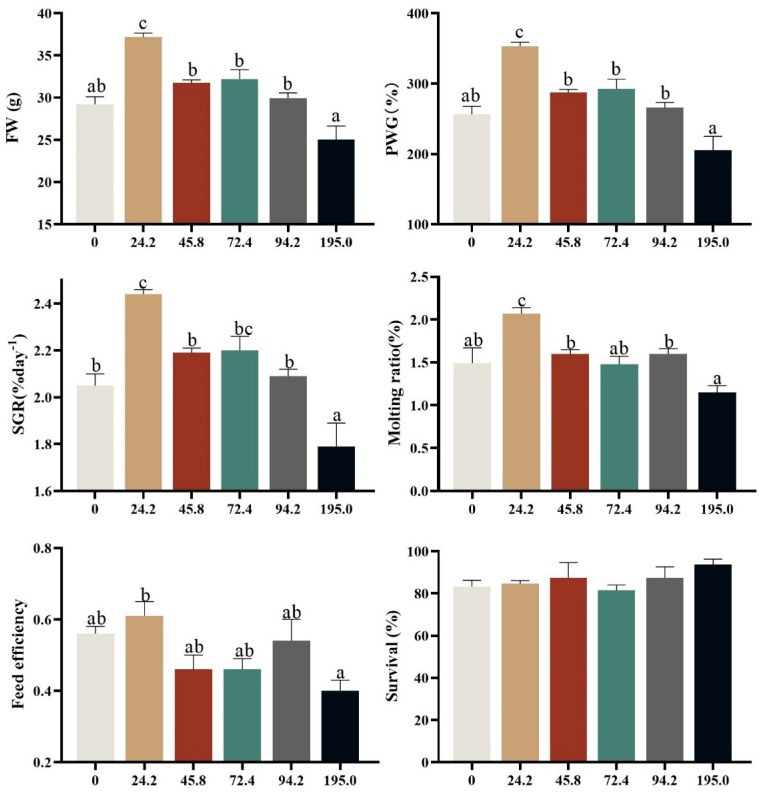
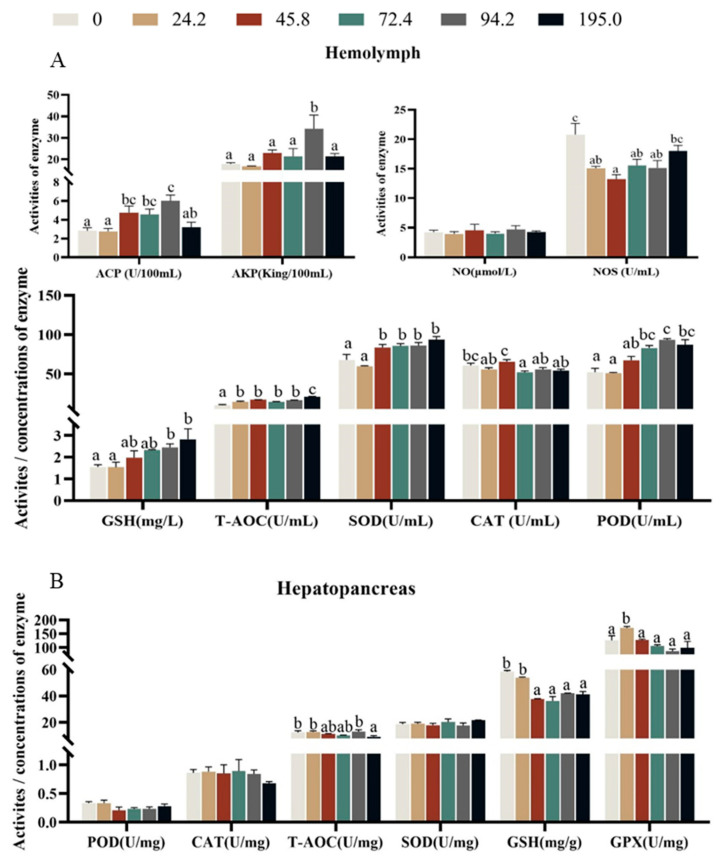
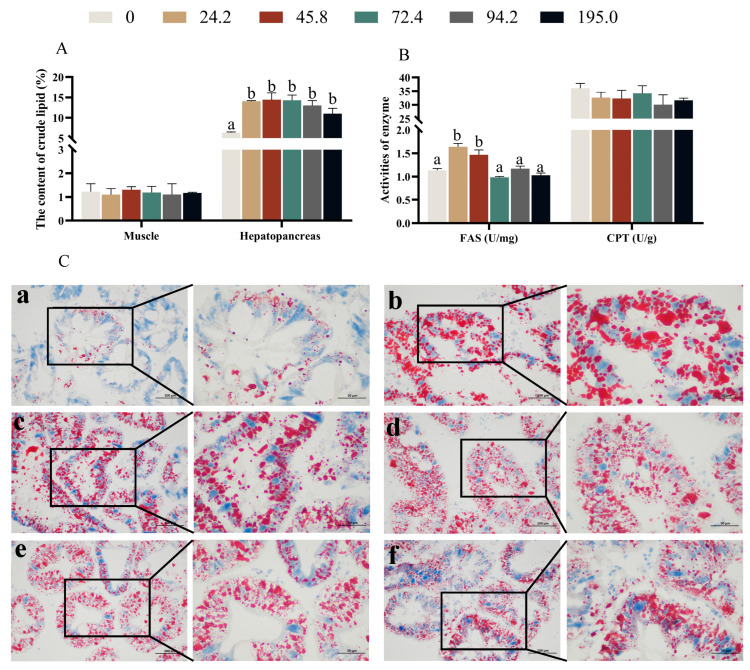
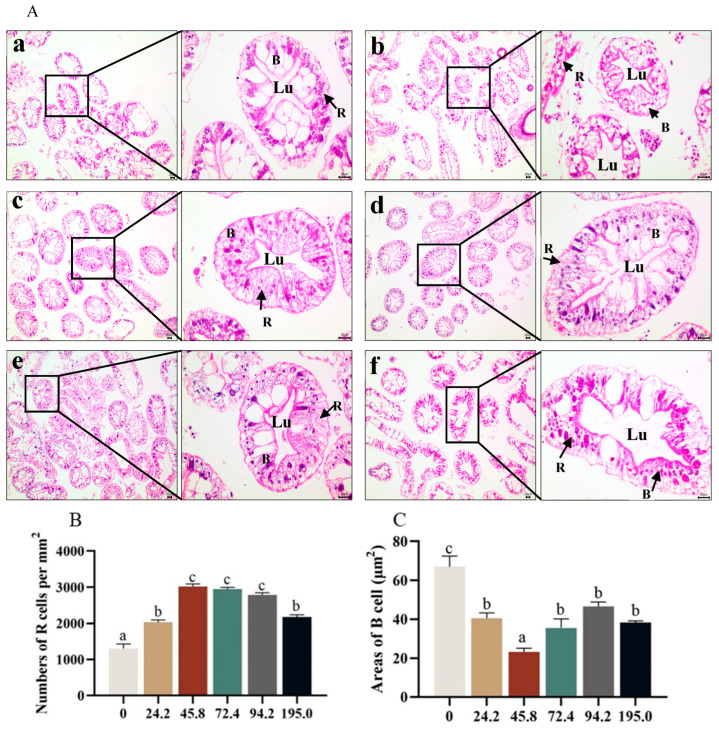
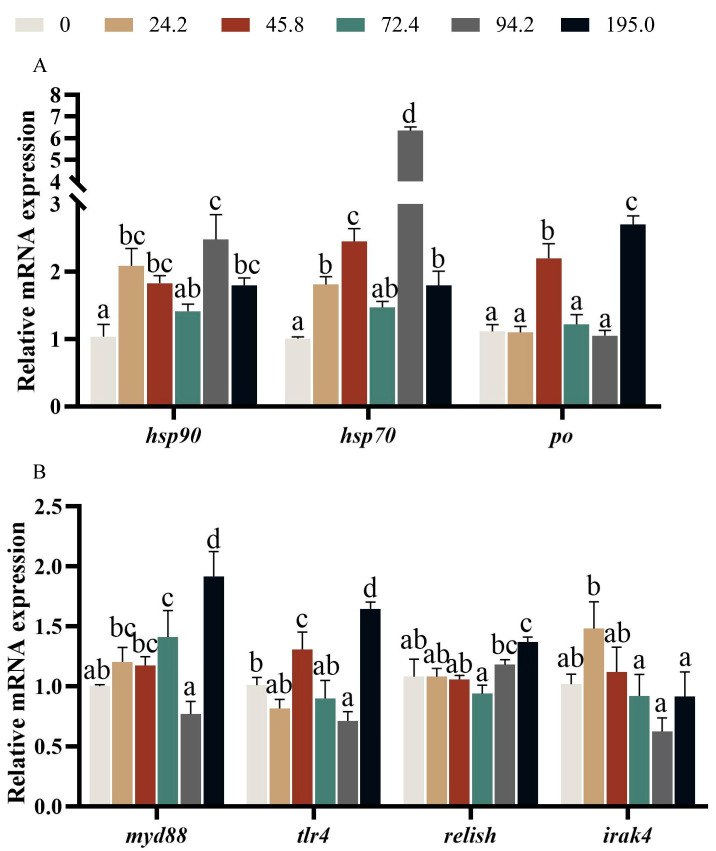
This study aimed to assess the influence of varying dietary levels of astaxanthin (AST) on the growth, antioxidant capacity and lipid metabolism of juvenile swimming crabs. Six diets were formulated to contain different AST levels, and the analyzed concentration of AST in experimental diets were 0, 24.2, 45.8, 72.4, 94.2 and 195.0 mg kg, respectively. Juvenile swimming crabs (initial weight 8.20 ± 0.01 g) were fed these experimental diets for 56 days. The findings indicated that the color of the live crab shells and the cooked crab shells gradually became red with the increase of dietary AST levels. Dietary 24.2 mg kg astaxanthin significantly improved the growth performance of swimming crab. the lowest activities of glutathione (GSH), total antioxidant capacity (T-AOC), superoxide dismutase (SOD) and peroxidase (POD) were found in crabs fed without AST supplementation diet. Crabs fed diet without AST supplementation showed lower lipid content and the activity of fatty acid synthetase (FAS) in hepatopancreas than those fed diets with AST supplementation, however, lipid content in muscle and the activity of carnitine palmitoyl transferase (CPT) in hepatopancreas were not significantly affected by dietary AST levels. And it can be found in oil red O staining that dietary 24.2 and 45.8 mg kg astaxanthin significantly promoted the lipid accumulation of hepatopancreas. Crabs fed diet with 195.0 mg kg AST exhibited lower expression of , , , and in hepatopancreas than those fed the other diets, however, the expression of genes related to antioxidant such as , , , and in hepatopancreas significantly down-regulated with the increase of dietary AST levels. In conclusion, dietary 24.2 and 45.8 mg kg astaxanthin significantly promoted the lipid accumulation of hepatopancreas and im-proved the antioxidant and immune capacity of hemolymph.
本研究旨在评估不同膳食水平虾青素(AST)对幼体梭子蟹生长、抗氧化能力和脂质代谢的影响。配制了六种含有不同AST水平的饲料,实验饲料中分析的AST浓度分别为0、24.2、45.8、72.4、94.2和195.0毫克/千克。将初始体重为8.20±0.01克的幼体梭子蟹投喂这些实验饲料56天。研究结果表明,随着饲料中AST水平的增加,活蟹壳和熟蟹壳的颜色逐渐变红。饲料中添加24.2毫克/千克虾青素显著提高了梭子蟹的生长性能。在不添加AST的饲料喂养的螃蟹中,谷胱甘肽(GSH)、总抗氧化能力(T-AOC)、超氧化物歧化酶(SOD)和过氧化物酶(POD)的活性最低。不添加AST的饲料喂养的螃蟹,其肝胰腺中的脂质含量和脂肪酸合成酶(FAS)的活性低于添加AST的饲料喂养的螃蟹,然而,肌肉中的脂质含量和肝胰腺中肉碱棕榈酰转移酶(CPT)的活性不受饲料AST水平的显著影响。通过油红O染色发现,饲料中添加24.2和45.8毫克/千克虾青素显著促进了肝胰腺的脂质积累。饲料中添加195.0毫克/千克AST的螃蟹,其肝胰腺中 、 、 、 和 的表达低于其他饲料喂养的螃蟹,然而,随着饲料AST水平的增加,肝胰腺中与抗氧化相关的基因如 、 、 、 和 的表达显著下调。总之,饲料中添加24.2和45.8毫克/千克虾青素显著促进了肝胰腺的脂质积累,并提高了血淋巴的抗氧化和免疫能力。