
固体接触式离子选择性电极的最新进展与挑战
Recent Developments and Challenges in Solid-Contact Ion-Selective Electrodes.
作者信息
Gao Lili, Tian Ye, Gao Wenyue, Xu Guobao
机构信息
School of Materials Science and Engineering, Shenyang Jianzhu University, Shenyang 110168, China.
State Key Laboratory of Electroanalytical Chemistry, Changchun Institute of Applied Chemistry, Chinese Academy of Sciences, Changchun 130022, China.
出版信息
Sensors (Basel). 2024 Jul 1;24(13):4289. doi: 10.3390/s24134289.
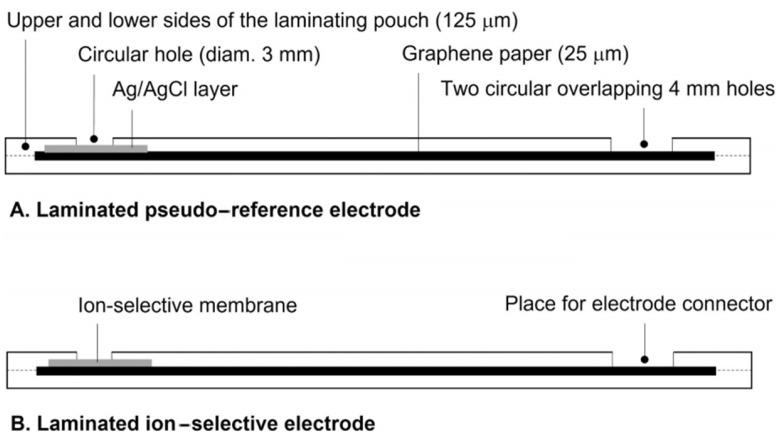
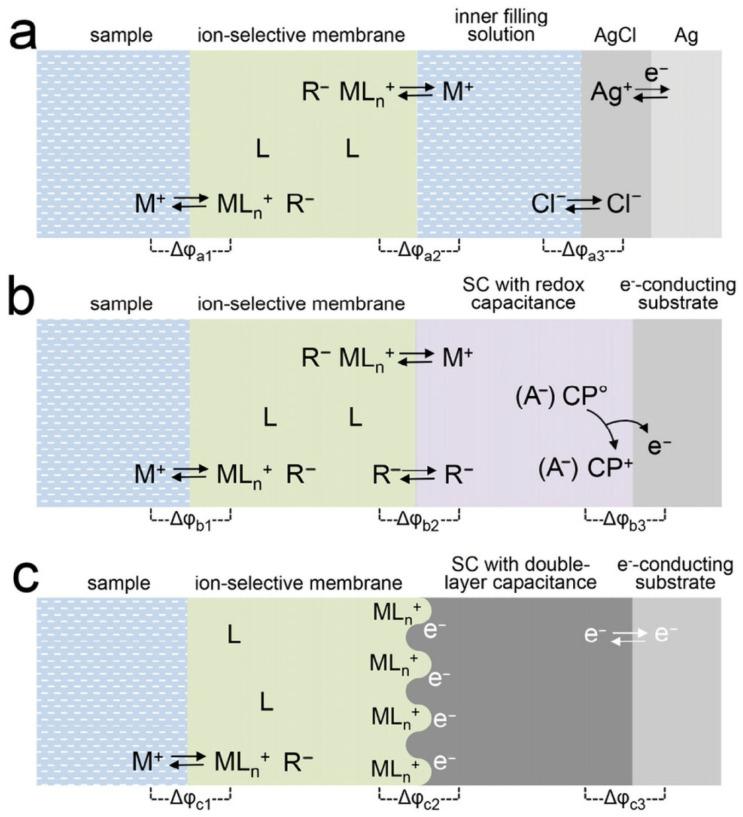
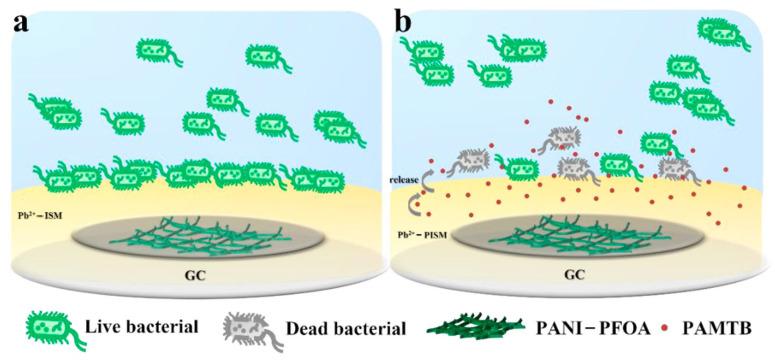
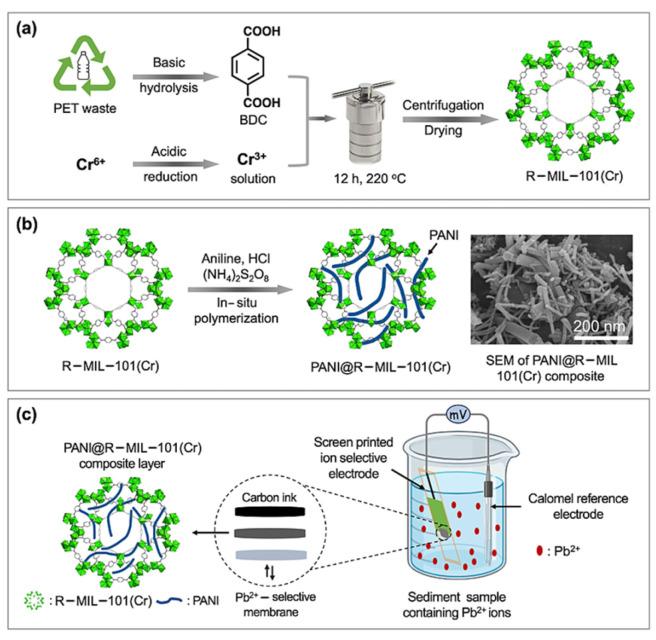
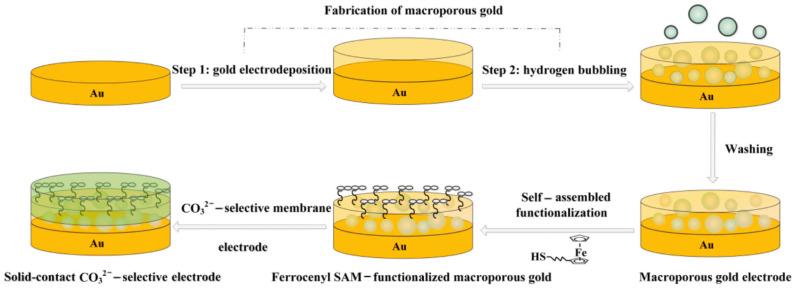
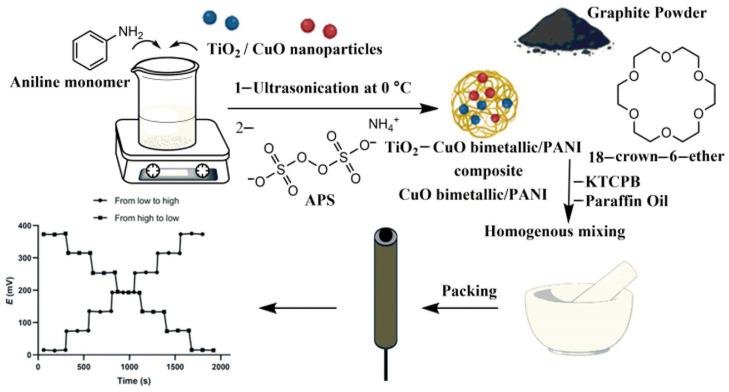
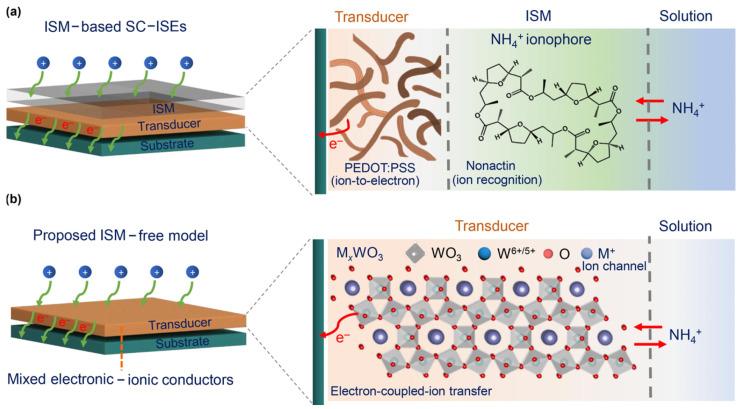
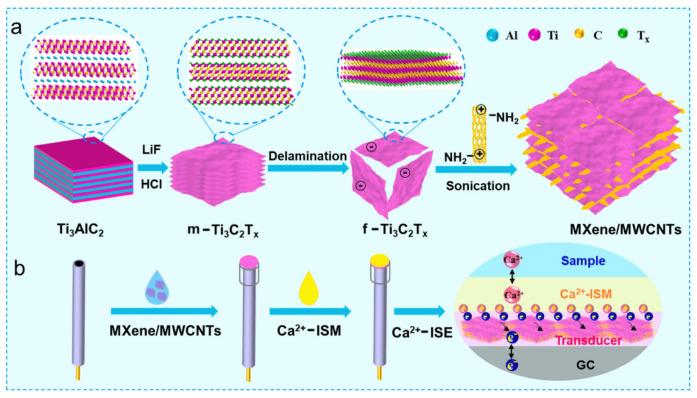
Solid-contact ion-selective electrodes (SC-ISEs) have the advantages of easy miniaturization, even chip integration, easy carrying, strong stability, and more favorable detection in complex environments. They have been widely used in conjunction with portable, wearable, and intelligent detection devices, as well as in on-site analysis and timely monitoring in the fields of environment, industry, and medicine. This article provides a comprehensive review of the composition of sensors based on redox capacitive and double-layer capacitive SC-ISEs, as well as the ion-electron transduction mechanisms in the solid-contact (SC) layer, particularly focusing on strategies proposed in the past three years (since 2021) for optimizing the performance of SC-ISEs. These strategies include the construction of ion-selective membranes, SC layer, and conductive substrates. Finally, the future research direction and possibilities in this field are discussed and prospected.
固态接触离子选择电极(SC-ISEs)具有易于小型化、甚至芯片集成、便于携带、稳定性强以及在复杂环境中更有利于检测等优点。它们已广泛应用于便携式、可穿戴和智能检测设备,以及环境、工业和医学领域的现场分析和实时监测。本文全面综述了基于氧化还原电容和双层电容的SC-ISEs传感器的组成,以及固态接触(SC)层中的离子-电子转导机制,特别关注了过去三年(自2021年以来)提出的优化SC-ISEs性能的策略。这些策略包括离子选择膜、SC层和导电基底的构建。最后,对该领域未来的研究方向和可能性进行了讨论和展望。
 Zotero 插件