Charalambous Charithea, Moubarak Elias, Schilling Johannes, Sanchez Fernandez Eva, Wang Jin-Yu, Herraiz Laura, Mcilwaine Fergus, Peh Shing Bo, Garvin Matthew, Jablonka Kevin Maik, Moosavi Seyed Mohamad, Van Herck Joren, Ozturk Aysu Yurdusen, Pourghaderi Alireza, Song Ah-Young, Mouchaham Georges, Serre Christian, Reimer Jeffrey A, Bardow André, Smit Berend, Garcia Susana
The Research Centre for Carbon Solutions (RCCS), School of Engineering and Physical Sciences, Heriot-Watt University, Edinburgh, UK.
Laboratory of Molecular Simulation (LSMO), Institut des Sciences et Ingénierie Chimiques, École Polytechnique Fédérale de Lausanne (EPFL), Sion, Switzerland.
Nature. 2024 Aug;632(8023):89-94. doi: 10.1038/s41586-024-07683-8. Epub 2024 Jul 17.
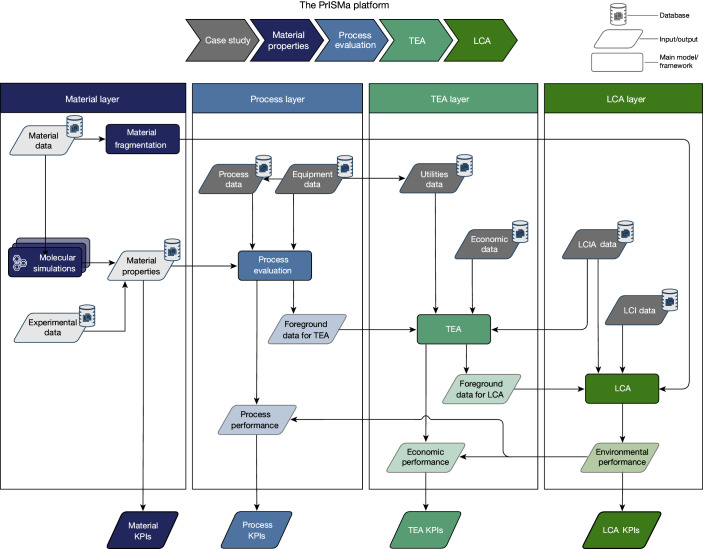
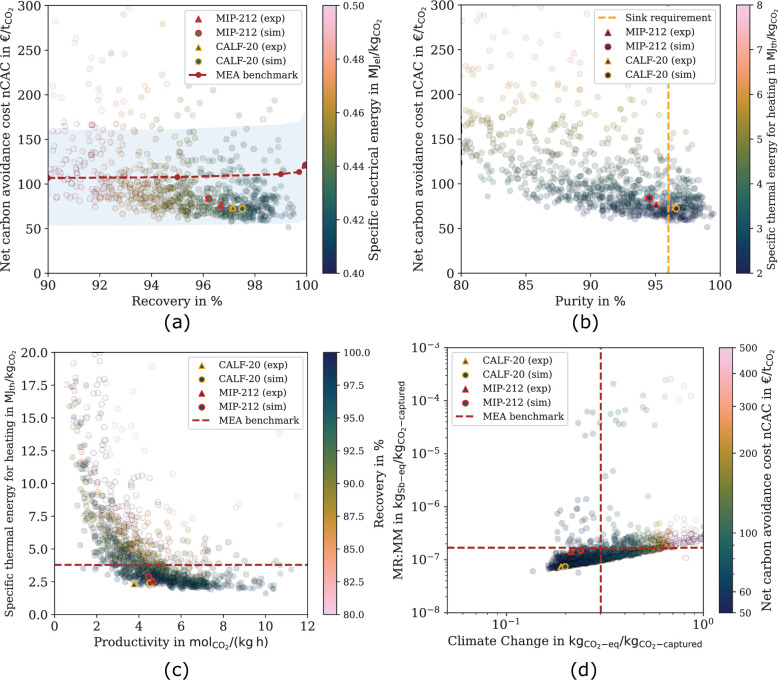
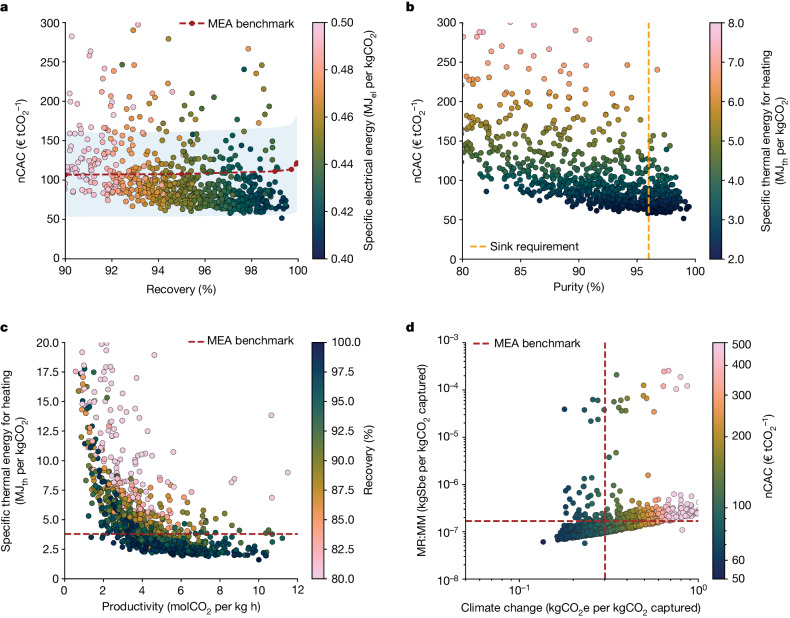
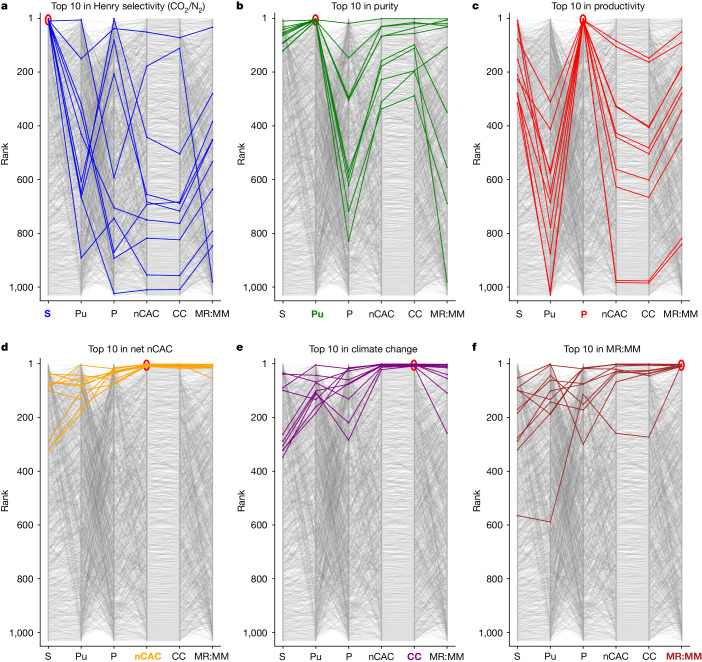
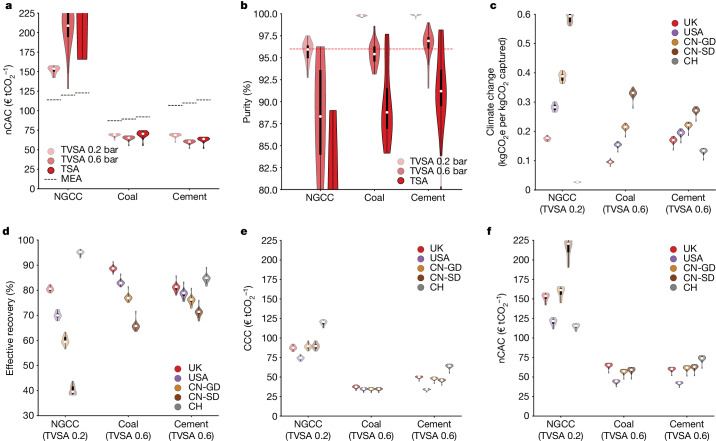
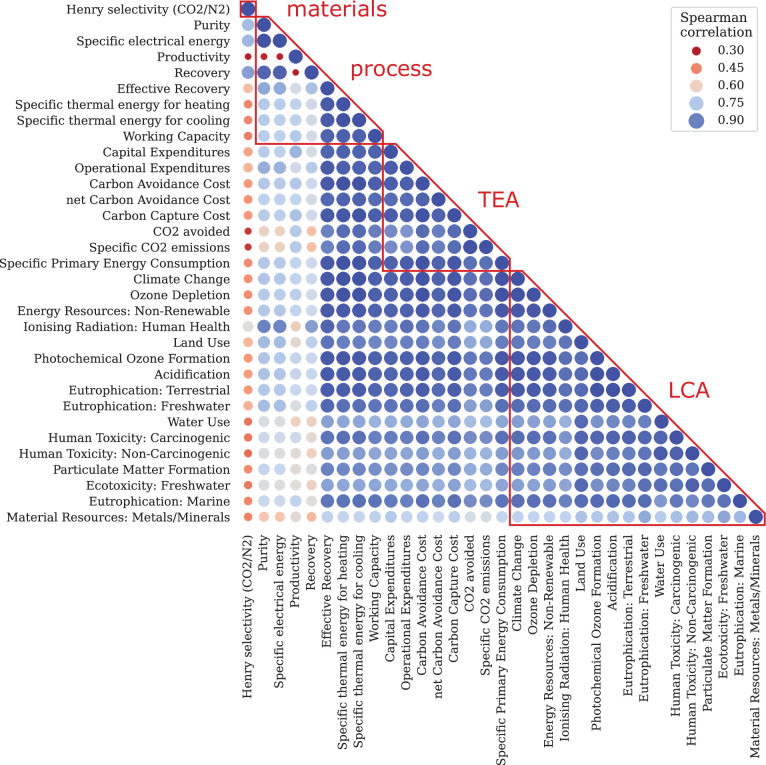
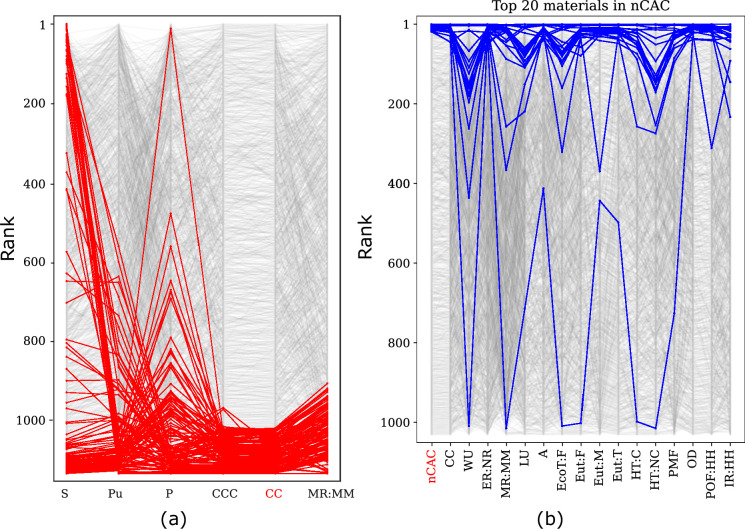
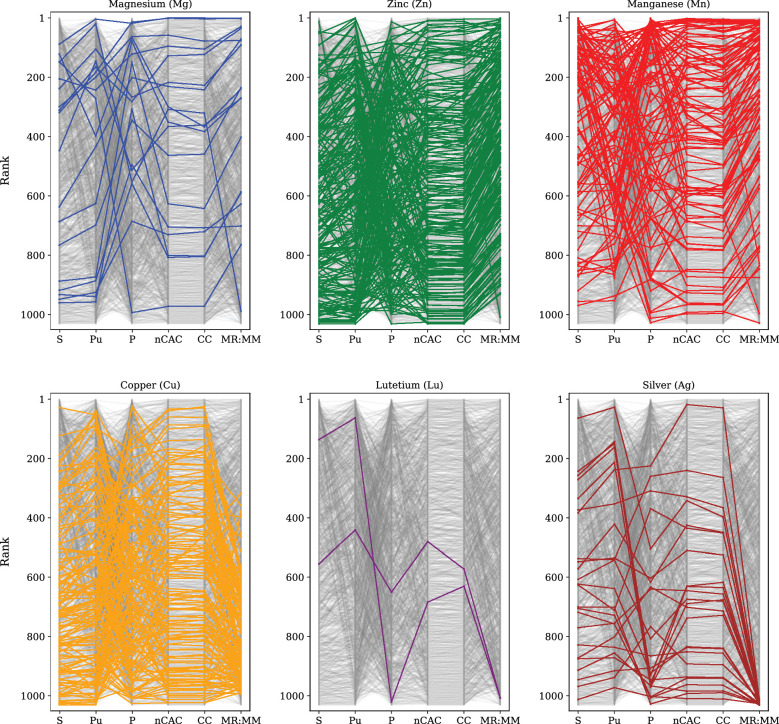
Reducing carbon dioxide (CO) emissions urgently requires the large-scale deployment of carbon-capture technologies. These technologies must separate CO from various sources and deliver it to different sinks. The quest for optimal solutions for specific source-sink pairs is a complex, multi-objective challenge involving multiple stakeholders and depends on social, economic and regional contexts. Currently, research follows a sequential approach: chemists focus on materials design and engineers on optimizing processes, which are then operated at a scale that impacts the economy and the environment. Assessing these impacts, such as the greenhouse gas emissions over the plant's lifetime, is typically one of the final steps. Here we introduce the PrISMa (Process-Informed design of tailor-made Sorbent Materials) platform, which integrates materials, process design, techno-economics and life-cycle assessment. We compare more than 60 case studies capturing CO from various sources in 5 global regions using different technologies. The platform simultaneously informs various stakeholders about the cost-effectiveness of technologies, process configurations and locations, reveals the molecular characteristics of the top-performing sorbents, and provides insights on environmental impacts, co-benefits and trade-offs. By uniting stakeholders at an early research stage, PrISMa accelerates carbon-capture technology development during this critical period as we aim for a net-zero world.
迫切需要大规模部署碳捕获技术以减少二氧化碳(CO₂)排放。这些技术必须从各种来源分离出CO₂,并将其输送到不同的汇。为特定源 - 汇对寻求最优解决方案是一项复杂的多目标挑战,涉及多个利益相关者,且取决于社会、经济和区域背景。目前,研究采用顺序方法:化学家专注于材料设计,工程师专注于优化工艺,然后在影响经济和环境的规模上运行。评估这些影响,例如工厂生命周期内的温室气体排放,通常是最后步骤之一。在此,我们介绍PrISMa(定制吸附剂材料的过程信息设计)平台,该平台整合了材料、工艺设计、技术经济和生命周期评估。我们比较了60多个案例研究,这些研究使用不同技术在全球5个地区从各种来源捕获CO₂。该平台同时向各利益相关者通报技术、工艺配置和地点的成本效益,揭示性能最佳的吸附剂的分子特征,并提供有关环境影响、协同效益和权衡的见解。通过在早期研究阶段将利益相关者联合起来,PrISMa在我们朝着净零世界目标迈进的这一关键时期加速了碳捕获技术的发展。