Gaesser Glenn A
College of Health Solutions, Arizona State University, Phoenix, AZ 85004, USA.
Rev Cardiovasc Med. 2022 Oct 25;23(11):364. doi: 10.31083/j.rcm2311364. eCollection 2022 Nov.
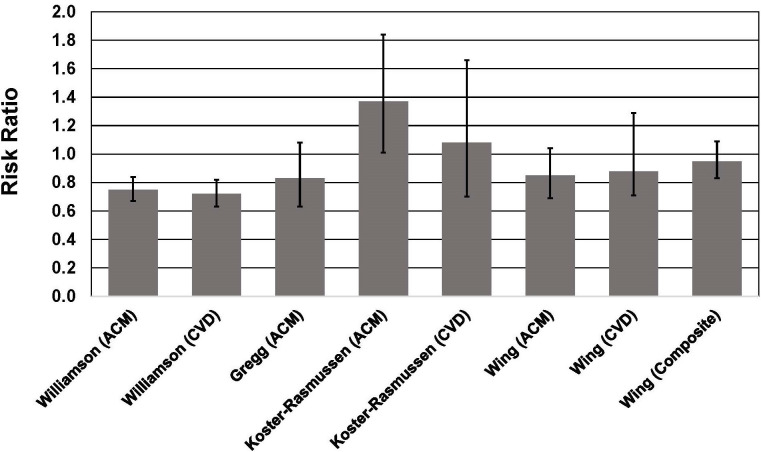
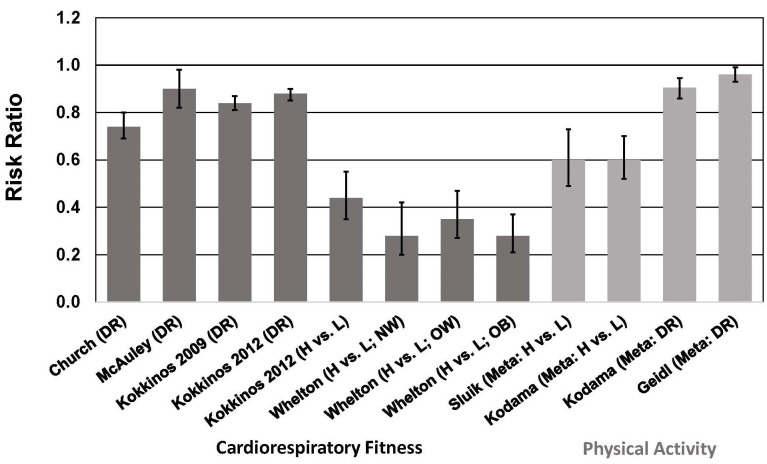
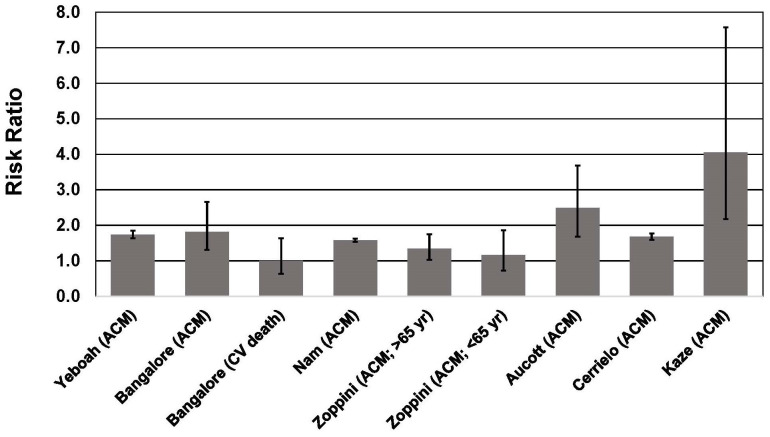
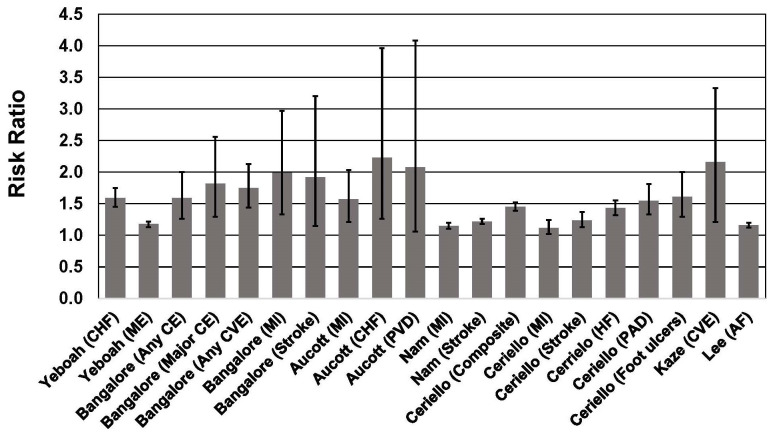
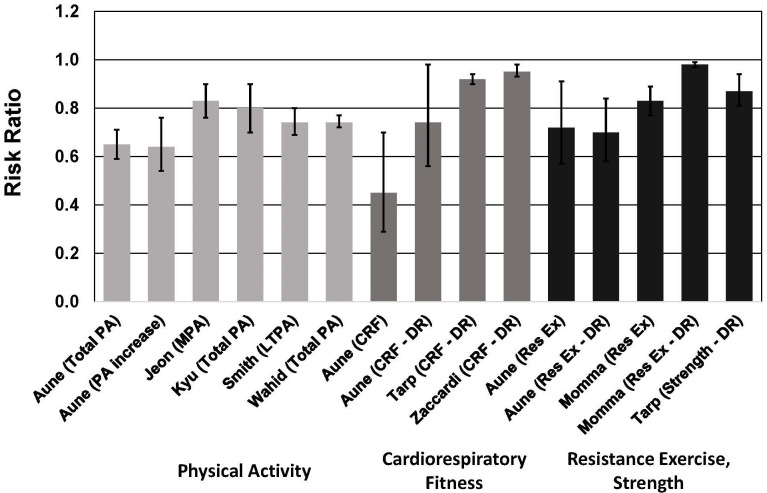
Cardiometabolic diseases, including cardiovascular disease (CVD) and type 2 diabetes (T2D), are the leading cause of death globally. Because T2D and obesity are strongly associated, weight loss is the cornerstone of treatment. However, weight loss is rarely sustained, which may lead to weight cycling, which is associated with increased mortality risk in patients with T2D. Meta-analyses show that weight loss is not generally associated with reduced mortality risk in T2D, whereas weight cycling is associated with increased all-cause and CVD mortality. This may be attributable in part to increased variability in CVD risk factors that often accompany weight cycling, which studies show is consistently associated with adverse CVD outcomes in patients with T2D. The inconsistent associations between weight loss and mortality risk in T2D, and consistent findings of elevated mortality risk associated with weight cycling, present a conundrum for a weight-loss focused T2D prevention and treatment strategy. This is further complicated by the findings that among patients with T2D, mortality risk is lowest in the body mass index (BMI) range of ~25-35 kg/ . Because this "obesity paradox" has been consistently demonstrated in 7 meta-analyses, the lower mortality risk for individuals with T2D in this BMI range may not be all that paradoxical. Physical activity (PA), cardiorespiratory fitness (CRF), and muscular fitness (MF) are all associated with reduced risk of T2D, and lower risk of CVD and all-cause mortality in individuals with T2D. Reducing sedentary behavior, independent of PA status, also is strongly associated with reduced risk of T2D. Improvements in cardiometabolic risk factors with exercise training are comparable to those observed in weight loss interventions, and are largely independent of weight loss. To minimize risks associated with weight cycling, it may be prudent to adopt a weight-neutral approach for prevention and treatment of individuals with obesity and T2D by focusing on increasing PA and improving CRF and MF without a specific weight loss goal.
心血管代谢疾病,包括心血管疾病(CVD)和2型糖尿病(T2D),是全球主要的死亡原因。由于T2D与肥胖密切相关,减肥是治疗的基石。然而,体重减轻很少能持续下去,这可能导致体重波动,而体重波动与T2D患者的死亡风险增加有关。荟萃分析表明,减肥一般与T2D患者的死亡风险降低无关,而体重波动与全因死亡率和CVD死亡率增加有关。这可能部分归因于体重波动常伴随的CVD危险因素变异性增加,研究表明这与T2D患者的不良CVD结局始终相关。T2D患者体重减轻与死亡风险之间的关联不一致,以及体重波动与死亡风险升高的一致发现,给以减肥为重点的T2D预防和治疗策略带来了难题。在T2D患者中,体重指数(BMI)在约25 - 35 kg/ 范围内的患者死亡风险最低,这一发现使情况更加复杂。由于这一“肥胖悖论”在7项荟萃分析中都得到了一致证实,因此T2D患者在该BMI范围内较低的死亡风险可能并非那么矛盾。身体活动(PA)、心肺适能(CRF)和肌肉适能(MF)都与T2D风险降低相关,并且与T2D患者的CVD风险和全因死亡率降低相关。减少久坐行为,与PA状态无关,也与T2D风险降低密切相关。运动训练对心血管代谢危险因素的改善与减肥干预中观察到的改善相当,并且在很大程度上与体重减轻无关。为了将与体重波动相关的风险降至最低,对于肥胖和T2D患者的预防和治疗,采取不设定特定减肥目标,专注于增加PA以及改善CRF和MF的体重中性方法可能是谨慎的做法。