Leivaditis Vasileios, Mulita Francesk, Dahm Manfred, Grapatsas Konstantinos, Papatriantafyllou Athanasios, Bekou Eleni, Verras Georgios-Ioannis, Tasios Konstantinos, Tchabashvili Levan, Markakis Konstantinos, Lozos Vasileios, Koletsis Efstratios
Department of Cardiothoracic and Vascular Surgery, Westpfalz Klinikum, Kaiserslautern, Germany.
Department of General Surgery, Patras University Hospital, Patras, Greece.
Arch Med Sci Atheroscler Dis. 2024 May 29;9:e109-e121. doi: 10.5114/amsad/188270. eCollection 2024.
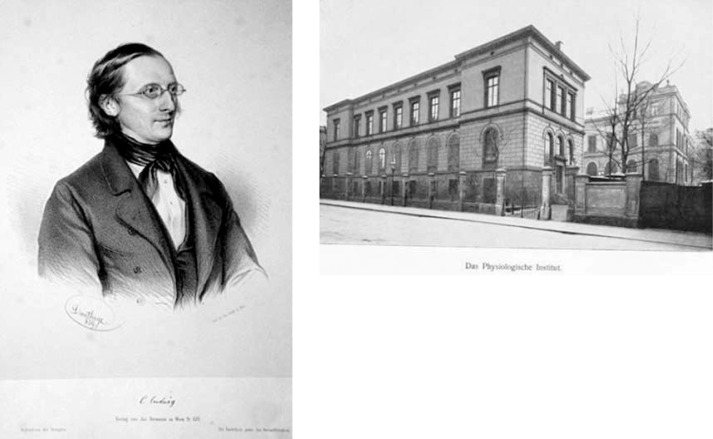
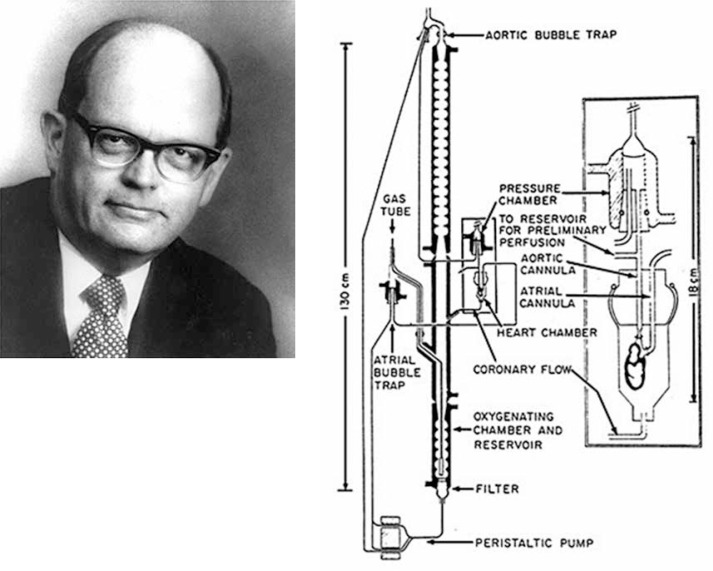
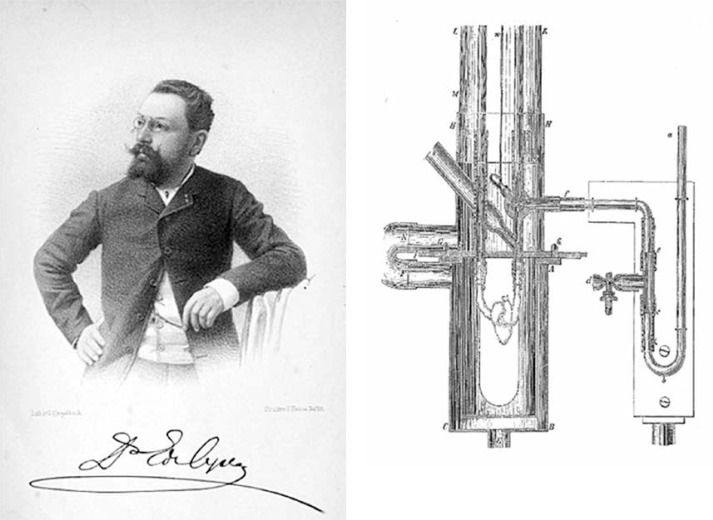
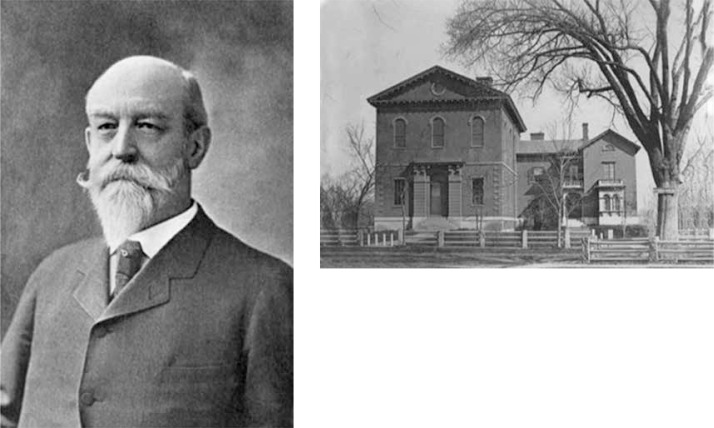
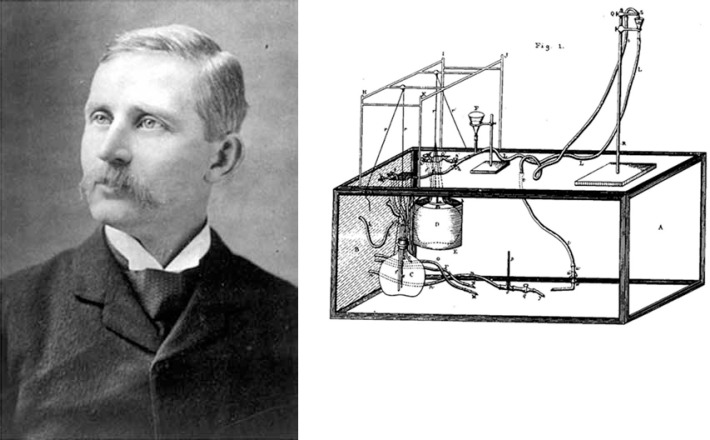
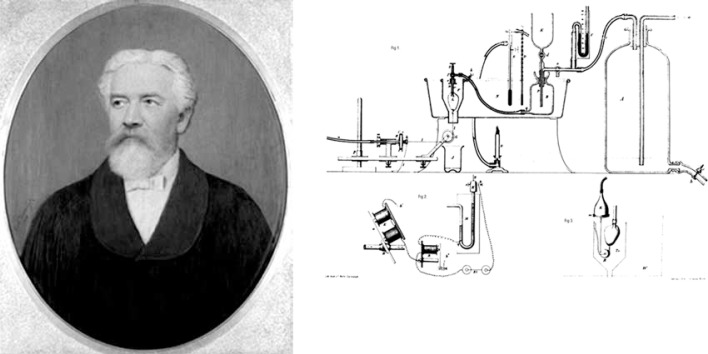
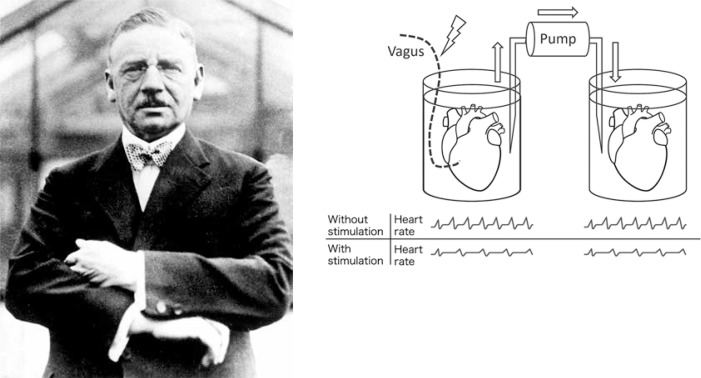
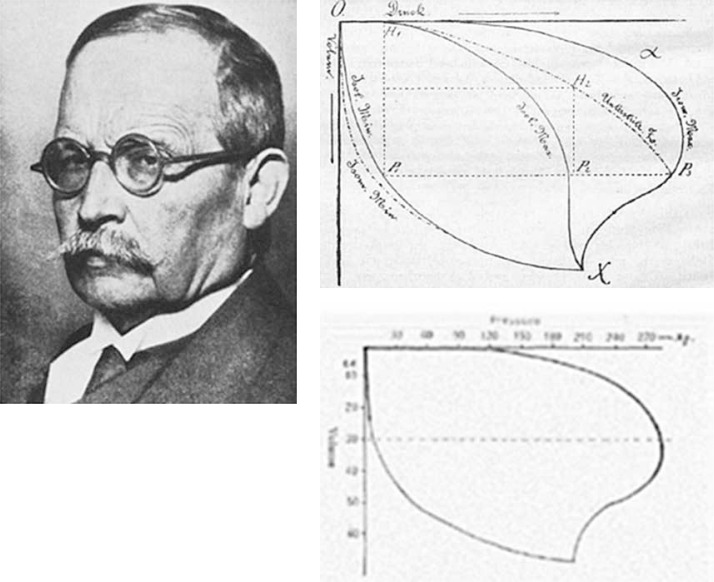
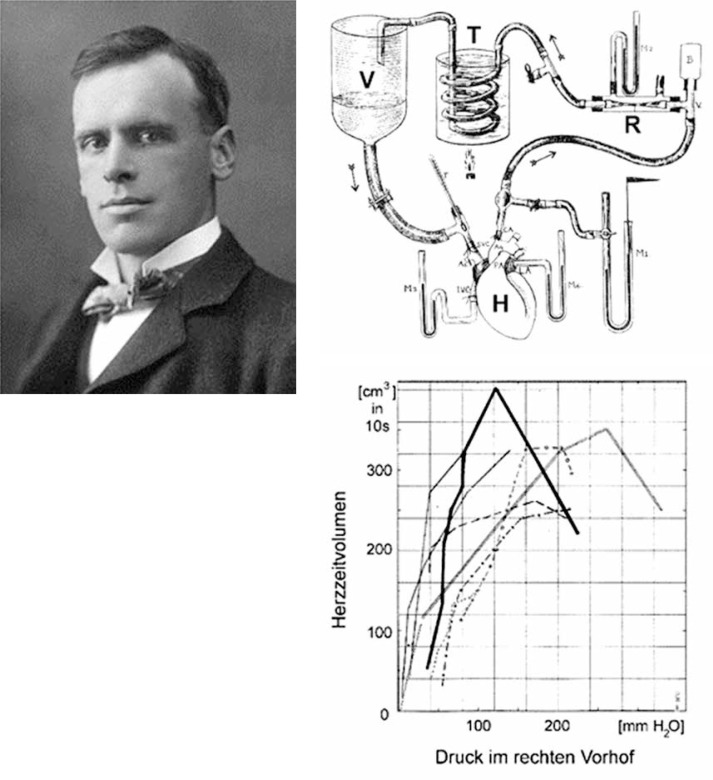
The isolated heart perfusion model, a fundamental tool in cardiovascular research, has evolved significantly since its inception in the late 19 century. This review traces the development of the isolated heart model, from its early adaptations by pioneers such as Langendorff and Starling to modern advancements by researchers like Morgan and Neely. We discuss the various applications of the model in pharmacological testing, disease modeling, and educational settings, emphasizing its crucial role in understanding cardiac function and disease mechanisms. Recent technological enhancements, including high-resolution imaging, integration with bioengineering, and advanced genomic and proteomic analyses, have significantly broadened the capabilities of these models. Looking forward, we explore potential future developments such as the integration of precision medicine, stem cell research, and artificial intelligence, which promise to revolutionize the use of isolated heart perfusion models. This review highlights the model's crucial role in bridging experimental research and clinical applications.
离体心脏灌注模型是心血管研究中的一项基础工具,自19世纪末问世以来已取得了显著发展。本文综述追溯了离体心脏模型的发展历程,从兰根多夫和斯塔林等先驱者的早期改良,到摩根和尼利等研究人员的现代进展。我们讨论了该模型在药理学测试、疾病建模和教育领域的各种应用,强调了其在理解心脏功能和疾病机制方面的关键作用。包括高分辨率成像、与生物工程整合以及先进的基因组和蛋白质组分析在内的最新技术改进,显著拓宽了这些模型的能力。展望未来,我们探索了诸如精准医学、干细胞研究和人工智能整合等潜在的未来发展方向,这些有望彻底改变离体心脏灌注模型的应用。本文综述突出了该模型在连接实验研究和临床应用方面的关键作用。