Kelley William, Ngo Nathan, Dalca Adrian V, Fischl Bruce, Zöllei Lilla, Hoffmann Malte
Athinoula A. Martinos Center for Biomedical Imaging, Charlestown, MA 02129, USA.
Department of Radiology, Massachusetts General Hospital, Boston, MA 02114, USA.
Proc IEEE Int Symp Biomed Imaging. 2024 May;2024. doi: 10.1109/isbi56570.2024.10635307. Epub 2024 Aug 22.
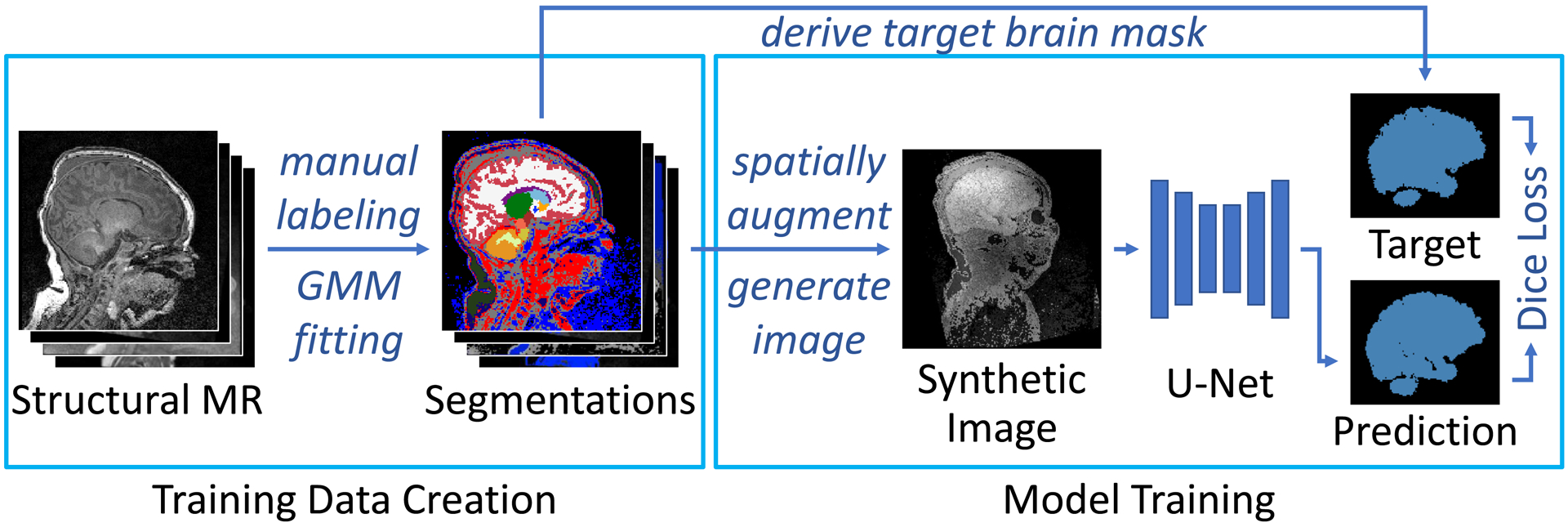
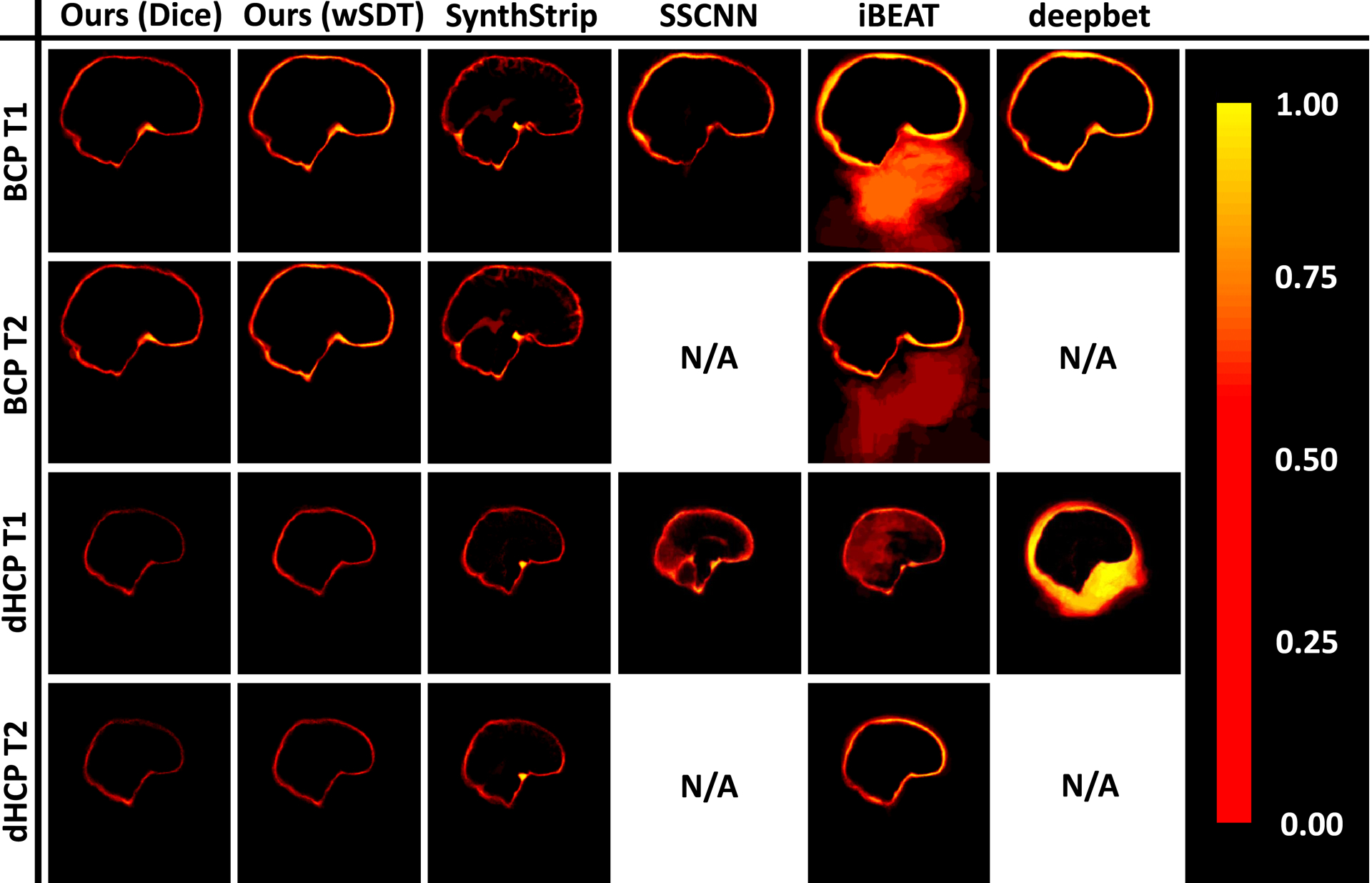
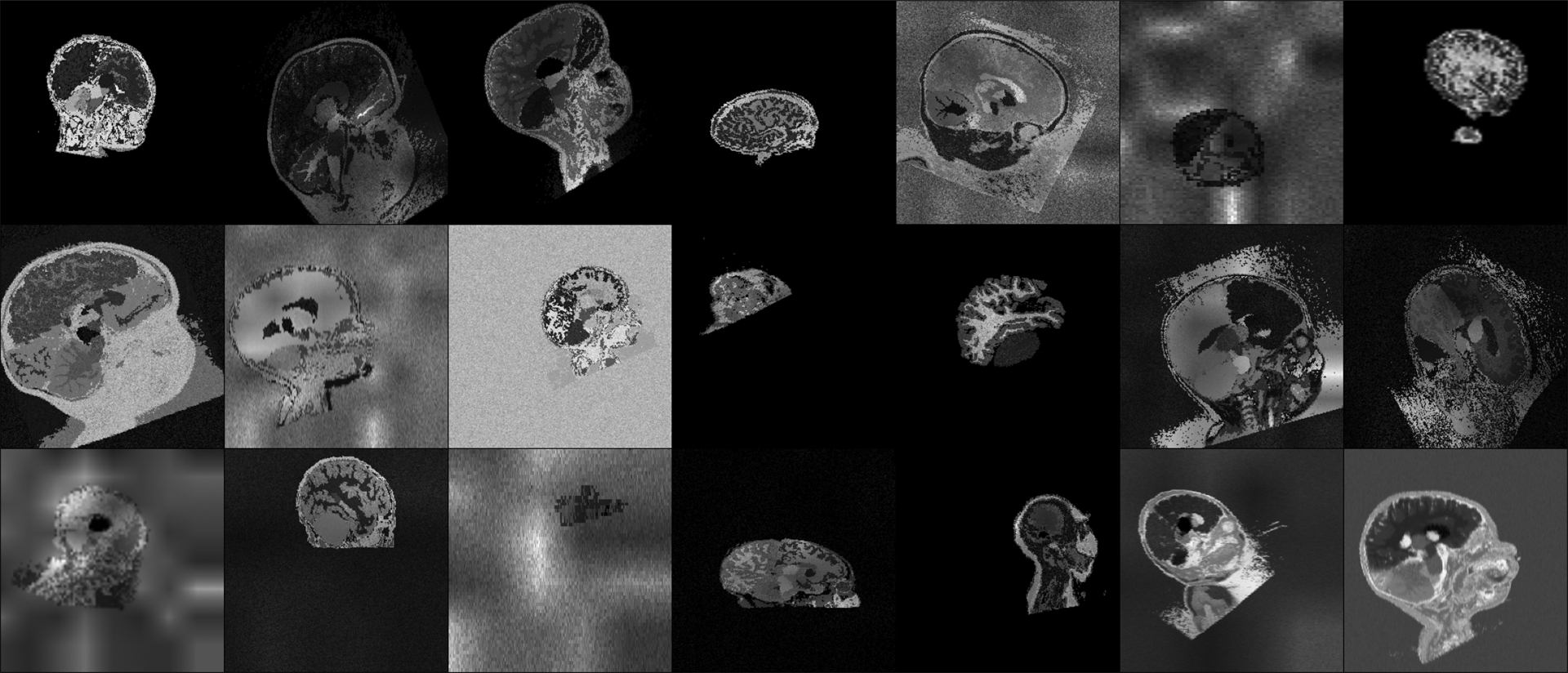
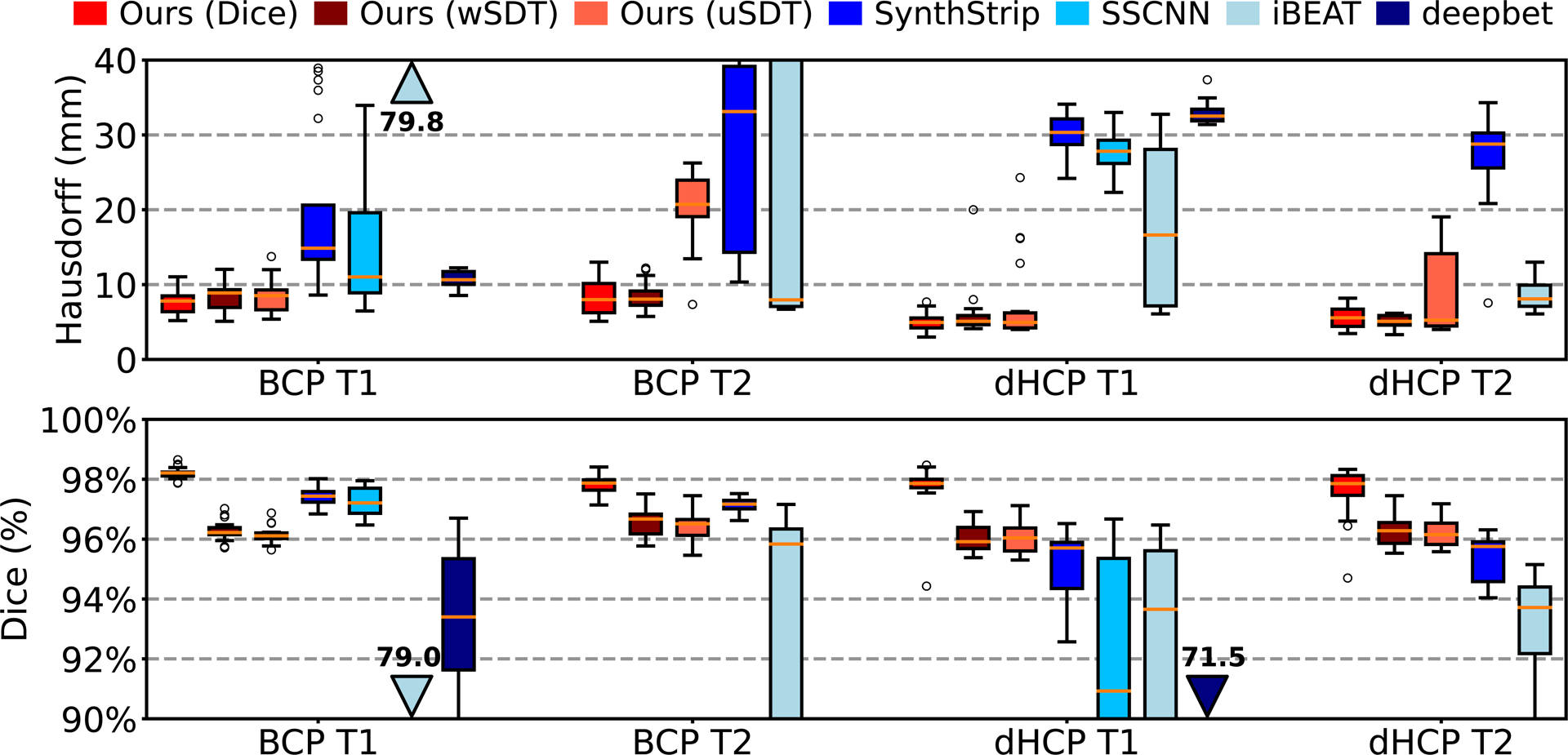
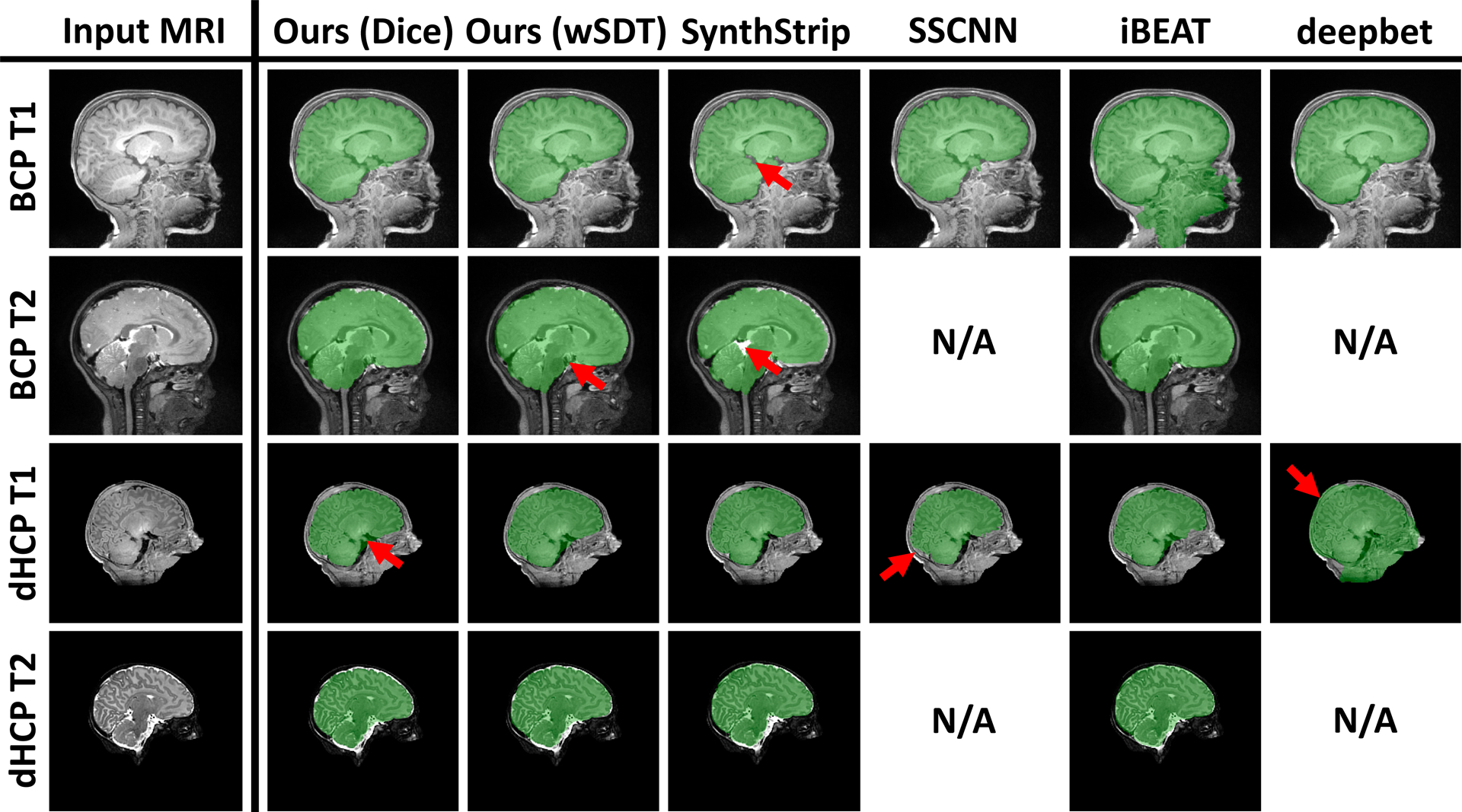
Skull-stripping is the removal of background and non-brain anatomical features from brain images. While many skull-stripping tools exist, few target pediatric populations. With the emergence of multi-institutional pediatric data acquisition efforts to broaden the understanding of perinatal brain development, it is essential to develop robust and well-tested tools ready for the relevant data processing. However, the broad range of neuroanatomical variation in the developing brain, combined with additional challenges such as high motion levels, as well as shoulder and chest signal in the images, leaves many adult-specific tools ill-suited for pediatric skull-stripping. Building on an existing framework for robust and accurate skull-stripping, we propose developmental SynthStrip (d-SynthStrip), a skull-stripping model tailored to pediatric images. This framework exposes networks to highly variable images synthesized from label maps. Our model substantially outperforms pediatric baselines across scan types and age cohorts. In addition, the <1-minute runtime of our tool compares favorably to the fastest baselines. We distribute our model at https://w3id.org/synthstrip.
颅骨剥离是指从脑图像中去除背景和非脑解剖特征。虽然存在许多颅骨剥离工具,但针对儿科人群的却很少。随着多机构儿科数据采集工作的出现,旨在拓宽对围产期脑发育的理解,开发强大且经过充分测试的工具以进行相关数据处理至关重要。然而,发育中大脑广泛的神经解剖变异,再加上诸如高运动水平以及图像中的肩部和胸部信号等额外挑战,使得许多针对成人的工具不适用于儿科颅骨剥离。在现有的强大且准确的颅骨剥离框架基础上,我们提出了发育合成剥离(d-SynthStrip),这是一种针对儿科图像量身定制的颅骨剥离模型。该框架使网络接触从标签图合成的高度可变图像。我们的模型在扫描类型和年龄队列方面显著优于儿科基线。此外,我们工具不到1分钟的运行时间与最快的基线相比具有优势。我们在https://w3id.org/synthstrip上发布我们的模型。