Department of Dermatovenerology, University Medical Centre Ljubljana, Ljubljana, Slovenia.
Faculty of Medicine, University of Ljubljana, Ljubljana, Slovenia.
Sci Prog. 2024 Oct-Dec;107(4):368504241287893. doi: 10.1177/00368504241287893.
Endothelial dysfunction is an early precursor of atherosclerosis and is common in patients with psoriasis, presumably primarily due to psoriasis-related inflammation. We investigated endothelial function, arterial stiffness, and circulating markers of endothelial activation in young patients with psoriasis vulgaris of varying severity, all of whom were effectively treated achieving PASI 90.
We conducted a cross-sectional study of 80 patients (54 men/26 women, 30-45 years) who were effectively treated with topical therapy, methotrexate, adalimumab, secukinumab or guselkumab, and 20 healthy controls. Endothelial dysfunction was measured by flow-mediated dilation and arterial stiffness was measured by pulse wave velocity and common carotid artery stiffness. The following circulating biomarkers of endothelial activation were measured: ICAM-1, VCAM-1, E- and P-selectin, GDF-15, and TRAIL.
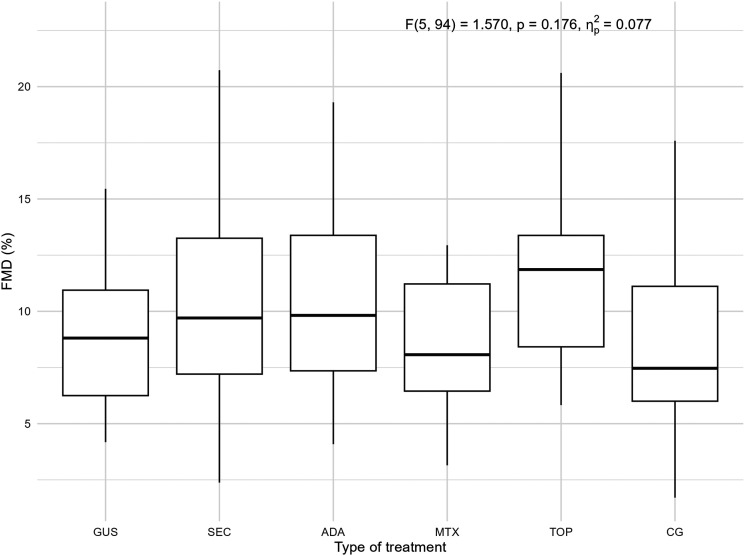
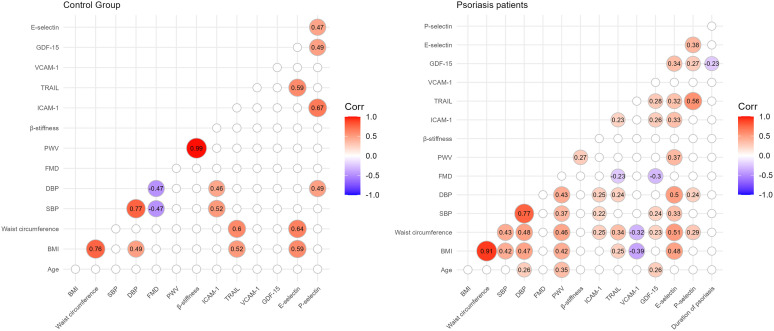
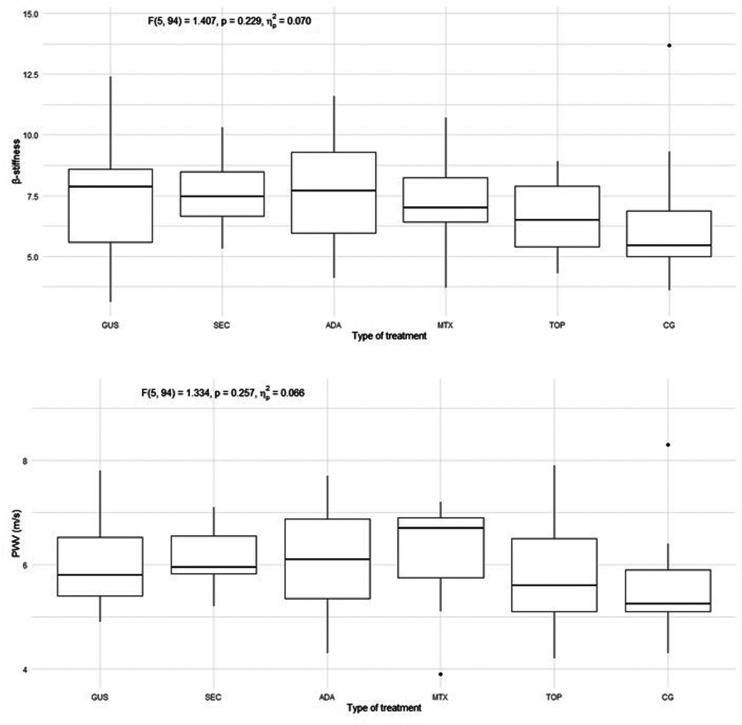
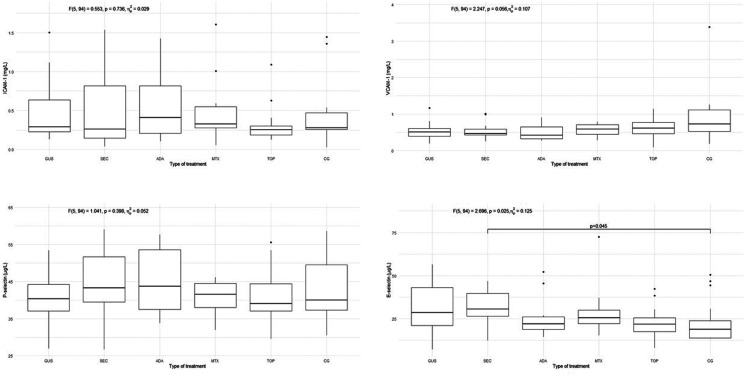
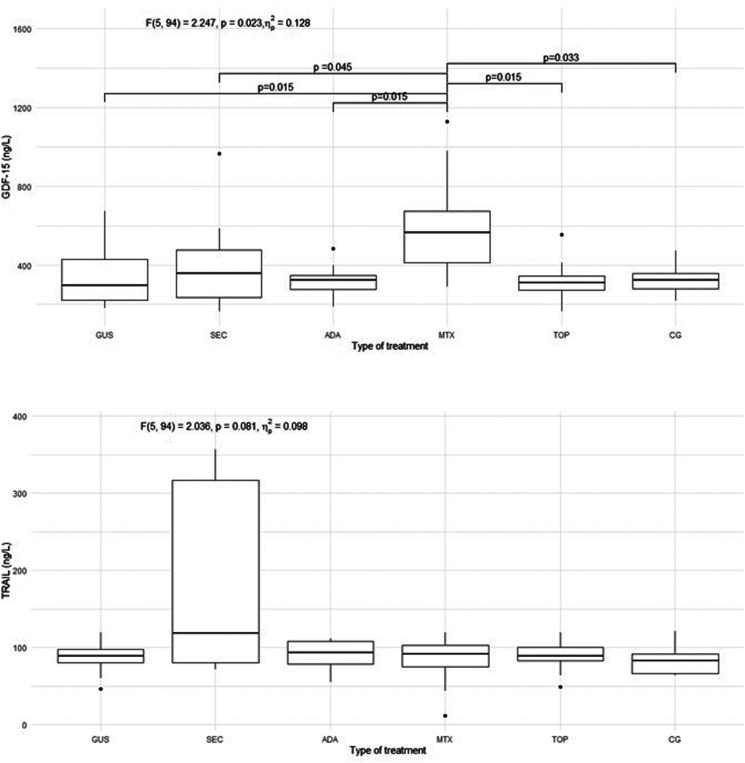
Endothelial function and arterial stiffness parameters did not differ between patients with effectively treated psoriasis and the control group. Circulating endothelial activation biomarkers did not show relevant differences between the groups of effectively treated patients or controls.
Although cardiovascular disease is the leading cause of morbidity and mortality in patients with psoriasis, effective antipsoriatic treatment appears to slow the progression of atherosclerosis, even when there are cardiovascular risk factors, such as smoking or obesity. This may suggest that antipsoriatic treatment exerts a cardioprotective effect.
Our results suggest that early and effective treatment of varying-severity psoriasis vulgaris in young patients appears to prevent arterial dysfunction related to psoriasis and consequent cardiovascular risk.The study is registered at http://clinicaltrials.gov (identifier: NCT05957120).
内皮功能障碍是动脉粥样硬化的早期先兆,在银屑病患者中较为常见,这主要归因于银屑病相关炎症。我们研究了不同严重程度的寻常型银屑病年轻患者的内皮功能、动脉僵硬和循环内皮激活标志物,所有患者均通过外用治疗、甲氨蝶呤、阿达木单抗、司库奇尤单抗或古塞库单抗实现了 PASI90 缓解。
我们进行了一项横断面研究,纳入了 80 名(54 名男性/26 名女性,年龄 30-45 岁)接受有效治疗的寻常型银屑病患者(接受外用治疗、甲氨蝶呤、阿达木单抗、司库奇尤单抗或古塞库单抗治疗)和 20 名健康对照者。通过血流介导的扩张来测量内皮功能障碍,通过脉搏波速度和颈总动脉僵硬度来测量动脉僵硬。测量了以下循环内皮激活标志物:细胞间黏附分子-1(ICAM-1)、血管细胞黏附分子-1(VCAM-1)、E-和 P-选择素、生长分化因子-15(GDF-15)和 TRAIL。
有效治疗的银屑病患者与对照组之间内皮功能和动脉僵硬参数没有差异。有效治疗的患者和对照组之间循环内皮激活标志物也没有明显差异。
尽管心血管疾病是银屑病患者发病率和死亡率的主要原因,但有效的银屑病治疗似乎可以减缓动脉粥样硬化的进展,即使存在心血管危险因素,如吸烟或肥胖。这可能表明银屑病治疗具有心脏保护作用。
我们的研究结果表明,在年轻患者中早期和有效治疗不同严重程度的寻常型银屑病似乎可以预防与银屑病相关的动脉功能障碍和随之而来的心血管风险。该研究在 http://clinicaltrials.gov 注册(标识符:NCT05957120)。