Laboratory of Virology, Division of Intramural Research, National Institute of Allergy and Infectious Diseases, National Institutes of Health, Hamilton, Montana, United States of America.
Rocky Mountain Veterinary Branch, Division of Intramural Research, National Institute of Allergy and Infectious Diseases, National Institutes of Health, Hamilton, Montana, United States of America.
PLoS Negl Trop Dis. 2024 Oct 28;18(10):e0012635. doi: 10.1371/journal.pntd.0012635. eCollection 2024 Oct.
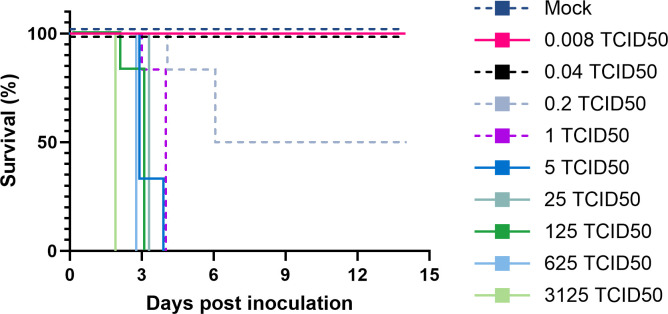
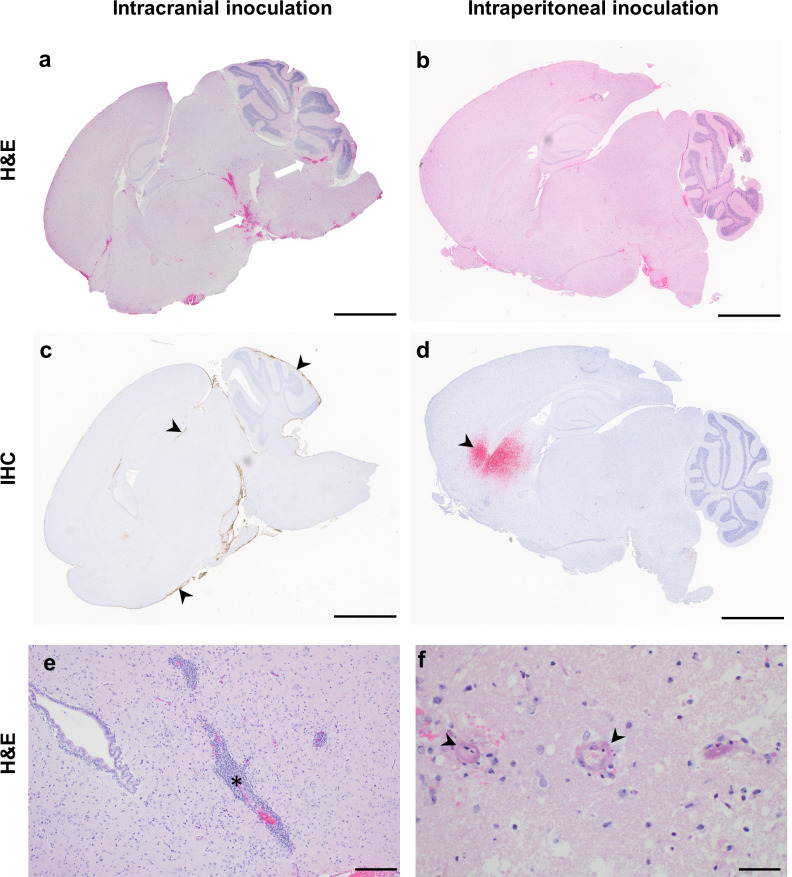
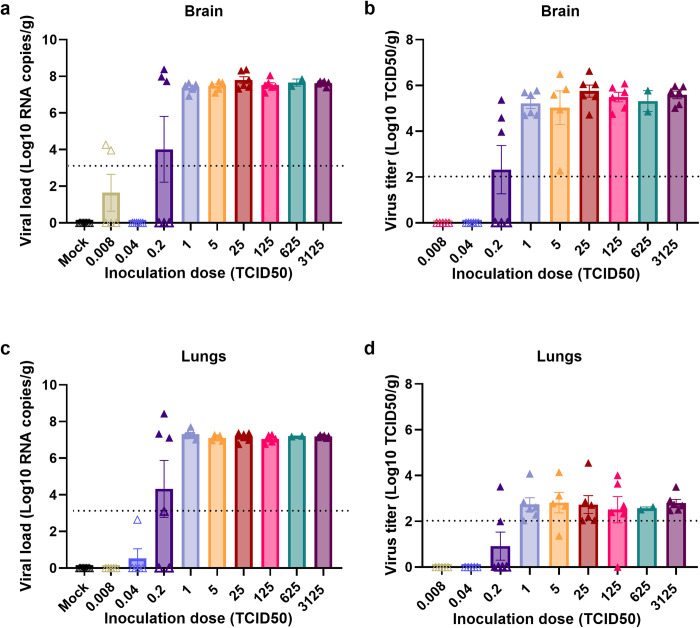
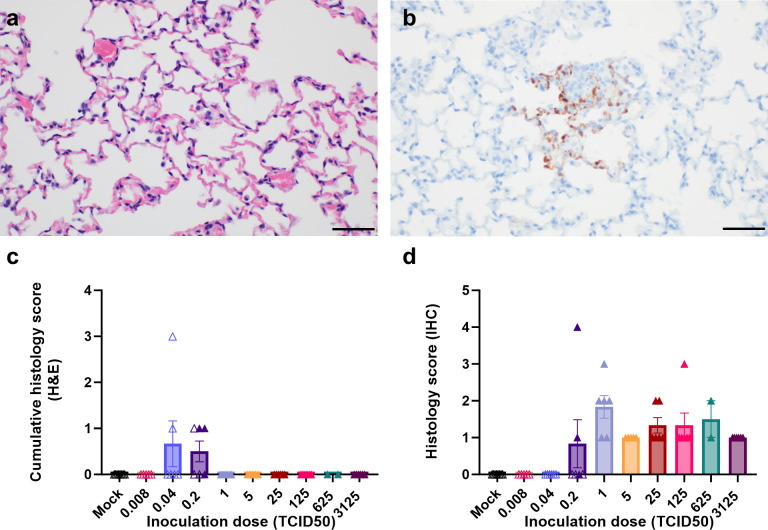
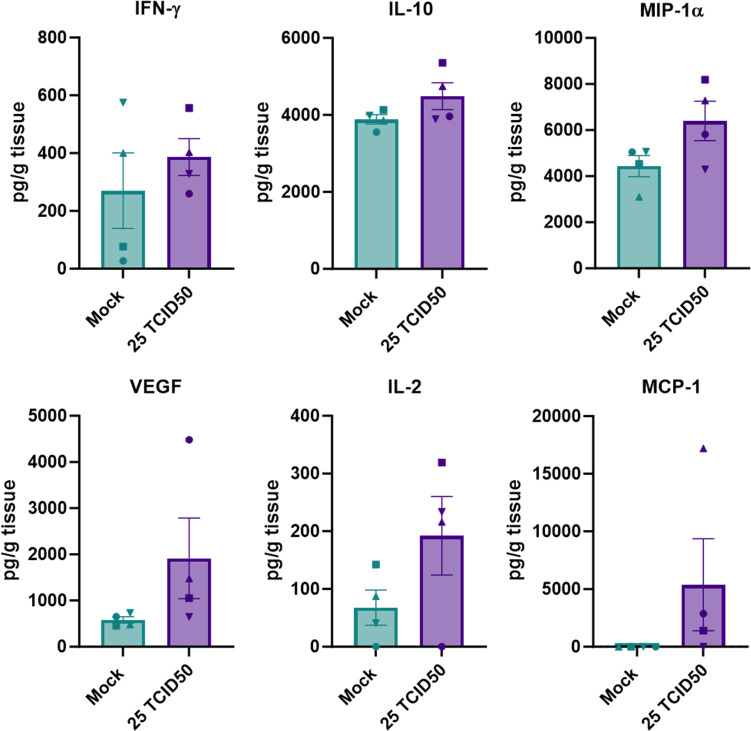
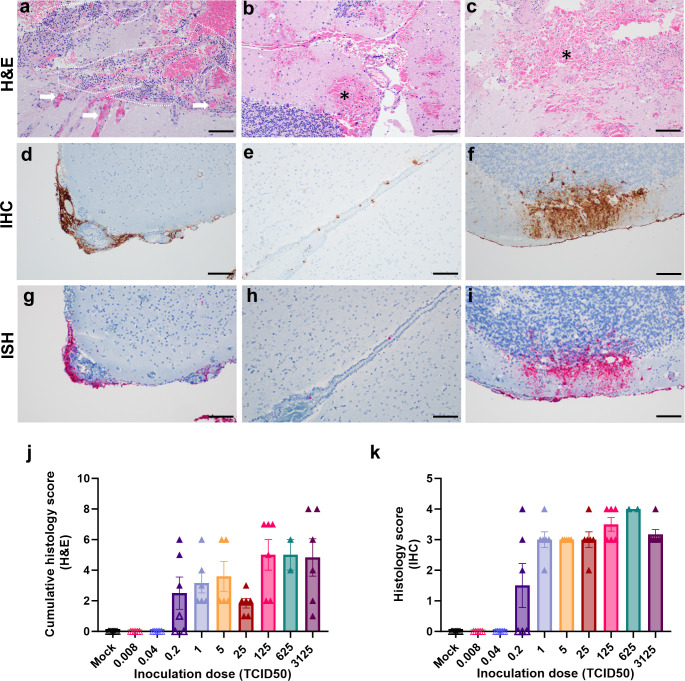
Nipah virus (NiV) is a highly pathogenic Paramyxovirus associated with outbreaks in Malaysia, Bangladesh, and India with high mortality rates. NiV infection causes fatal respiratory and neurological disease. The majority of survivors suffer from long-term neurological sequelae or late onset and relapsed encephalitis. The pathogenesis of neurological disease is complex and has not been able to be studied in current animal models as they are skewed towards the development of lethal respiratory disease rather than neurological disease. Although NiV neurological disease can be observed in animal models, there is currently no model where the majority of animals consistently develop neurological disease. Here, we developed a new Syrian hamster (Mesocricetus auratus) model to mimic neurological disease in humans. Hamsters were inoculated intracranially in the cerebellomedullary cistern with different doses of NiV, strain Malaysia. Intracranial NiV inoculation in the cerebellomedullary cistern resulted in a rapid progression towards severe neurological disease requiring euthanasia. High Nipah viral loads were detected in the brains, and NiV spread from the CNS to the lungs. Histopathologic examination of the brain showed ischemic necrosis, often accompanied by marked edema and hemorrhage. NiV antigen was detected primarily in meninges and cerebellum, but rarely observed in brain parenchyma. These histological lesions were different from the typical lesions observed in NiV-infected humans. Thus, despite the consistent development of neurological disease, intracranial inoculation does not result in a model representative of NiV neurological disease.
尼帕病毒(NiV)是一种高致病性副粘病毒,与马来西亚、孟加拉国和印度的疫情有关,死亡率很高。NiV 感染会导致致命的呼吸道和神经系统疾病。大多数幸存者都患有长期的神经系统后遗症或迟发性和复发性脑炎。神经系统疾病的发病机制很复杂,目前还无法在现有的动物模型中进行研究,因为这些模型偏向于发展致命的呼吸道疾病,而不是神经系统疾病。尽管可以在动物模型中观察到 NiV 神经系统疾病,但目前没有一种模型能够使大多数动物持续发展神经系统疾病。在这里,我们开发了一种新的叙利亚仓鼠(Mesocricetus auratus)模型来模拟人类的神经系统疾病。仓鼠经小脑延髓池颅内接种不同剂量的马来西亚株 NiV。小脑延髓池颅内接种 NiV 会迅速发展为严重的神经系统疾病,需要安乐死。大脑中检测到高滴度的尼帕病毒,病毒从中枢神经系统传播到肺部。脑组织的组织病理学检查显示缺血性坏死,常伴有明显的水肿和出血。NiV 抗原主要在脑膜和小脑中检测到,但在脑实质中很少观察到。这些组织病理学损伤与感染 NiV 的人类中观察到的典型损伤不同。因此,尽管一致发展为神经系统疾病,但颅内接种并不能产生代表 NiV 神经系统疾病的模型。