Tsukahara Sayuri, Bousios Alexandros, Perez-Roman Estela, Yamaguchi Sota, Leduque Basile, Nakano Aimi, Naish Matthew, Osakabe Akihisa, Toyoda Atsushi, Ito Hidetaka, Edera Alejandro, Tominaga Sayaka, Kato Kae, Oda Shoko, Inagaki Soichi, Lorković Zdravko, Nagaki Kiyotaka, Berger Frédéric, Kawabe Akira, Quadrana Leandro, Henderson Ian, Kakutani Tetsuji
Department of Biological Sciences, The University of Tokyo, Tokyo, Japan.
School of Life Sciences, University of Sussex, Brighton, UK.
Nature. 2025 Jan;637(8046):744-748. doi: 10.1038/s41586-024-08319-7. Epub 2025 Jan 1.
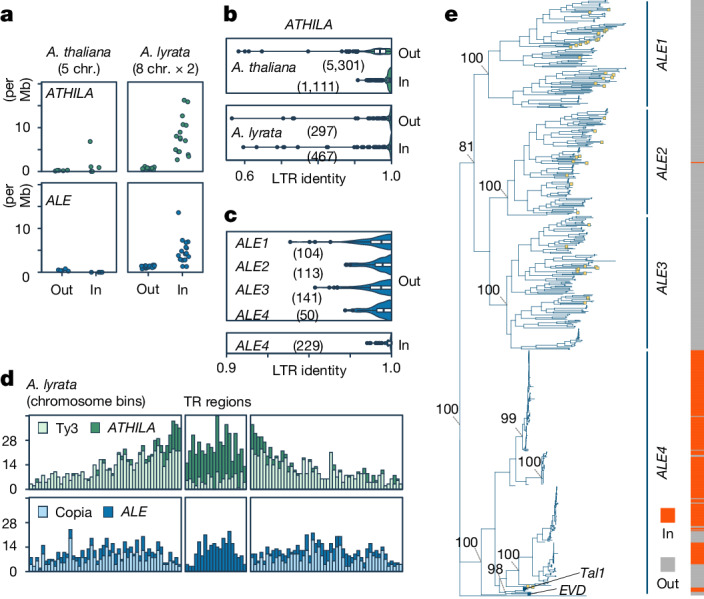
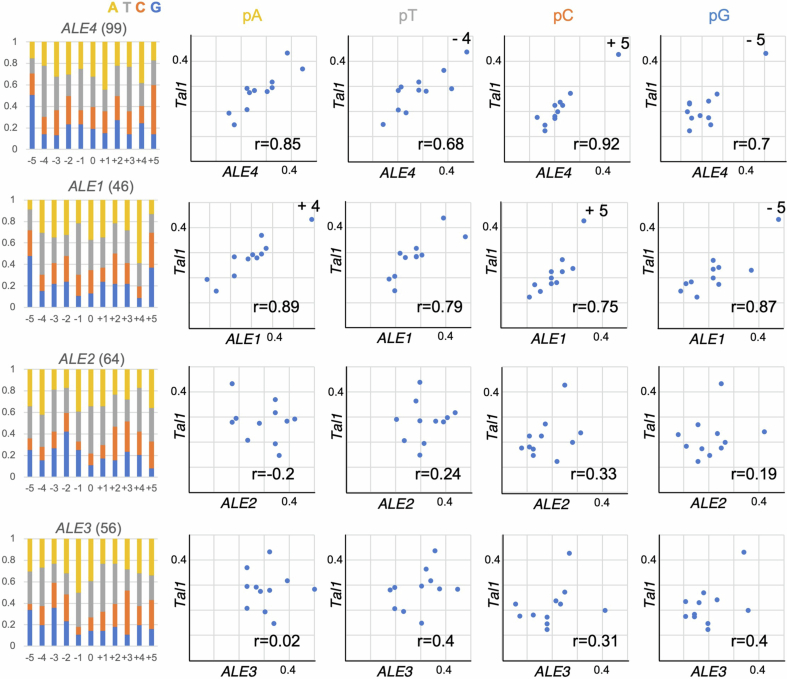
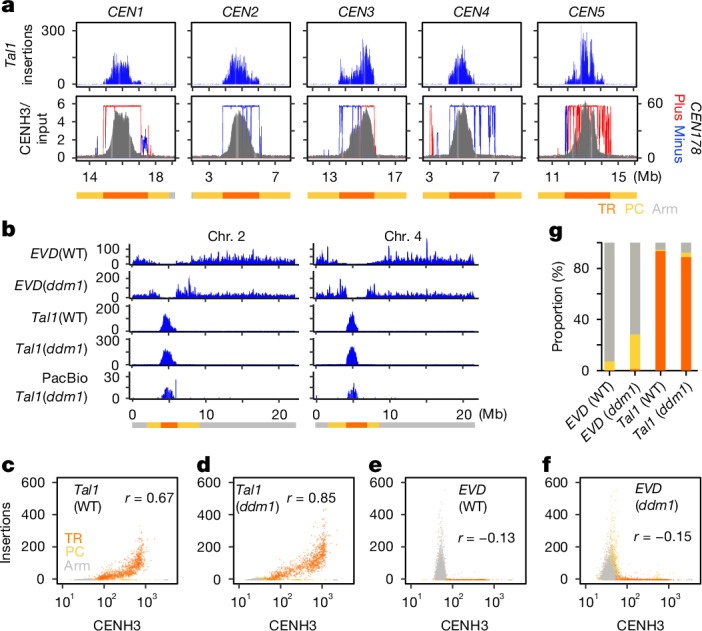
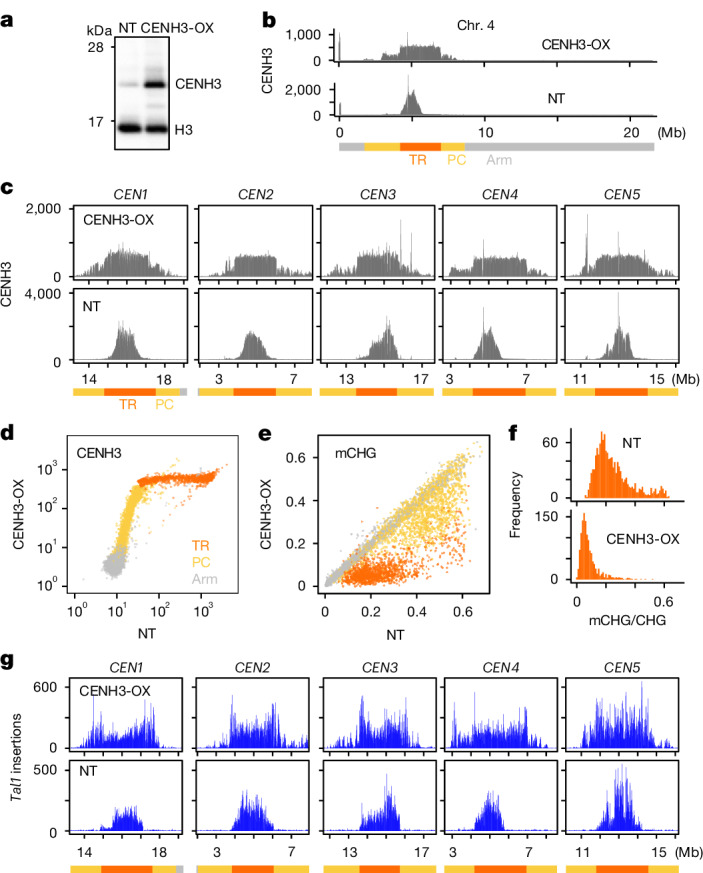
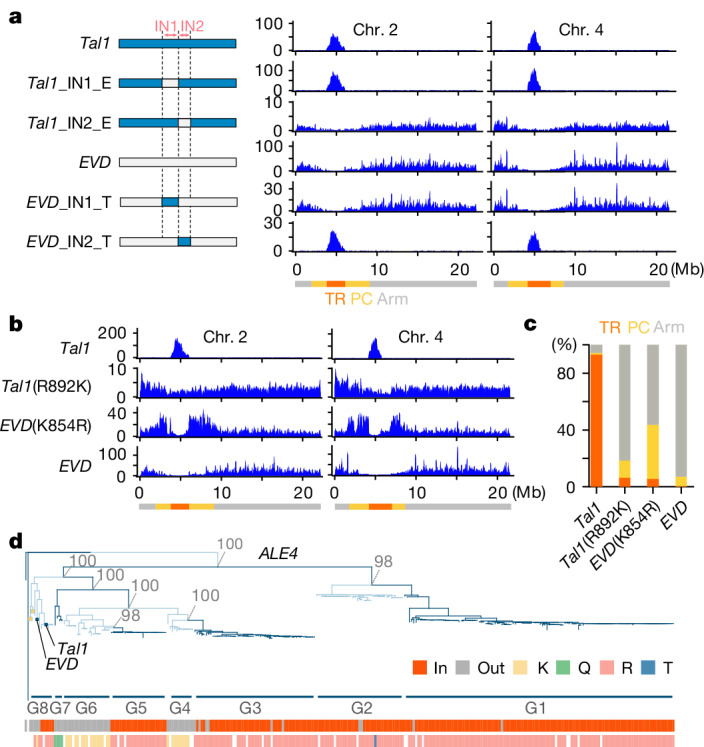
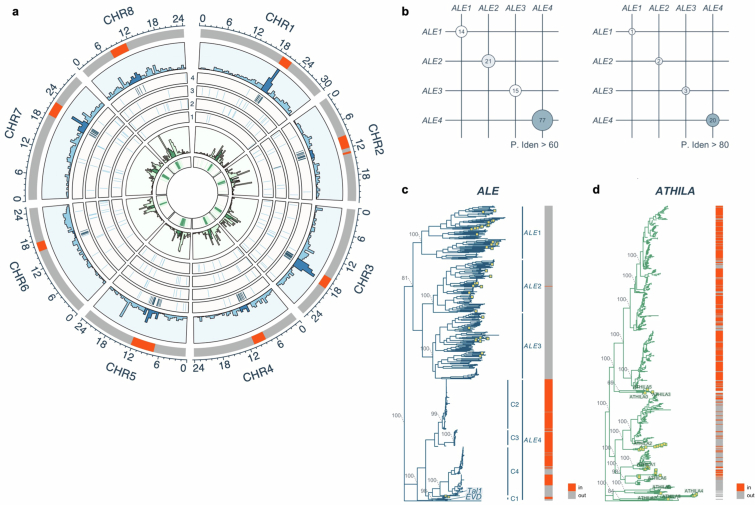
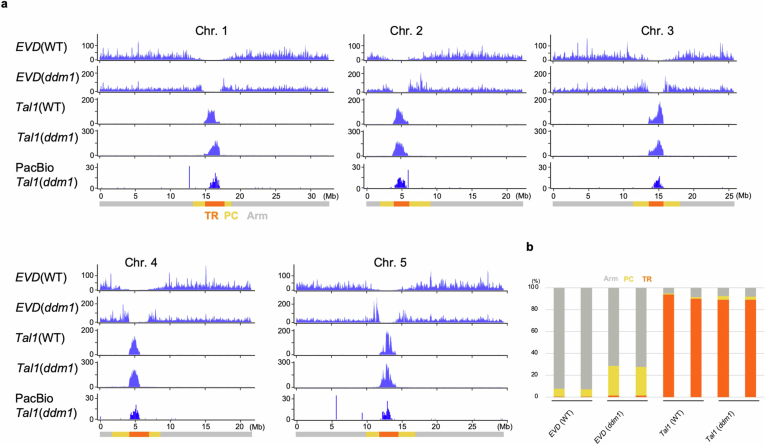
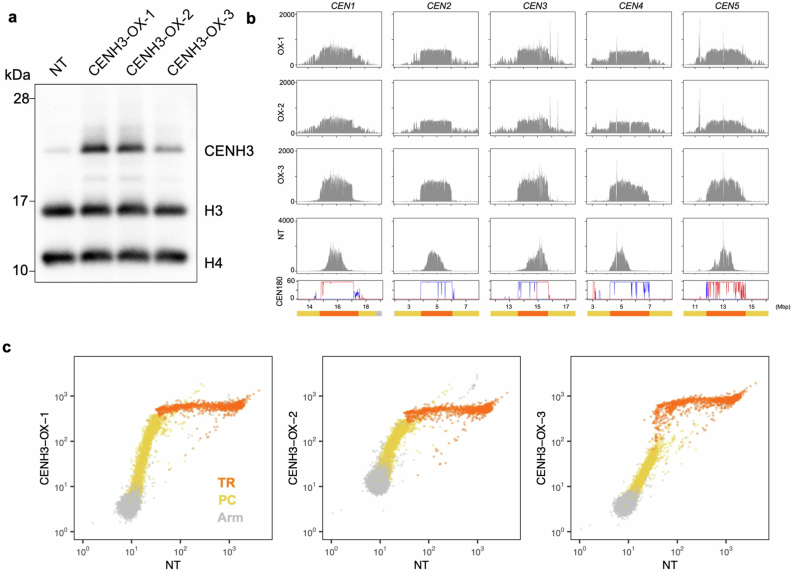
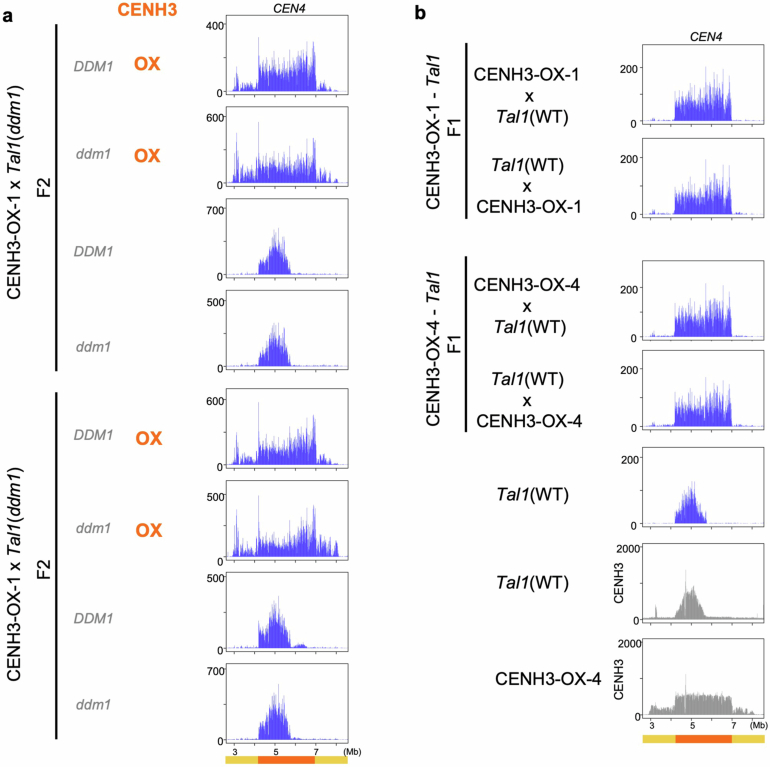
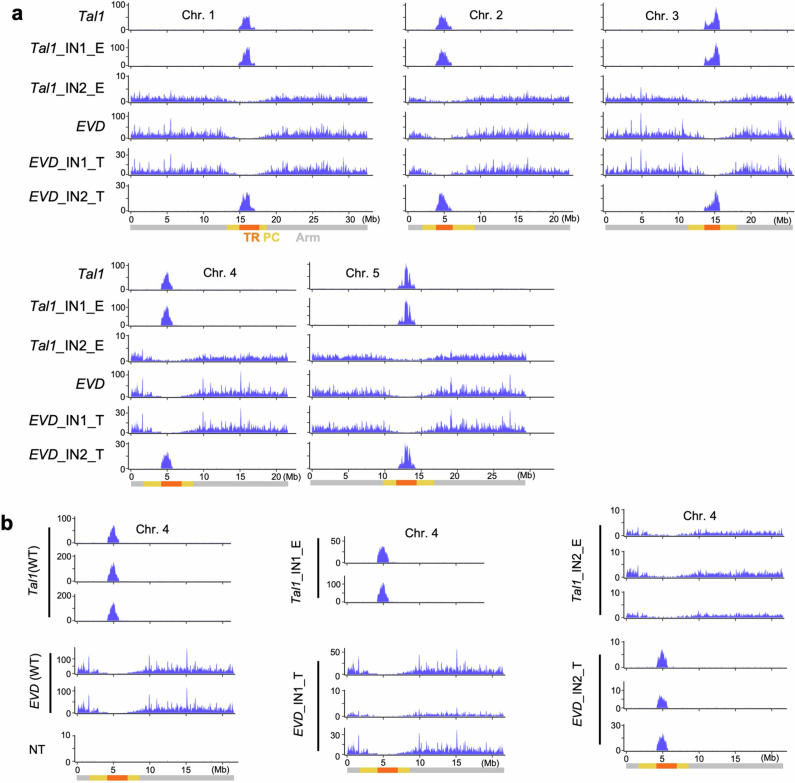
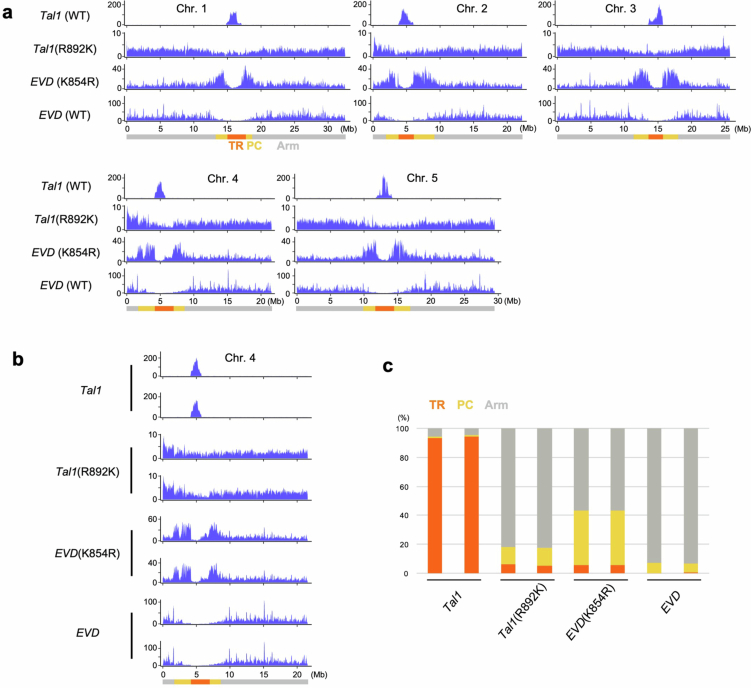
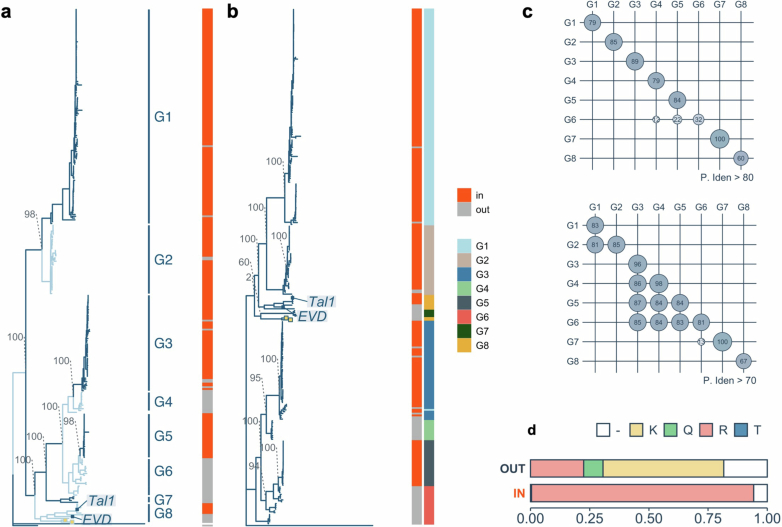
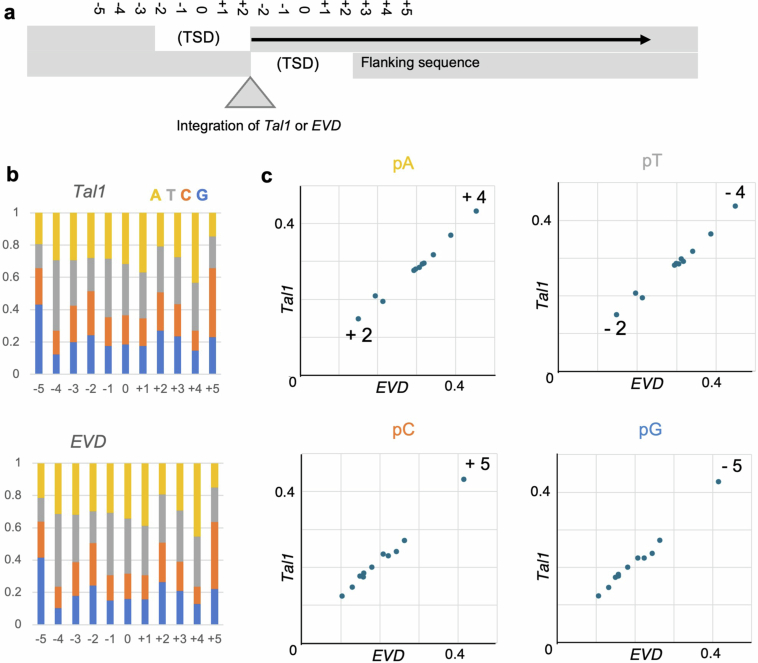
In organisms ranging from vertebrates to plants, major components of centromeres are rapidly evolving repeat sequences, such as tandem repeats (TRs) and transposable elements (TEs), which harbour centromere-specific histone H3 (CENH3). Complete centromere structures recently determined in human and Arabidopsis suggest frequent integration and purging of retrotransposons within the TR regions of centromeres. Despite the high impact of 'centrophilic' retrotransposons on the paradox of rapid centromere evolution, the mechanisms involved in centromere targeting remain poorly understood in any organism. Here we show that both Ty3 and Ty1 long terminal repeat retrotransposons rapidly turnover within the centromeric TRs of Arabidopsis species. We demonstrate that the Ty1/Copia element Tal1 (Transposon of Arabidopsis lyrata 1) integrates de novo into regions occupied by CENH3 in Arabidopsis thaliana, and that ectopic expansion of the CENH3 region results in spread of Tal1 integration regions. The integration spectra of chimeric TEs reveal the key structural variations responsible for contrasting chromatin-targeting specificities to centromeres versus gene-rich regions, which have recurrently converted during the evolution of these TEs. Our findings show the impact of centromeric chromatin on TE-mediated rapid centromere evolution, with relevance across eukaryotic genomes.
在从脊椎动物到植物的生物体中,着丝粒的主要成分是快速进化的重复序列,如串联重复序列(TRs)和转座元件(TEs),这些序列包含着丝粒特异性组蛋白H3(CENH3)。最近在人类和拟南芥中确定的完整着丝粒结构表明,逆转座子在着丝粒的TR区域内频繁整合和清除。尽管“嗜着丝粒”逆转座子对着丝粒快速进化的矛盾现象有很大影响,但在任何生物体中,着丝粒靶向所涉及的机制仍知之甚少。在这里,我们表明Ty3和Ty1长末端重复逆转座子在拟南芥物种的着丝粒TRs内快速周转。我们证明,Ty1/Copia元件Tal1(琴叶拟南芥转座子1)从头整合到拟南芥中被CENH3占据的区域,并且CENH3区域的异位扩展导致Tal1整合区域扩散。嵌合TEs的整合谱揭示了导致着丝粒与基因丰富区域染色质靶向特异性不同的关键结构变异,这些变异在这些TEs的进化过程中反复发生。我们的研究结果显示了着丝粒染色质对TE介导的快速着丝粒进化的影响,这与整个真核生物基因组相关。