Minoyama Haruka, Hida Kazuhide, Fujii Erisa, Ikeda Shun-Ichi
Department of Gynecology, Tokyo Takanawa Hospital, Tokyo, Japan.
Department of Obstetrics and Gynecology, Kohseichuo General Hospital, Tokyo, Japan.
J Med Cases. 2025 Jan;16(1):37-42. doi: 10.14740/jmc4344. Epub 2024 Dec 21.
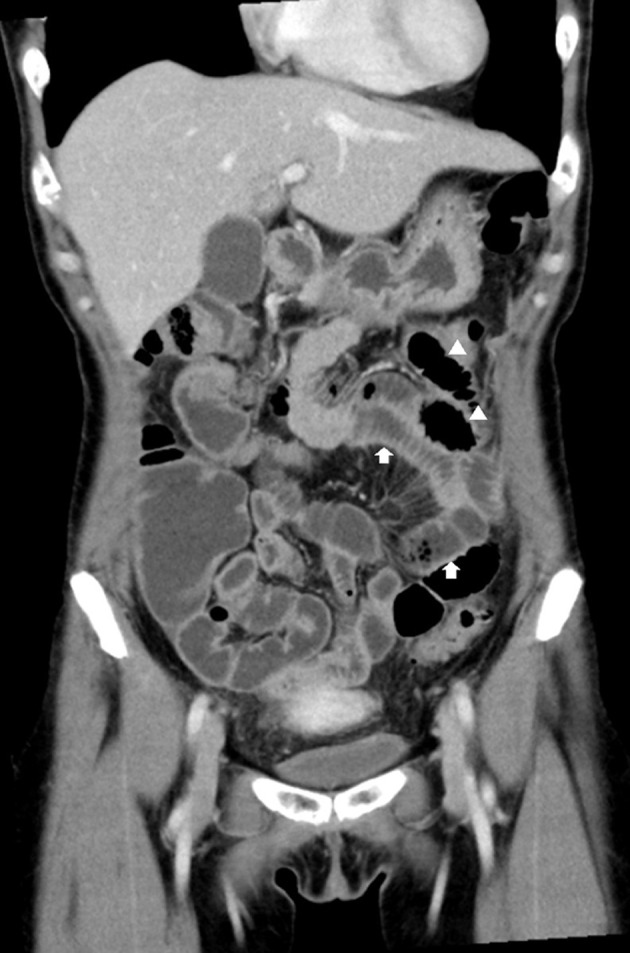
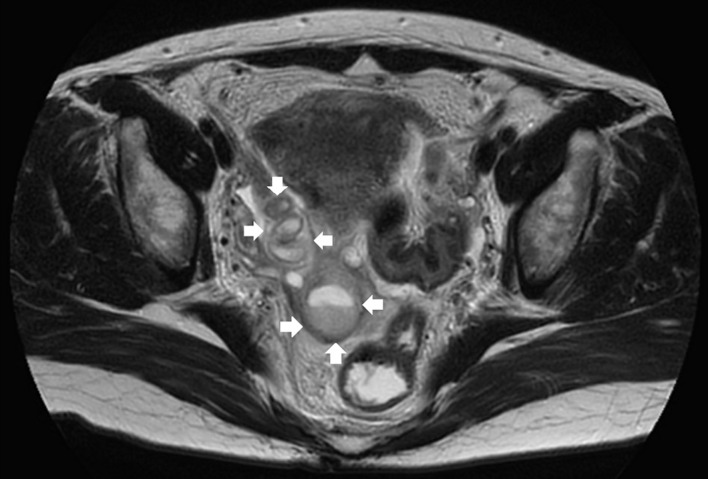
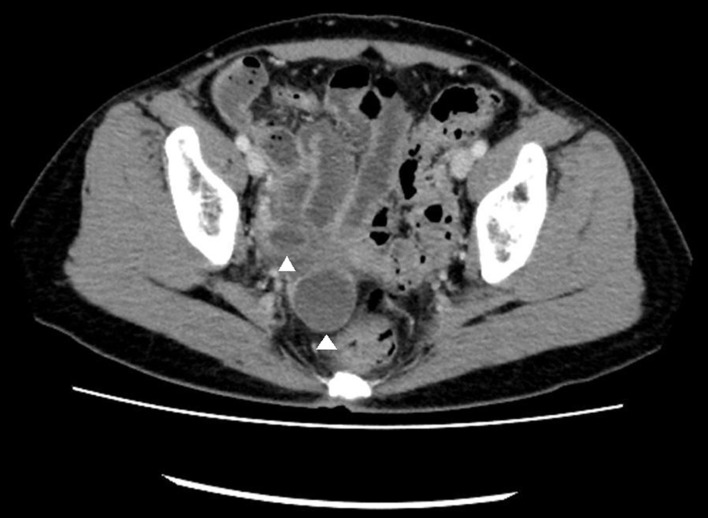
Some women infected with (CT) are asymptomatic, while others experience lower abdominal discomfort when the inflammatory process extends to the fallopian tubes. Without treatment, salpingitis can progress to pelvic peritonitis and subsequently, peritonitis in the upper abdomen, a condition known as Fitz-Hugh-Curtis syndrome, in some cases. A nucleic acid amplification assay is required for diagnosing CT infection. However, this assay may yield a negative result even in the presence of CT infection. This report presents a case of a 45-year-old woman with a history of hydrosalpinx and no history of lower abdominal pain who underwent endometrial cytology at a local gynecology clinic because of irregular bleeding. The following day, she developed peritonitis. A nucleic acid amplification assay for CT yielded a negative result at the onset of peritonitis. Hence, the patient received tazobactam/piperacillin as a treatment option. However, this drug was ineffective. Subsequently, the patient was found to be positive for serum CT IgG and IgA antibodies. Her peritonitis could have developed as a result of endometrial cytology performed in the presence of a chronic CT infection in the uterus; through this procedure, CT-infected endometrial cells may have spread into the abdominal cavity via the fallopian tubes. Nevertheless, the addition of minocycline hydrochloride markedly improved the symptoms of peritonitis. This case shows that when dealing with chronic CT infections in the female internal genitalia, the standard nucleic acid amplification testing screening test for CT might not be entirely effective in detecting the infection. Additionally, it is important to recognize that in cases of chronic CT infection of the uterus that involved genital bleeding, examining the uterine cavity could lead to peritonitis in a short timeframe.
一些感染沙眼衣原体(CT)的女性没有症状,而当炎症蔓延至输卵管时,另一些女性会出现下腹部不适。未经治疗的话,输卵管炎可能会发展为盆腔腹膜炎,随后在某些情况下会发展为上腹部腹膜炎,即菲茨-休-柯蒂斯综合征。诊断CT感染需要进行核酸扩增检测。然而,即使存在CT感染,该检测也可能得出阴性结果。本报告介绍了一名45岁女性的病例,该女性有输卵管积水病史,无下腹部疼痛史,因不规则出血在当地妇科诊所接受子宫内膜细胞学检查。第二天,她患上了腹膜炎。腹膜炎发作时,CT核酸扩增检测结果为阴性。因此,患者接受了他唑巴坦/哌拉西林作为治疗选择。然而,这种药物无效。随后,发现患者血清CT IgG和IgA抗体呈阳性。她的腹膜炎可能是由于在子宫存在慢性CT感染的情况下进行子宫内膜细胞学检查所致;通过这个过程,受CT感染的子宫内膜细胞可能通过输卵管扩散到腹腔。尽管如此,加用盐酸米诺环素明显改善了腹膜炎症状。该病例表明,在处理女性内生殖器的慢性CT感染时,标准的CT核酸扩增检测筛查试验可能无法完全有效地检测到感染。此外,重要的是要认识到,在涉及生殖器出血的子宫慢性CT感染病例中,检查子宫腔可能会在短时间内导致腹膜炎。