Sardaro Maria Luisa Savo, Grote Veronika, Baik Jennifer, Atallah Marco, Amato Katherine Ryan, Ring Melinda
Department of Anthropology, Northwestern University, Evanston, IL 60208, USA.
Department for the Promotion of Human Sciences and Quality of Life, San Raffaele University, 00166 Rome, Italy.
Nutrients. 2025 Jan 27;17(3):458. doi: 10.3390/nu17030458.
In recent years, juicing has often been promoted as a convenient way to increase fruit and vegetable intake, with juice-only diets marketed for digestive cleansing and overall health improvement. However, juicing removes most insoluble fiber, which may diminish the health benefits of whole fruits and vegetables. Lower fiber intake can alter the microbiota, affecting metabolism, immunity, and mental health, though little is known about juicing's specific effects on the microbiota. This study addresses this gap by exploring how juicing impacts gut and oral microbiome composition in an intervention study.
Fourteen participants followed one of three diets-exclusive juice, juice plus food, or plant-based food-for three days. Microbiota samples (stool, saliva, and inner cheek swabs) were collected at baseline, after a pre-intervention elimination diet, immediately after juice intervention, and 14 days after intervention. Moreover, 16S rRNA gene amplicon sequencing was used to analyze microbiota taxonomic composition.
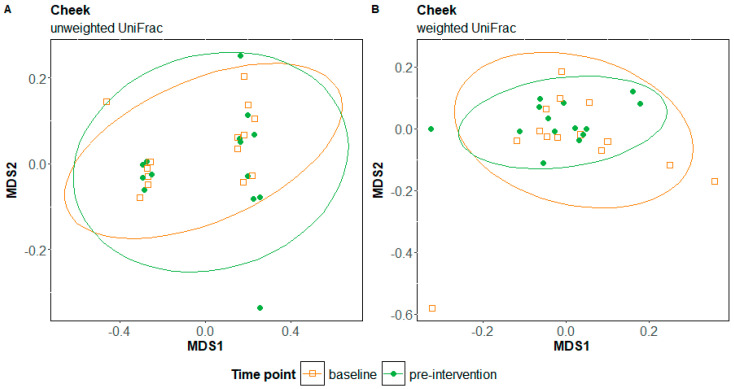
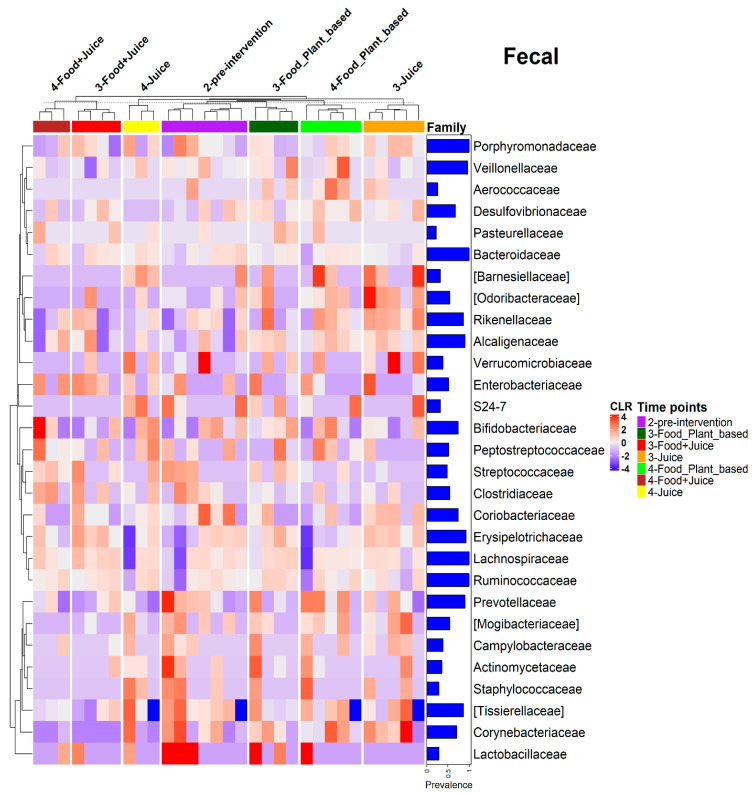
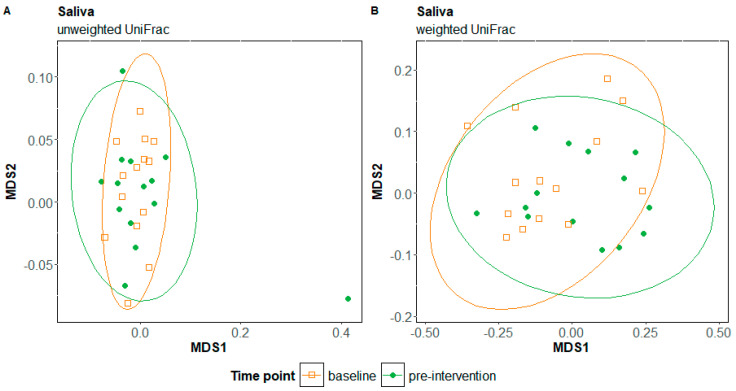
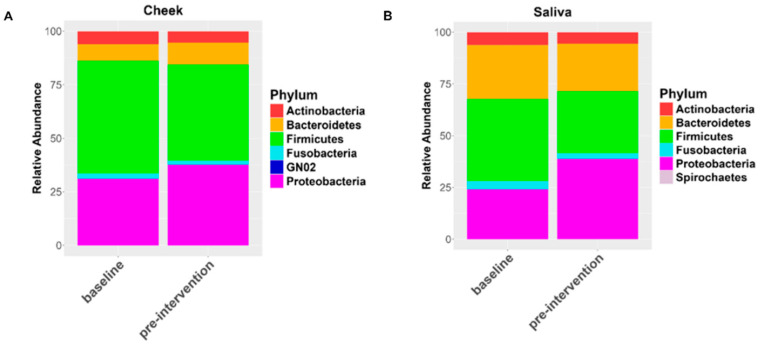
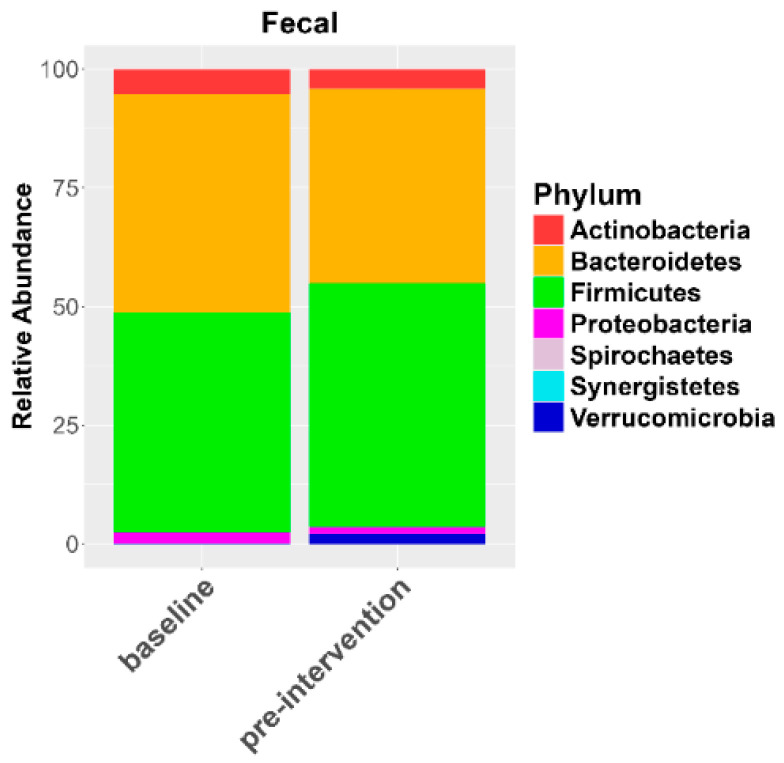
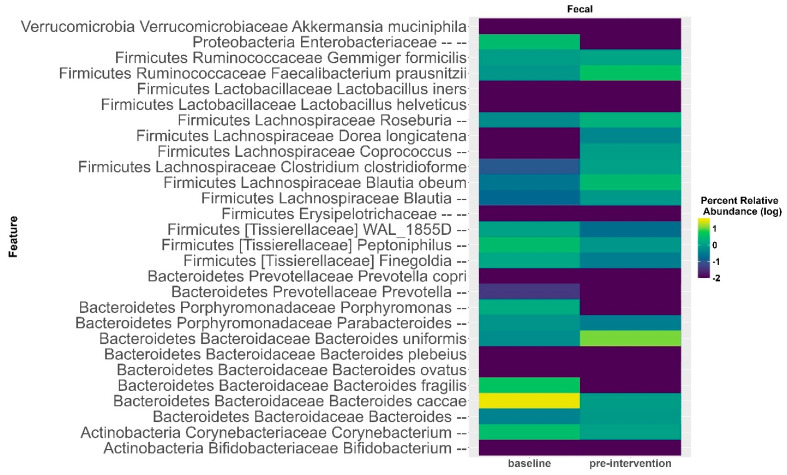
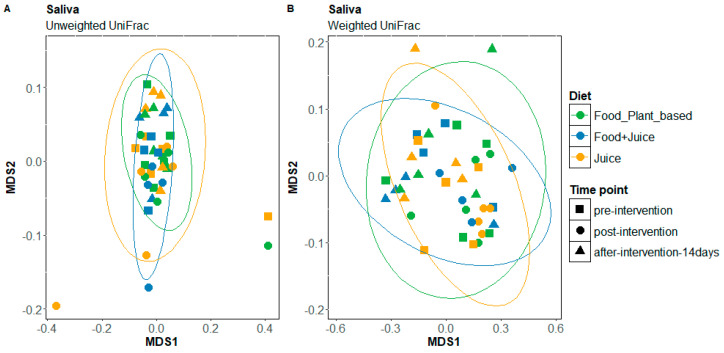
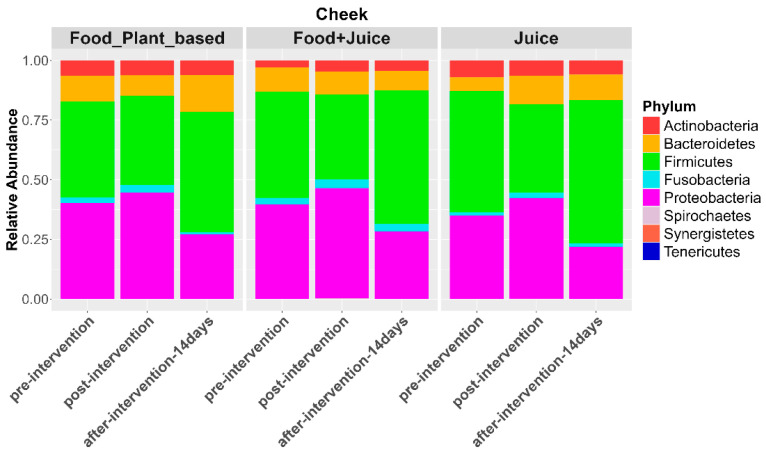
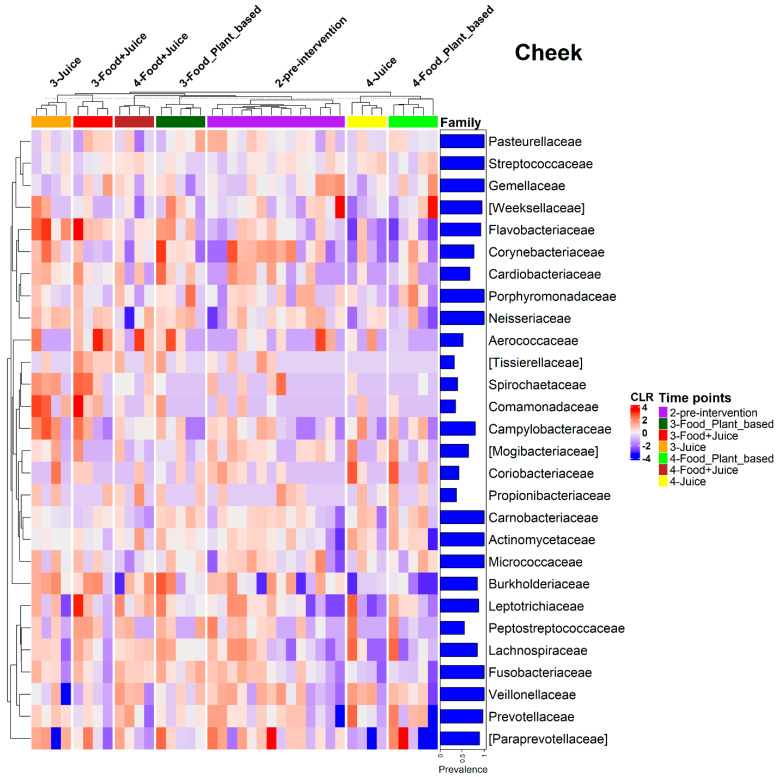
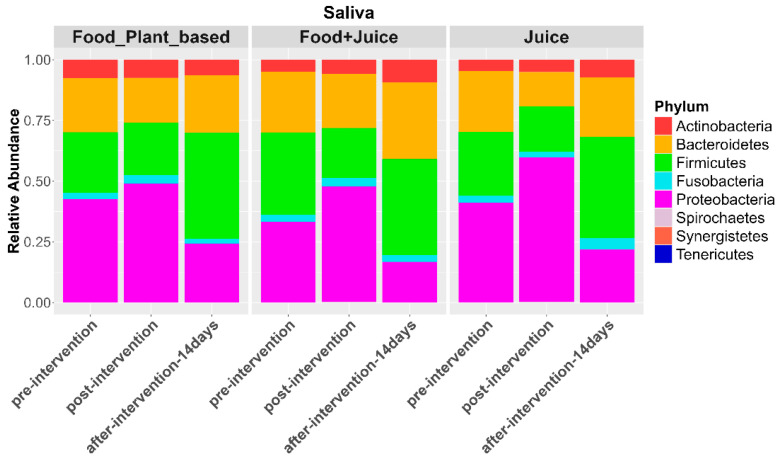
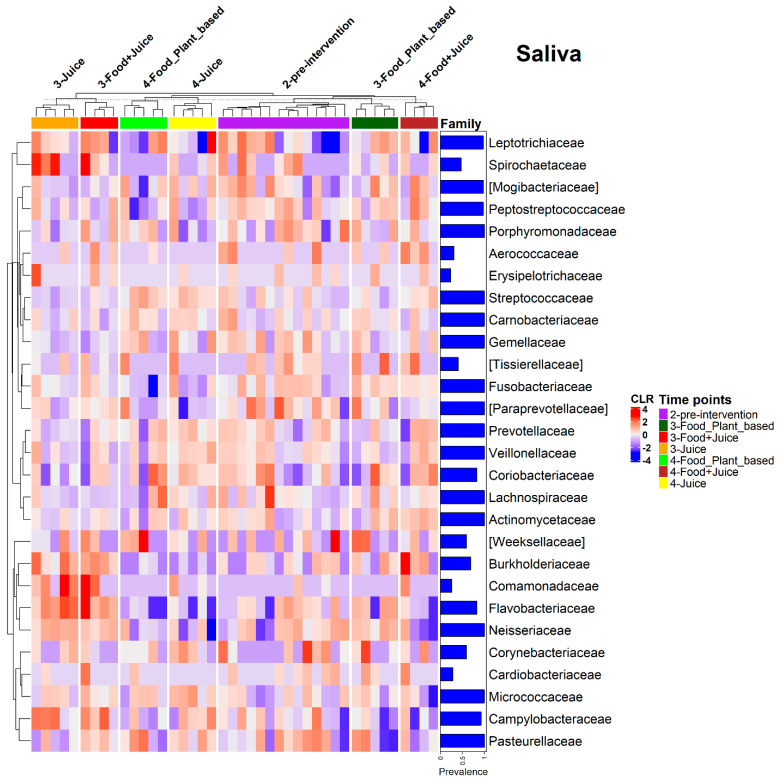
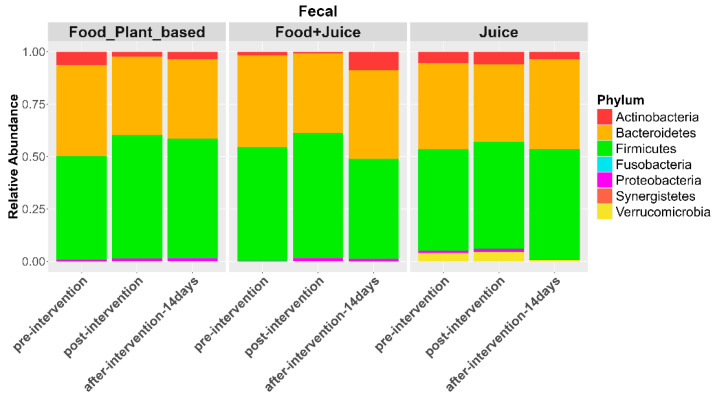
The saliva microbiome differed significantly in response to the elimination diet (unweighted UniFrac: F = 1.72, R = 0.06, < 0.005; weighted UniFrac: F = 7.62, R = 0.23, -value = 0.0025) with a significant reduction in Firmicutes ( = 0.004) and a significant increase in Proteobacteria ( = 0.005). The juice intervention diets were also associated with changes in the saliva and cheek microbiota, particularly in the relative abundances of pro-inflammatory bacterial families, potentially due to the high sugar and low fiber intake of the juice-related products. Although no significant shifts in overall gut microbiota composition were observed, with either the elimination diet or the juice intervention diets, bacterial taxa associated with gut permeability, inflammation, and cognitive decline increased in relative abundance.
These findings suggest that short-term juice consumption may negatively affect the microbiota.
近年来,榨汁常被宣传为增加水果和蔬菜摄入量的便捷方式,仅饮用果汁的饮食方式被推销用于消化清洁和改善整体健康。然而,榨汁会去除大部分不溶性纤维,这可能会减少完整水果和蔬菜的健康益处。较低的纤维摄入量会改变微生物群,影响新陈代谢、免疫力和心理健康,不过关于榨汁对微生物群的具体影响知之甚少。本研究通过一项干预研究探讨榨汁如何影响肠道和口腔微生物群组成,以填补这一空白。
14名参与者遵循三种饮食之一——纯果汁、果汁加食物或植物性食物——为期三天。在基线、干预前的清除饮食后、果汁干预后立即以及干预后14天收集微生物群样本(粪便、唾液和口腔内侧拭子)。此外,使用16S rRNA基因扩增子测序分析微生物群分类组成。
唾液微生物群对清除饮食的反应有显著差异(非加权UniFrac:F = 1.72,R = 0.06,P < 0.005;加权UniFrac:F = 7.62,R = 0.23,P值 = 0.0025),厚壁菌门显著减少(P = 0.004),变形菌门显著增加(P = 0.005)。果汁干预饮食也与唾液和口腔微生物群的变化有关,特别是促炎细菌家族的相对丰度变化,这可能是由于与果汁相关产品的高糖和低纤维摄入所致。尽管在清除饮食或果汁干预饮食中均未观察到整体肠道微生物群组成的显著变化,但与肠道通透性、炎症和认知能力下降相关的细菌类群相对丰度增加。
这些发现表明,短期饮用果汁可能会对微生物群产生负面影响。