M Abisha Meji, D Usha, B M Ashwin, Dennison Milon Selvam
Department of Physics and Research Centre, Women's Christian College, Nagercoil, Affiliated to Manonmaniam Sundaranar University, Tirunelveli, India.
PG Department of Chemistry, Pioneer Kumaraswamy College, Nagercoil, India.
Sci Rep. 2025 Jun 2;15(1):19348. doi: 10.1038/s41598-025-03922-8.
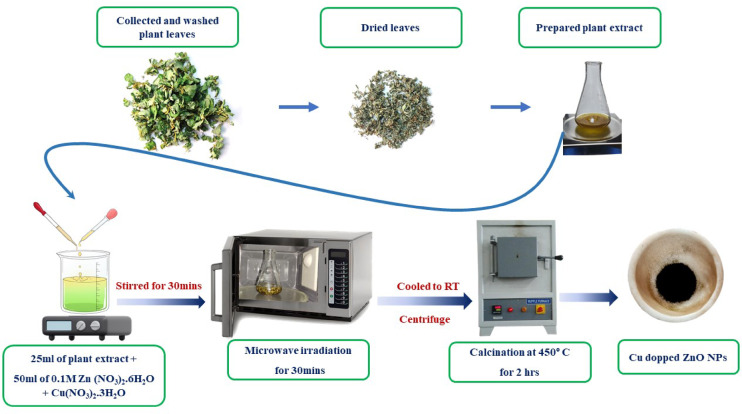
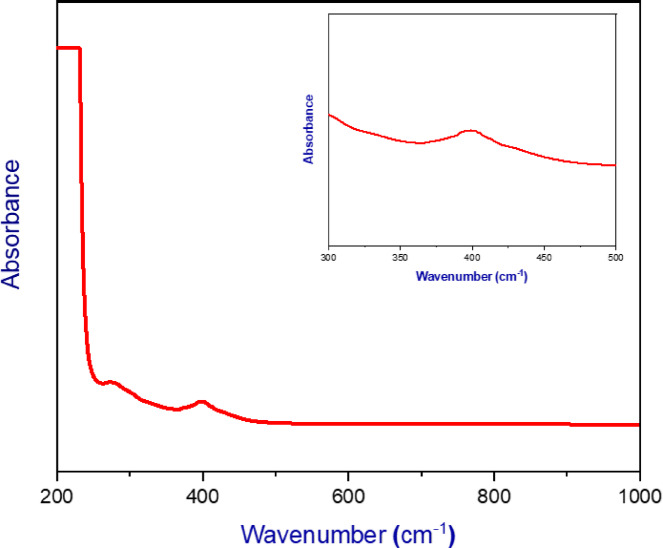
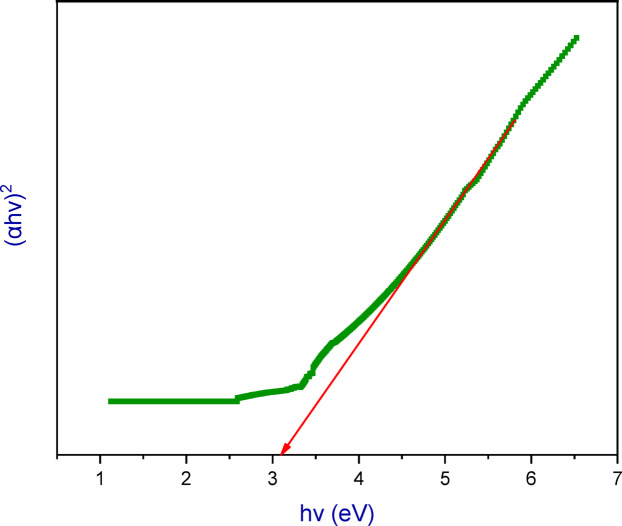
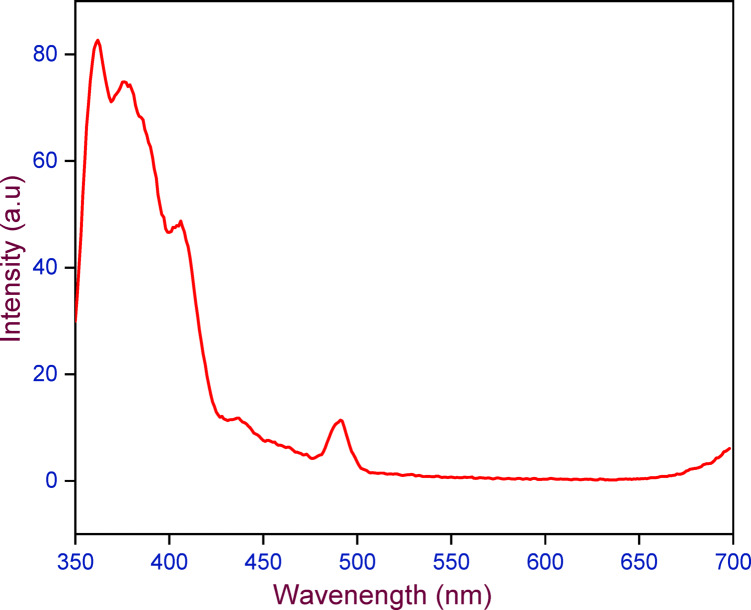
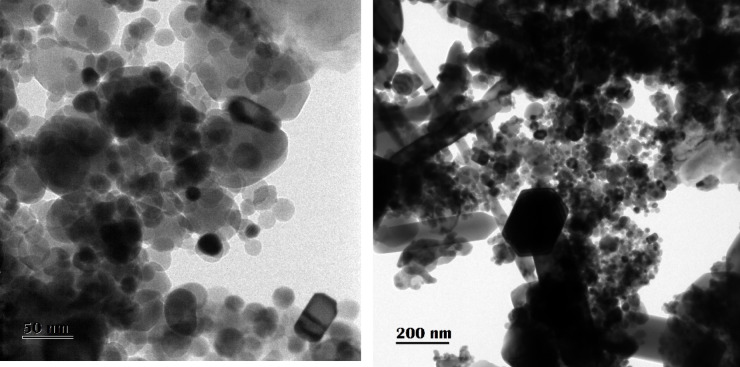
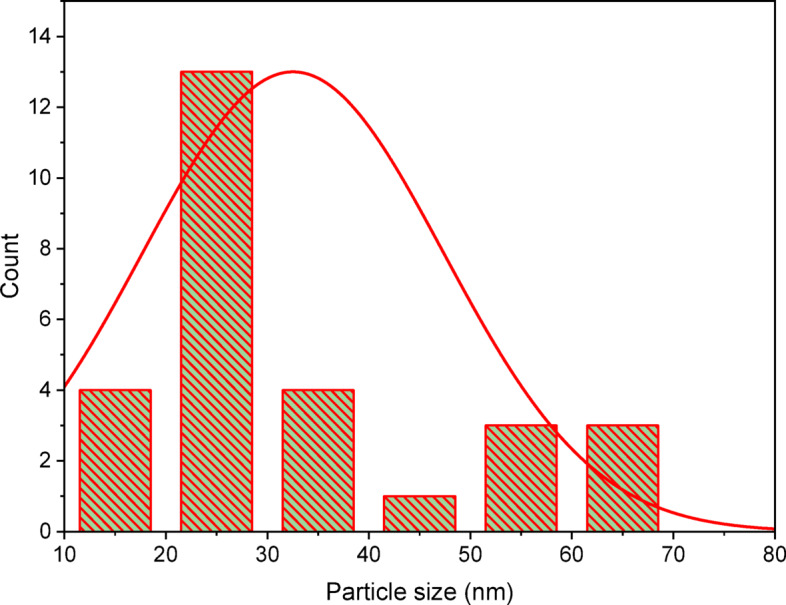
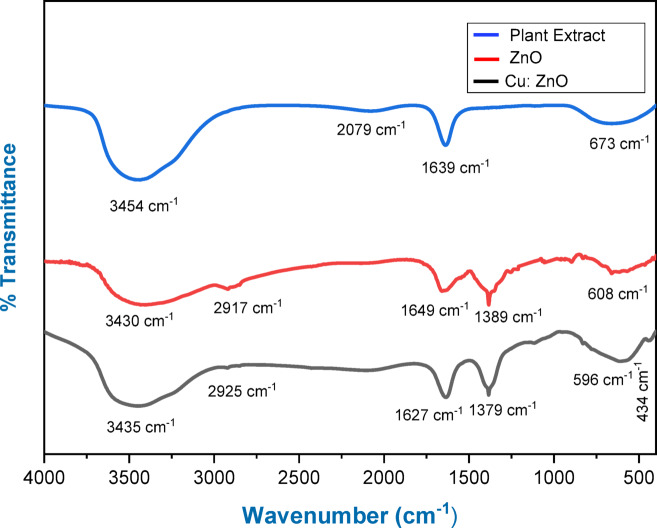
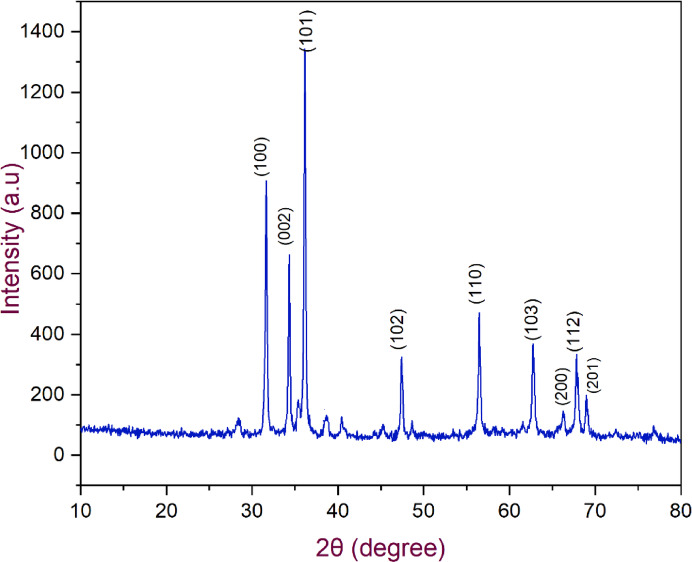
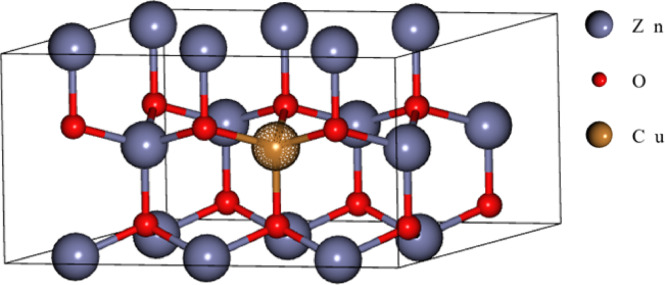
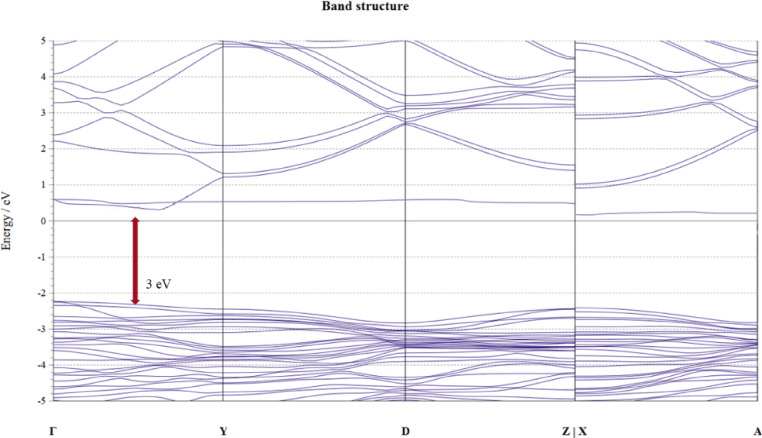
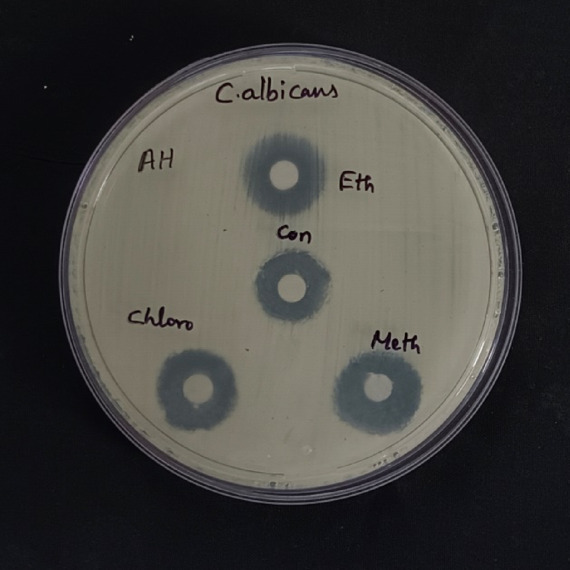
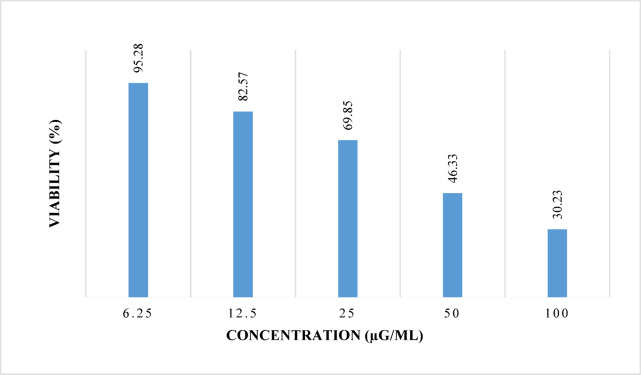
The advancement of nanotechnology and the growing demand for environmentally sustainable processes have fueled interest in green synthesis methods. In this research, copper-doped zinc oxide nanoparticles (Cu: ZnO NPs) were synthesized using a microwave-assisted approach, employing a bio-extract derived from Pistia Stratiotes (PS) leaves as a reducing agent. Comprehensive characterization through UV-Visible spectroscopy, PL, FTIR, SEM with EDS, TEM, DLS, XRD and XPS confirmed the formation, optical and structural features of the synthesized NPs. SEM and TEM images revealed spherical and nanorod-like morphologies, with particle sizes ranging from 15 nm to 65 nm and a tendency to agglomerate. Density Functional Theory (DFT) simulations using Quantum Espresso indicated a band gap narrowing to 3.0 eV after copper doping. Biologically, the Cu: ZnO NPs exhibited strong antibacterial activity against Candida albicans (16.3-17.5 mm), Staphylococcus aureus (18.4-21.5 mm), and Escherichia coli (19-21.6 mm). Additionally, the NPs showed promising anticancer potential against SK-MEL-28 melanoma cells, with an IC value of 30.53 µg/mL. Overall, this research demonstrates an eco-friendly and efficient route for fabricating Cu: ZnO NPs with significant antimicrobial and anticancer properties, emphasizing their potential for future biomedical applications.
纳米技术的进步以及对环境可持续发展工艺的需求不断增加,激发了人们对绿色合成方法的兴趣。在本研究中,采用微波辅助方法合成了铜掺杂氧化锌纳米颗粒(Cu:ZnO NPs),使用从大薸(PS)叶片中提取的生物提取物作为还原剂。通过紫外可见光谱、光致发光、傅里叶变换红外光谱、带能谱的扫描电子显微镜、透射电子显微镜、动态光散射、X射线衍射和X射线光电子能谱进行的综合表征证实了合成纳米颗粒的形成、光学和结构特征。扫描电子显微镜和透射电子显微镜图像显示出球形和纳米棒状形态,粒径范围为15纳米至65纳米,并有团聚趋势。使用量子 espresso 进行的密度泛函理论(DFT)模拟表明,铜掺杂后带隙缩小至3.0电子伏特。在生物学上,Cu:ZnO NPs对白色念珠菌(16.3 - 17.5毫米)、金黄色葡萄球菌(18.4 - 21.5毫米)和大肠杆菌(19 - 21.6毫米)表现出强大的抗菌活性。此外,这些纳米颗粒对SK - MEL - 28黑色素瘤细胞显示出有前景的抗癌潜力,IC值为30.53微克/毫升。总体而言,本研究展示了一种生态友好且高效的路线来制备具有显著抗菌和抗癌特性的Cu:ZnO NPs,强调了它们在未来生物医学应用中的潜力。