Abbas Ghulam, Kirabo Annet, Ahmed Usama, Liu Jie, Chen Jidong
Guangdong Key Laboratory for Biomedical Measurements and Ultrasound Imaging, School of Biomedical Engineering, Shenzhen University Medical School, Shenzhen 518060, China.
Department of Medicine, Division of Clinical Pharmacology, Vanderbilt University Medical Center, Nashville, TN 37232, USA.
Cells. 2025 May 23;14(11):767. doi: 10.3390/cells14110767.
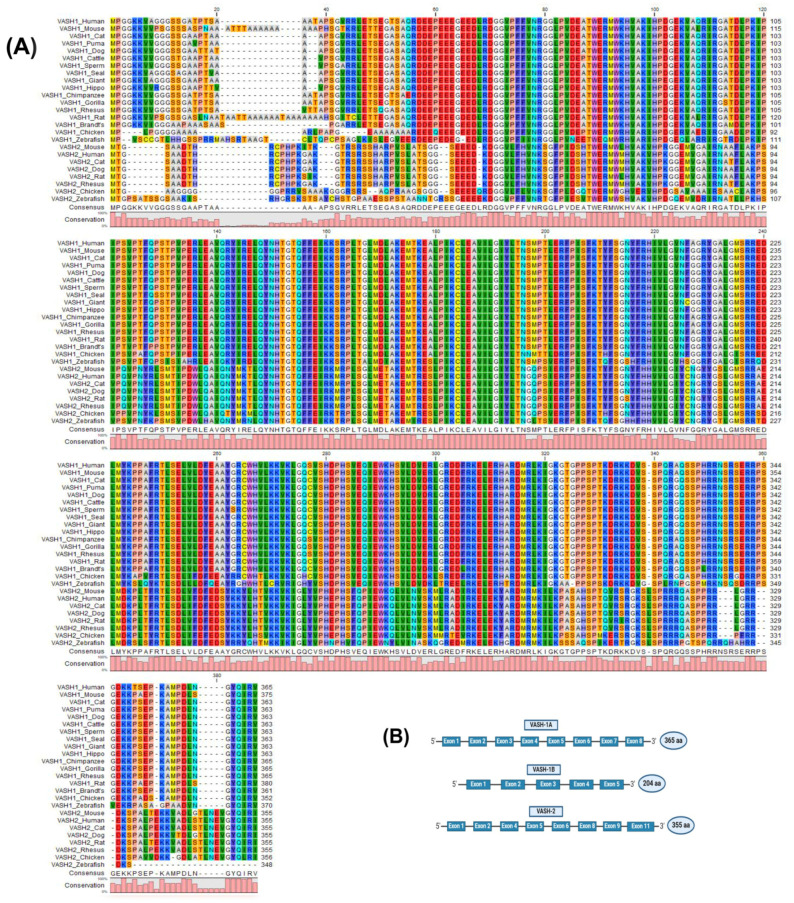
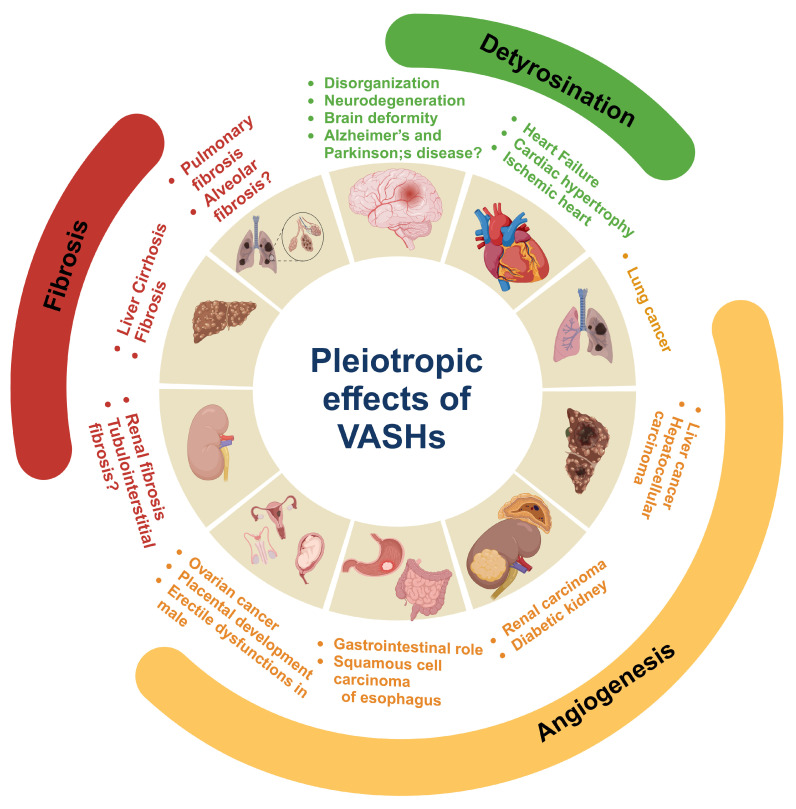
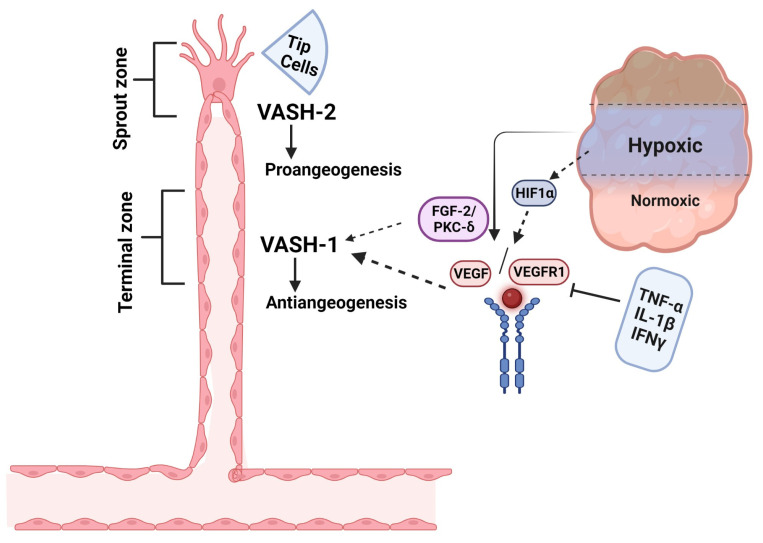
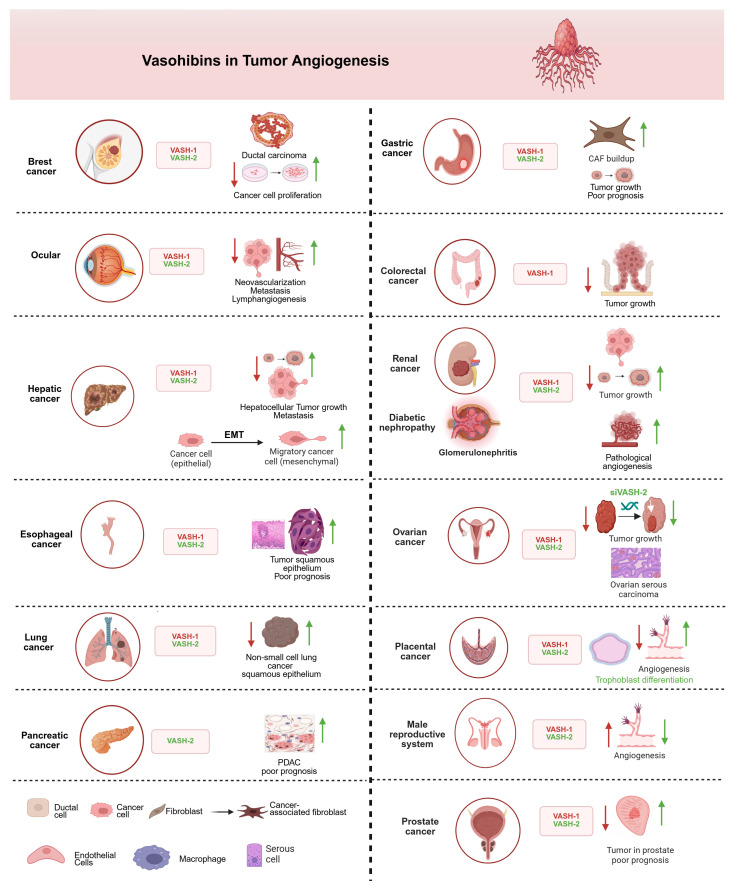
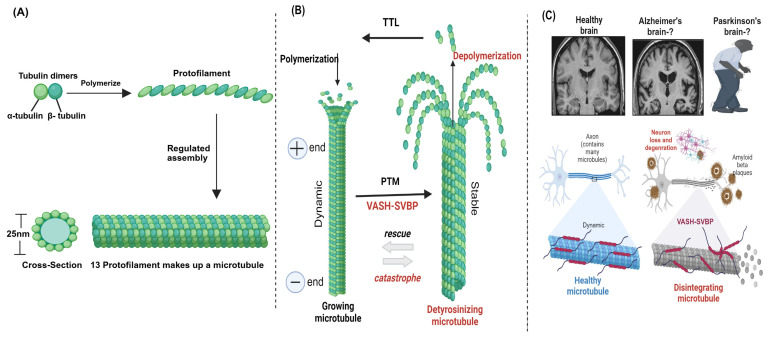
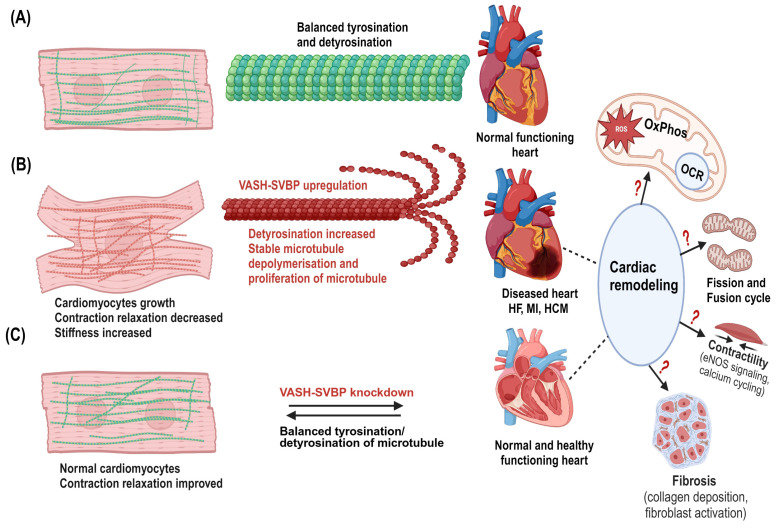
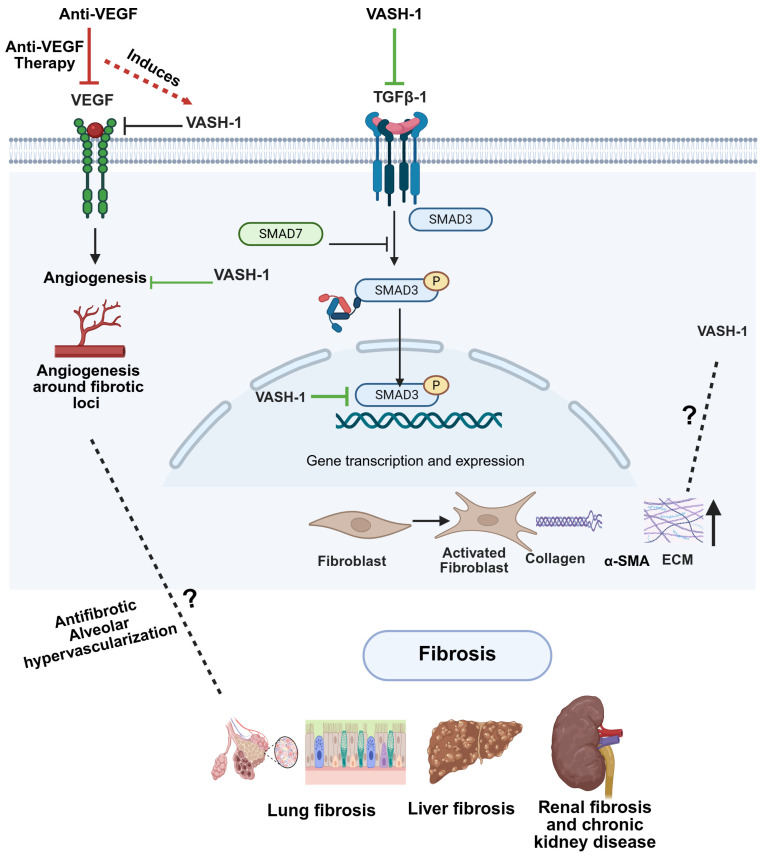
Vasohibins (VASHs), comprising VASH-1 and VASH-2, were initially identified as regulators of angiogenesis. Recent studies, however, have unveiled their novel role in fibrosis and microtubule detyrosination. The dysregulated expression of VASHs is associated with several pathological processes, such as angiogenesis dysfunction, microtubule detyrosination, and fibrosis, contributing to various diseases. These findings suggest the pleiotropic effects of VASHs in multiple organs and systems beyond angiogenesis. This review explores the molecular properties of VASHs and their emerging functions in tubulin carboxyl activity and microtubule detyrosination-key to brain and cardiac remodeling. We also discuss the potential therapeutic applications of their interference in diseases such as tumorigenesis, as well as renal-, reproductive-, and liver-related diseases.
血管抑制素(Vasohibins,VASHs)由VASH - 1和VASH - 2组成,最初被鉴定为血管生成的调节因子。然而,最近的研究揭示了它们在纤维化和微管去酪氨酸化中的新作用。VASHs的表达失调与多种病理过程相关,如血管生成功能障碍、微管去酪氨酸化和纤维化,从而导致各种疾病。这些发现表明VASHs在血管生成之外的多个器官和系统中具有多效性作用。本综述探讨了VASHs的分子特性及其在微管蛋白羧基活性和微管去酪氨酸化(这是脑和心脏重塑的关键)中的新功能。我们还讨论了干扰它们在肿瘤发生以及肾脏、生殖和肝脏相关疾病等疾病中的潜在治疗应用。