Chen Edith, Kim Jungwon, Law Jayson, Obi Vanessa, Gallivan Shanti U, Hayen Robin
Northwestern University Institute for Policy Research, Evanston, IL, 60208, USA.
Department of Psychology, 2029 Sheridan Rd., Northwestern University, Evanston, IL, USA.
J Behav Med. 2025 Jul 9. doi: 10.1007/s10865-025-00584-9.
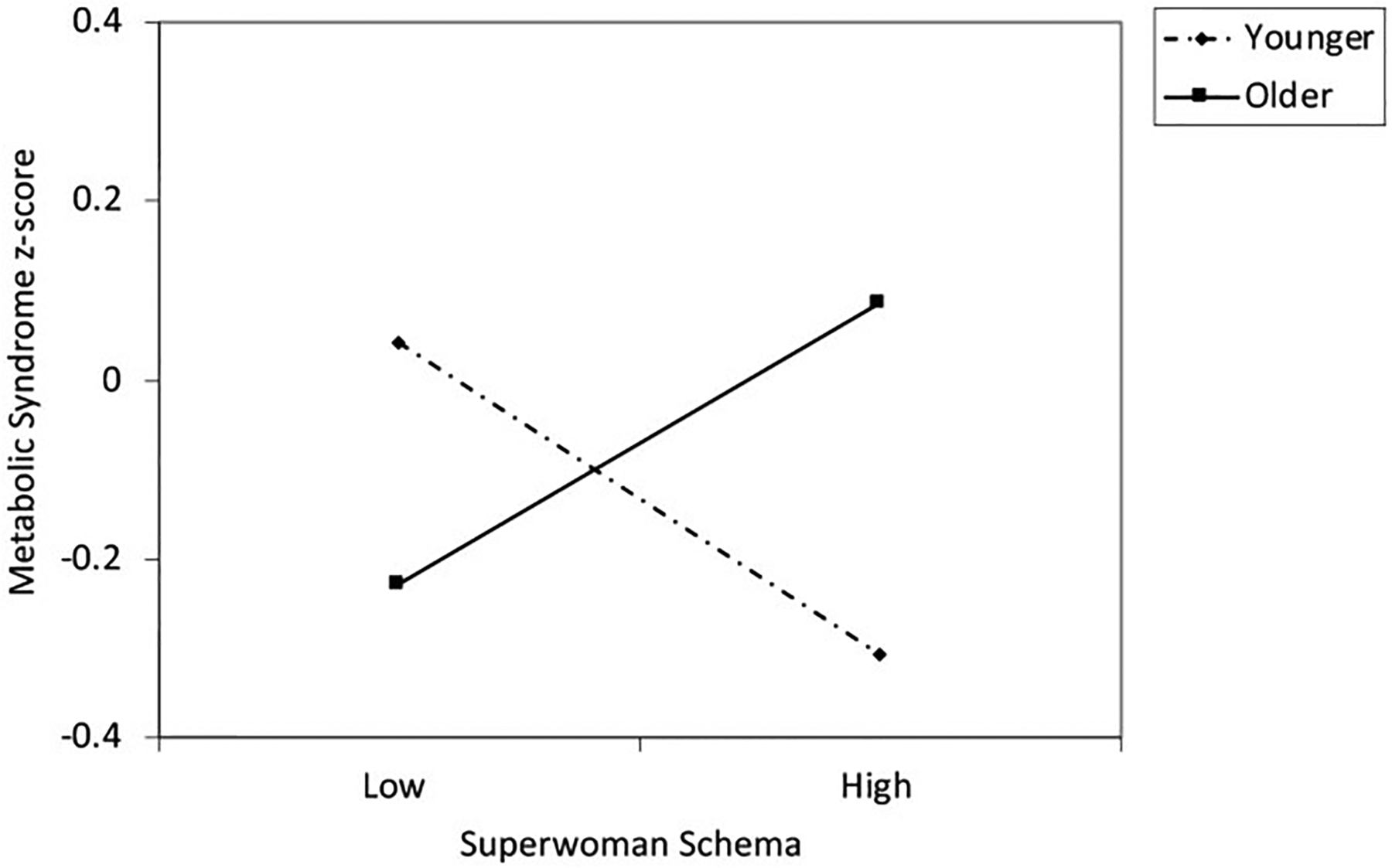
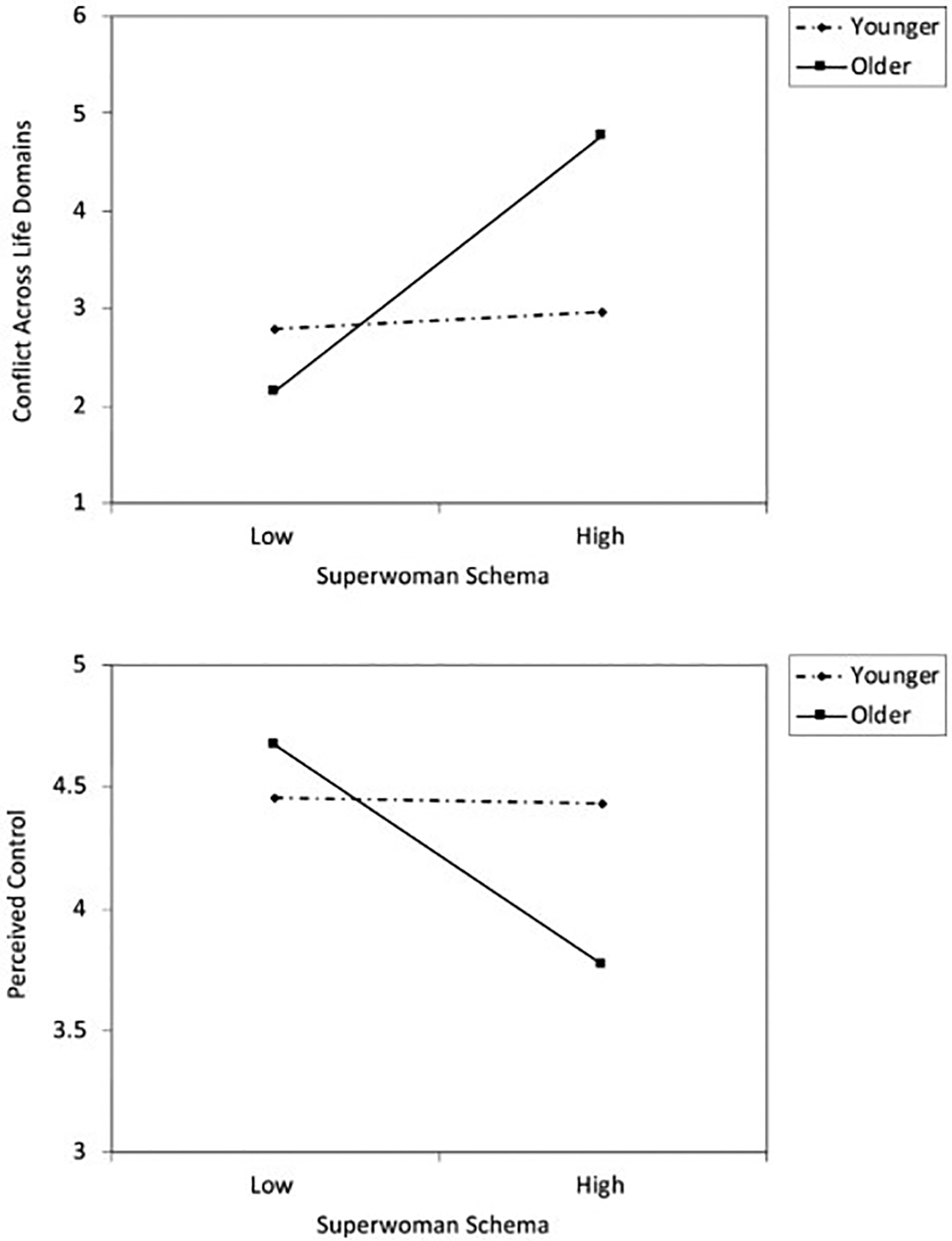
This study investigated associations between the Superwoman schema (socialized expectations to project strength and exhibit a determination to succeed, while at the same time helping others and suppressing one's emotions) and metabolic syndrome (MetS, a cluster of risk factors for diabetes, heart disease, and stroke detectable in childhood) across the period of adolescence. A sample of 256 Black adolescent girls (ages 14-19), all from lower-income households (≤ 2 × poverty threshold) was recruited for a cross-sectional study. Adolescents completed the Superwoman schema questionnaire, and MetS was measured using International Diabetes Federation criteria. Analyses posed a developmental question of whether associations varied by age across the period of adolescence. Age by Superwoman schema interactions were found, such that in younger adolescent girls, higher scores on the Superwoman schema questionnaire were associated with better cardiometabolic health (lower levels of MetS); however, by older adolescence, higher Superwoman schema scores were associated with worse cardiometabolic health (higher MetS). Psychologically, at older ages, a higher Superwoman schema score also was associated with experiencing greater conflict across life domains and with lower levels of perceived control. Overall these patterns suggest that a critical switch from the Superwoman schema being beneficial to being detrimental may occur some time during late adolescence. These findings suggest the importance of developing ways to cultivate and sustain the early beneficial aspects of a Superwoman schema as Black girls transition into adulthood.
本研究调查了在整个青春期,“女超人模式”(一种社会化期望,即展现力量、表现出成功的决心,同时帮助他人并抑制自己的情绪)与代谢综合征(MetS,一组在儿童期即可检测到的糖尿病、心脏病和中风风险因素)之间的关联。招募了256名来自低收入家庭(≤2倍贫困线)的黑人青少年女孩(年龄在14 - 19岁之间)作为横断面研究的样本。青少年完成了“女超人模式”问卷,并使用国际糖尿病联盟标准测量代谢综合征。分析提出了一个发展性问题,即这些关联在青春期是否随年龄而变化。发现了年龄与“女超人模式”的交互作用,即在较年轻的青少年女孩中,“女超人模式”问卷得分较高与更好的心脏代谢健康(较低的代谢综合征水平)相关;然而,到了青少年后期,“女超人模式”得分较高与较差的心脏代谢健康(较高的代谢综合征)相关。从心理角度来看,在年龄较大时,较高的“女超人模式”得分还与在生活领域中经历更大的冲突以及较低的感知控制水平相关。总体而言,这些模式表明,在青春期后期的某个时候,“女超人模式”可能会从有益转变为有害。这些发现表明,在黑人女孩步入成年期的过程中,开发培养和维持“女超人模式”早期有益方面的方法非常重要。