Howard R J, Najarian J S
Clin Exp Immunol. 1974 Sep;18(1):109-18.
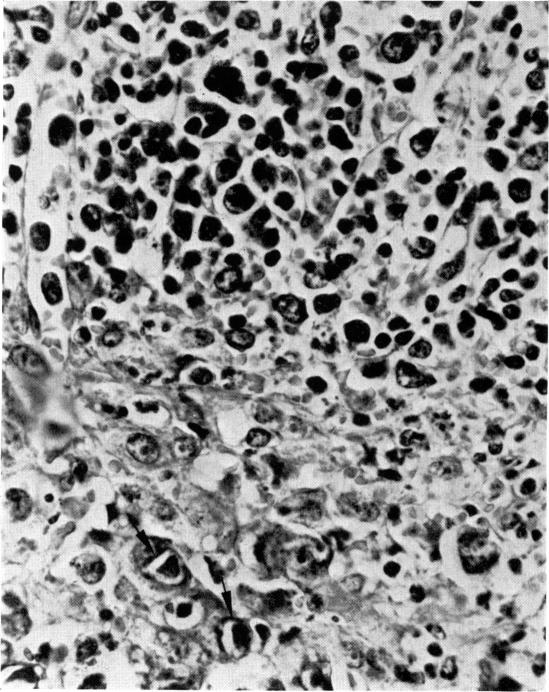
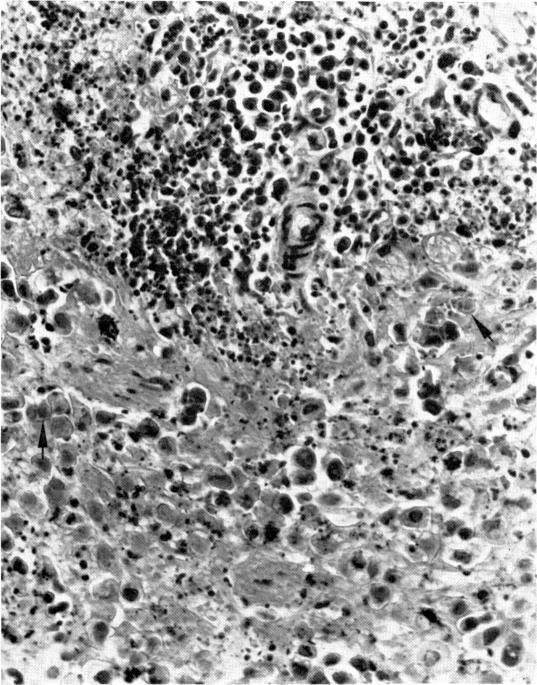
Murinecytomegalovirus (CMV) infects cells of the lymphoreticular system and causes alteration in immune function. Four to 6 days after infection, histological changes are observed in the spleen, consisting of intranuclear inclusions around germinal centres and destruction of germinal centres at higher virus inocula. Gradual healing takes place after this period. CMV also causes suppression of immune function, the maximal suppression also occurring in the 1st week after infection. Both the primary and secondary immune responses to sheep red blood cells are suppressed. The degree of immune suppression is directly related to virus inocula. When mice are first vaccinated with attenuated CMV, infection with virulent CMV results in an immune response greater than that observed in control mice.
小鼠巨细胞病毒(CMV)感染淋巴网状系统的细胞并导致免疫功能改变。感染后4至6天,在脾脏中观察到组织学变化,包括生发中心周围的核内包涵体以及在较高病毒接种量时生发中心的破坏。在此之后逐渐愈合。CMV还会导致免疫功能抑制,最大抑制也发生在感染后的第1周。对绵羊红细胞的初次和二次免疫反应均受到抑制。免疫抑制程度与病毒接种量直接相关。当小鼠首先用减毒CMV疫苗接种时,用强毒CMV感染会导致免疫反应比对照小鼠中观察到的更强。