Chang T W, Lin P S, Gorbach S L, Bartlett J G
Infect Immun. 1979 Mar;23(3):795-8. doi: 10.1128/iai.23.3.795-798.1979.
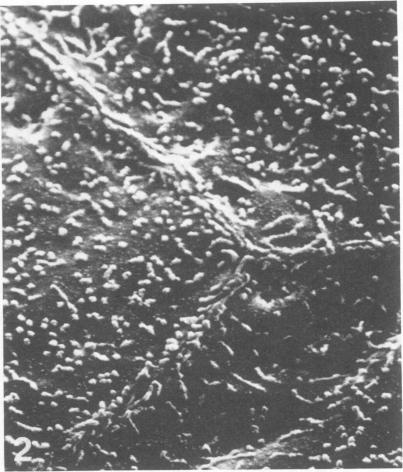
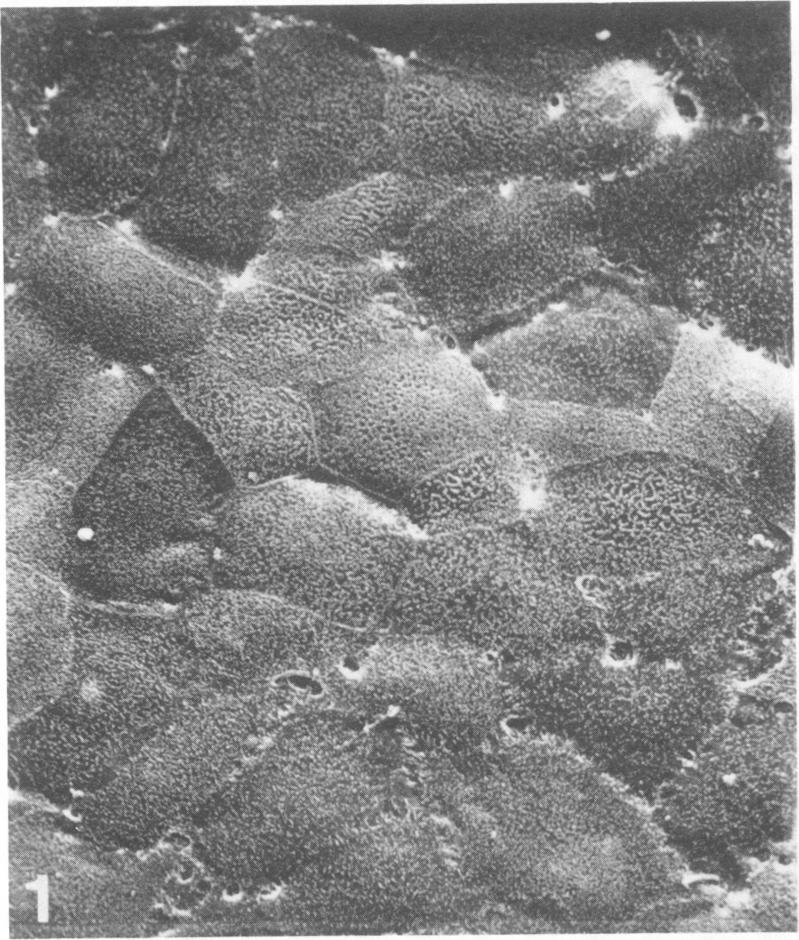
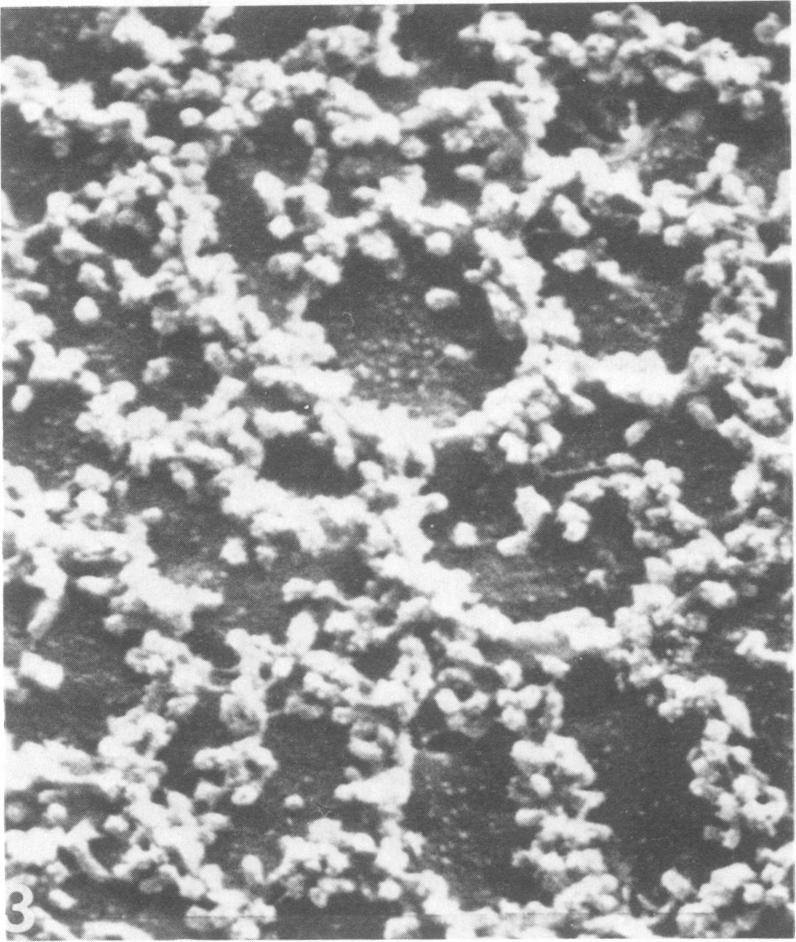
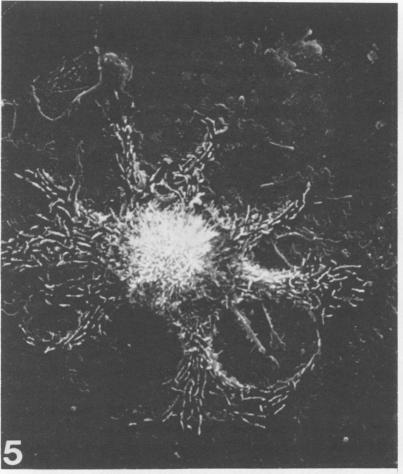
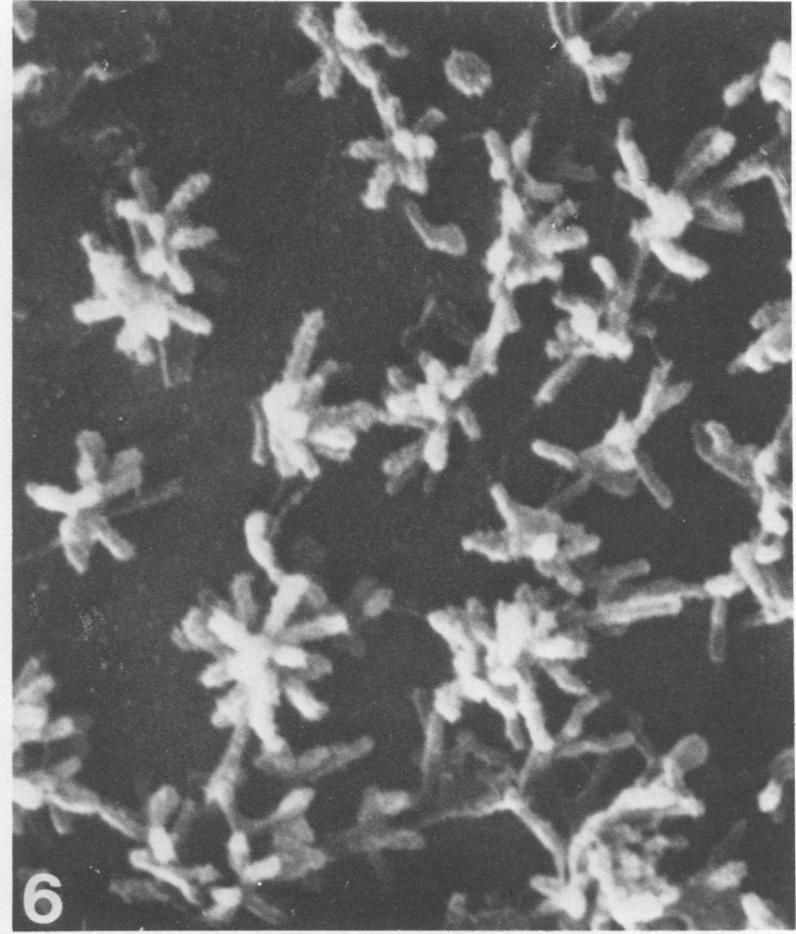
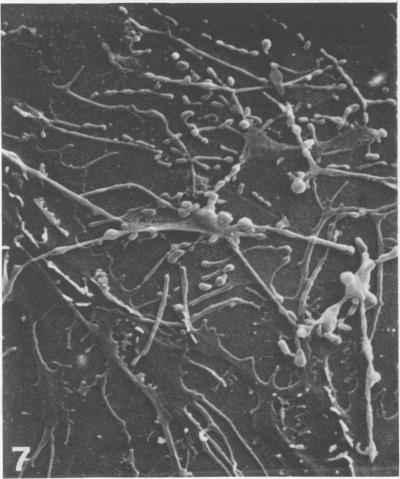
The ultrastructure of the surface of primary human amnion monolayer cells undergoing cytopathology induced by Clostridium difficile toxin was examined by scanning electron microscopy. Our observations indicated that the type and distribution of cell surface projections were altered dramatically by this toxin. The patterns of such surface changes were specific for the two different types of cells found in this cell culture. Cells with demarcated borders showed rearrangement of microvilli into globular chains or ridges which lined up with the branching membrane. Cells without demarcated borders exhibited studlike microvilli, all arranged into ridges or globular chains. These changes were noted after 1 h of toxin exposure and persisted without further progression, in spite of continued toxin exposure, up to 48 h. These data indicate that C. difficile produces a cytolytic toxin and that scanning electron microscopy may be useful in determining toxin-cell interactions.
利用扫描电子显微镜检查了艰难梭菌毒素诱导细胞病变的原代人羊膜单层细胞表面的超微结构。我们的观察结果表明,这种毒素会显著改变细胞表面突起的类型和分布。这种表面变化模式对于该细胞培养物中发现的两种不同类型的细胞具有特异性。边界清晰的细胞显示微绒毛重排为球状链或脊状,与分支膜排列在一起。边界不清晰的细胞呈现出瘤状微绒毛,全部排列成脊状或球状链。毒素暴露1小时后便观察到这些变化,并且尽管持续暴露于毒素中,这些变化在长达48小时内持续存在且没有进一步发展。这些数据表明艰难梭菌产生一种细胞溶解毒素,并且扫描电子显微镜可能有助于确定毒素与细胞的相互作用。