Caprioli A, Falbo V, Roda L G, Ruggeri F M, Zona C
Infect Immun. 1983 Mar;39(3):1300-6. doi: 10.1128/iai.39.3.1300-1306.1983.
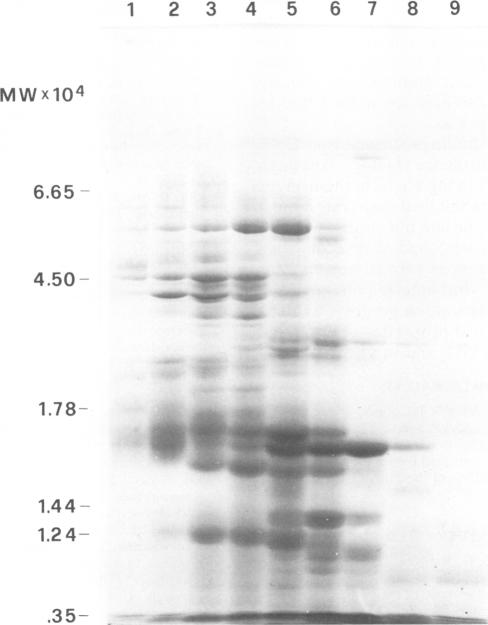
A factor produced by several strains of Escherichia coli isolated from enteritis-affected children has been shown to produce both a necrotizing effect on rabbit skin and striking morphological alterations on CHO, Vero, and HeLa cells. The same strains were found to have hemolytic activity on sheep erythrocytes. The toxic, cell-altering factor was demonstrated to be different from both heat-labile and heat-stable enterotoxins and from Vero toxin. The main effect induced by the isolated factor on cultured cells was the formation of large multinucleated cells. The partial purification achieved suggests that the same factor (most likely a protein with a molecular weight of 70,000 to 80,000) is responsible for toxic and cell-altering activities, whereas a different molecular species is responsible for hemolytic activity.
从患肠炎儿童中分离出的几种大肠杆菌菌株所产生的一种因子,已被证明对兔皮肤有坏死作用,并对CHO、Vero和HeLa细胞产生显著的形态学改变。同样的菌株对绵羊红细胞具有溶血活性。已证明这种有毒的、能改变细胞的因子既不同于不耐热和耐热肠毒素,也不同于Vero毒素。分离出的因子对培养细胞的主要作用是形成大型多核细胞。所实现的部分纯化表明,同一因子(很可能是一种分子量为70,000至80,000的蛋白质)负责毒性和细胞改变活性,而不同的分子种类负责溶血活性。